
REVIEW · HOI AN
Hoi An: Half-Day Heritage Walking Tour
Book on GetYourGuide →Operated by Hoi An Express · Bookable on GetYourGuide
Four hours in Hoi An old town means details everywhere. This half-day heritage walking tour strings together the sights I think make Hoi An special: Chinese, Japanese, and Vietnamese influences in everyday architecture, plus the iconic Japanese Covered Bridge—without you having to figure it all out alone.
I like the way the route mixes big-photo landmarks with slower, quieter house stops, so you’re not just checking boxes. I also really value the food-and-people side: you’ll spend time at the Hoi An Market and get a short street-snack break so you can taste what this town feels like on foot.
One thing to consider: while the tour is listed as about 4 hours, the actual pace can vary, and part of the experience may feel more sales-adjacent than pure sightseeing. If you want maximum history talk time, keep that in mind and ask your guide to slow down when you get to the houses.
In This Review
- Key Things That Make This Tour Worth Your Time
- Why This Hoi An Walk Feels Practical (Not Just Pretty)
- Timing, Pickup, and How the Half-Day Really Moves
- Stop 1: Hoi An Market for Real Sights and Quick Tastes
- Fujian Assembly Hall: Chinese Influence You Can See in the Layout
- Traditional Art Performance Theatre: A Break From Walking (With a Payoff)
- Hoi An Folk Museum: Small Time, Useful Context
- Old House of Tan Ky: The House Stop That Actually Teaches You to Look
- Mót Hội An Street Snacks: Short, But Good for Matching the Vibe
- Japanese Covered Bridge: The Iconic Photo Stop (But Still Worth It)
- Tin Lành Việt Nam Church Area: A Modern Corner in an Old Town
- Rain, Heat, and Street-Walking Reality
- Value for $33: What You’re Paying For
- Guide Quality Matters: Emily and Phan as Good Signs
- Who Should Book This Tour (and Who Might Want Something Else)
- Should You Book This Hoi An Heritage Walking Tour?
- FAQ
- How long is the Hoi An half-day heritage walking tour?
- What does the tour include in the price?
- Is hotel pickup included, and where does it pick up?
- Which stops are part of the itinerary?
- Is the tour guide always English-speaking?
- What is the cancellation policy?
- Is there a child policy?
Key Things That Make This Tour Worth Your Time

- Japanese Covered Bridge plus real context in a short, guided stop
- Fujian Assembly Hall to see Chinese influence in a place you’ll otherwise just pass
- Ancient houses like Tan Ky House where the guide helps you notice design clues
- Hoi An Market for food and local rhythm, not just photos
- A traditional dance performance stop that adds culture between street scenes
- Hotel pickup in central Hoi An (mostly) which saves you planning stress
Why This Hoi An Walk Feels Practical (Not Just Pretty)

Hoi An old town is small, but it’s not simple. Streets twist, facades look similar until you learn what to notice, and architecture blends over time instead of sticking to one “style.” This tour works because it gives you a route and an explanation—so you can actually read what you’re seeing.
The best part for me is that the walking doesn’t feel like a speedrun. You get a mix of landmark stops and smaller, calmer house visits where you can slow down and take in details like the windflower trellises on rustic home fronts. That kind of texture is what makes Hoi An feel lived-in, even though so much of it is now “heritage.”
The tour also leans into the cross-cultural story. You’ll hear how Hoi An shows influences linked to Vietnam, China, Japan, and even references to France in the broader mix of what’s preserved and practiced here.
You can also read our reviews of more walking tours in Hoi An



Timing, Pickup, and How the Half-Day Really Moves
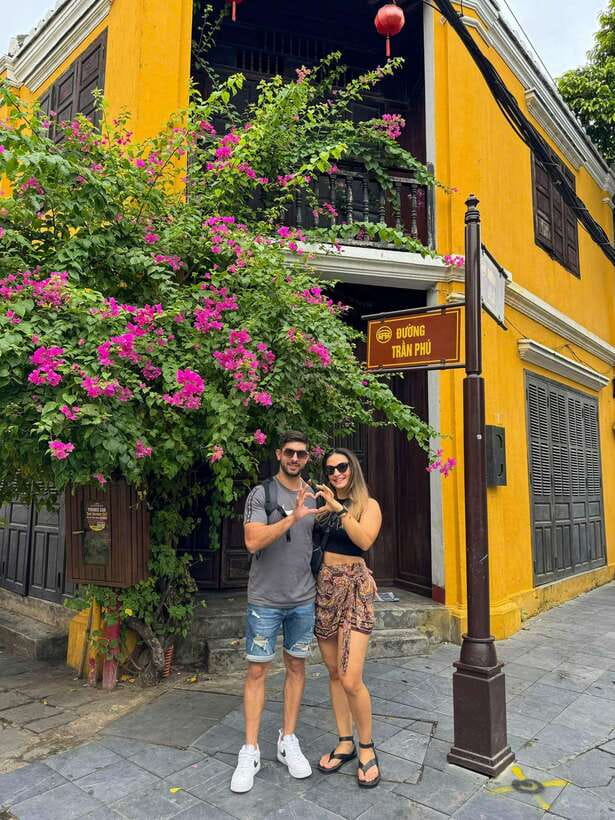
The day starts with pickup in Hội An, then a short 15-minute coach ride as you’re gathered and positioned for the walking route. The plan runs with multiple guided stops and short transitions, which is a good fit if you don’t want a full-day commitment.
You’ll spend time on:
- a longer market block,
- a couple of assembly-house or museum-style visits,
- and a performance stop,
before finishing at the Covered Bridge area and returning by coach.
A practical tip: since pacing can vary, plan your expectations around “half-day sightseeing” rather than a strict minute-by-minute schedule. If you’re pairing this with another activity in the afternoon, keep some buffer time.
Stop 1: Hoi An Market for Real Sights and Quick Tastes

The tour’s first big time investment is the Hoi An Market, with about 35 minutes to walk, look around, and explore the food-market vibe with guidance.
Here’s why that matters: in a heritage town, markets are where the culture stays current. You’ll get a guided sense of what’s worth looking at and how to move through the crowds without turning every turn into a guessing game. It’s not just a background scene—it’s part of how Hoi An functions day to day.
If you’re the kind of person who usually grabs a snack and moves on, slow down for a moment. The market visit is where you learn what ingredients, flavors, and everyday routines are driving the town’s food culture—so the later street-food stop makes more sense.
Fujian Assembly Hall: Chinese Influence You Can See in the Layout

Next up is the Fujian Assembly Hall, guided for around 20 minutes.
This is the kind of stop that’s easy to underestimate. From the outside, it might look like “another old building.” But with a guide, you start noticing how the space works and what the design choices suggest about cultural roots.
This stop is valuable because it connects the cross-cultural theme to something concrete. You’re not just hearing that Chinese influence is here—you’re seeing it in a place that served a community function, with a layout and character that’s meant to be understood, not just photographed.
Traditional Art Performance Theatre: A Break From Walking (With a Payoff)
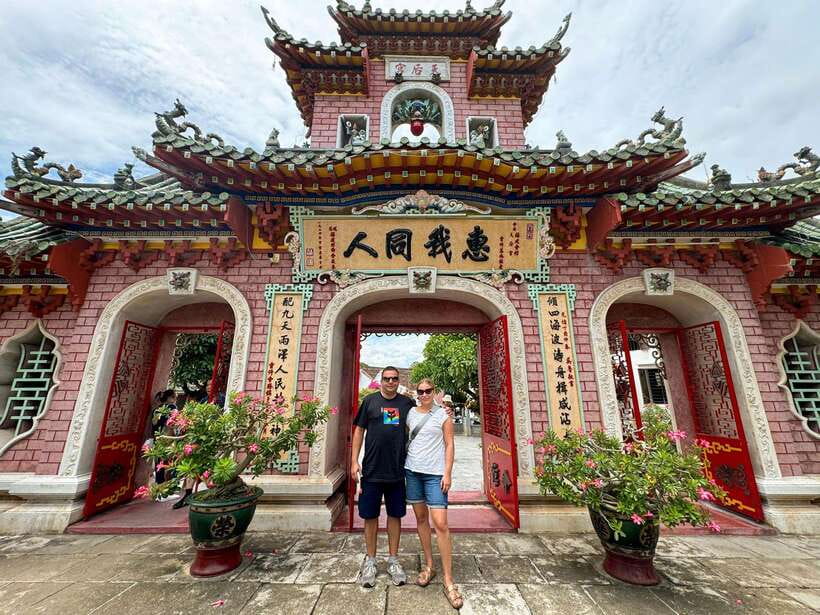
You’ll then head to the Hoi An Traditional Art Performance Theatre for about 40 minutes, including a traditional dance show.
This is one of the tour elements that can either be a highlight or a surprise, depending on your mood. If you want constant walking and nonstop explanation, a show can feel like an interruption. But if you’re curious about how heritage is expressed through performance, it’s a smart pause.
It also helps the pacing. After market energy and museum or house stops, you get a calmer, indoor segment where the guide can point out cultural context while you sit and watch.
You can also read our reviews of more historical tours in Hoi An






Hoi An Folk Museum: Small Time, Useful Context
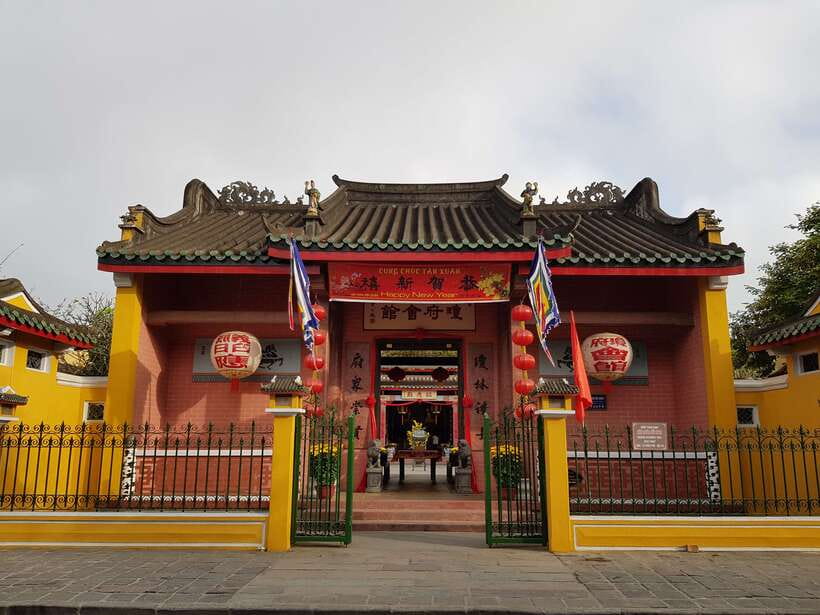
After the performance, there’s a shorter 15-minute visit to the Hoi An folk museum.
This stop is brief, so don’t expect a full, museum-style deep read. The value is more about orientation: it helps connect what you’re seeing on the streets to a wider idea of local life—how people lived, what they valued, and what got preserved when the town started drawing attention for its architecture.
If you like learning through “objects and rooms” rather than just through landmarks, this is a nice supporting piece.
Old House of Tan Ky: The House Stop That Actually Teaches You to Look

The Old House of Tan Ky is a standout for good reason. You’ll get about 20 minutes here, guided.
Tan Ky House works well on foot tours because it’s not just a pretty facade. It’s a chance to understand how ancient homes in Hoi An reflect cultural blending and practical living—courtyards, entrances, and the way space feels designed for daily life. Even if you’re not an architecture nerd, the guide helps you notice the clues that show up in the details.
If you only visit one “ancient house” during your time in town, make it this one. It’s usually the place where people finally start seeing how the different influences show up in real physical form.
Mót Hội An Street Snacks: Short, But Good for Matching the Vibe
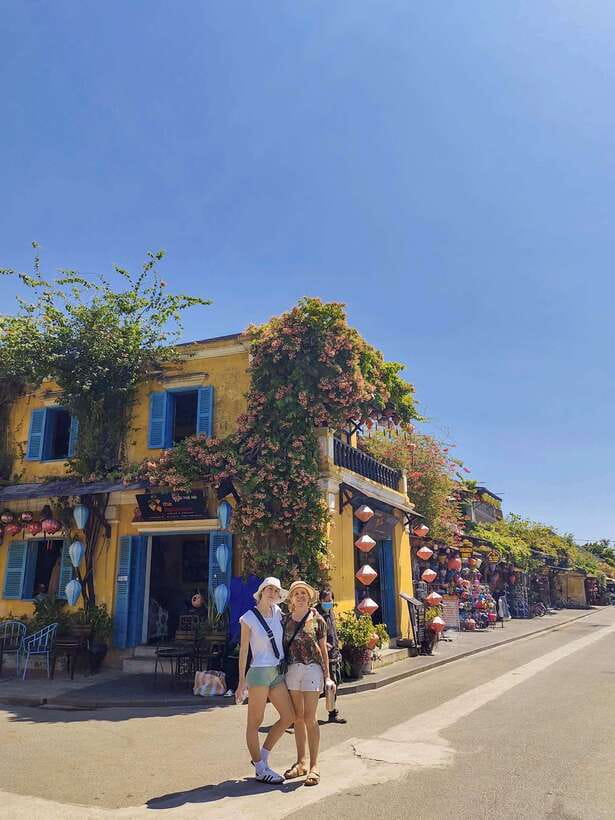
You’ll stop at Mót Hội An – Nước Thảo Mộc Sả Chanh, with about 10 minutes described as a street food and local snacks moment.
This is not a long food crawl, so treat it like a flavor sampler. The point is to give you something small and local right in the flow of the walk, so the market and heritage stops don’t feel disconnected.
Also, it’s a nice reality check. Heritage towns can feel like they’re stuck in museum mode. A quick snack stop keeps you in the present—hands-on, street-level, no formalities.
Japanese Covered Bridge: The Iconic Photo Stop (But Still Worth It)
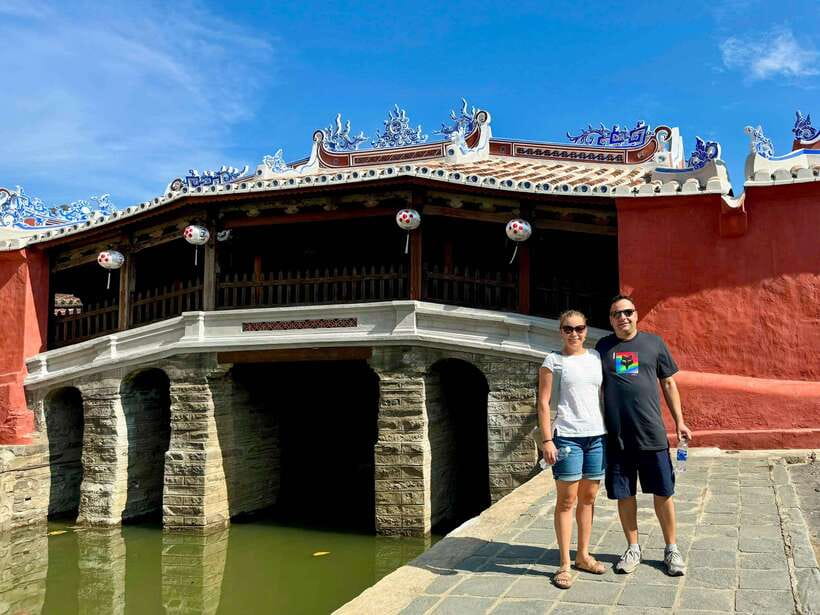
Then comes the Japanese Covered Bridge, with a guided visit of about 15 minutes.
Yes, it’s the must-see landmark. But what you’ll appreciate on a guided walk is the sequencing. You don’t just arrive, snap photos, and leave. You’ve already seen enough Chinese-influenced assembly spaces and older homes that the bridge becomes part of a bigger story about Hoi An’s layered cultural history.
If you want great photos, arrive ready to wait 2–3 minutes for foot traffic to thin, and don’t just stand in the middle of the walkway. Step to the sides, watch the angle, and let the bridge frame you rather than the crowd.
Tin Lành Việt Nam Church Area: A Modern Corner in an Old Town
The route includes a pass-by and walk near Hội Thánh Tin Lành Việt Nam – Chi Hội Hội An for about 15 minutes.
This isn’t a “main character” stop like the Covered Bridge, but I like it for balance. Old towns aren’t only ruins and heritage buildings. They’re living neighborhoods. Having a local church stop included helps underline that Hoi An is still a functioning community, not just a time capsule.
Rain, Heat, and Street-Walking Reality
Hoi An weather can change fast, and one of the nice surprises with walking tours here is that rain doesn’t always ruin the day. Streets are narrow and sights are close together, so you keep moving even if you need to adjust your pace.
If it’s hot, you’ll be walking in short bursts with guided stops to cool off. Bring water because you will likely want it (the tour includes bottled water), and if you’re sensitive to sun, plan to spend your “long stare” moments in shaded parts of houses and indoor stops.
Value for $33: What You’re Paying For
At about $33 per person for roughly 4 hours, this tour is priced like a practical “heritage highlights” option—especially because key costs are covered.
You get:
- Hotel pickup and drop-off in Hoi An City Center (pickup doesn’t include the South Hoi An area)
- a guiding team in English (other languages are possible by request with a surcharge)
- entrance fees
- bottled drinking water
- travel insurance
For me, the best value piece is the guidance. In Hoi An, self-guided walking can turn into a lot of beautiful walls with not enough meaning. Here, you get a guide to help you connect the architecture to the cultural influences you’re walking through.
Guide Quality Matters: Emily and Phan as Good Signs
This is one of those tours where the guide can make or break the day. On past departures, guides such as Emily and Phan have led the route, and both types of reviews highlight a common theme: attentive, clear explanations.
In practical terms, that means if you’ve got someone in your group who needs extra care—like an elderly parent—you’ll want a guide who watches group energy and adjusts the pace. When the guiding is that thoughtful, the town stops feeling like a checklist and starts feeling like a story you can follow.
Who Should Book This Tour (and Who Might Want Something Else)
This tour is a great fit if:
- you want a guided route through Hoi An Ancient Town without spending your whole morning planning,
- you care about seeing the Japanese Covered Bridge but also want more than one postcard stop,
- you like architecture and cultural blending,
- you’d appreciate a short cultural performance break instead of nonstop walking.
It may not be the best fit if:
- you’re extremely focused on long, deep museum time (some stops are short),
- you want only quiet, purely historical storytelling (the day can include more commercial or sales-adjacent moments),
- you need a very strict 4-hour schedule with no flexibility.
Should You Book This Hoi An Heritage Walking Tour?
If your goal is “heritage highlights with enough structure to make the old town make sense,” I’d book it. The mix—market, assembly hall, traditional show, Tan Ky House, and the Covered Bridge—keeps you from getting bored and helps you understand why Hoi An architecture feels like a conversation across cultures.
Just go in with the right mindset. Treat the total duration as a target, and don’t assume every minute will be devoted to pure history lecture mode. If you ask questions and let the guide steer you through the house details, you’ll get far more out of those old streets.
If you want, tell me your travel month and whether you prefer more food, more architecture, or more performance—and I’ll help you pair this with the best next stop in Hoi An.
FAQ
How long is the Hoi An half-day heritage walking tour?
The tour duration is listed as 4 hours.
What does the tour include in the price?
It includes transfer and transportation as per the itinerary, entrance fees, bottled drinking water, an English-speaking tour guide, and travel insurance.
Is hotel pickup included, and where does it pick up?
Hotel pickup and drop-off in Hoi An City Center are included, except for the South Hoi An area.
Which stops are part of the itinerary?
Key stops include Hoi An Market, Fujian Assembly Hall, Hoi An Traditional Art Performance Theatre (traditional dance show), Hoi An folk museum, Old House of Tan Ky, Mót Hội An – Nước Thảo Mộc Sả Chanh street food/snacks, Japanese Covered Bridge, and a pass-by/walk near Hội Thánh Tin Lành Việt Nam – Chi Hội Hội An.
Is the tour guide always English-speaking?
Yes, the tour includes an English-speaking guide. Other languages may be available upon request with a surcharge.
What is the cancellation policy?
Free cancellation is available up to 24 hours in advance for a full refund.
Is there a child policy?
The policy says a maximum of 1 child can be accompanied by 1 adult at the child price; the 2nd child will pay the adult price.