REVIEW · HOI AN
Farming with Farmers at ancient vegetable Village “Tra Que”
Book on GetYourGuide →Operated by Tra Que Water Wheels Company Limited · Bookable on GetYourGuide
A day in Tra Que runs on mud, plants, and calm. You’ll see how a family herb farm works—then you’ll actually get your hands into it, finish with a homemade lunch that tastes like the countryside.
The two things I love most are simple: the peaceful walk through a living heritage vegetable village and the hands-on farming that doesn’t feel like a show.
One thing to consider: you’re active—raking, sowing, watering, and riding a water buffalo—so if you want a mostly seated, low-effort tour, this may feel like too much.
In This Review
- Key highlights to look forward to
- Getting to Tra Que: a short ride that sets the tone
- The 300-year-old Tra Que herb village: where “heritage” means living work
- Farming with the farmers: seaweed fertilizer and traditional tools
- Water buffalo and basket boat: the fun that still fits the theme
- Lunch at Tra Que Water Wheel: cook your meal, taste the herbs
- Price and value: why $41 makes sense here
- Practical logistics you should plan for
- Who should book this Tra Que farm day
- Should you book Farming with Farmers at Tra Que?
- FAQ
- How do I get from my hotel to Tra Que?
- Is the bike ride included, and how long is it?
- What farming activities will I do?
- Do I ride a water buffalo and row a basket boat?
- Is lunch included, and do I cook?
- Can the tour accommodate allergies?
Key highlights to look forward to
- Herb village with 30+ varieties grown by manual methods
- 20-minute bike ride through ricefields before you reach the farm
- Fertilizing with seaweed from a nearby lake and using traditional tools
- Water buffalo ride plus basket boat rowing between coconut palms
- Lunch you cook yourself, guided by a local chef and family team
Getting to Tra Que: a short ride that sets the tone
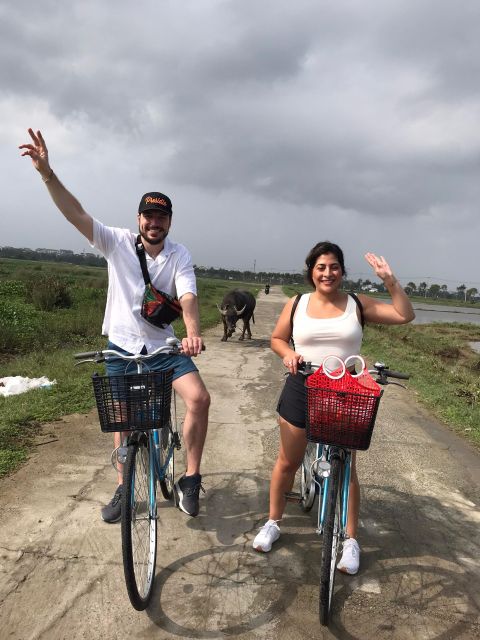
Hoi An’s countryside has a way of slowing your brain down, and this starts before you even reach the vegetable village. After pickup from your hotel, you’ll travel by bicycle, motorbike, or car—your choice—then set off with an English-speaking guide. If you pick the bike option, expect about 20 minutes cycling through the ricefields. It’s a practical way to get out of town without rushing, and it gives you instant context: cows, ducks, and buffalo are part of daily farm life here, not scenery props.
I like this transfer because it feels like you’re moving through the environment instead of being delivered to it. You’ll breathe fresher air, see the fields up close, and arrive already in the right mood—quiet, open, and ready to learn.
You can also read our reviews of more tours and experiences in Hoi An

The 300-year-old Tra Que herb village: where “heritage” means living work
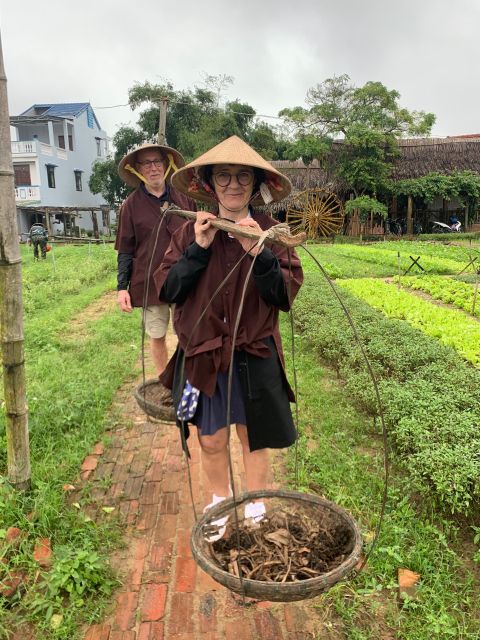
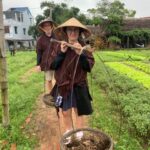
Tra Que vegetable village is over 300 years old, and it’s not just a pretty place to wander. Once you arrive, you’ll step into an area planted with 30+ types of herbs using manual farming methods. The village is known as a preserved heritage area, and you can feel the difference: fewer engines, less noise, more smell—green plants, damp soil, and herbs that make the air feel alive.
The best part of this section is how the guide links what you see to what you eat. You’ll learn about the traditional ingredients and spices that show up in everyday meals, which makes the later lunch feel earned instead of random. Even if you’ve eaten Vietnamese herbs before, seeing how they’re grown changes the way you taste them.
One more detail I appreciate: Tra Que sits in a fertile farming area tied to the river system. That matters because the whole day’s theme becomes clear—this isn’t “urban farming” or a modern experiment. It’s a long-practiced approach to feeding soil so the herbs can feed people.
Farming with the farmers: seaweed fertilizer and traditional tools
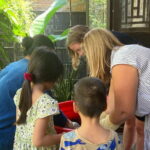
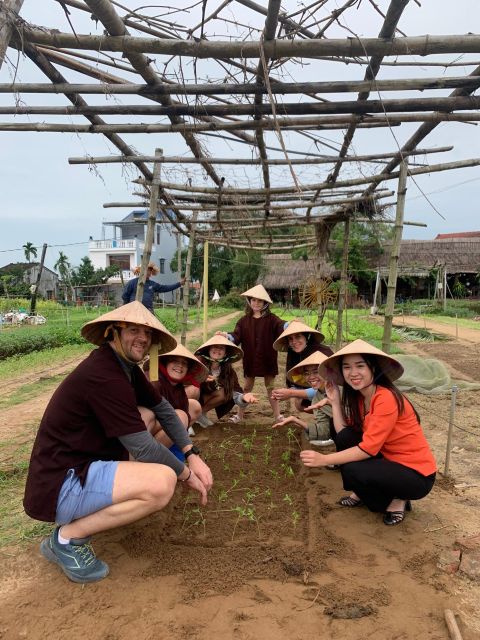
This is the core of the experience, and it’s also where you’ll get the most satisfaction. You’ll join the family in farming activities that are simple in idea but real in practice. The day is designed so you can do meaningful tasks—no “stand here and watch” energy.
Here’s what you can expect as you get involved:
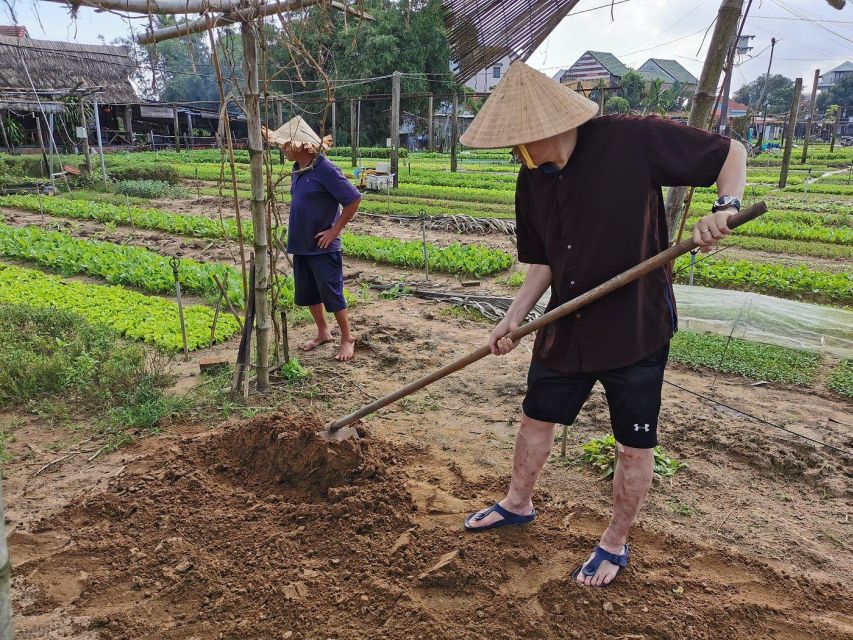
- Preparing the land and fertilizing with seaweed from a nearby lake
- Learning how to rake the ground with traditional tools
- Sowing seeds and watering young plants
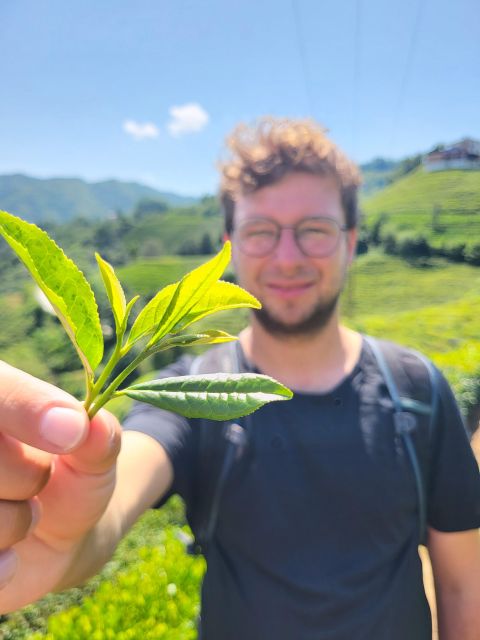
- Picking herbs that will later show up in your lunch
What makes this valuable is the rhythm. You don’t just do one action and move on. You follow the steps farmers take so you can understand why each part matters—soil first, then planting, then care, then harvest. By the time you’re picking herbs, you’re already thinking like a farmer, even if it’s for a short time.
If you’re the kind of person who gets impatient watching someone else work, this portion will feel great. It’s active, it’s outdoors, and it gives you real tasks you can repeat with confidence later—at least in spirit.
Water buffalo and basket boat: the fun that still fits the theme
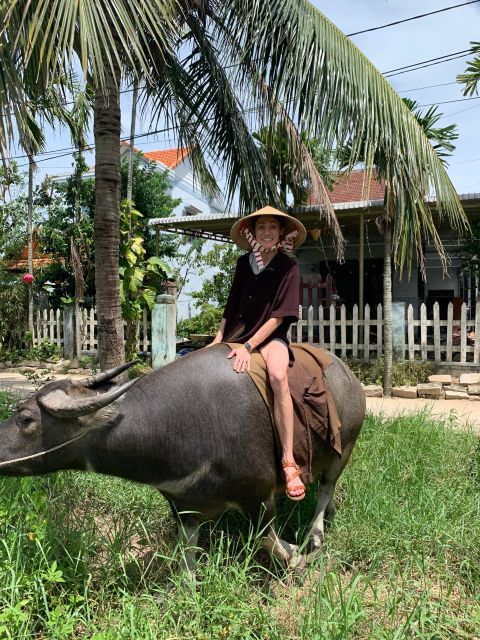
After you’ve learned the growing side, the tour flips into movement. You’ll get to ride a water buffalo, which is both scenic and genuinely memorable. The animals look calm, but you should still approach it with respect—hold on, keep your balance, and enjoy the fact that this is part of local farm life rather than a staged photo moment.
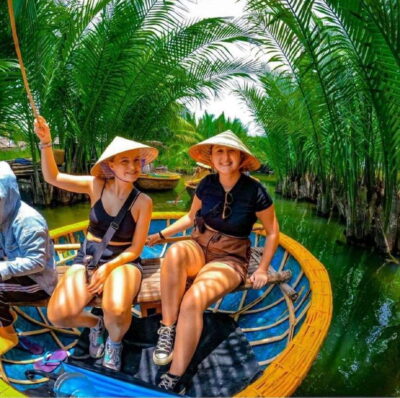
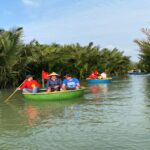
Then comes the basket boat. You’ll row a basket boat between coconut palm trees, drifting in a way that feels slower than the rest of the day. It’s a nice contrast: earlier you’re working in the soil; now you’re gliding through the water with palms overhead. Even if you’ve done boat rides before, this feels more connected to the local setting.
If you don’t like animal experiences, tell yourself this is a farm-based activity included in the day’s story. It’s not random entertainment bolted on at the end.
Lunch at Tra Que Water Wheel: cook your meal, taste the herbs
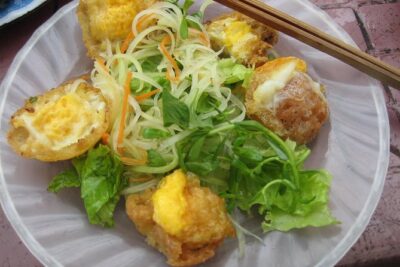
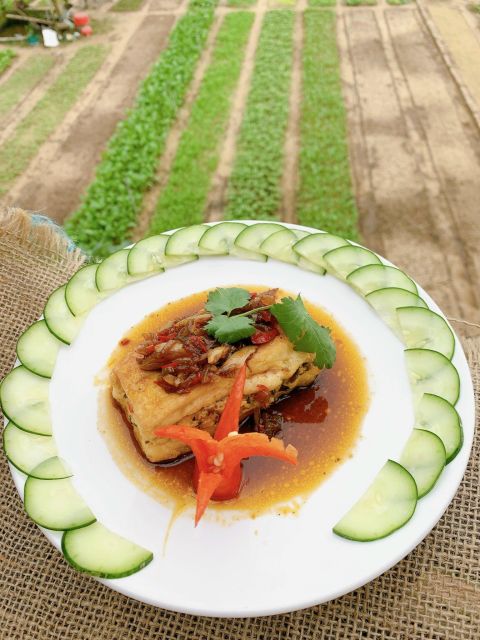
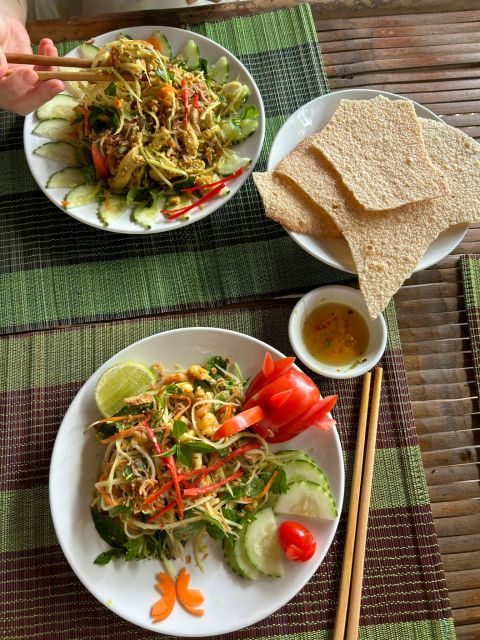
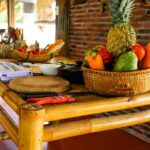
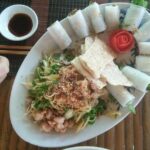
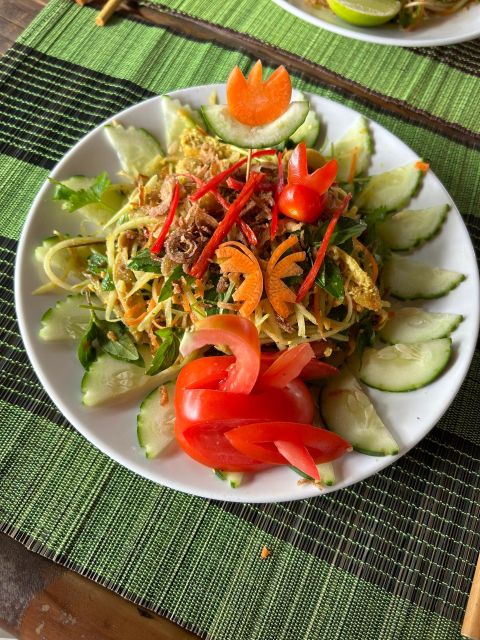
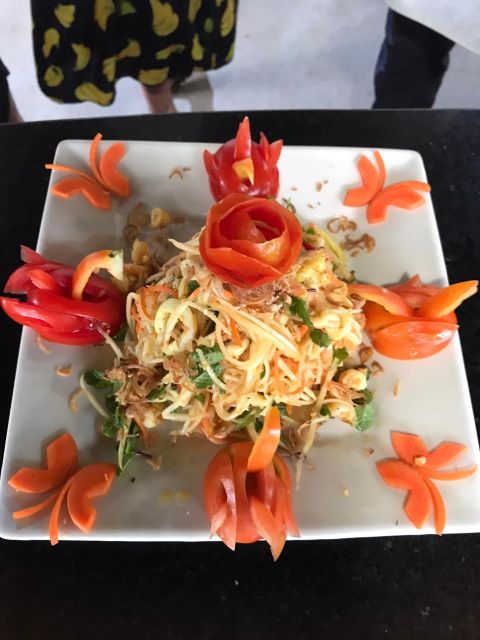
After all that working and riding, you’ll follow the local chef and family member from Tra Que Water Wheel restaurant. The lunch format is one of the best parts of the day: it’s a lunch menu where you cook as part of the process. That means you’ll spend time learning how local ingredients come together, not just eating them.
I really like this approach because it closes the loop. Earlier you were picking herbs and thinking about traditional spices. Now you’re turning those herbs into food on your own plate—guided by someone who knows what works.
Food is also where the experience gets personal. The tour is set up to care about your wishes and allergies, and there’s a specific example of how that works: an extra dish without coriander was prepared for someone who needed it. That’s a good sign if you’re sensitive to strong herbs or want to avoid certain flavors.



Price and value: why $41 makes sense here
At about $41 per person, this tour feels like fair value for what you actually get. You’re not paying for a single activity. You’re paying for a full sequence: pickup and a countryside ride, an eco-tour through herb farming, hands-on tasks with traditional methods, animal and water activities, and a lunch menu you help cook.
That combination is what makes the price easier to accept. Lots of tours in Central Vietnam are either mostly sightseeing or mostly food. This one ties farming and cuisine together, so you walk away understanding why the lunch tastes the way it does.
There’s also value in the group experience. The day is guided by an English-speaking team and built around interaction. Based on what people describe afterward, the friendly atmosphere is part of the payoff, not an afterthought.
Practical logistics you should plan for
Pickup is from your hotel, and you can choose bicycle, motorbike, or car. If you choose car pickup, you should know that you’ll take a private taxi back to town rather than cycling back in the same way.
Also, plan to get a little dirty and a little tired. You’ll be doing farm work like raking and sowing, so wear clothes you don’t mind getting dusty. Bring sunscreen, and consider insect spray if you’re sensitive to bugs.
This tour is in English, and the included welcome drink is a small comfort after your ride and before the farm work starts.
Who should book this Tra Que farm day
This is a strong match if you want:
- Real farm activities (not just a photo stop)
- A hands-on herb-and-food connection
- A mix of calm countryside walking, working, and playful add-ons like buffalo and basket boat
It’s also good for people who enjoy learning through doing. If you like to ask questions and follow a process—soil to harvest to lunch—you’ll get more out of it.
If you’re looking for a totally relaxed day with minimal physical effort, you might prefer a lighter cultural tour. This one asks you to participate.
Should you book Farming with Farmers at Tra Que?
Yes, if you want an authentic day in Hoi An’s farming belt and you don’t mind getting involved. The strongest reasons to book are the herb village itself, the practical farming tasks (including seaweed fertilizing and traditional tools), and the meal that connects everything you learned.
If you’re sensitive to animals, dislike physical activity, or want mostly indoor sightseeing, consider skipping it. But for most people who come to Vietnam wanting more than checklists, this tour hits the sweet spot: hands-on work, real local food, and countryside experiences that feel connected.
FAQ
How do I get from my hotel to Tra Que?
You’ll be picked up at your hotel by bicycle, motorbike, or car, according to your preference, and you’ll travel with an English-speaking guide.
Is the bike ride included, and how long is it?
Yes. If you choose to cycle, the tour includes about a 20-minute ride through the ricefields.
What farming activities will I do?
You’ll help with farm tasks such as preparing the land, fertilizing with seaweed, raking the ground with traditional tools, sowing seeds, watering young plants, and picking herbs for lunch.
Do I ride a water buffalo and row a basket boat?
Yes. The experience includes both a water buffalo ride and basket boat rowing between coconut palm trees.
Is lunch included, and do I cook?
Lunch is included. You’ll follow the local chef and family member, and you’ll cook as part of the lunch process using a lunch menu.
Can the tour accommodate allergies?
The tour says it cares about wishes and allergies, and an example includes an extra dish made without coriander.