REVIEW · HOI AN
Hoi An Street Food Walking Tour with Tastings
Book on Viator →Operated by Hoi An Food Tour - Private Day Tours · Bookable on Viator
A few hours of street food can change your whole trip. This Hoi An tour blends off-the-beaten-path walking with bite-size tastings and local-life stories, so you see more than just the usual photo stops. I like that you get drink and dinner included, not a token sample, and I like that the guide’s job is to translate street food into something you can confidently order on your own later.
The main thing to consider is timing and appetite: this tour starts at 3:00 pm, so if you eat a heavy lunch, you’ll feel it by the time dinner rolls around. Also, it runs best in decent weather, so bring a light rain layer just in case.
In This Review
- Key things that make this Hoi An street-food tour worth your time
- Three PM in Hoi An: the timing that makes you hungry (in a good way)
- Where to meet: White Rose Restaurant and how the tour flows
- The guides: local stories you can use, not trivia you forget
- The tastings that teach you how to order like a local
- Dumplings, banh mi, and sesame sweets: what each stop is really about
- Drinks, pacing, and how to avoid the most common mistake
- Price and value: is $35 really fair for Vietnam street food?
- Smart casual, rain, and what to bring for a 4-hour walk
- Who should book this tour, and who might skip it
- Should you book it?
- FAQ
- What time does the tour start?
- Where do I meet for the tour?
- Is pickup or drop-off included?
- How big is the group?
- What’s included in the price?
- Can I request a vegetarian option?
- Are there any dietary accommodations?
- What if the weather is bad?
Key things that make this Hoi An street-food tour worth your time
- 3:00 pm start in the sweet spot: late afternoon energy without the harsh mid-day heat.
- Small group size (max 12): you’re easier to manage at busy stalls and crossing points.
- Tastings plus real meal pacing: food keeps coming, not just a couple of bites.
- Local-life storytelling: you learn the who and why behind dishes, not just the what.
- Drink included, dinner included: better value for your $35 than casual stop-and-go eating.
- Vegetarian option available: tell the team ahead of time for smoother choices.
Three PM in Hoi An: the timing that makes you hungry (in a good way)
Hoi An after lunch is when the town starts to feel alive in a relaxed way. A 3:00 pm start fits perfectly with that mood: you get street scenes, calmer lanes for walking, and enough time to eat without rushing your evening plans.
You’ll also be walking for about 4 hours, which is a sweet length for most people. It’s long enough to hit multiple areas of town and several tastes, but not so long that you’re dragging by the end.
If you want this tour to land at full strength, plan your food day like this: go lighter earlier in the day. Many people suggest a very light breakfast and skipping lunch (or keeping it small). You’ll thank yourself when dinner is included.
You can also read our reviews of more walking tours in Hoi An


Where to meet: White Rose Restaurant and how the tour flows
You meet at White Rose Restaurant, 533 Đ. Hai Bà Trưng, Phường Cẩm Phổ, Hội An, Quảng Nam, Vietnam. The tour ends back at the meeting point, so you’re not left solving transport at night.
You’ll typically start with the guide gathering the group, then move into the narrow lanes and calmer side streets where street food is part of everyday life. The pacing is set for tasting, not sightseeing marathons. The group stays small (up to 12), which matters in Hoi An because you’ll be weaving around other pedestrians and scooters.
One practical win: because this is a guided walk, you don’t have to guess which stall is good, what something costs, or whether it’s safe for you to eat. The guide helps you learn how to read the situation fast.
The guides: local stories you can use, not trivia you forget
What really makes this tour work is the guide’s translation of food into culture. Great guides in this format don’t just name dishes—they explain the people behind them and how families and small businesses keep traditions going.
Guides with names like Jackie, Andy, Emma, Quinn/Quin, Nancy (also listed as Vi), and Kim show up in guest experiences for a reason: they’re praised for strong English, clear explanations, and an interactive style. Expect things like:
- why a dish is made a certain way
- what to look for when you order
- quick tips that make your next meal easier
Even if you’ve visited Hoi An before, this kind of guide-led context helps you see the town differently. You stop treating street food as random snacks and start treating it as local know-how.
The tastings that teach you how to order like a local
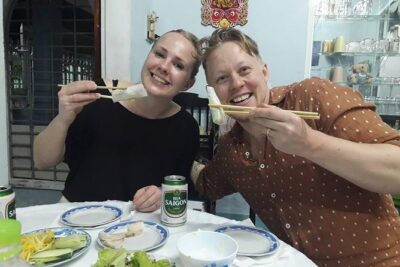
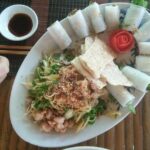
This tour is built around food tastings that walk you through different styles—savory, crunchy, comforting, and sweet. You’ll also get drink included, and the experience includes dinner, so you’re not just collecting samples.
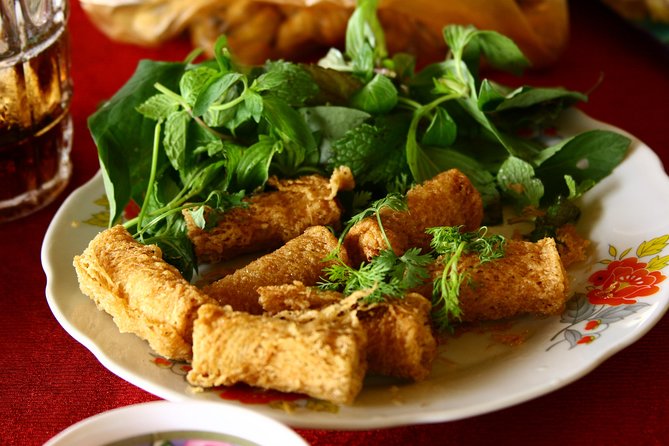
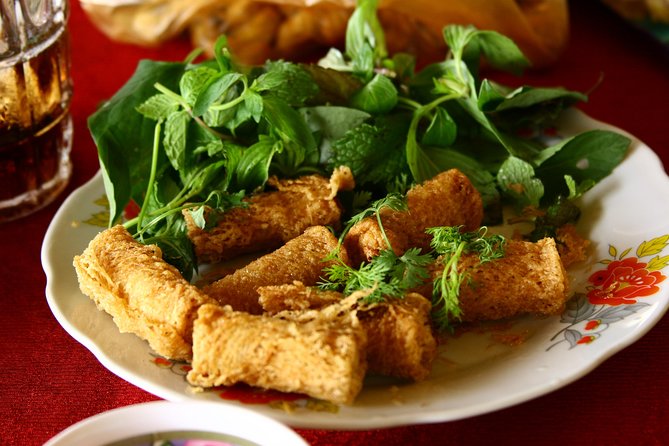
From the dishes people highlight, you can reasonably expect the tour to focus on classic Hoi An favorites and some less-obvious variations. Examples include:
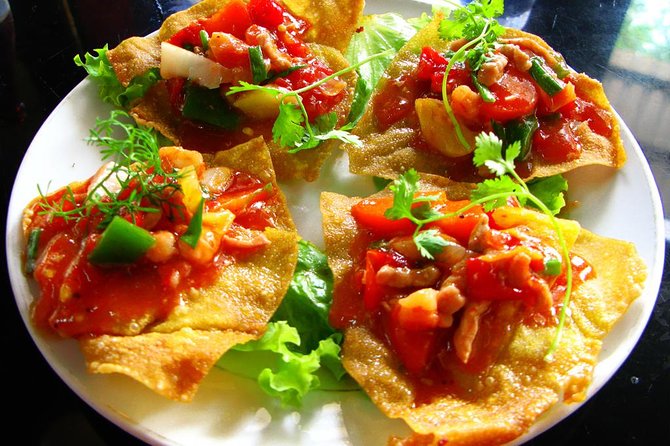
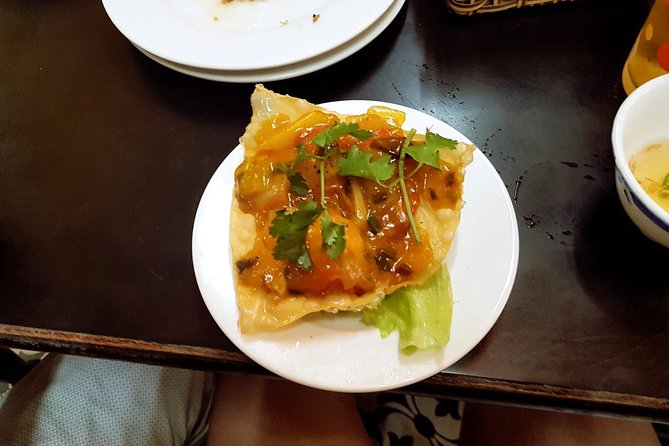
- White rose dumplings (from a stop where you can watch or learn about how they’re made)
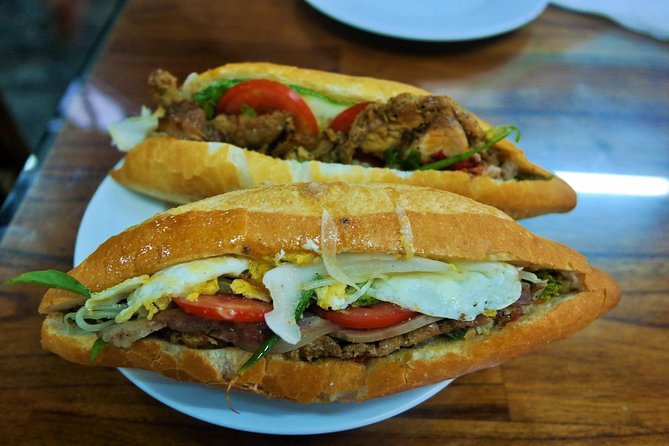
- Banh mi, including versions that come from long-running local production
- Black sesame sweet soup, a dessert that tastes simple until you experience the real thing
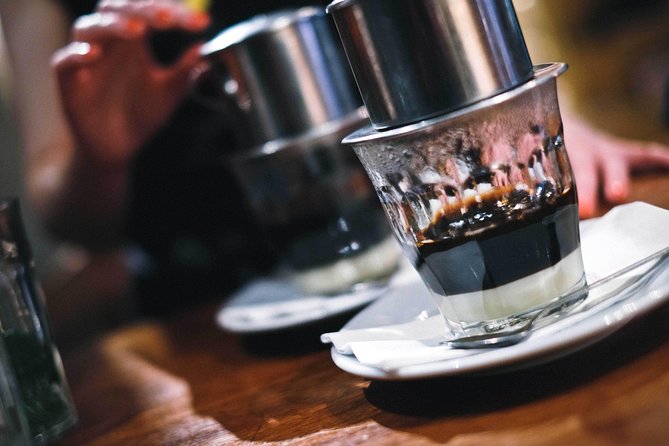
- finishing touches that can include cold coffee at the end of the walk
You’re also likely to be taken to places that are hard to find on your own—narrow lanes, small shops, and even situations where a family’s cooking or hospitality becomes part of the experience. That’s a big part of the value: you’re not just paying for food. You’re paying for access and guidance.
Dumplings, banh mi, and sesame sweets: what each stop is really about
Let’s talk about the stops in a way that helps you picture the experience.
The white rose dumpling moment
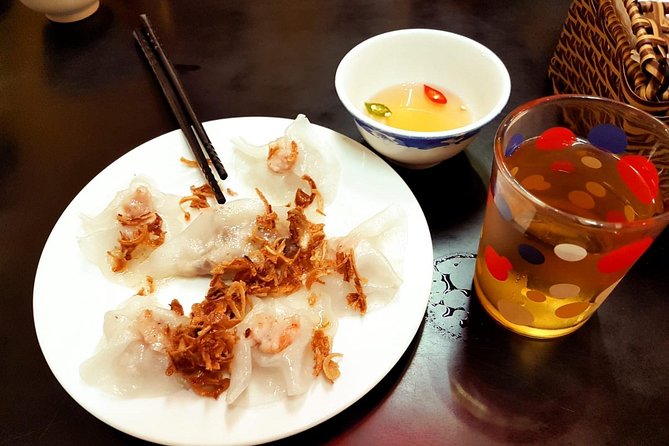
This is one of the most memorable categories for people. Those delicate dumplings aren’t just food—they’re a skill and a tradition. When a guide helps you understand what goes into them and why they’re beloved, you get more than a bite. You learn how to spot quality when you order on your own later.
The banh mi connection
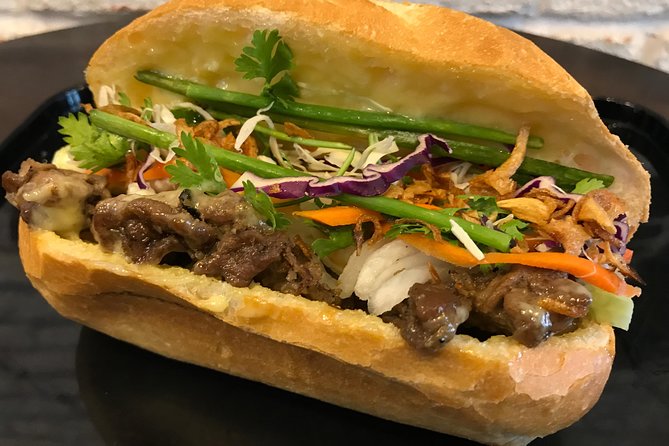
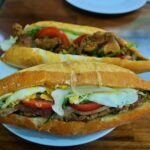
Hoi An’s banh mi scene can look similar on the street until you taste. A good guide explains what makes a banh mi worth buying—bread style, filling balance, and how vendors keep flavors consistent. People also mention stops tied to long-established production, which adds meaning to what you eat.
The black sesame sweet stop
This one shifts gears from savory street food to something comforting and dessert-like. Black sesame sweet soup is a classic regional texture and flavor, and it’s often a turning point where your appetite catches up with the tour. If you tend to prefer less-sweet desserts, you can still find this one interesting because it’s not about sugar alone—it’s about the taste and feel of the sesame.
The dinner portion
Because dinner is included, you don’t have to keep checking your own hunger level. This is one of the reasons the tour can feel like better value than you’d expect. You’re essentially buying a full meal structure plus guidance—walking, tasting, then eating a proper end course.
A note: some versions of the experience may include extra interactions like meeting a household contact or seeing cooking by locals. The common thread is access and context, not a single fixed checklist.
You can also read our reviews of more food & drink experiences in Hoi An




Drinks, pacing, and how to avoid the most common mistake
You’ll get a drink included, and you’ll also have multiple eating points spaced out during the walk. That pacing is meant to keep you from getting overwhelmed—though if you show up already stuffed, the later stops won’t be fun.
The simplest advice is to arrive hungry enough to enjoy things, not starving. If you follow the common tip of eating lightly earlier in the day, you’ll hit the tour sweet spot: you’re satisfied by taste, not by volume, and dinner still feels great instead of forced.
Walking pace is generally described as easy enough for most people, and the group stays small. You’ll be moving through both lively and quieter lanes, which makes this a good way to get a feel for Hoi An’s layout. The end back at the meeting point also keeps logistics stress low.
Price and value: is $35 really fair for Vietnam street food?
Street food in Vietnam can be shockingly cheap when you do it on your own. So why does this cost $35 per person?
Here’s the honest breakdown of what you’re paying for:
- A guide who knows which stalls and family kitchens are worth your time
- Multiple tastings that add up to more than a couple of bites
- Drink and dinner included, meaning your food budget is already handled
- Access to places you might not find if you wander without local guidance
- A structured route, including safer crossing support at busy points
Most people feel this is good value because it ends up being a lot of food and a lot of help. Still, there’s one caution: if you’re the type who only wants one dish and you’re splitting with picky eaters, the tour can feel pricey. That’s the scenario behind a more critical comment you might see from time to time.
My rule of thumb: if you like eating different things and want someone to handle the hard parts of ordering and finding, it’s a strong deal. If you want a slow, do-it-yourself meal and don’t care about guidance, you might prefer buying street food individually.
Smart casual, rain, and what to bring for a 4-hour walk
The dress code is smart casual. In practice, that means comfortable shoes matter more than anything. You’ll be on foot for hours, and the terrain in old-town lanes can be uneven.
Because the experience depends on good weather, plan for rain. You may not want heavy formal layers, but a light rain jacket and a small umbrella (if you like it) are smart. If you’re going in the rainy season, expect conditions can change quickly.
Also consider this: you’ll eat. Bring a small bag for wipes, and if you’re sensitive to spice, tell the guide. Dietary needs can be handled, and there’s a vegetarian option if you request it at booking.
Who should book this tour, and who might skip it
This tour is a great fit if you:
- want to try a range of Hoi An street foods without guessing
- enjoy learning how local food culture works
- like guided walking in a small group (max 12)
- want a simple plan for drink and dinner included
- need a vegetarian-friendly route (request it)
You might skip it if:
- you don’t like walking or you’re not comfortable eating a lot over a few hours
- you want complete control over every dish and don’t care about guidance
- you’re arriving right after a big meal and don’t plan to adjust your earlier eating
If you’re in Hoi An for the first time, this is one of the fastest ways to get your bearings—food helps you learn the town’s rhythm.
Should you book it?
Yes, I’d book it if you like tasting menus in real life. The combination of multiple tastings, plus drink and dinner, plus a guide who can explain what you’re eating makes the $35 feel reasonable. You’re buying time, access, and local context, not just food.
If you’re unsure, decide based on appetite and style:
- Hungry and curious? Book it.
- Prefer slow solo eating with no structure? Consider doing street food on your own.
Either way, show up at 3:00 pm with a lighter stomach than you think you need. That’s the move that turns a good tour into a memorable one.
FAQ
What time does the tour start?
The tour starts at 3:00 pm and lasts about 4 hours.
Where do I meet for the tour?
Meet at White Rose Restaurant, 533 Đ. Hai Bà Trưng, Phường Cẩm Phổ, Hội An, Quảng Nam, Vietnam.
Is pickup or drop-off included?
No. There is no pick up and drop off service. The tour ends back at the meeting point.
How big is the group?
The tour has a maximum of 12 travelers, keeping it small.
What’s included in the price?
Food tastings, a drink, dinner, and a guide are included.
Can I request a vegetarian option?
Yes. A vegetarian option is available—request it at booking.
Are there any dietary accommodations?
You can advise specific dietary requirements at the time of booking so the team can prepare for you.
What if the weather is bad?
The experience requires good weather. If it’s canceled due to poor weather, you’ll be offered a different date or a full refund.