REVIEW · HOI AN
Vietnamese Cooking Class in Historical Hoi An Restaurant
Book on Viator →Operated by Green Mango · Bookable on Viator
Five courses, one unforgettable cooking lesson. In Hoi An, this Vietnamese cooking class happens in a heritage-listed cooking school building that’s about 180 years old, right in the ancient town. You’ll learn ingredients, technique, and the cultural logic behind Vietnamese flavors, then sit down for a meal made by you.
I especially like that the experience is built around five themed five-course menus, so you can match your mood and curiosity. I also like the practical take-home part: you get a digital recipe book emailed after the class, plus you eat a sit-down dinner featuring what you cooked.
One consideration: the pace can feel fast. A few people note it can be pretty “chop-chop,” so if you like extra explanation while you cook, come prepared to ask questions.
In This Review
- Key things I’d plan for in advance
- Where You Start in Ancient Hoi An: Green Mango Meeting Point
- 180 Years of Walls and a Modern Chef: The Setting and Team
- Choosing Your Five-Course Menu: Essentials, Street Eats, Hanoi Streets, and More
- The Class Flow in Real Life: Ingredients, Techniques, and Cooking Without Guesswork
- Pace: fast, but focused
- The home-kitchen angle
- Optional Market Time: When a Local Market Tour Helps You Cook Later
- Dinner Is Included: Eat What You Cook, Sit Down, and Actually Taste
- Price and Value: What $33 Gets You (and Why It Feels Fair)
- Who This Cooking Class Suits Best (and Who Might Find It Too Fast)
- When it might not fit
- Quick Practical Tips Before You Go
- Should You Book This Vietnamese Cooking Class in Hoi An?
- FAQ
- How long is the Vietnamese cooking class in Hoi An?
- Where do I meet for the class?
- What food is included?
- Are there different menus to choose from?
- Is a market tour included?
- Is alcohol included with dinner?
- Is this class private?
- What happens if the weather is bad?
- Is there free cancellation?
Key things I’d plan for in advance
- Five-course menus with options: The Essentials (default), Balancing Act, Street Eats, Hanoi Streets, and Veggie Eats.
- A 180-year-old heritage building setting: You learn and cook inside the cooking school in the heart of old town.
- Chef-driven approach to tradition: Head Chef Hai Nguyen is known across Vietnam for a modern, creative take on classic dishes.
- A real sit-down meal included: You don’t just snack and run; you dine on what you helped prepare.
- Optional local market visit: If you want ingredient context, you can add it.
- Alcohol is extra: There’s a cocktail bar, but drinks are not included in the $33 price.
Where You Start in Ancient Hoi An: Green Mango Meeting Point
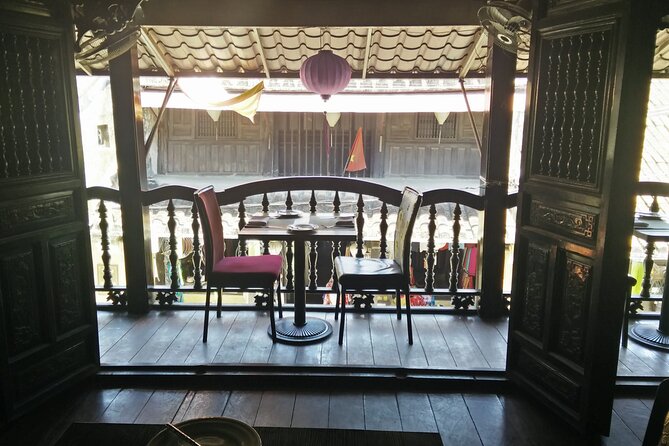
Most days begin at Green Mango Restaurant at 54 Nguyễn Thái Học, Phường, Hội An, Quảng Nam 563800. It’s also where the activity ends, so you’re not piecing together transport after class.
That “back at the meeting point” detail matters more than you’d think. In Hoi An, you’ll often walk past lantern-lit streets and busy lanes. Having the return end point already set means you can plan your next meal or stop at a shop without guessing how you’ll get there.
Time-wise, expect about 3 hours total. That’s a good length for a hands-on class. Long enough to learn and cook multiple dishes, short enough that you don’t feel trapped for your whole evening.
You can also read our reviews of more historical tours in Hoi An


180 Years of Walls and a Modern Chef: The Setting and Team
This cooking school is housed in a heritage-listed building that’s roughly 180 years old. The setting gives you something simple but valuable: a sense that you’re not just doing a hobby activity. You’re stepping into a place where Vietnamese cooking is treated like craft.
The team behind it also signals serious food focus. The Head Chef, Hai Nguyen, is described as renowned across Vietnam for a creative, modern approach to traditional dishes. That combination is ideal for most home cooks you: you want flavors that feel authentic, but you also want techniques you can repeat at home.
In some sessions, instructors are mentioned by name in feedback you can use as a clue for vibe. People have specifically called out instructors like Pinky, Que, and Jam as fun, engaging, and friendly. Since the class is taught by chefs/instructors who may rotate, the exact personality you get can vary, but the common thread is that the teaching style tends to be approachable.
Choosing Your Five-Course Menu: Essentials, Street Eats, Hanoi Streets, and More
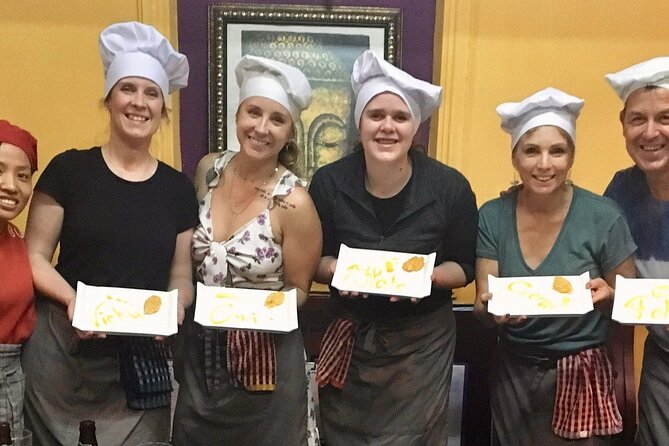
Here’s one of the smartest parts of this class: you can choose from five different five-course menus, each tied to a different aspect of Vietnamese cuisine and culture.
The menu options are:
- The Essentials (the default if you don’t choose)
- Balancing Act
- Street Eats
- Hanoi Streets
- Veggie Eats
Even if you’re not sure what you want, choosing a menu before you arrive helps you pay attention in the right places during class. Vietnamese cooking is often about how flavors are balanced and layered, not just the final dish. When you pick a theme, ingredient choices and technique tend to “make more sense” as you move from course to course.
If you’re new to Vietnamese food, The Essentials is the easiest entry point. If you’re a vegetarian or want to understand how Vietnamese cooking handles plant-based meals, Veggie Eats is the most direct path. Street Eats and Hanoi Streets are the options for you if you’re drawn to the flavors you see in different regions or street-style cooking approaches.
The Class Flow in Real Life: Ingredients, Techniques, and Cooking Without Guesswork
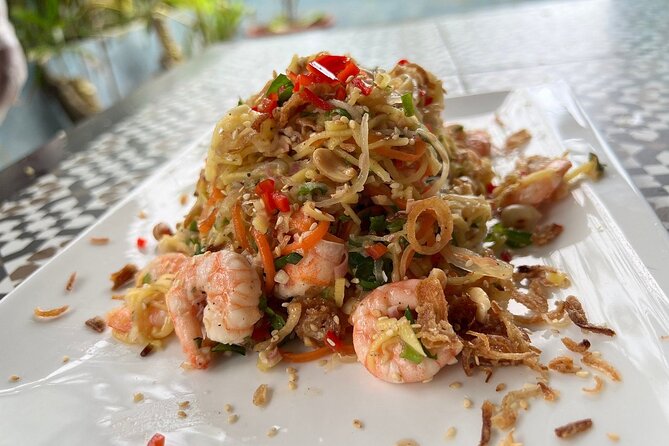
The class is taught as more than a recipe pass. You’ll learn about essential ingredients and why they matter in Vietnamese cuisine. That matters because Vietnamese cooking often relies on ingredients that aren’t just “seasonings.” They’re part of the structure: herbs, aromatics, sauces, acids, and the way textures are handled.
A typical class experience here looks like this:
- You start with the chef/instructor-led explanation and ingredient context.
- You cook through multiple courses, working step-by-step.
- You sit down and eat what you prepared.
- You leave with a digital recipe book emailed after the class.
What I like about this setup is that it turns the class into something you can actually reproduce later. If you only get recipes, you might recreate the dish. If you also get the ingredient logic, you can adjust when your local market doesn’t carry the same brand of fish sauce or herb.
Pace: fast, but focused
One caution from feedback: some sessions can feel brisk, described as very chop-chop. That doesn’t automatically mean it’s chaotic. It usually means you’re moving quickly through steps. If you’re the kind of cook who needs time to understand the why behind each move, you’ll want to slow it down by asking questions as you go.
You can also read our reviews of more cooking classes in Hoi An
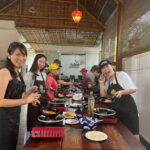


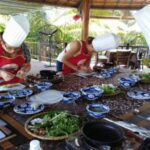
The home-kitchen angle
One of the promises is that you’ll learn not only traditional recipes, but also tips and tricks for preparing food back home. That is the difference between a good meal and a useful class. You’re paying for skills you can transfer: knife work, timing, seasoning adjustments, and how to build flavor without having perfect equipment.
Optional Market Time: When a Local Market Tour Helps You Cook Later
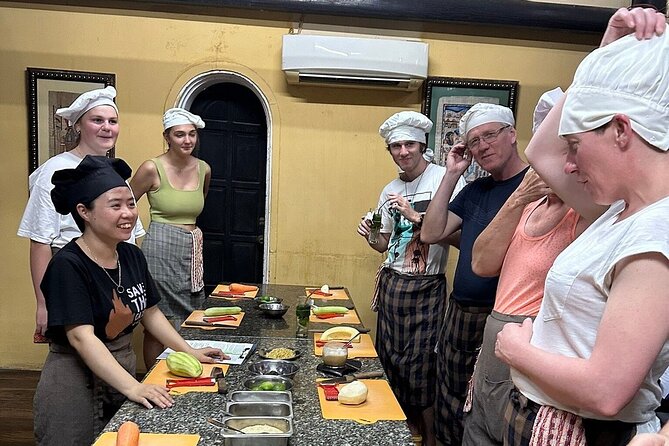
There’s an optional add-on: a visit to the local market. The market component is a strong choice if you want the “why” behind the shopping list.
Vietnamese cooking can look confusing if you’re used to Western menus where ingredients are listed like checkboxes. In this class, the market visit helps you connect what you bought with what you’ll cook. You’ll likely spend time getting oriented on essential items and how they show up in Vietnamese dishes.
That also makes your takeaway more useful. After class, if you remember how an ingredient was chosen or identified, you’ll make better swaps at home. And if you want to buy herbs or sauces that you’ll use more than once, seeing them in context can make that easier.
If you’re short on time, you can skip it. But if you’re the type who enjoys shopping when it teaches you something, market time is worth considering.
Dinner Is Included: Eat What You Cook, Sit Down, and Actually Taste
Dinner is part of the experience. After you cook, you get a sit-down meal where you enjoy the dishes you prepared.
This is a big deal for two reasons:
- You get immediate feedback on flavor and texture, while the steps are still fresh.
- You stop the class from becoming just a production line.
A lot of cooking classes teach you, but they don’t let you truly taste. Here, the included meal turns the work into something satisfying. You can also watch how your own version compares to what you were instructed—without needing to guess.
If you’re someone who likes to document your learning, this dinner is also your practical “taste test” moment. You can notice which herb hit brightest, where you needed more acid, or how the balance landed.
Price and Value: What $33 Gets You (and Why It Feels Fair)
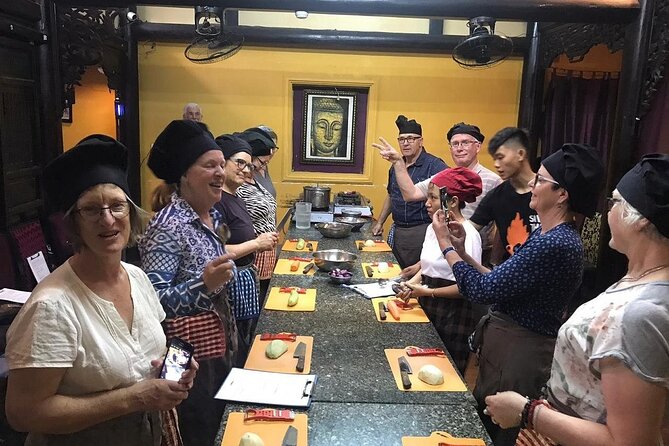
At $33 per person, this class sits in the midrange for hands-on cooking in Hoi An. The real value isn’t just that you get food. It’s what’s included and how structured it is.
Here’s what you’re getting for the price:
- A group cooking class for about 3 hours
- A sit-down dinner included
- A digital recipe book emailed after class
The digital recipe book matters because it extends the value beyond the evening. If you actually plan to cook at home (even occasionally), it turns the class into a reference you can use later. Without that, you’re stuck with a memory and maybe a vague sense of what went where.
Also consider what isn’t included: alcoholic beverages. The cocktail bar is open, with drinks listed from 40,000vnd to 200,000vnd, but you’ll pay separately. That’s normal, but it’s worth budgeting if you like pairing drinks with dinner.
There are also mentions of group discounts and mobile tickets. Those don’t change the cooking quality, but they can make the logistics smoother and the overall deal better if you’re coming with others.
Who This Cooking Class Suits Best (and Who Might Find It Too Fast)
I think this class is a strong match if you:
- Want a hands-on Vietnamese food experience in Hoi An
- Are curious about ingredients and how they work together
- Prefer to leave with a recipe resource, not just photos
- Like themed menus and want to choose the direction that fits you
It’s also a good option if you’re traveling in a group, since the setup is described as private for only your group. That often makes it easier to ask questions and keep attention where it should be.
When it might not fit
If you’re very sensitive to pace, keep the “chop-chop” note in mind. You can still enjoy the class, but you’ll want to ask for clarification instead of assuming you’ll slow down automatically.
If you want a long, sit-and-watch style lesson, this is more active. You’re cooking your way through multiple courses, and that’s part of the point.
Quick Practical Tips Before You Go
A few things that make the class easier and more useful:
- Decide your menu choice ahead of time if you care about a specific theme. The default is The Essentials.
- If you want a deeper ingredient story, consider the optional market add-on.
- Expect a modern-yet-traditional teaching style influenced by Head Chef Hai Nguyen’s approach.
- Come ready to cook. This isn’t a lecture tour where you just observe.
Should You Book This Vietnamese Cooking Class in Hoi An?
Yes, I’d book it if you want a well-structured class where you cook five courses, eat your results, and get a digital recipe book afterward. The combination of heritage setting, chef-led technique, themed menus, and an included sit-down meal makes this feel like more than a quick activity.
If you’re the kind of person who needs slow, detailed explanations every step, go in knowing the pace may be brisk. In that case, your best move is to ask questions early and often, especially around ingredient choices and why a method matters.
For most people, though, this is the kind of experience that sticks. You’ll likely leave with not just dishes you can name, but techniques and ingredient thinking that help you cook Vietnamese food with confidence back home.
FAQ
How long is the Vietnamese cooking class in Hoi An?
The class lasts about 3 hours.
Where do I meet for the class?
You start at Green Mango Restaurant, 54 Nguyễn Thái Học, Phường, Hội An, Quảng Nam 563800, Vietnam.
What food is included?
You’ll have dinner included. You also get a digital recipe book after the class.
Are there different menus to choose from?
Yes. There are five five-course menus: The Essentials, Balancing Act, Street Eats, Hanoi Streets, and Veggie Eats. The default is The Essentials.
Is a market tour included?
A visit to the local market is optional as an add-on.
Is alcohol included with dinner?
No. Alcoholic beverages are not included. There is a cocktail bar, and drinks are available for separate purchase.
Is this class private?
Yes. It’s described as private, with only your group participating.
What happens if the weather is bad?
The experience requires good weather. If it’s canceled due to poor weather, you’ll be offered a different date or a full refund.
Is there free cancellation?
Yes. You can cancel up to 24 hours in advance for a full refund. If you cancel less than 24 hours before the start time, the amount paid will not be refunded.