REVIEW · HOI AN
Hoi An Cooking Class(Market,BasketBoat Crabfishing&Cooking Class)
Book on Viator →Operated by Hoi An Eco Tours Discovery · Bookable on Viator
Crab fishing leads to dinner you can cook. This Hoi An experience strings together three parts that feel very different—market ingredient shopping, a bamboo basket boat on the canals, and a hands-on kitchen lesson—so you’re not stuck doing one thing all afternoon.
What I like most is the market start, where your guide helps you pick ingredients worth using (not just random “tourist produce”). Then in the kitchen you get small-group, hands-on instruction (listed as max 8 in the class, with the overall activity capped at 12), which means you’re not just watching someone cook.
The one drawback to keep in mind is that the non-cooking portions (especially the boat/crab-fishing time) may not match your picture of a long, scenic “coconut-forest day.” If you’re mainly here for technique and food, plan to treat the boat part as a fun add-on rather than the main course.
In This Review
- Key things to know before you go
- Price and Logistics: Does $28.81 feel fair?
- Morning vs Afternoon: How to choose the best time slot
- From Bebe Tailor to the Market: Ingredient picking that makes the cooking work
- Bamboo Basket Boat and Crab Fishing on the Nipa canals
- In the kitchen with Chef Tâm: the two-hour part that counts
- What you’ll likely cook
- How the class usually feels
- What you’ll eat: a meal that turns into a recipe memory
- The main trade-offs: where this tour can disappoint
- Boat and crab fishing can feel like the detour
- The market may feel light on explanations
- Menu learning can skew toward the chef’s style
- Watch for upselling dynamics
- Value check: who this tour fits best
- Should you book this Hoi An Cooking Class?
- FAQ
- FAQ
- How long is the Hoi An Cooking Class experience?
- Is hotel pickup included?
- Do you choose between a morning and afternoon tour?
- What will I cook during the class?
- Is bamboo basket boat and crab fishing included?
- How long is the cooking class itself?
- How big is the group?
- Will I get to eat what I cook?
- What if the weather is bad?
- Can I cancel and get a full refund?
Key things to know before you go
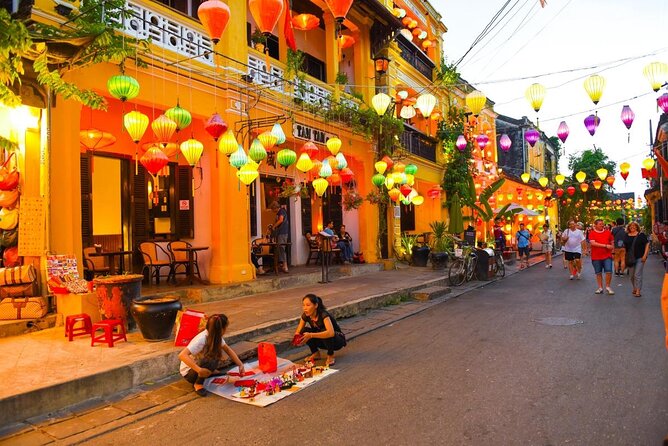
- Hotel pickup and a clear start point: pickup is offered from your hotel or the Bebe tailor meeting point.
- A market you can actually use: you choose ingredients for what you’ll cook later.
- Bamboo basket boat time on the canals: the day includes a boat ride through the Nipa palm/coconut-forest area.
- Crab fishing as a try-it-yourself activity: it’s part of the experience, even if the cooking payoff is limited.
- Two hours of cooking plus eating: you’ll make and then enjoy what you cook.
- A small kitchen group: class size is kept intimate, with personalization during the lesson.
Price and Logistics: Does $28.81 feel fair?
At about $28.81 per person, this tour is priced like a value play. In practice, you’re paying for more than a cooking class: the price also covers the market ingredient shopping, the boat/crab-fishing segment, transport, and roughly two hours of cooking followed by the meal you make. For Hoi An, that combination is hard to beat if you want a full half-day plan without springing for a private guide.
The day runs about 4 hours total (approx.). That timing matters in Hoi An, where you can easily burn an afternoon wandering Old Town and end up eating late. This is built to get you fed, and to get you fed with something you can actually cook again.
One more logistics point: you’ll use a mobile ticket, and confirmation happens at booking time. That makes last-minute schedule tweaks easier when you’re coordinating other activities in town.
If you’re the kind of traveler who likes tight structure, you’ll probably appreciate the flow: market, boat/crabs, then kitchen.
You can also read our reviews of more shopping tours in Hoi An

Morning vs Afternoon: How to choose the best time slot
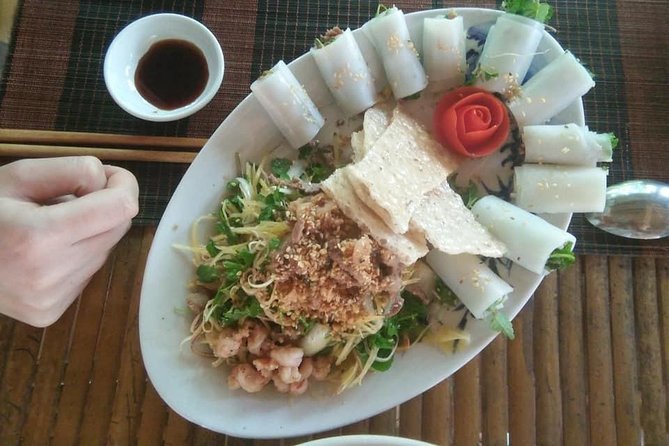
You can choose a morning or an afternoon tour. I’d pick based on two things: heat and how you want the day to end.
- Morning tours tend to feel smoother if you want cooler walking at the market and less sun during the canal segment.
- Afternoon tours can be great if you prefer a slower start and want your meal to land later in the day, after you’ve done other Old Town wandering.
Also, remember this is a “do-and-eat” format. If you choose a time when you’re already hungry but not rushed, you’ll enjoy the cooking lesson more. You’ll be cutting, mixing, and tasting—so arriving with an appetite (and no massive dinner plans right after) is the move.
From Bebe Tailor to the Market: Ingredient picking that makes the cooking work
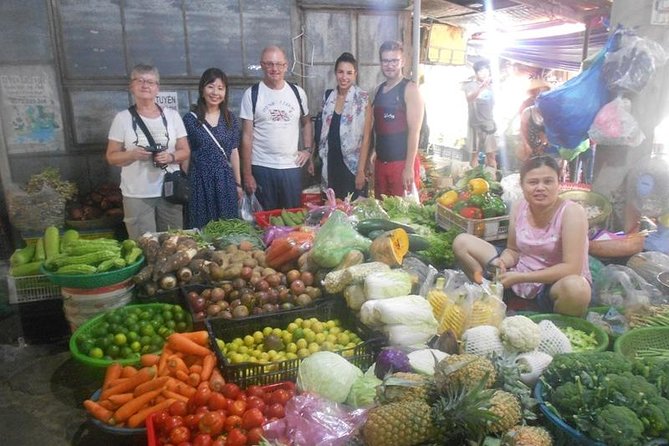
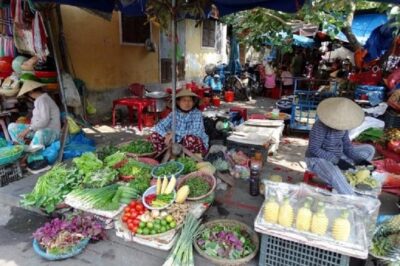
The day starts with pickup by local guides—either from your hotel or at the meeting point near Bebe tailor. Then you head straight to Hoi An’s market, where the guide becomes your translator and your quality-control system.
This is one of the smartest parts of the whole experience. Cooking classes that skip the ingredient context can turn into a demo: you follow steps, but you don’t really understand what you’re choosing or why it tastes right. Here, you’re shown how to buy good-quality ingredients for the recipes you’ll cook later.
What you’re really learning at the market is:
- how Vietnamese cooks think about flavor building (fresh herbs, balance of sour/sweet/salty)
- how to recognize ingredients before you buy
- how market sellers operate when you ask for specific produce
Your guide will help you communicate with traders. That’s not just convenient; it changes your confidence. Even if your Vietnamese is basic, you’ll be able to ask the kinds of questions that matter: what’s fresh, what’s suited for a dish, what to choose if something looks slightly different.
Bamboo Basket Boat and Crab Fishing on the Nipa canals
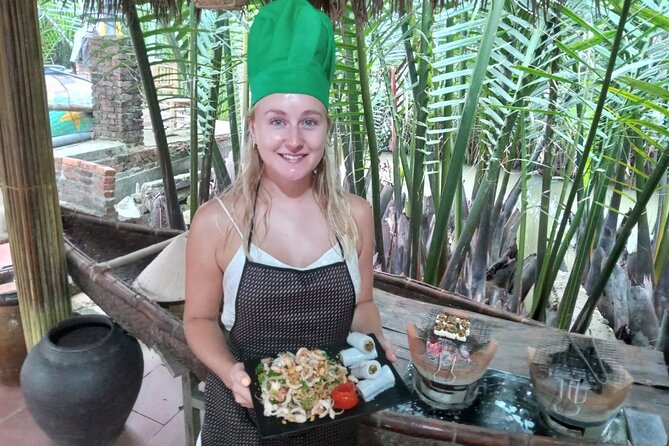
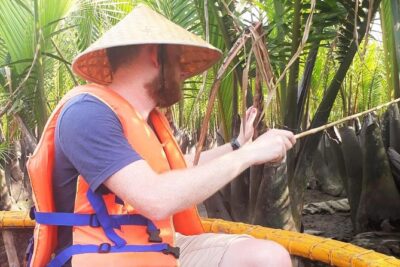
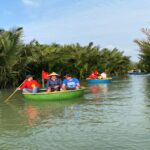
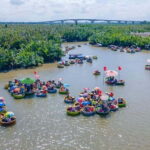
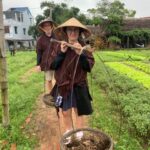
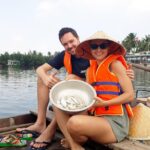
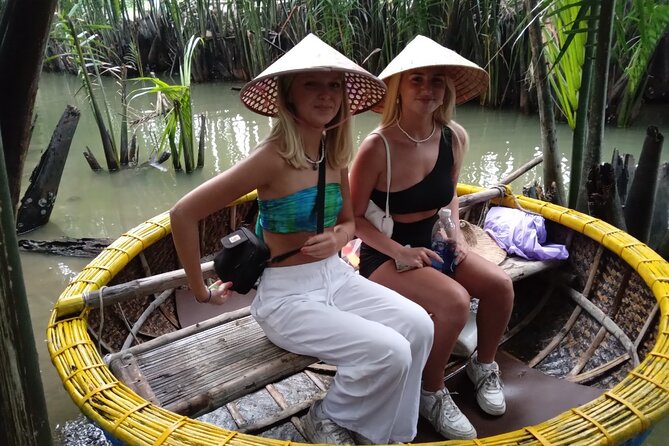
After the market, you move on to the bamboo basket boat experience along the canals in the Nipa palm/coconut forest area. The idea is simple: trade sidewalks for river scenery, and trade indoor cooking smells for fresh canal air.
Crab fishing is part of the experience. The tour framing is that you’ll try fishing the Vietnamese way with local fishermen. Practically, it’s more about participation than mastery. You’ll get the idea of how this kind of fishing fits daily life in the countryside.
Now, the important expectation-setting piece: this is where your experience can vary.
Some people love the boat segment as a genuine countryside moment. Others feel the boat ride and crab fishing are more “time filler” than the star of the show, or that the route they expected (including bamboo-forest views) doesn’t always match what they pictured from descriptions. A few also mention the boat portion felt short or less scenic than hoped.
So, go in with the right mindset:
- Treat the boat and crab fishing as a cultural activity you get to try.
- If your top priority is learning to cook well, focus your attention on the kitchen timing and instructions once you arrive.
Still, even when the boat segment isn’t perfect, it’s hard to beat the atmosphere of being on the water outside of Old Town. It’s one of those moments that makes the cooking feel real, not just academic.
In the kitchen with Chef Tâm: the two-hour part that counts
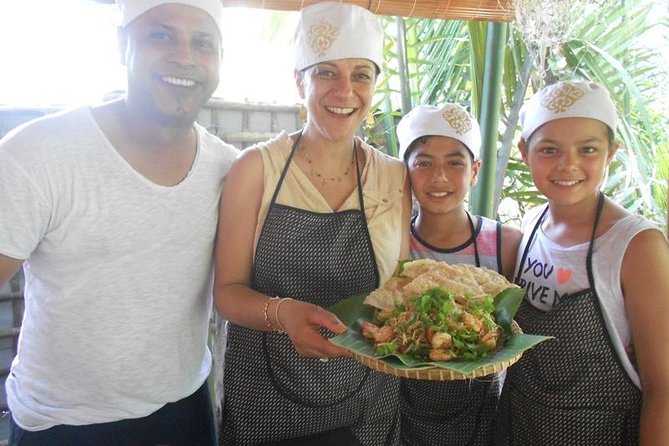
The day’s real payoff is the cooking. After the eco activities, you’ll be welcomed in a restaurant kitchen for about two hours with a chef.
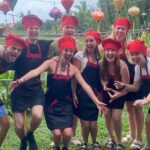
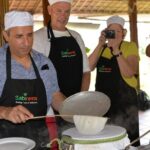
Chef Tâm comes up repeatedly in the experience—people talk about his experience and the way he guides the group. Even if you don’t get the exact same chef, the structure is similar: you’ll cook multiple dishes, in a hands-on way, and then you’ll eat what you made.
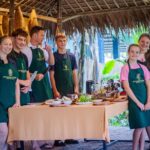
This is where the “small group” size pays off. With fewer people, a good chef can correct your knife cuts, show how sauces should look, and help you troubleshoot if something smells too strong or too sour.
You can also read our reviews of more tours and experiences in Hoi An
What you’ll likely cook
The menu is described as including classic Hoi An/Vietnamese flavors such as:
- spring rolls
- papaya salad
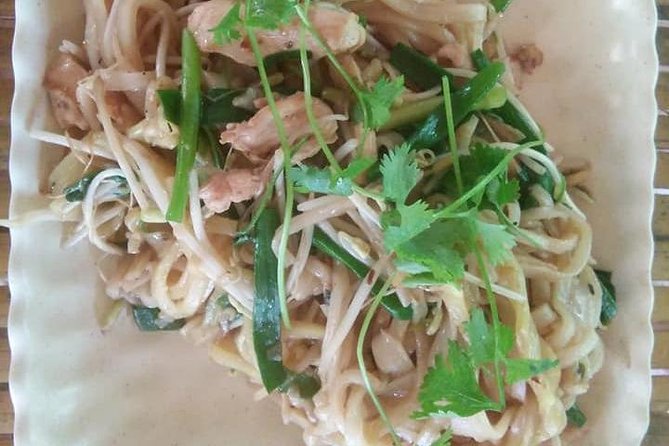
- chicken noodles
- and other dishes
In real-life menus, dishes can vary. Some participants mention things like Cao Lầu-style chicken noodles, charcoal eggplant, mushroom pancake, banana blossom salad, fried spring rolls, clay pot rice, and other traditional-style plates. The common theme is that the food is meant to be practical: you’re learning flavors and methods you can reproduce later.
How the class usually feels
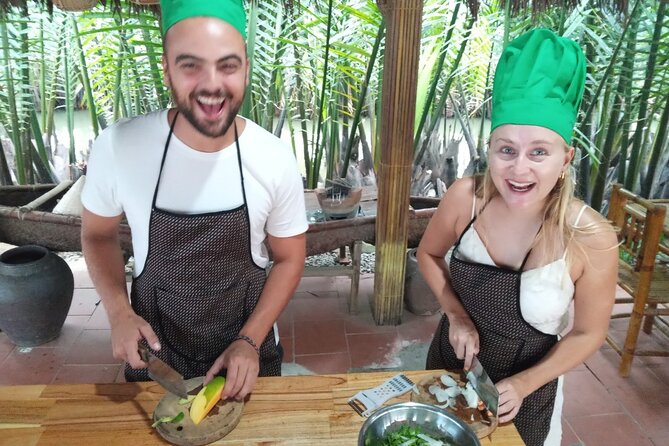
Many people say the chef makes sure everyone participates. That means you’re not just watching someone plate food nicely. You’re actively involved—slicing, mixing, rolling, and building sauces.
The biggest thing I’d encourage you to do during the class is pay attention to the “why,” not only the “how.” When the chef adjusts seasoning or explains how balance should taste (sweet, salty, sour, herb-forward), you’ll be able to recreate it at home without guessing.
What you’ll eat: a meal that turns into a recipe memory
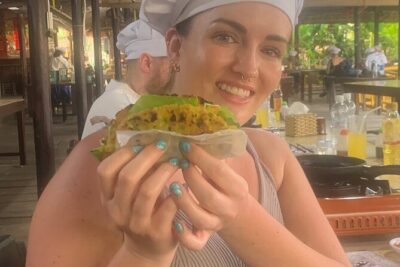
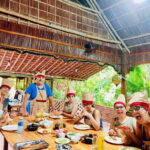
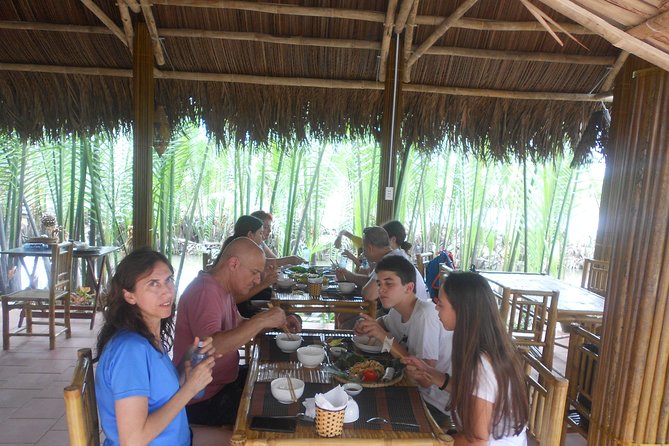
After cooking, you sit down and enjoy your creations. That sounds obvious, but it’s actually a big difference between an expensive cooking school and a budget “hands-on demo.”
When you eat what you made, you get an immediate feedback loop:
- If the spring roll tastes right, you’ll remember the texture and dipping flavor.
- If the papaya salad hits the sour-sweet balance, you’ll know what “done” tastes like.
- If a noodle dish tastes deeper than you expected, you’ll want to copy the base flavor next time.
Also, the amount of food is often a big part of why people rate this highly. Expect a meal that feels like you ate well, not like you nibbled a snack.
If you have dietary needs, the provided info doesn’t spell out specific accommodations. It’s worth asking in advance what can be adjusted, especially if you avoid meat or have allergies.
The main trade-offs: where this tour can disappoint
A cooking class can’t be judged only by its best moments. Here are the issues you should think about before booking.
Boat and crab fishing can feel like the detour
If you’re expecting the boat ride to be the highlight and the fishing to be meaningful for the cooking, you might feel a mismatch. Some people treat crab fishing as mostly entertainment, with limited culinary relevance. That doesn’t mean it’s bad—it just means you should align your expectations.
The market may feel light on explanations
The market visit is meant to teach you how to choose ingredients. But if you like deep background—how each herb is used, origin stories, and lots of teaching while you walk—you might find the market portion short on detail.
A good approach: go in curious. Ask your guide what you should smell or look for in herbs and what ingredient substitutes work if you can’t find the same produce at home.
Menu learning can skew toward the chef’s style
Some participants feel the dishes follow the chef’s instructions more than a slow lesson on what makes the dish traditional in every step. Others see it as exactly what a hands-on class should be—learn techniques and get delicious results.
You can manage this by focusing on skills:
- dough/rolling technique for spring rolls
- cutting and seasoning approach for papaya salad
- noodle flavoring and balance for chicken noodle dishes
Those are transferable, even if the chef’s particular recipe format isn’t the only way it’s done.
Watch for upselling dynamics
A small number of experiences mention pushy upselling at certain parts of the day. That’s not part of the core cooking promise, but it can affect your mood.
My practical advice: if you’re not interested, keep your answer simple and repeatable. You can still enjoy the cooking—just don’t let side conversations derail your timeline.
Value check: who this tour fits best
This Hoi An Cooking Class experience fits best if you want:
- a full half-day plan with structure
- a market-based start that helps your cooking make sense
- real hands-on time in the kitchen
- countryside scenery outside Old Town
- a small group dynamic so you can ask questions
It’s a strong fit for beginners who want confidence. It’s also a good fit for food lovers who want more than a meal—they want the flavor logic that makes Vietnamese dishes work.
It may be less satisfying if your #1 priority is a long, scenic, official bamboo-forest boat outing, or if you want a lecture-style traditional cooking deep dive before you touch a knife.
Should you book this Hoi An Cooking Class?
If you want the best chance of getting your money’s worth, I’d book when you’re clear on the trade-offs. This is a cooking-first experience with market and river activities attached.
Book it if:
- you’re hungry for a hands-on class and want to cook spring rolls, papaya salad, and noodle dishes
- you like small groups and direct help from a chef
- you want a market stop that changes how you shop for ingredients later
I’d hesitate if:
- you’re planning your whole trip around the boat as the main event
- you need extensive market explanations and step-by-step cultural history for every ingredient
- you strongly dislike any upselling interactions and don’t want to deal with it in the background
FAQ
FAQ
How long is the Hoi An Cooking Class experience?
It runs about 4 hours (approx.), including pickup, the market, the boat/crab-fishing activity, and the two-hour cooking class plus your meal.
Is hotel pickup included?
Pickup is offered. You’ll either be picked up from your hotel or meet at the Bebe tailor meeting point.
Do you choose between a morning and afternoon tour?
Yes. You can choose either a morning or an afternoon tour.
What will I cook during the class?
The class includes making dishes such as spring rolls, papaya salad, chicken noodles, and more. The exact menu can vary, but these are core examples.
Is bamboo basket boat and crab fishing included?
Yes. After the market, you’ll take a bamboo basket boat on the canal area and try crab fishing as part of the countryside activity.
How long is the cooking class itself?
The cooking lesson is about 2 hours.
How big is the group?
The cooking instruction is listed as a small-group class with a maximum of 8. The overall activity is listed as having a maximum of 12 travelers.
Will I get to eat what I cook?
Yes. After cooking, you eat your creations.
What if the weather is bad?
This experience requires good weather. If it’s canceled due to poor weather, you’ll be offered a different date or a full refund.
Can I cancel and get a full refund?
Yes. You can cancel up to 24 hours in advance for a full refund. If you cancel less than 24 hours before the start time, the amount paid won’t be refunded.