REVIEW · HOI AN
Hoi An Walking Tour
Book on Viator →Operated by Vacation Indochina Travel · Bookable on Viator
A few street corners in Hoi An carry big stories. This Hoi An walking tour ties together the famous Japanese Covered Bridge and the Phuc Kien (Fukian) Assembly Hall, with an English-speaking guide who helps you connect the dots between trade, faith, and town life. I especially like the way the tour keeps things moving but not rushed, and I like that you get practical extras like bottled water and fresh coconut water to stay comfortable.
I also like the human touch in the guide experience. In past trips, guides such as Nini, Huy, Jesmine, Dung, and Annie have been praised for staying organized, adapting on rainy days, and making the walk genuinely enjoyable (with humor included). One drawback to consider: this is focused on just a couple of landmarks, so if you’re craving lots of site-by-site depth at every stop, you may want to ask your guide for extra background as you go.
In This Review
- Key Highlights Worth Caring About
- Two Landmarks, One Understandable Story
- Start at 8:00: How Pickup and Transfers Actually Help
- Japanese Covered Bridge (Chua Cau): A Photo Stop With a Backstory
- Phuc Kien (Fukian) Assembly Hall: Thien Hau and Community Identity
- What the $69 Covers (and What It Means for Value)
- The Guide Factor: When Organization and Humor Hit the Right Note
- Timing and Pacing: How to Make a Short Tour Feel Complete
- Potential Drawbacks: What This Tour Won’t Try to Be
- Weather Matters in Hoi An (Plan for the Real World)
- Who This Tour Suits Best
- Should You Book This Hoi An Walking Tour?
- FAQ
- What time does the Hoi An walking tour start?
- How long is the tour?
- Is hotel pickup included?
- What stops are included?
- Are admission tickets included?
- What’s included in the tour price?
- What should I plan for since meals aren’t included?
Key Highlights Worth Caring About
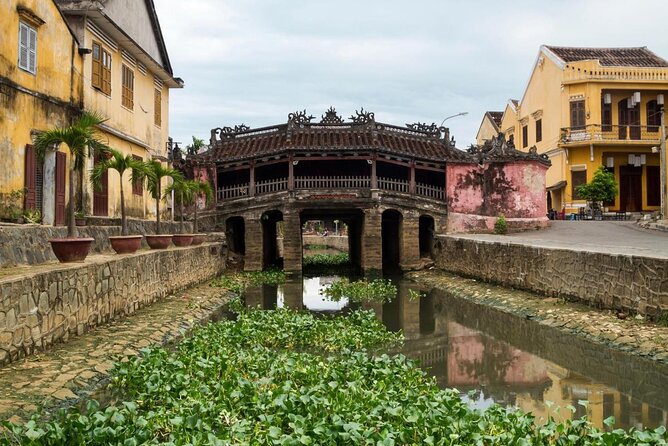
- Japanese Covered Bridge with clear cultural context: built by Japanese craftsmen linked to merchant life in Hoi An
- Phuc Kien (Fukian) Assembly Hall + Thien Hau: a sea-goddess shrine tied to community tradition
- Hotel pickup and return transfers: less time wrangling taxis, more time walking
- English-speaking guide and admission included: you’re not juggling entry fees mid-tour
- Small, private-group feel: only your group participates, so pacing can stay comfortable
Two Landmarks, One Understandable Story
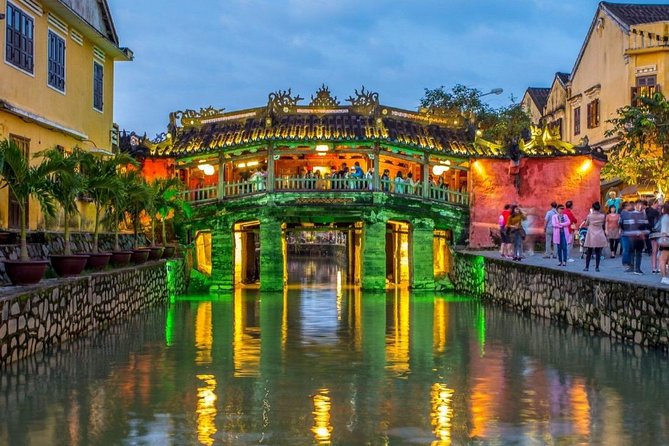
Hoi An can feel like a movie set when you first arrive. Old streets, old buildings, and postcard-ready sights everywhere. The trick is making sense of what you’re seeing. This tour helps you do that with two stops that point to two big themes: foreign merchant communities and shared religious life.
The schedule is simple: start around 8:00 am, then spend your time at the Japanese Covered Bridge and the Phuc Kien Assembly Hall. You’ll have guided time at each place, plus a bit of transfer time before and after. At around four hours total, it’s a good fit if you want something meaningful without burning your whole morning (or turning your feet into a souvenir).
You can also read our reviews of more walking tours in Hoi An



Start at 8:00: How Pickup and Transfers Actually Help
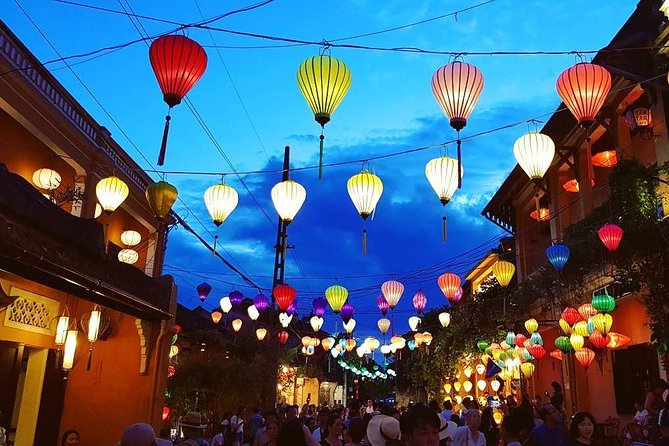
A “walking tour” sounds straightforward, but in Hoi An the difference between a smooth start and a scramble can be huge. Here, pickup is offered, and you also get car transfers from your hotel to the visit area and then back again after the tour.
Why that matters for you:
- You don’t spend your first hours negotiating transport.
- Your guide can use the early timing to set the tone and keep the pace calm.
- You’re more likely to enjoy the walking part instead of feeling like you’re always late.
Also, it’s described as near public transportation and aimed so that most travelers can participate. The tour is private, meaning it’s only your group. That’s a real quality-of-life upgrade if you don’t want to feel like you’re squeezed into someone else’s timeline.
Japanese Covered Bridge (Chua Cau): A Photo Stop With a Backstory
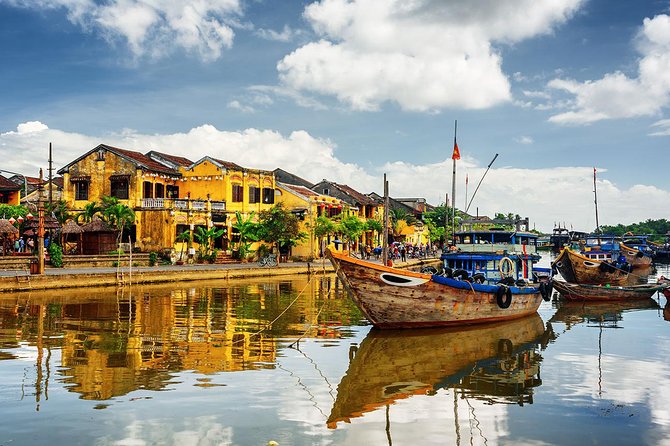
The Japanese Covered Bridge, often called the Pagoda Bridge (Chua Cau), is the kind of place you recognize instantly once you see it. It’s also a place where it’s easy to miss the point if you just snap photos and move on.
What makes this stop worth your time is the connection to the people who built it. The bridge was made by Japanese craftsmen who were part of a wider Japanese merchant community active in Hoi An. That tells you something important: Hoi An wasn’t only shaped by one group. It was shaped by waves of trade, migration, and contact.
On this tour, you’ll spend about 15 minutes here. Admission for this stop is free, which is a nice bonus. During your short time, listen closely to how your guide explains the bridge’s role and why it ended up where it did. When the guide is good (and the reviews strongly point to that), you’ll leave understanding that this isn’t just “a bridge you can walk through.” It’s a physical clue to how communities formed around commerce.
Practical note: this is a quick stop by design. If you want to linger for photos, you’ll need to do it efficiently, and the earlier you arrive, the easier it is.
Phuc Kien (Fukian) Assembly Hall: Thien Hau and Community Identity
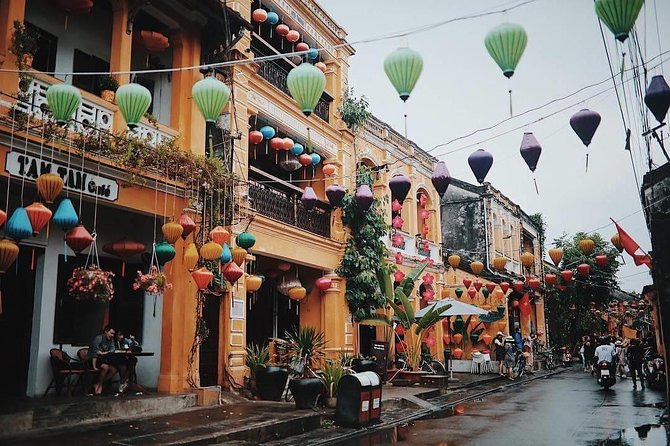
Your second stop is the Phuc Kien Assembly Hall at 46 Tran Phu St. This is dedicated to Thien Hau, the goddess of the sea. For many people, that detail alone is interesting. For your understanding of Hoi An, it’s more than a name on a plaque.
Here’s why this matters: when ships and trade are involved, sea protection becomes part of daily life and collective belief. Assembly halls like this one weren’t only places for worship; they were also social anchors. They helped immigrant communities keep traditions, support one another, and stay connected even as the economic world shifted.
You’ll spend around 30 minutes at this stop, and admission is included. That means you don’t need to budget extra money or stop to figure out tickets in the middle of your walk. This longer time compared to the bridge also signals the tour’s priorities: the guide wants you to grasp the meaning behind the architecture, symbols, and the Thien Hau dedication.
If it’s rainy or hot, this is the kind of stop that still feels worthwhile. Indoor or sheltered spaces tend to work better when the weather changes your comfort level.
What the $69 Covers (and What It Means for Value)
Let’s talk value. $69 for an approximately 4-hour private walking tour sounds either reasonable or steep depending on what’s included—and here the inclusions are the key.
Included:
- English-speaking guide
- Car transfer from your hotel to the visit area and back
- Bottled drinking water + fresh coconut water
- Admission fees for the stops
Not included:
- Meals
- Personal expenses
- Tips/gratuities
For you, the value shows up in the friction it removes. Transfers mean you’re not guessing transport options or losing tour time to logistics. Admission included means less financial mental math while you’re enjoying the experience. And the coconut water plus bottled water aren’t “extras” when it’s warm—those small comfort items can make the difference between a pleasant walk and a tired one.
One more value point: because it’s private (your group only), you’re not sharing the guide attention with strangers. That often leads to smoother questions and a pace that doesn’t feel constantly interrupted.





The Guide Factor: When Organization and Humor Hit the Right Note
A walking tour rises or falls on the guide. Based on the strongest signals from real experiences, guides such as Nini, Huy, Jesmine, Dung, and Annie are repeatedly praised for being organized and helpful—plus calm, professional, and funny in a way that makes the walk feel less like a lecture.
If you’re choosing this tour, go in expecting a person who can:
- explain what you’re seeing without making it sound like homework
- adjust when conditions change (rain shows up in Hoi An)
- recommend what to do next, so your day doesn’t end right when the tour ends
That said, there’s one fair caution. Some visitors wanted more history and depth at each stop rather than relying too much on on-site staff explanations. You can handle that by asking your guide for extra context on the spot. Simple questions like why the shrine matters, or how the merchant community shaped the town, can turn a good tour into a great one.
Timing and Pacing: How to Make a Short Tour Feel Complete
With only two major stops and a total of about four hours, the pacing is likely to feel focused rather than all-over-the-place. That’s a plus if you prefer quality over quantity. But it also means you’ll want to show up ready to pay attention.
A few practical tips that align with how this tour is set up:
- Go in with comfortable shoes. You’ll be doing a real walk, not a sit-and-watch tour.
- Eat before you go if you don’t want to think about meals during the tour. Meals aren’t included.
- Keep your phone charged for photos, but leave room for listening. These landmarks get better when you understand the meaning, not just the angles.
Also, consider your energy level. If you’ve got jet lag or you’re traveling with someone who tires easily, this kind of shorter schedule can be a smart way to see key sights without exhausting your day.
Potential Drawbacks: What This Tour Won’t Try to Be
This tour is tightly focused. If you’re expecting a long list of Hoi An highlights—markets, town houses, lantern streets at every corner—this likely won’t be that. The upside is that you won’t feel rushed through a dozen stops.
The main drawback to consider is depth expectations. One theme that comes up in feedback is the desire for more detailed on-the-spot explanation. The tour itself includes admissions and guide time, but the structure means you might only get so many layers per stop unless you ask for more detail.
So here’s the decision guide:
- If you want a clear, manageable introduction to two major cultural anchors, you’ll likely be happy.
- If you want maximum detail at every single site without needing to ask, you may want to plan extra independent time afterward or choose a more expansive itinerary.
Weather Matters in Hoi An (Plan for the Real World)
This tour requires good weather. That makes sense because walking is part of the experience. If weather turns, you may be offered another date or a full refund.
For your planning, treat this as a morning or daytime activity you can flex. Hoi An weather can shift fast, so being flexible is the safest strategy.
Who This Tour Suits Best
This is a strong match for:
- First-time visitors who want a clean introduction to Hoi An’s cultural mix
- Couples or small groups who prefer private pacing
- People who care about the “why” behind famous sights, not just the “where”
- Travelers who appreciate guide-led stories and practical comfort items like bottled water and coconut water
It may be less ideal if you:
- want a very large number of stops in a single tour block
- expect a deep lecture at every stop without needing questions
Should You Book This Hoi An Walking Tour?
If you like landmarks with meaning, not just landmarks with good angles, I think this one is a smart book. Two stops, about four hours, English guide, transfers, and admissions handled—this is built for convenience and comprehension. And the repeated praise for guides like Nini, Huy, Jesmine, Dung, and Annie suggests you’re not just buying access; you’re buying explanations and pacing that don’t feel stiff.
I’d skip it only if you’re looking for a wide-ranging checklist tour or you know you want lots of layered history for every stop with no back-and-forth. Otherwise, this is a good value way to connect two key pillars of Hoi An: the merchant-era Japanese influence and the sea-protecting faith centered on Thien Hau.
FAQ
What time does the Hoi An walking tour start?
It starts at 8:00 am.
How long is the tour?
The tour is listed as about 4 hours.
Is hotel pickup included?
Pickup is offered, and the tour includes car transfer from your hotel to the visit area and transfer back after the tour.
What stops are included?
You visit the Japanese Covered Bridge (Chua Cau) and the Phuc Kien (Fukian) Assembly Hall.
Are admission tickets included?
Yes. Admission fees are included, and the Japanese Covered Bridge stop is listed as free.
What’s included in the tour price?
The price includes an English-speaking guide, hotel transfers, bottled drinking water plus fresh coconut water, and admission fees.
What should I plan for since meals aren’t included?
Meals aren’t included, so it’s smart to eat before the tour or plan to get food after. You’ll also want to budget for personal expenses and tips/gratuities.