REVIEW · HOI AN
Exploring Vietnamese Coffee Culture, Coffee Making in Hoi An
Book on GetYourGuide →Operated by WITH LOCALS TOUR · Bookable on GetYourGuide
Vietnamese coffee tastes different after you brew it. This Hoi An class is interesting because you follow coffee from bean to cup, then make it yourself using the Phin filter and try Hanoi egg coffee. I really like that you leave with practical coffee skills, not just a drink and a story, though one thing to watch is the meeting spot, which can be different from what you expect.
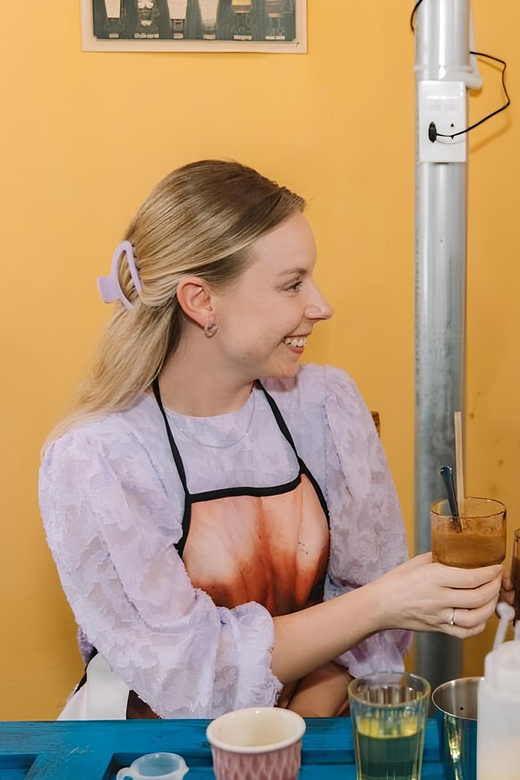
You start with a cup of special herbal tea, meet your local guide, and get into Vietnamese coffee culture with an English-speaking approach (also available in Vietnamese). The session stays friendly and hands-on, with small groups and a relaxed pace that makes it easy to ask questions as you go.
In This Review
- Key Points Worth Booking For
- Hoi An Coffee Culture Class That Teaches You to Brew, Not Just Sip
- Price and Time: What $20 Buys in a Two-Hour Workshop
- Your First Stop: Herbal Tea, Coffee Stories, and How Vietnamese Coffee Became Famous
- The Phin Filter: The Small Tool That Drives the Whole Brew
- Roasting, Strength, and Flavor: Why Vietnamese Coffee Tastes the Way It Does
- Two Styles of Vietnamese Coffee: Black Coffee and Hanoi Egg Coffee
- Black Coffee: learning the base first
- Hanoi Egg Coffee: where technique meets a creamy twist
- Cookie and Coffee: Timing Your Tastes Like a Local
- Small Groups and Local Guidance: What the Experience Feels Like
- Getting There and Planning Your Day in Hoi An
- Who Should Book This Workshop (and Who Might Skip It)
- Should You Book This Vietnamese Coffee Making Class in Hoi An?
- FAQ
- How long is the Vietnamese coffee workshop in Hoi An?
- What coffee styles will I make and taste?
- Is hotel pickup or drop-off included?
- What’s included in the price?
- What drinks are provided during the workshop?
- What languages is the live guide available in?
- Can I cancel for a full refund?
Key Points Worth Booking For
- Phin filter training that you can repeat at home with the same basic technique
- Hanoi egg coffee plus another Vietnamese style so you taste what’s different and why
- From harvesting to brewing context that turns flavors into something you can explain
- Dark-roast focus and roasting lessons that match what Vietnamese coffee is known for
- Tea and cookies included, so you get a complete break, not just a caffeine sprint
- English and Vietnamese guidance, which helps a lot when you’re learning by doing
Hoi An Coffee Culture Class That Teaches You to Brew, Not Just Sip
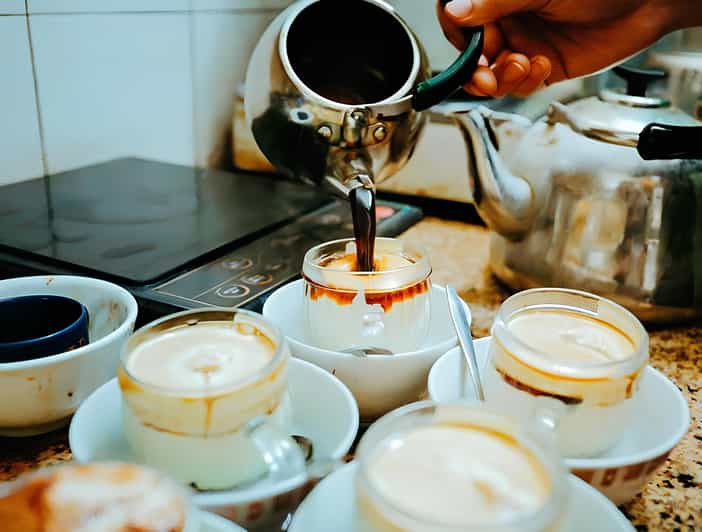
If your idea of a coffee experience is watching someone else work and then taking a polite sip, this workshop will feel different right away. You’re in the middle of it. You learn how Vietnamese coffee is made, you handle the tools, and you brew the cup. That matters because coffee brewing is part science, part habit, and part patience.
Hoi An is a smart place for this. It’s touristy enough to be comfortable, but it still feels local in small ways like the focus on everyday rituals. This class leans into that. Instead of treating coffee like a fancy product, it treats it like a daily craft.
I like that the goal is simple: by the end, you should be able to make at least two Vietnamese coffee styles well enough to impress friends. You’ll also understand the logic behind the flavors. That turns the whole experience into something you can carry home, not just something you post on your camera roll.
You can also read our reviews of more tours and experiences in Hoi An

Price and Time: What $20 Buys in a Two-Hour Workshop
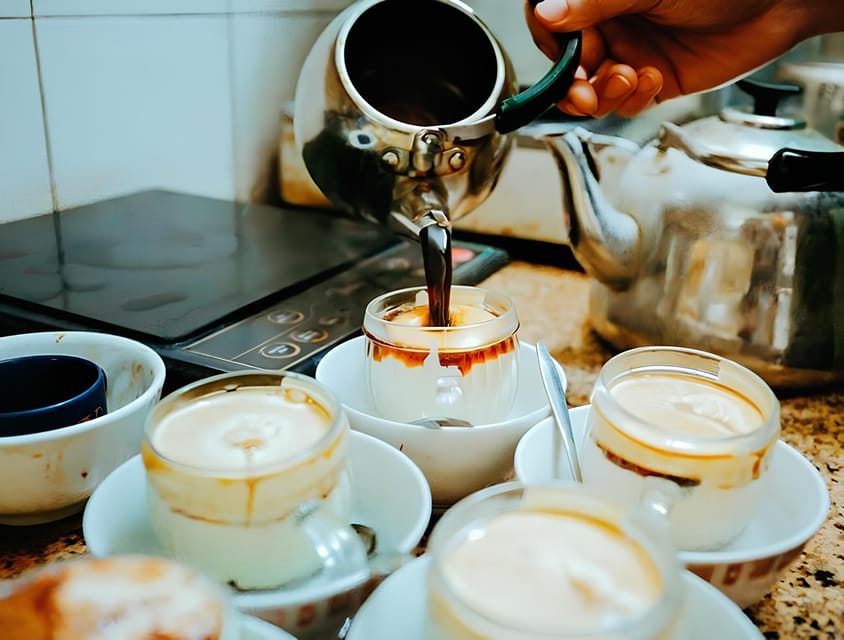
At $20 per person for about two hours, you’re paying for guided instruction and ingredients, not just a coffee tasting. That’s a big difference. Here, you don’t only drink. You practice, which is why the time feels productive.
The included list is practical. You get the coffee-making class, the ingredients and tools, coffee plus Vietnamese tea, cookies, and a local guide. So you’re not getting nickel-and-dimed for basics. You also don’t need to arrange anything complicated on your own during the session.
One thing to consider is that hotel pickup and drop-off isn’t included. That can lower the total cost, but it means you handle your own trip to the meeting point. If you’re tired, deep in sightseeing mode, or hopping between neighborhoods, plan travel time carefully.
Your First Stop: Herbal Tea, Coffee Stories, and How Vietnamese Coffee Became Famous
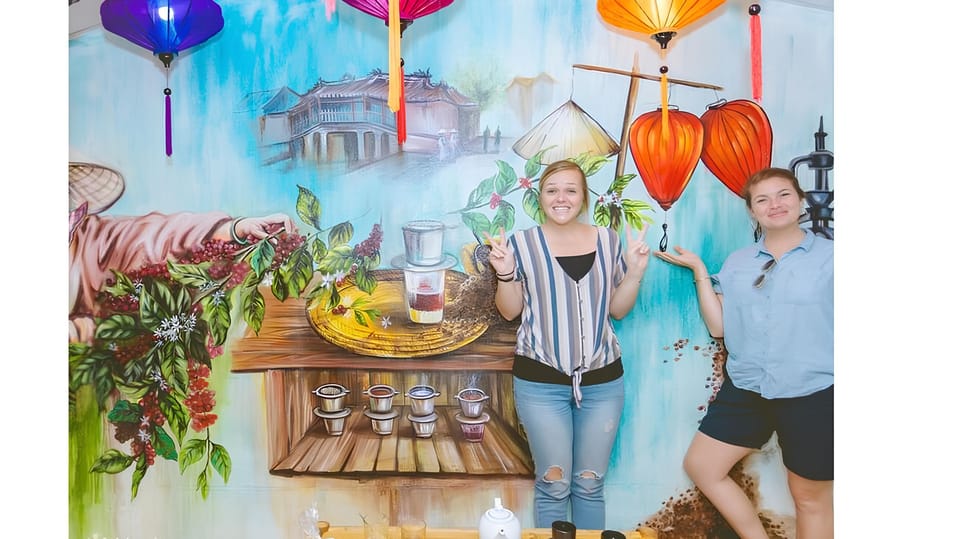
The workshop starts the way I wish more food and drink tours started: with a warm cup and a relaxed welcome. You’ll have special herbal tea right off the bat, then meet your local guide and settle in.
From there, the session frames Vietnamese coffee as more than taste. You get the history and culture of the country’s famous coffee scene, plus a tour-like storyline of how coffee gets from harvesting to brewing. This kind of context matters because Vietnamese coffee has a specific identity: it’s often dark-roasted, brewed strong, and frequently served in styles that feel unmistakably Vietnamese.
You also learn about traditional coffee making methods, which is where your later hands-on steps make more sense. When you understand what people traditionally do, the tools stop feeling random. Your instructions become a method you can remember.
The Phin Filter: The Small Tool That Drives the Whole Brew
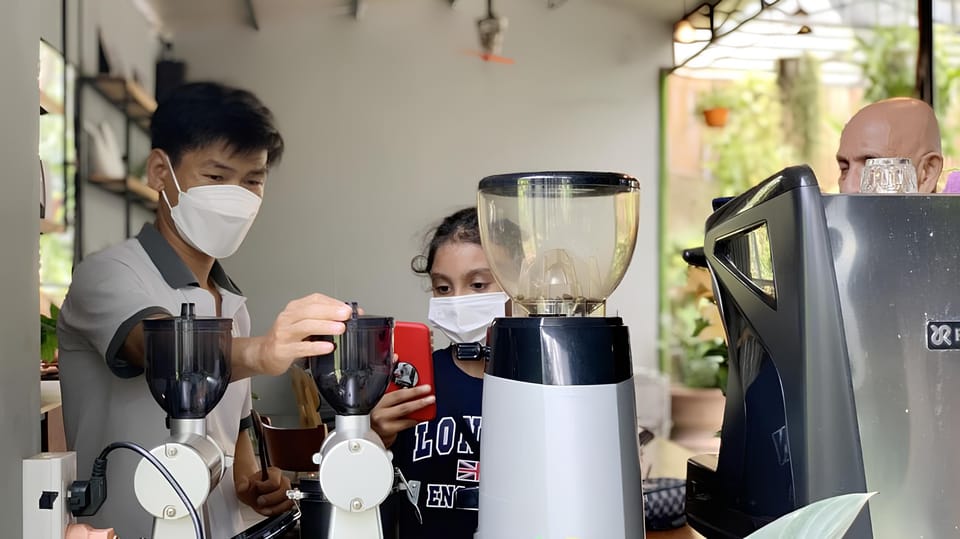
The core technical highlight is the Phin filter, the signature Vietnamese brewing method. This is one of the best parts for anyone who likes the idea of repeating things at home without needing special equipment beyond what you learn here.
In the workshop, you focus on the process and technique, including how dark beans are roasted to reach the style Vietnamese coffee is known for. The lesson isn’t just about taste. It’s about how the brewing process shapes that taste. With the Phin, you’re controlling the flow and timing, and that changes how the coffee comes through in the cup.
If you’ve never used a Phin filter before, expect a short learning curve. But the format is built for it: you’re given ingredients and tools, and you’re guided while you brew. That’s what turns it from confusing to doable.
A practical tip if you’re taking this home: watch the step-by-step order your guide uses, then follow that order yourself later. With coffee, doing it in the right sequence is often more important than doing it perfectly the first time.
Roasting, Strength, and Flavor: Why Vietnamese Coffee Tastes the Way It Does
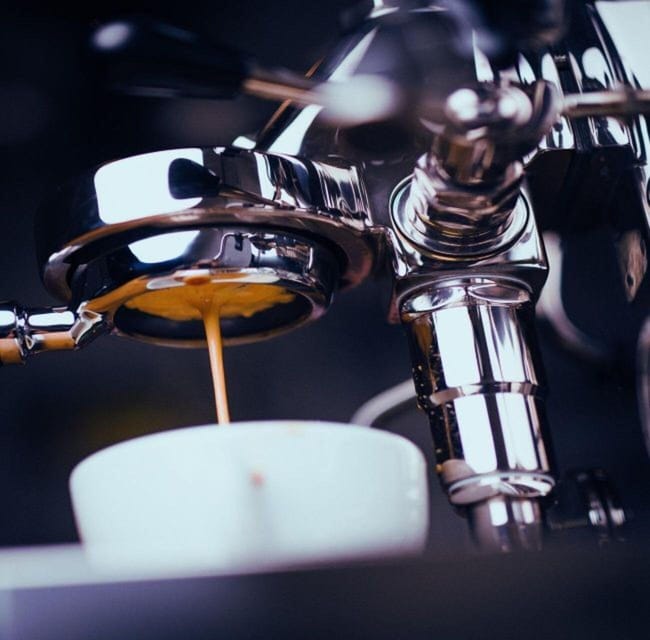
The workshop doesn’t treat roasting like an abstract topic. It connects roasting to what you will taste. You learn about roasting dark beans to perfection, and that’s a key piece of why many Vietnamese coffees hit with a deep, slightly bold character.
Dark roast can mean different things depending on the country and brand, but in Vietnam coffee culture it often supports the style of strong, full-bodied brews that people enjoy with milk or egg-based toppings.
As you practice, you start noticing how the flavor changes based on technique. Even when you’re making the same general coffee, how long the coffee runs, how you build the brew, and how you handle the filtration all affect the final cup.
This part is also where the class becomes useful for non-coffee nerds. If you’ve ever wondered why your homemade coffee tastes different than what you get in a café, this is the kind of lesson that helps you answer that question with something more than guesswork.




Two Styles of Vietnamese Coffee: Black Coffee and Hanoi Egg Coffee
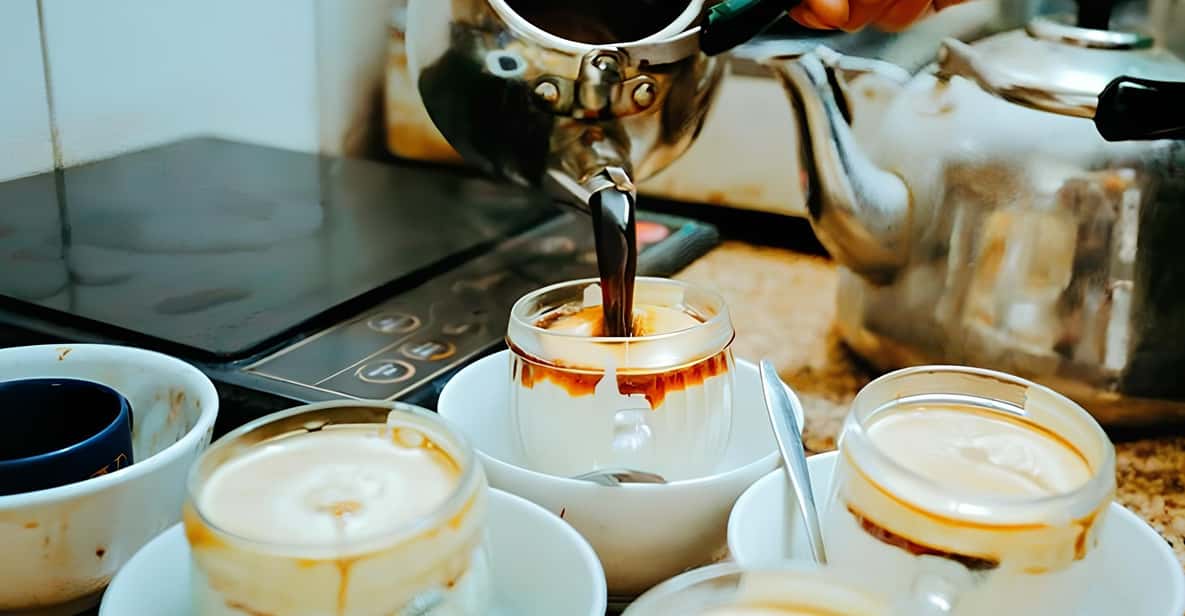
You’ll make and taste two different Vietnamese coffee styles, including Hanoi egg coffee (often called egg coffee). The second style is part of the classic spectrum Vietnamese coffee offers, and you’ll also experience black coffee as one of the featured approaches.
Here’s what makes this combo smart: it gives you contrast. Black coffee helps you understand the base brew. Egg coffee shows how Vietnamese coffee culture can turn that base into a dessert-like, creamy drink while still keeping coffee identity.
Black Coffee: learning the base first
When you start with black coffee, the main goal is to understand the brew itself. You taste the coffee without heavy additions first, so your palate can connect what you did with what you’re tasting.
In a class like this, black coffee isn’t boring. It’s a baseline. It helps you tell whether the flavor you like is coming from the beans, the roast depth, or the brewing method. That’s exactly the kind of thinking that makes your final tasting more meaningful.
Hanoi Egg Coffee: where technique meets a creamy twist
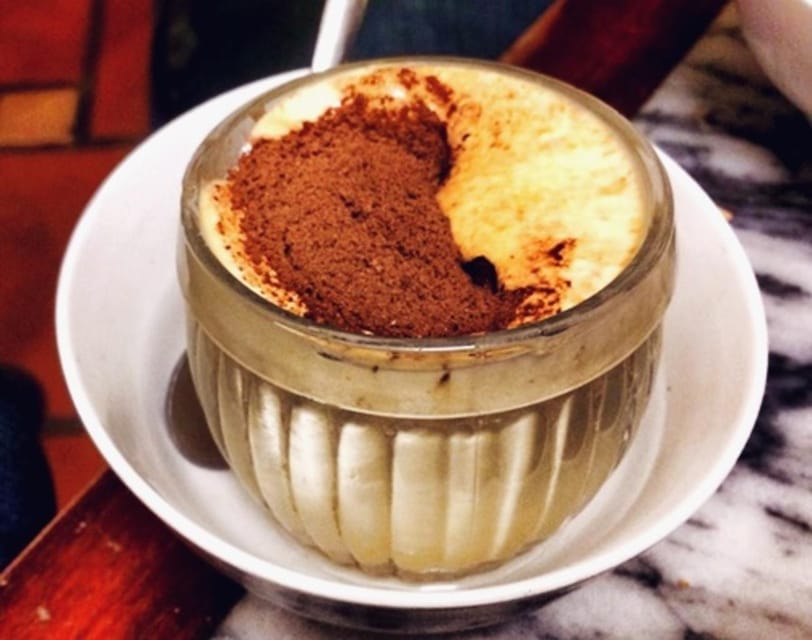
Then comes egg coffee, the style people often travel for. You’ll learn how to make it and taste it right after. Even if you’ve seen egg coffee on social media, tasting it in a lesson setting changes everything. You get the story behind the flavors while you make the drink, so it becomes less of a novelty and more of a method.
If you like drinks that feel like coffee and dessert at the same time, you’ll probably find this the most memorable part of the 2-hour workshop. And if you don’t usually like sweeter drinks, you might still enjoy it once you can taste the coffee underneath the creamy texture.
Cookie and Coffee: Timing Your Tastes Like a Local
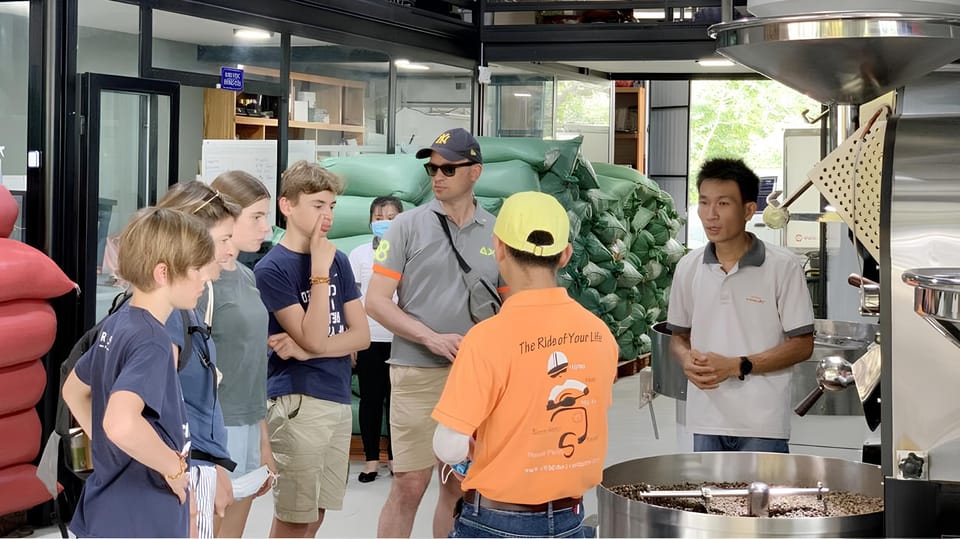
At the end, you savor your freshly brewed coffee with a cookie. It sounds simple, but it’s a good way to close the loop. Instead of rushing to finish and then leave, you get a moment to taste what you made while everything is still fresh.
You’re also provided cookies throughout the experience as part of that included break. The workshop rhythm is designed to keep you comfortable: tea at the beginning, coffee and Vietnamese tea during the session, and then a final taste moment with a cookie.
There’s also music in the background, which keeps things easy and relaxed. You’re learning technique, but you’re not in a classroom mood. That matters because hands-on learning goes smoother when you’re not stressed.
Small Groups and Local Guidance: What the Experience Feels Like
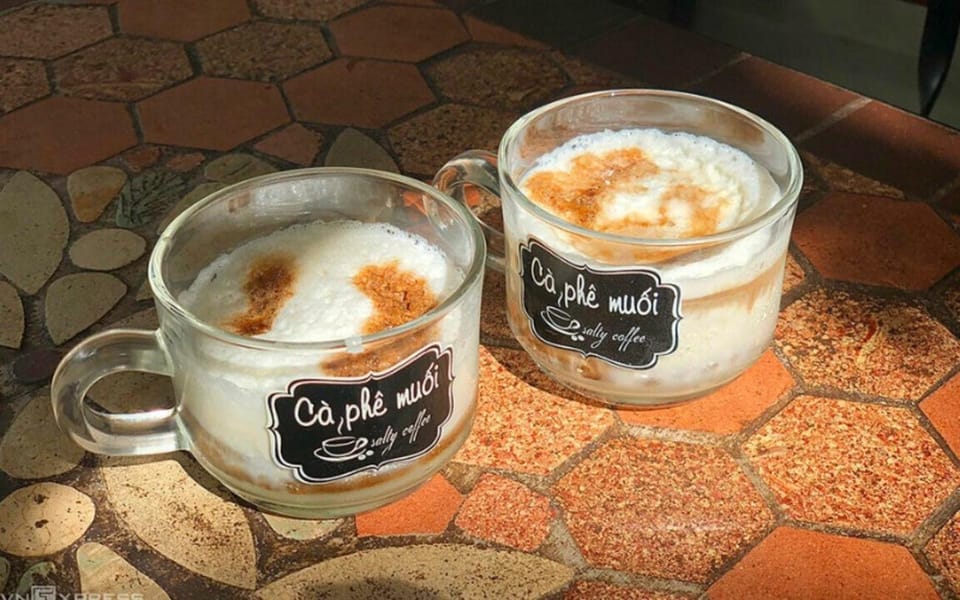
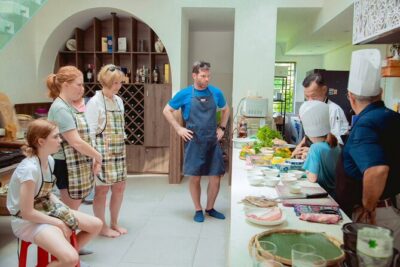
This workshop is designed for real interaction. The session runs with a local guide who offers English instruction (and Vietnamese as well). So if you’re the type who learns by asking questions, you should feel comfortable doing that while you brew.
Small groups can also make the difference between getting stuck and getting unstuck. When people aren’t packed in tightly, it’s easier to see what’s happening with the Phin filter and how the guide handles the steps.
The staff vibe tends to be friendly, and the overall experience feels like a guided practice session rather than a strict lecture. And that’s the right energy for coffee making. Coffee is forgiving, but your technique improves faster when someone is watching and can help you adjust.
One practical warning: there can be confusion about the meeting spot. In at least one case connected with this type of tour, the meeting address changed from what was expected. So I’d do two things:
- confirm the meeting details right before you go
- give yourself a little buffer time so you’re not arriving in a rush
If you show up calm and prepared, you’ll get the workshop experience this class is aiming for.
Getting There and Planning Your Day in Hoi An
Because hotel pickup and drop-off are not included, you need to plan your own route. This is normal for hands-on classes in central areas, but it does affect how this fits into your day.
If you’re already exploring Hoi An on foot, it’s a good add-on because it’s only about two hours. You can do it in the middle of a morning or afternoon and still keep the rest of your schedule flexible.
If you’re staying far away or relying on taxis, you might want to build in extra travel time. A workshop like this moves at a set pace. Coffee doesn’t pause for your ride delays.
Who Should Book This Workshop (and Who Might Skip It)
I’d recommend this class if you want to take something practical home. You’re learning brewing skills with a Phin filter, plus you get hands-on experience making two Vietnamese styles, including egg coffee.
You’ll also enjoy it if you like food and drink tours that explain the why behind the flavor. The “bean to cup” storyline and roasting discussion connect the culture to the science-y bits of brewing.
This might be less ideal if you mostly want a quick photo stop or a casual sit-and-sip tasting with no hands-on role. The point here is making and tasting as you go. You’ll get more from it if you like participating.
Finally, it’s a solid pick for travelers who enjoy small group settings. The workshop format fits people who don’t want to feel lost in a crowd.
Should You Book This Vietnamese Coffee Making Class in Hoi An?
If your goal is to learn how to brew Vietnamese coffee at home, I think it’s a good value. For $20 and two hours, you get tools and ingredients, guidance in English (or Vietnamese), two styles to make and taste, and a structured coffee story from harvest to brewing.
I’d book it if you’re comfortable planning your own arrival and you’ll double-check the meeting details so you don’t waste time. The experience can be smooth and friendly when everything clicks, but the meeting spot issue is real enough to take seriously.
If that doesn’t scare you, this is the kind of workshop you’ll remember later because you can recreate it. And in coffee culture, that’s the best souvenir there is.
FAQ
How long is the Vietnamese coffee workshop in Hoi An?
The experience lasts 2 hours.
What coffee styles will I make and taste?
You’ll make and try 2 Vietnamese coffee styles, including Ha Noi egg coffee, plus another Vietnamese style that includes black coffee.
Is hotel pickup or drop-off included?
No, hotel pickup and drop-off are not included.
What’s included in the price?
Included are the coffee making class, ingredients and tools, coffee and Vietnamese tea, cookies, and a local guide.
What drinks are provided during the workshop?
You’ll start with special herbal tea, and you’ll also have coffee and Vietnamese tea during the class.
What languages is the live guide available in?
The live tour guide is available in English and Vietnamese.
Can I cancel for a full refund?
Yes. Free cancellation is available up to 24 hours in advance for a full refund.