
REVIEW · HOI AN
Ancient Town Walking Tour in Hoi An
Book on Viator →Operated by Danang Hoian Private Tour · Bookable on Viator
Hoi An feels like it runs on slower time. This walking tour is a smart way to see Hoi An’s Old Town sights without racing past details you’ll regret skipping.
I like how the route focuses on Hoi An Ancient Town landmarks tied to Vietnamese, Chinese, and Japanese influence, including famous stops like the Ancient Houses and the Japanese Covered Bridge. I also really valued the human touch—one guide named Jun is highlighted for clear, friendly explanations of local history and culture. The only drawback to plan around: it works best in good weather, and the tour duration is set at about 3.5 hours, so you’re not in this for a full-day drift.
In This Review
- What you’ll most enjoy on this 3.5-hour walk
- The one consideration that can shape your day
- Key highlights to look for
- Why Hoi An’s Ancient Town is best seen on foot
- The 3 hours 30 minutes plan: what you’re really signing up for
- Stop 1: Hoi An Ancient Town and the multicultural feel
- Hoi An Museum: why one indoor stop helps the whole walk
- Ancient Houses: the kind of details your phone can’t explain
- Chinese Assembly Halls and the Japanese Covered Bridge
- Pickup, mobile tickets, and the “$41-ish” value question
- Group size and pacing: how to get the best experience
- Tips to make this tour feel like more than a checklist
- Who this tour fits best
- Should you book this Ancient Town walking tour?
- FAQ
- How long is the Ancient Town walking tour in Hoi An?
- What does the tour price include?
- Is pickup offered?
- Do I need to print anything, or do I get a mobile ticket?
- How many people are in the group?
- What famous Old Town sights can I visit?
- Is Hoi An Museum part of the tour?
- How far in advance is the tour usually booked?
- What is the cancellation policy?
- What happens if the weather is bad?
What you’ll most enjoy on this 3.5-hour walk
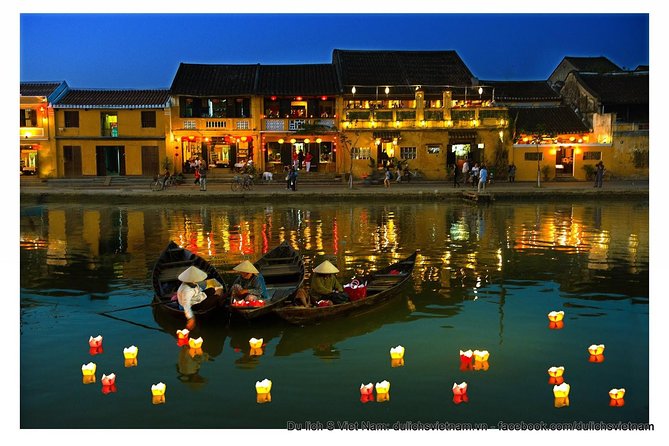
Two things stand out fast: the tour keeps you moving through the Old Town at a pace that feels calm, and it layers in context as you go. You get guided visits to the Hoi An Museum area and multiple architectural highlights like the ancient homes and Chinese-influenced assembly halls, which is exactly what makes a walking tour more than just sightseeing.
The one consideration that can shape your day
If you’re hoping to take lots of time shopping, lingering for photos, or eating slowly between stops, 3 hours 30 minutes can feel a bit tight. In that case, I’d plan a bit of extra time before or after so your day still feels relaxed.
You can also read our reviews of more walking tours in Hoi An



Key highlights to look for

- A small group (max 20): easier conversation with your guide and less crowd pressure during photos.
- Old Town on foot: one of the best ways to grasp Hoi An’s quiet, close-up charm.
- Multicultural architecture: Vietnamese, Chinese, and Japanese influences show up in the places you visit.
- Jun earns strong praise: one review specifically calls out her friendly, knowledgeable style and clear cultural explanations.
- Admission covered: an admission ticket is included in the tour time, not tacked on later.
- Pickup offered + mobile ticket: you don’t have to guess your way into the start point.
Why Hoi An’s Ancient Town is best seen on foot

Hoi An’s Old Town has a different rhythm than bigger cities. The streets feel made for walking—short distances, frequent turns, and a constant sense of stepping into a preserved past. That’s why this tour model works: you’re not just collecting sights, you’re building an overall picture as the town unfolds block by block.
Also, the tour is designed around what matters in Hoi An: architecture and history you can actually see. The setting is UNESCO World Heritage (recognized in 1999), and the walking format helps you notice the details that make that UNESCO label more than a sticker. In a place like this, the “how it looks” is inseparable from the “what it means.”
And with a max group size of 20, it’s not the kind of experience where you spend half your time playing human traffic cop—staying close to the guide, then breaking away to check something you spotted.
The 3 hours 30 minutes plan: what you’re really signing up for
This is a guided walking tour built around an efficient loop through key Old Town stops. The time is approximate (around 3.5 hours), so you should expect a steady pace—not a stop-everywhere meander.
Here’s the useful way to think about it: you’re trading freedom for structure. You give up the ability to fully wander for hours on your own, and in return you get:
- a guided path through major sights,
- explanations that connect what you’re seeing to local culture,
- and admission/tickets handled during the visit window.
If you like guided travel—especially for places where architecture and cultural influences matter—this format is a solid fit.
Stop 1: Hoi An Ancient Town and the multicultural feel
The tour starts with Hoi An Ancient Town, and that’s the right place to begin. Old Town is where you get the overall mood: quiet, calm streets and architectural traces that point to multiple cultural influences across time. The tour highlights that blend—Vietnamese, Chinese, and Japanese—so you’re not just looking at buildings, you’re learning what shaped them.
You’ll also get a chance to slow down and appreciate the “ancient houses” style of the area. These are often the most rewarding stops in towns like this because they’re tangible proof of how people lived, traded, and built. The tour frames the ancient houses as some of the most remarkable views in the area—exactly the sort of thing that becomes easier with a guide who can point out what you might miss.
One practical advantage here: starting at Old Town means your photos and your orientation happen early. When you understand the setting, the rest of the sights feel more coherent.






Hoi An Museum: why one indoor stop helps the whole walk
Along the route, you visit the Hoi An Museum. Even if you’re not the “museum person,” I like this kind of stop on a walking tour because it anchors the outdoor sights in context. You see architecture outside, then you step into a setting that helps you interpret it.
The tour includes time for that museum visit as part of the overall 3-hour-plus program, so you don’t get stuck thinking you’ll “do museum later.” It’s built in, which makes the flow smoother.
What I’d look for in your own experience: pay attention to how the museum explains daily life and cultural movement. That kind of background makes the later sights—assembly halls and bridges—feel less like random photo stops.
Ancient Houses: the kind of details your phone can’t explain

A major focus is the Ancient Houses. The tour describes them as having remarkable architecture, and that matters, because in Hoi An the buildings are not just pretty backdrops. They’re part of how the town communicates its identity.
Walking between houses also helps you understand layout and streetscape. Even when the tour keeps things moving, you’ll get enough time for the big stuff: the façade look, the structure feel, and the way these homes relate to the street.
If you enjoy architecture, this is one of the strongest uses of your time. If you don’t, it still works because a guide can point out what to notice so you’re not just scrolling through buildings in the dark.
Chinese Assembly Halls and the Japanese Covered Bridge
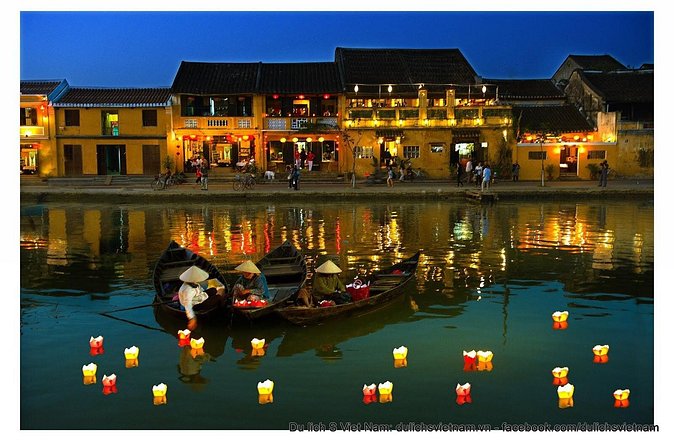
Two of the most famous Old Town landmarks you can expect to see are Chinese Assembly Halls and the Japanese Covered Bridge.
The Chinese Assembly Halls are described as assembly halls of Chinese influence. That’s a clue to what you should watch for while you’re there. Don’t just focus on the “wow” factor of the building—ask yourself how the design reflects community gathering, identity, and cultural ties. A good guide makes this type of stop feel earned instead of random.
Then there’s the Japanese Covered Bridge. The tour lists it among the famous Old Town destinations, and that’s enough to tell you it’s a key photo moment. More importantly, the walking format helps you reach it in context—your brain builds the story as you go from one multicultural marker to the next.
If you go early enough (one review specifically mentioned an 8am tour to miss crowds), these bridge-and-hall stops can feel calmer and more personal. Even if you don’t control the exact time, going at a less busy hour usually makes these sights more enjoyable.
Pickup, mobile tickets, and the “$41-ish” value question
Price is listed at $41.03 per person, and the experience notes that it’s booked about 8 days in advance on average. That’s a good sign: enough demand to sell out, but not so expensive that it targets only one kind of traveler.
For value, here’s what you’re actually getting:
- All fees and taxes
- Bottled water
- A guide
- An admission ticket included (the tour includes admission as part of the 3 hours)
That’s important. Many city walks charge a low base rate and then quietly add admission or service fees. This one rolls those costs into the price, which makes budgeting easier.
Pickup is offered too. That’s not always included in walking tours, and it helps if you’re staying a bit off-center. You also get a mobile ticket, which is convenient when you don’t want paper clutter.
Not included is only personal expenses, so you’re mostly looking at whatever you choose to spend on your own during or after the tour.
Group size and pacing: how to get the best experience
With a maximum of 20 travelers, you can usually hear your guide and keep the group together without the “herding cats” feeling. That size also improves the vibe: you can ask questions and get real answers rather than quick pass-by comments.
The pacing is “walking tour” pacing, not “wander at your own pace.” If you’re the kind of traveler who likes to pause every few minutes, bring your own patience—or plan to do your independent exploring in the time before/after the tour.
Also, the tour requires good weather. That means you should check the forecast for the day you book. If rain is likely, expect the provider to adjust by offering a different date or a full refund in weather-cancellation scenarios.
Tips to make this tour feel like more than a checklist
I’d treat this tour like a guided orientation to Hoi An’s Old Town. You’ll get the key sights, but your real win is learning how to see the town.
A few practical ideas:
- Wear shoes you can walk in for about half a workday. Old Town streets add up fast.
- Bring water expectations in mind: bottled water is included, but don’t count on unlimited extra supplies after you finish.
- If you can choose timing, consider an earlier departure. One guide review notes an 8am option helped them avoid crowds.
- Keep a little buffer time before and after. The tour is about 3.5 hours, and you’ll likely want to return to one or two spots for longer looks.
If you’re traveling with people who want different speeds, this is one of those tours where everyone can agree on the highlights while still having enough time to self-explore later.
Who this tour fits best
This Ancient Town walking tour is a strong match if you:
- want to see Old Town highlights efficiently in one guided loop,
- care about cultural influence you can read in architecture,
- prefer small groups over big buses,
- and like tours where admission costs are included.
It’s also a good fit for first-time visitors to Hoi An who want orientation fast. If you already know Hoi An well and just want free time, you might find it a bit structured. Still, the museum stop and the guide-led explanations can make even repeat visits feel worthwhile.
The experience notes that most travelers can participate, which suggests the pace and setup aren’t built for only a niche crowd.
Should you book this Ancient Town walking tour?
For most people visiting Hoi An, I think this is worth booking. The price is reasonable for a guided 3.5-hour route with a guide, bottled water, admission included, and a small group. You’ll also come away with a clearer sense of how Vietnamese, Chinese, and Japanese influences shape what you see in Old Town.
I’d book it sooner rather than later if your dates are fixed, since it’s commonly booked about 8 days in advance. And if your trip lines up with forecast uncertainty, I’d be mindful that the tour requires good weather.
If you want a calm, guided walk through Hoi An’s most recognizable Old Town scenes—Ancient Houses, Chinese Assembly Halls, and the Japanese Covered Bridge—this one checks the boxes.
FAQ
How long is the Ancient Town walking tour in Hoi An?
The tour lasts about 3 hours 30 minutes (approx.).
What does the tour price include?
The price includes all fees and taxes, bottled water, and a guide. An admission ticket is included in the tour as well.
Is pickup offered?
Yes, pickup is offered.
Do I need to print anything, or do I get a mobile ticket?
You get a mobile ticket.
How many people are in the group?
The tour has a maximum of 20 travelers.
What famous Old Town sights can I visit?
You can visit Hoi An Old Town highlights such as Ancient Houses, Chinese Assembly Halls, and the Japanese Covered Bridge.
Is Hoi An Museum part of the tour?
Yes, the tour includes a visit to Hoi An Museum.
How far in advance is the tour usually booked?
On average, it’s booked 8 days in advance.
What is the cancellation policy?
Free cancellation is available. You must cancel at least 24 hours before the experience’s start time for a full refund.
What happens if the weather is bad?
This experience requires good weather. If it’s canceled due to poor weather, you’ll be offered a different date or a full refund.