REVIEW · HOI AN
Ky Anh Tunnel & Cham Old Tower By Private Tour History of War
Book on Viator →Operated by Hung Le Travel-The Local Signature · Bookable on Viator
Crawling through a wartime tunnel changes how you move. I like how this private outing lets you experience the Ky Anh Tunnel’s scale and tight layout—32 km of zigzags hiding under village paths—while your English-speaking guide translates what those manhole-like entrances were for. I also enjoy the contrast with the calm, details-first stop at the Chien Dan Cham Tower, where you can study carved friezes without the usual tourist squeeze.
One consideration: the tunnel and tower portions are not for everyone. If you have heart issues or high blood pressure, the cramped spaces and stop-and-go walking can be a problem, so check in ahead of time and listen to your guide’s safety call.
In This Review
- Ky Anh Tunnel: Why 32 km feels so personal
- What you’ll see inside
- The English guide + war veteran context is the real difference
- Chien Dan Cham Tower: A calm, detailed stop after the tunnels
- Why this tower visit feels special
- Watch-outs
- Heroic Mother Statue: Big scale and an important war museum note
- How I’d think about this stop
- The 5–6 hour private tour flow (and why it matters)
- Food and the Vietcong-style snack moment
- Price and value: why $55 can make sense here
- Who should book this tour
- Should you book Ky Anh Tunnel & Chien Dan + Heroic Mother?
- FAQ
- How long is the Ky Anh Tunnel & Cham Old Tower private tour?
- What does the $55 per person include?
- Are pickup and drop-off included?
- Is this tour suitable for people with heart problems or high blood pressure?
- Is there food included, and is it the same for all departures?
- Does the Heroic Mother statue interior always open?
Ky Anh Tunnel: Why 32 km feels so personal
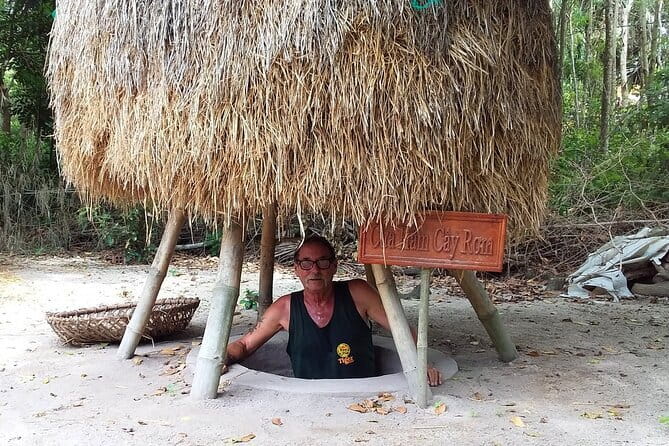
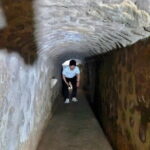
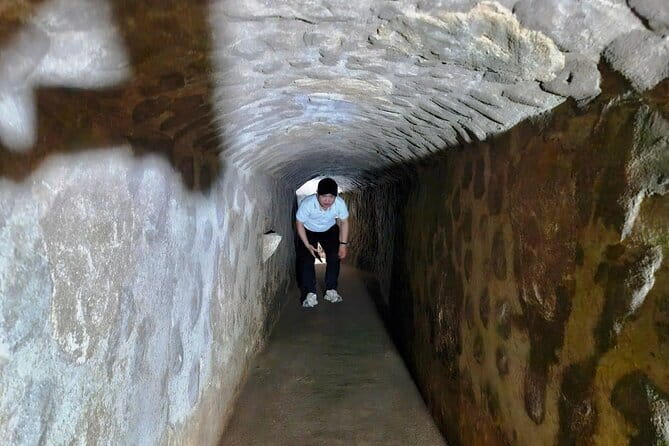
Ky Anh Tunnel stretches about 32 km, built in 1965 along the village so people could stay hidden while the war pushed closer. The tunnel is very narrow: roughly 0.5 to 0.8 meters wide and about 0.8 to 1 meter high where it matters most. In plain terms, you won’t be “walking through history” so much as sharing the conditions someone else endured.
What I like most is the way the route is shaped—zigzags around bends instead of a straight line. That matters because straight tunnels are easy to track. These bends make it harder to follow, and they also create that eerie, foreboding feeling as you crawl past bends that keep shifting your sense of direction.
Along the way, the tunnel runs through natural cover like bamboo clusters, bushes, and straw mounds around Thach Tan Village. The physical setting is part of the story: it helps you understand why hiding here wasn’t only about digging. It was also about blending into the landscape so quickly the enemy couldn’t get an accurate read.
What you’ll see inside
Ky Anh isn’t just one long crawl. It includes key spaces used during the fighting. Your visit includes areas used as:
- First aid / treatment space for wounded VC and NVA soldiers
- Food storage areas
Your guide explains how the tunnel was more than shelter. It functioned like a working underground support system—treating injuries and keeping supplies moving even when the surface was unsafe.
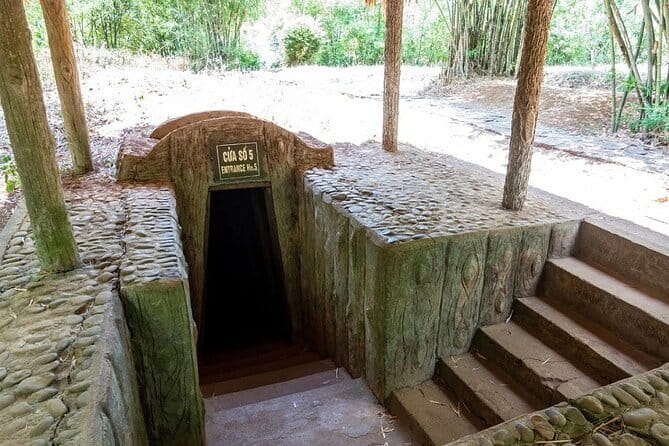
At several landmarks, you’ll find manhole-like entrances. The structure is strong enough to hold its form, which is impressive when you picture the construction work done in wartime conditions. Then you’ll step under the tunnel yourself and get a sense of that “routine” someone would follow during the war—slow, deliberate movement, constant attention, and no room for panic.
Practical note: the tour also includes mineral water for you during the tunnel visit, which is a small detail but a welcome one once you’re breathing a little harder.
You can also read our reviews of more private tours in Hoi An

The English guide + war veteran context is the real difference
This is one of those days where the guide makes or breaks the experience. Here, you’re not just hearing dates and places. You’re hearing how the tunnel operated from the inside, explained by a local person who has witnessed fighting at the tunnel site. In addition, the tour’s setup is tied to a veteran who lived through the war years himself (he fought from very young).
That context changes how you interpret the physical features. When you learn what a specific chamber was used for, the space stops being a photo-op. You start to connect the tunnel’s design choices—zigzags, entrances, narrow clearances—to real constraints under fire.
I also appreciate that the guide’s English background is part of the package. It keeps the day flowing smoothly instead of turning into fragmented explanations you have to piece together yourself.
Chien Dan Cham Tower: A calm, detailed stop after the tunnels
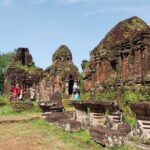
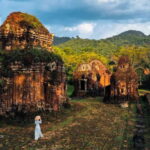
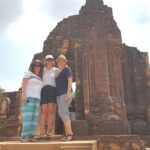
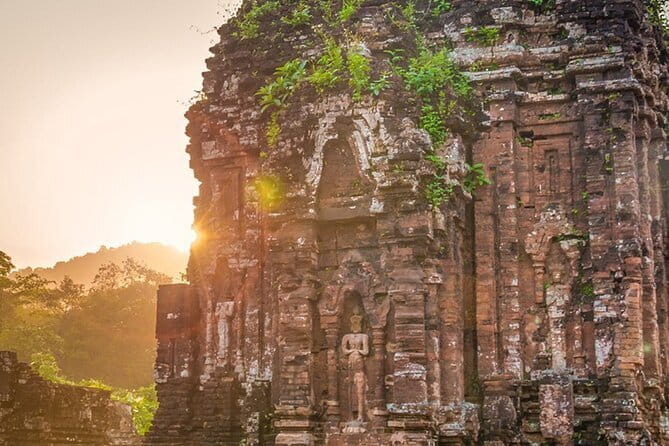
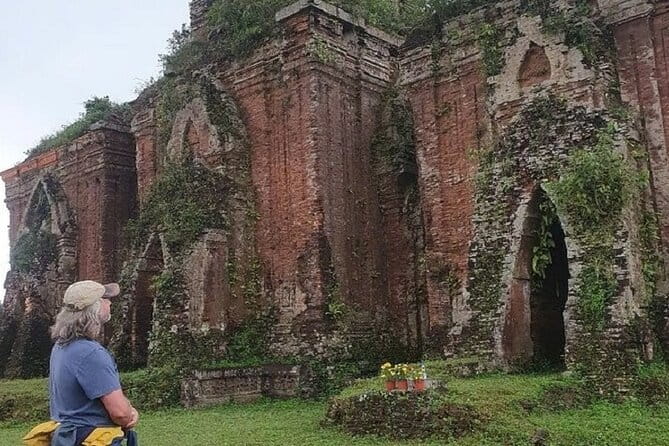
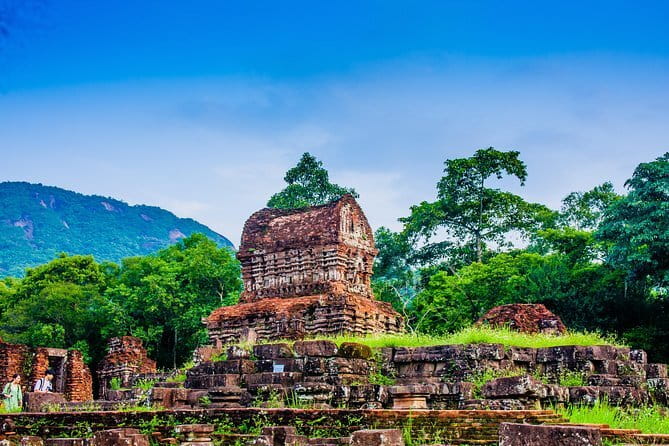
After crawling underground, the Cham tower feels like a breather. The Chien Dan ancient tower dates to the late 10th and early 11th centuries, during the Champa period. The story tied to it is part political shift, part religious monument: the capital moved from Quang Nam to Binh Dinh under the reign of Yan Pu Ku Vijaya.
When you’re here, focus on the carvings. This tower includes long, rectangular panels covered with figures in relief. If you like Khmer-style stonework (think Angkor’s visual language), you may recognize the similarity in style. It’s not identical, but the connection in form is there—and that’s what makes this stop satisfying even if you’ve seen other Cham sites.
Why this tower visit feels special
The best part is the pacing. You visit without a heavy tourist feel, which gives you time to look closely at how the figures are arranged and carved. You’re not stuck doing a quick glance and moving on.
The time on site is about 1 hour, which is realistic for a site like this: enough time to slow down and study the reliefs, without turning it into a “rush to the next photo spot.”
Watch-outs
The same general health caution applies here as with the tunnel portion. If your body doesn’t handle enclosed or physically demanding conditions well, keep it in mind and discuss your limits early. The tower itself is not described as dangerous, but the day includes the tunnel crawl, so it’s really about the combination.
You can also read our reviews of more historical tours in Hoi An


Heroic Mother Statue: Big scale and an important war museum note
The last major stop is Vietnam’s biggest Heroic Mother statue. It’s tied directly to stories of sacrifice by Vietnamese women during the war, and the site includes a war museum area with viewing connected to those accounts.
Here’s the practical detail you should know: the interior of the statue area only opens to the public during Vietnam public events. So depending on the timing of your visit, you might find that what you can see inside is limited.
Even so, the outside presence alone tends to land hard. It’s the emotional closing chapter after the tunnel’s physical experience. You go from narrow survival spaces to a monument built to keep memory visible and permanent.
How I’d think about this stop
For me, the statue works best if you treat it like a reflective moment rather than a quick finish line. Give yourself a few minutes to read and absorb what’s presented, because that’s what makes the final hour feel like it connects back to the tunnel theme: survival, support, and the human cost.
The 5–6 hour private tour flow (and why it matters)
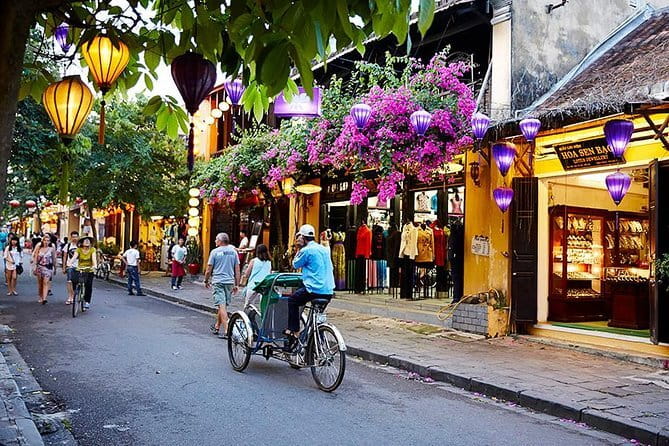
The whole day runs about 5 to 6 hours, with private car round-trip pickup and drop-off in Hoi An or Da Nang. That pickup piece is a big value factor. It saves you the time and stress of arranging transport, especially when you’re visiting sites that are better handled with local routing.
The tour is private, meaning only your group participates. Still, one review did mention that space can get tricky if other larger groups show up in the same area. It doesn’t mean you’ll always be crowded, but it’s worth keeping in mind: historic sites sometimes operate like magnets for tour schedules.
If you’re traveling as a family or a small group and you care about comfortable pacing, go in with realistic expectations. The tunnel is narrow—your guide can help manage timing, but physics is physics.
Food and the Vietcong-style snack moment
This tour includes a snack lunch: sticky rice wrapped in banana leaves. The idea is that the snack connects to wartime routines—simple, practical food that could be carried and eaten without fuss.
Important timing detail: the sticky rice snack is only served for the morning tour, because there’s no sticky rice for afternoon tours. So if you’re choosing an afternoon slot, expect the snack situation to differ.
You also get mineral water, and outside of that, meals and drinks aren’t included. Bring your preferences in mind if you tend to eat later in the day.
Price and value: why $55 can make sense here
At $55 per person for a 5–6 hour private outing, the value depends on what you want to optimize.
This price includes:
- Private car round-trip with pickup/drop-off in Hoi An or Da Nang
- English-speaking guide with history background
- Entrance tickets for the tunnel and tower
- Site support with local guidance who witnessed fighting
- Snack lunch with the sticky rice banana leaf wrap (for morning tours)
- Mineral water during the tunnel visit
For a day that includes transport, timed entry, and multiple culturally significant stops, you’re paying for convenience plus context. If you tried to do this solo, you’d spend extra time coordinating transport and finding someone to explain what you’re seeing as you crawl through the tunnel.
So if history + guided interpretation is your priority, this tends to be a fair deal for the time you get.
Who should book this tour
I’d say this tour fits best if you:
- Like war history that’s explained through place, not just lecture
- Want a guided experience that connects tunnel design to real uses
- Enjoy architectural stops where you can take your time looking at carving details
- Prefer the comfort of a private car and a small group pace
It’s less ideal if you:
- Have heart issues or high blood pressure, given the tunnel experience and the overall physical demands
- Strongly dislike enclosed spaces
- Need a totally predictable “museum opens fully” ending at the statue, since interior access depends on public events
Should you book Ky Anh Tunnel & Chien Dan + Heroic Mother?
If you want a day that feels real—tight, physical, and human—this is a strong choice. The standout is the way you’re guided through the tunnel with firsthand, on-site context, then you balance it with a quiet, detailed Cham tower and a reflective Heroic Mother stop.
Book it if you’re ready for cramped conditions and you’re comfortable that part of the statue experience may depend on event timing. If that uncertainty would stress you out, plan your expectations: even the outer visit is meaningful, and the tunnel + tower portion is the main engine of the day.
FAQ
How long is the Ky Anh Tunnel & Cham Old Tower private tour?
It runs about 5 to 6 hours.
What does the $55 per person include?
You get private car round-trip pickup/drop-off in Hoi An or Da Nang, English-speaking guide service with history background, Ky Anh Tunnel and Chien Dan Cham Tower entrance tickets, a sticky rice banana-leaf snack lunch (morning tours), mineral water during the tunnel, and a local site guide.
Are pickup and drop-off included?
Yes. Private car round-trip pickup and drop-off are included in Hoi An or Da Nang.
Is this tour suitable for people with heart problems or high blood pressure?
No. The tunnel and tower tour is not suitable for people with heart and high blood problems.
Is there food included, and is it the same for all departures?
Yes, but the sticky rice wrapped in banana leaves is only served for the morning tour. Afternoon tours don’t include sticky rice.
Does the Heroic Mother statue interior always open?
No. The interior of the giant Heroic Mother statue only opens for public events in Vietnam.