
REVIEW · HOI AN
Da Nang: Half-day Hoi An Heritage Walk
Book on GetYourGuide →Operated by Hoi An Express · Bookable on GetYourGuide
Hoi An feels like it slows down. This half-day walk through Hoi An Ancient Town is a practical way to see how Vietnamese, Chinese, and Japanese influences still shape everyday streets. I especially like the way your guide helps you read the town through details like merchant houses and community buildings, and the Japanese Covered Bridge photo moment is as iconic as it gets. One thing to keep in mind: the route is tight, so some stops are more of a look-and-learn than a long linger.
You’ll start with hotel pickup in Da Nang, then head into Hoi An for a guided circuit that mixes shopping streets, cultural stops, and well-known landmarks. It’s a good fit if you want heritage context without spending a whole day in traffic, and it also helps you avoid wandering in circles when the lanes get crowded and confusing.
In This Review
- Key highlights you’ll feel on this walk
- Why Hoi An on foot makes sense for a half-day
- Getting from Da Nang to Hoi An (and back) without stress
- Hoi An Market: your 30 minutes of real local life
- Fujian Assembly Hall: when Chinese influence becomes architectural
- Traditional dance show: a cultural pause in the middle of walking
- Hoi An Folk Museum: the short stop that adds context
- Old House of Tan Ky: where you see craftsmanship up close
- Japanese Covered Bridge: the landmark everyone talks about (for a reason)
- The last photo stop and how to plan your extra time
- Price and value: is $42 a good deal for five hours?
- Who should book this walk
- The practical “know before you go” checklist
- Should you book this half-day Hoi An heritage walk?
- FAQ
- How long is the Da Nang: Half-day Hoi An Heritage Walk?
- What does the tour include?
- Does the price include the main sites in Hoi An?
- Is pickup available from all parts of Da Nang?
- What language is the guide?
- Are unaccompanied minors allowed?
- Can I cancel for a full refund?
Key highlights you’ll feel on this walk
- Cross-cultural architecture: Chinese assembly hall influence plus the famous Japanese Covered Bridge
- Hoi An Market stop: a short, guided taste of local goods and daily life
- A quick, well-paced circuit: multiple Ancient Houses and museums without burning your entire afternoon
- Traditional dance show time: a clear break from walking (about 40 minutes)
- A guide who connects the dots: especially helpful around the town’s older houses and community sites
Why Hoi An on foot makes sense for a half-day

Hoi An is the kind of place where speed fights the experience. On a walking tour, you get to notice the small stuff—house fronts, doorway shapes, and the way streets funnel people toward lantern-lit corners. With only five hours, you’re not trying to see everything. You’re trying to see the right things, then understand why they matter.
What makes this tour feel especially useful is the mix of stops. You’re not just doing photos. You’re getting a guided narrative that connects markets, meeting halls, museums, and old houses into one story: how different groups traded, lived, worshipped, and built their community here over time.
If you like “learn as you walk,” this style fits. If you prefer free roaming with zero structure, you might find the schedule a bit strict—though the guide’s explanations can save you time later when you’re exploring on your own.
You can also read our reviews of more walking tours in Hoi An



Getting from Da Nang to Hoi An (and back) without stress

The practical win starts before you even lace up your shoes. You get hotel pickup and drop-off in Da Nang city center, and you’ll use transportation as needed to keep the half-day on track. Pickup doesn’t include the Son Tra Peninsula, so if you’re staying there, you’ll want to confirm your pickup area.
This kind of setup matters in Central Vietnam because travel time can chew up your energy. With pickup included, you don’t have to figure out how to get to Hoi An, where to meet, or how to return at the right time. You can show up, follow the guide, and spend your mental energy on the town itself.
Also included: bottled drinking water, entrance fees, and travel insurance. That’s part of the value equation for a tour in this category.
Hoi An Market: your 30 minutes of real local life

The Hoi An Market stop is short—about 30 minutes—so treat it like a guided sampler rather than a full shopping spree. The best way to enjoy it is to let your guide point things out first, then use the time to browse with purpose: spices, dried goods, fabrics, local snacks if available, and the everyday rhythm of sellers and shoppers.
A market stop works well in a heritage walk because it shows the living side of the town. Hoi An isn’t just old buildings for postcards. People still trade here. They still run errands here. And when you walk from the market into older streets, you can feel the shift from modern commerce to historical architecture.
If you’re sensitive to crowds, keep your expectations flexible. Markets can get busy fast, and five hours means you won’t have a long break to reset. Still, a guide helps you move efficiently through the most useful parts.
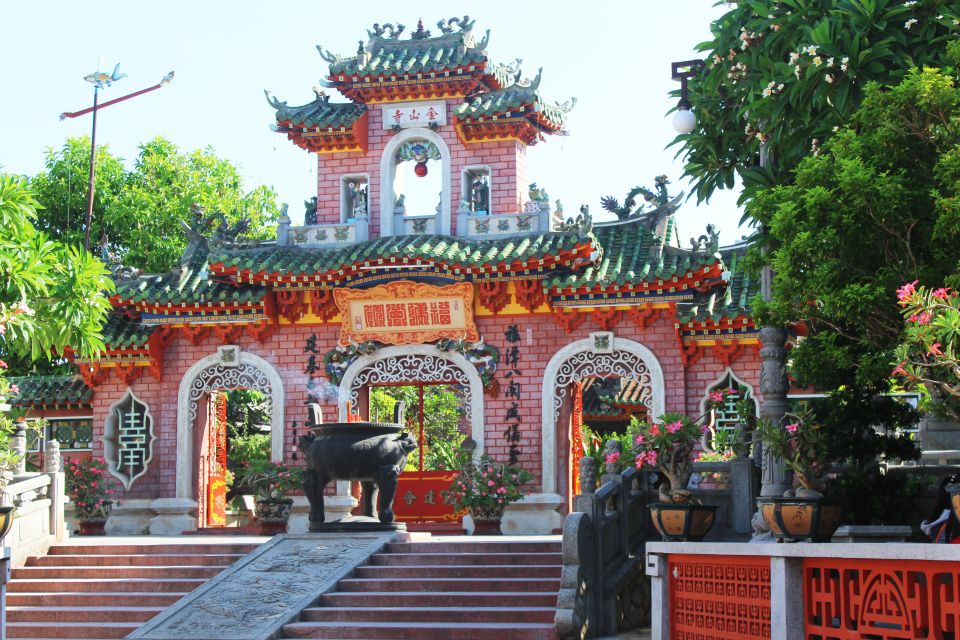
Fujian Assembly Hall: when Chinese influence becomes architectural
Next up is the Fujian Assembly Hall. You’ll get a photo stop plus guided time (about 20 minutes). Assembly halls are a big clue to how merchant communities organized themselves—think associations, shared identity, and places for gatherings.
What I like about an architectural stop like this is that it gives you an “aha” moment. After you see it, you can notice patterns later in other older buildings: how craftsmanship is shown on key surfaces, how buildings face the street, and how these places look designed for community use, not just private living.
Drawback to note: this is still a quick visit. If you’re a slow traveler who reads every carving like it’s a museum label, you may want extra time on your own afterward. But as a first introduction, it does the job.
Traditional dance show: a cultural pause in the middle of walking

You’ll have a scheduled stop that includes a traditional dance show lasting about 40 minutes. This is a useful pacing tool in a walking tour. After walking through older lanes and buildings, the show gives your feet a rest and your brain a new way to connect with local culture.
I also like that it’s placed mid-route. By then, you’ve already started building context from the market and assembly hall. The dance show becomes more than entertainment—it turns into part of the cultural picture your guide has been building.
If you’d rather skip structured performances and spend that time outside, you should consider whether a dance show is your kind of stop. But if you’re curious about how cultural traditions still show up in everyday tourist experiences, it’s a straightforward add-on.
You can also read our reviews of more historical tours in Hoi An






Hoi An Folk Museum: the short stop that adds context
The Hoi An Folk Museum gets about 15 minutes, with a photo stop and guided sightseeing. In this kind of schedule, the museum time is best treated as orientation. You’re not trying to read every exhibit; you’re trying to understand how the town’s daily life and cultural practices fit into the broader heritage story.
This is one of those stops that can feel small on paper but helpful in real time. Once you’ve seen a quick slice of local folk life, the rest of the walk makes more sense—especially when you get to older houses.
The main consideration: 15 minutes goes by fast. If museums are your top priority, you’ll likely want to return later. But for a half-day heritage walk, it’s a smart context booster.
Old House of Tan Ky: where you see craftsmanship up close
The Old House of Tan Ky is one of the most memorable stops in the route, with about 25 minutes including a guided visit and sightseeing. Old houses in Hoi An are more than scenic facades. They show how families lived, how space was used, and how architecture balanced privacy with community presence.
This stop is especially good if you enjoy architecture details you can’t fully catch from the street. A guided explanation helps you notice features you’d otherwise overlook—materials, layout clues, and why the house style belongs to this part of Vietnam rather than being just another pretty frontage.
One more thing: at this point in the route, you’ll probably be tempted to take extra photos. That’s fine, but keep an eye on your time so you don’t end up rushing the next landmark.
Japanese Covered Bridge: the landmark everyone talks about (for a reason)

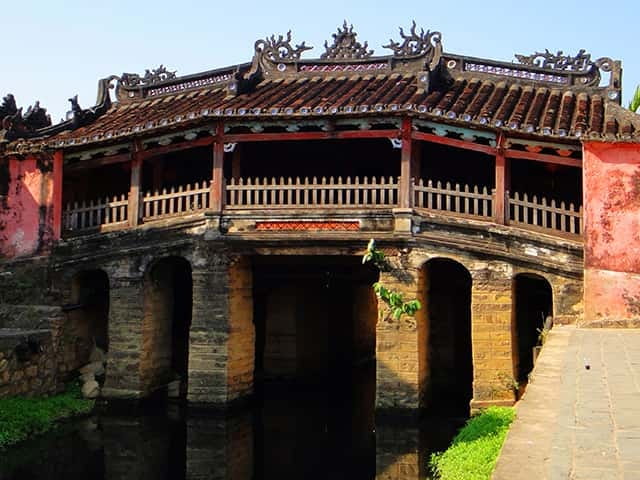
No heritage walk in Hoi An feels complete without the Japanese Covered Bridge. You’ll arrive for a photo stop and guided visit (about 20 minutes), plus a bit of sightseeing time.
It’s popular because it’s both photogenic and meaningful. Covered bridges in old trading towns weren’t just transportation. They acted like connectors—social, symbolic, and practical. Seeing it with a guide gives you a better sense of what you’re looking at beyond the obvious.
Practical tip: this is one of those spots where crowds can build. Go with a calm pace, take your first set of photos quickly, then slow down for one or two better angles while your group moves.
And yes, it really is a must-see. If you’re only in Hoi An briefly, this is the stop that earns its place.
The last photo stop and how to plan your extra time

After the bridge, you’ll have another photo stop and guided sightseeing for about 15 minutes. The exact spot isn’t spelled out here, but the purpose is clear: give you one more visual payoff to wrap up the story.
When the tour ends back in Da Nang, the smart move is to choose one area to revisit—either near the older streets for calmer wandering or somewhere you felt you wanted more time. One of the best lessons from this kind of walk is learning where you’d naturally linger if you had the time. If you’re in Hoi An later that evening, that’s often when the town’s atmosphere can feel different than during the daytime crowds.
Price and value: is $42 a good deal for five hours?
At $42 per person for about five hours, this tour can be good value if you factor in what’s included. You’re not paying extra for hotel pickup, entrance fees, a live English-speaking guide, transportation, bottled water, and travel insurance. Those items add up fast when you try to DIY.
This price also makes sense because you’re getting a guided structure that hits multiple heritage categories in a short time: markets, assembly halls, museums, old houses, and the Japanese Covered Bridge. In other words, you’re paying for efficiency plus interpretation.
Where the price might feel less satisfying is if you personally prefer long independent exploration. A half-day schedule means you can’t expect deep time at every single house or exhibit. The tour is designed for a “good overview with context,” not a slow archaeology of every street corner.
Who should book this walk
This is a great fit if you:
- Want a guided heritage intro to Hoi An without getting lost
- Like architecture, community buildings, and cultural explanations as you walk
- Have limited time and want to keep things efficient from Da Nang
- Prefer a structured tour with pickup and return transportation
It may not be the best fit if you:
- Hate group pacing or crowded photo stops
- Want to spend lots of time inside museums and houses
- Need fully flexible timing, since several stops are scheduled and timed
The practical “know before you go” checklist
A few things you’ll want to sort out ahead of time:
- Your guide is English-speaking (other languages are available on request with a surcharge).
- Hotel pickup applies in Da Nang city center (not Son Tra Peninsula).
- You need to provide participant names and nationalities for insurance registration.
- Unaccompanied minors aren’t allowed—children must be with an adult.
Also, wear shoes you can walk in comfortably. Hoi An’s old streets look gentle, but you’ll be on foot for the core of the experience.
Should you book this half-day Hoi An heritage walk?
If you’re doing Hoi An from Da Nang and want a fast, guided way to understand why this place looks the way it does, I’d book it. The mix of market life, Chinese-influenced assembly spaces, an old house visit, and the Japanese Covered Bridge is exactly the kind of route that helps you appreciate the town right away.
I’d only skip or rethink it if you’re the type who wants long unscheduled wandering time, or if you’re planning to spend most of your Hoi An day doing independent exploring anyway. For a half-day slot, this tour is strong: it gives you the landmarks and the meaning behind them, without stretching your schedule to the breaking point.
FAQ
How long is the Da Nang: Half-day Hoi An Heritage Walk?
The tour duration is 5 hours.
What does the tour include?
It includes hotel pickup and drop-off in Da Nang city center, transportation, entrance fees, bottled drinking water, an English-speaking guide, and travel insurance.
Does the price include the main sites in Hoi An?
Yes. Entrance fees are included, and the route covers stops such as Hoi An Market, Fujian Assembly Hall, Hoi An Folk Museum, Old House of Tan Ky, and the Japanese Covered Bridge.
Is pickup available from all parts of Da Nang?
Pickup is included in Da Nang City Center, except for the Son Tra Peninsula.
What language is the guide?
The guide is English-speaking. Other languages may be available upon request with a surcharge.
Are unaccompanied minors allowed?
No. Unaccompanied minors are not allowed, and children must be accompanied by an adult.
Can I cancel for a full refund?
Yes. You can cancel up to 24 hours in advance for a full refund.