
REVIEW · HOI AN
Hoi An Ancient Town – Walking Tour with Local Guide
Book on GetYourGuide →Operated by CÔNG TY TNHH THANH HAI TRAVEL · Bookable on GetYourGuide
Hoi An makes more sense on foot. This small-group walking tour (max 10) strings together the key heritage sights you’d otherwise chase all over town, with many indoor break stops that help when weather or crowds get intense. I like that it feels like a guided route through the places that define the Old Town, not a checklist.
My favorite part is the human one: the local English-speaking guide. Guides like Trung and Duy bring the stories with clear explanations and a sense of humor, and you’ll leave with practical suggestions for where to eat, which coffee spots to try, and even where to get tailoring done.
One thing to plan for: the UNESCO entrance ticket (120,000 VND) is not included and is cash-only, and there’s no pickup/drop-off—so you’ll want to reach the meeting point yourself.
In This Review
- Key things I’d plan around
- Meeting at 95 Phan Chu Trinh: Get Your Bearings Quickly
- Why This Walk Works Better Than Solo Wandering
- Ba Mu Temple Gate: Your First Clue to the Town’s Layout
- Fujian/Cantonese Assembly Hall: Notice the Details, Not Just the Photos
- The Japanese-Covered Bridge: A Postcard View With Meaning
- Kazik Park Break: Crowd Control and a Quick Reset
- Tấn Kí Heritage House: Understanding Old Homes as Systems
- Traditional Art Performance House: The Town’s Creative Side
- Museum of Folk Culture: Put the Pieces Together
- Hoi An Market: The Everyday Ending You’ll Actually Use
- Tea or Local Dessert: The Break That Makes the Whole Tour Feel Human
- Restaurant, Coffee, and Tailor Tips: The Hidden Value of a Local Guide
- Skipping the Line: How “Fast” Can Still Feel Relaxed
- Price and What You’re Really Paying For ($14 + Entrance Ticket)
- Crowd Season Reality: You’ll Still Need Flexibility
- Who This Tour Suits Best
- Should You Book This Hoi An Ancient Town Walking Tour?
- FAQ
- How long is the Hoi An Ancient Town walking tour?
- What group size is this tour?
- Where do I meet the guide?
- What’s included in the tour price?
- Do I need to buy an entrance ticket?
- Is pick-up or drop-off included?
- What language is the tour guide?
- What should I bring?
- Is free cancellation available?
Key things I’d plan around

- Small group (max 10) keeps the pace comfortable and the group together
- Indoor break stops help you keep moving even in heat or light rain
- Skip-the-line via a separate entrance saves time at the heritage area
- Included tea or local dessert gives you a real pause, not just photos
- Photo spots in hidden alleys mean better pictures with less wandering
- Restaurant, coffee, and tailor recommendations help you use the rest of your day well
Meeting at 95 Phan Chu Trinh: Get Your Bearings Quickly

You’ll meet at 95 Đ. Phan Chu Trinh Street, Hoi An, in front of a tailor shop located on the corner of the intersection. It’s a good setup because you’re not stuck guessing which landmark is the starting point—you’re looking for a very specific street corner.
Since there’s no pickup or drop-off, I’d treat this like an easy walking meet-up: arrive a little early, check which entrance your guide is using, then get ready for a structured stroll. This is especially helpful if you’re arriving during busy periods when the Old Town can feel like a moving puzzle.
You can also read our reviews of more walking tours in Hoi An



Why This Walk Works Better Than Solo Wandering
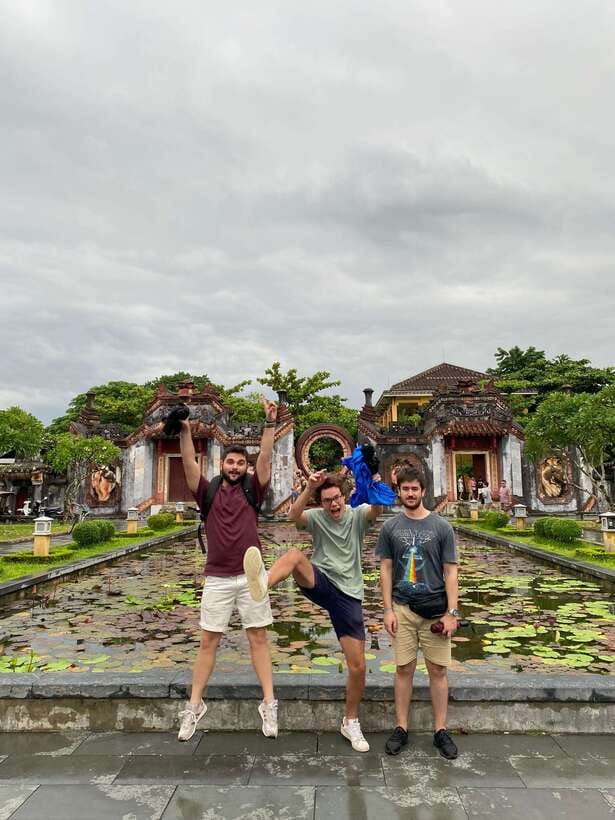
Hoi An Old Town is a place where it’s tempting to wander until you’ve “seen everything.” The problem is you’ll notice plenty, but you won’t always understand what you’re looking at.
This tour is designed to fix that. You get a route that ties together architecture, places of worship, and the “everyday” side of town, plus time at each stop for photos and a short breather. Reviews also mention the pace feeling manageable—your guide keeps things from becoming a sprint.
And because you’re in a group of up to 10, it’s easier to stay together through narrow lanes. When crowds spike (one guide handled Tet crowds by keeping the group close), that small-group advantage becomes real.
Ba Mu Temple Gate: Your First Clue to the Town’s Layout
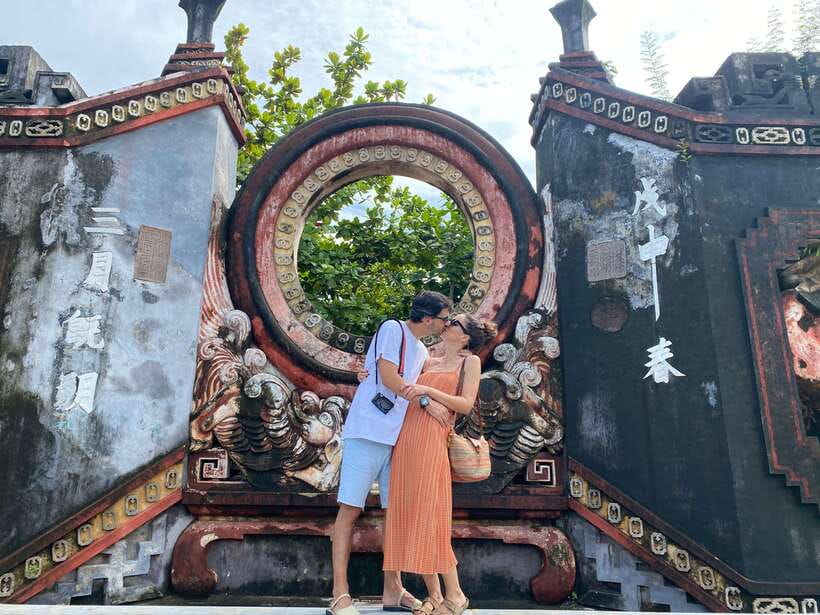
The tour begins by visiting the Ba Mu Temple gate. Even if you’re not a “temple person,” this is a useful starting point because it sets the tone for how Hoi An’s streets connect to community life.
What I like here is that you’re not only looking at buildings—you’re learning how the town thinks. A gate like this isn’t random decoration; it’s a signpost to older ways of organizing space, movement, and belief.
Practical note: wear comfortable clothes and shoes with grip. You’ll be walking enough that your feet will start making decisions for you.
Fujian/Cantonese Assembly Hall: Notice the Details, Not Just the Photos

Next up is the Fujian/Cantonese Assembly Hall in Hoi An. This kind of hall is where immigrant communities often left their mark—so you’re seeing a snapshot of how Hoi An became a meeting point, not an isolated village.
Your guide’s job at this stop is to translate what you’re seeing into something you can remember later: which elements matter, why the building looks the way it does, and how it fits into the town’s social history.
If you’re the kind of traveler who likes context while everyone else is just snapping pictures, this is one of the better stops for that.
The Japanese-Covered Bridge: A Postcard View With Meaning
Then you’ll visit the Japanese-covered bridge—the one people instantly recognize in photos. The value of a guided visit is that you’re not just there for symmetry and views.
Your guide explains the landmark in a way that helps it stick in your brain. You’ll also get time to take photos, and the tour includes hidden alleys and photo spots, so you’re likely to find angles you’d miss if you just walked straight through.
This is also one of those spots where crowds can thicken. Your guide helps you keep the group together without turning it into an awkward shuffle.
You can also read our reviews of more guided tours in Hoi An






Kazik Park Break: Crowd Control and a Quick Reset
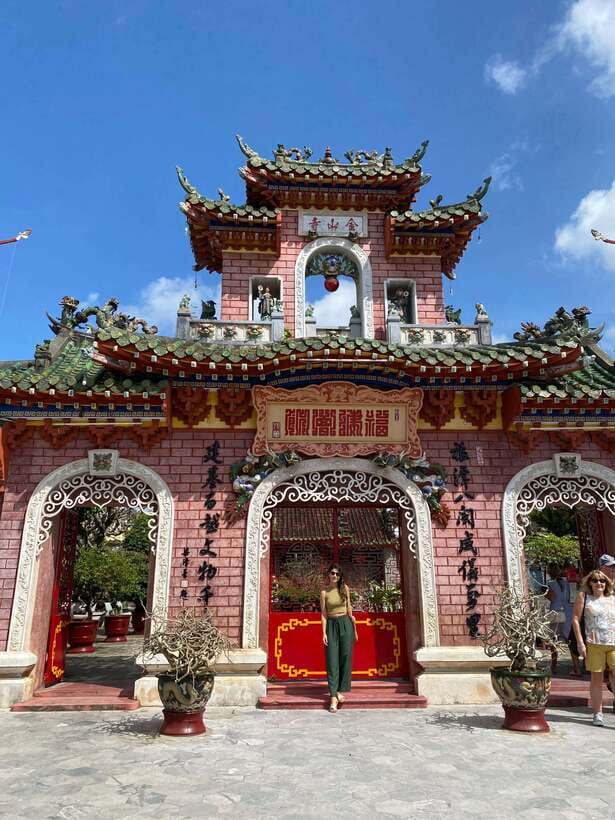
After the bridge, you’ll stop at Kazik Park. This is a breather moment. A park stop in a walking tour isn’t just about sitting down—it’s about resetting your attention so you can appreciate what comes next.
In practice, this also helps when the Old Town gets lively. You’re not constantly “on,” and you’ll be ready for the heritage houses and museum-type stops without feeling rushed.
Tấn Kí Heritage House: Understanding Old Homes as Systems

The tour continues to Tấn Kí Heritage House. Heritage houses are a different kind of attraction than temples or bridges: they’re about daily life, family organization, and how space gets used.
A guide helps you “read” the layout—what parts likely mattered most, and why these homes were built for function, not just beauty. Reviews mention guides answering questions and tailoring explanations to what the group wants to know, which makes this stop more than just a quick look.
One drawback to consider: heritage sites like this can be busy, and you may have to wait a moment to get your photos. If that bugs you, arrive with patience and a plan to prioritize understanding over perfect shots.
Traditional Art Performance House: The Town’s Creative Side
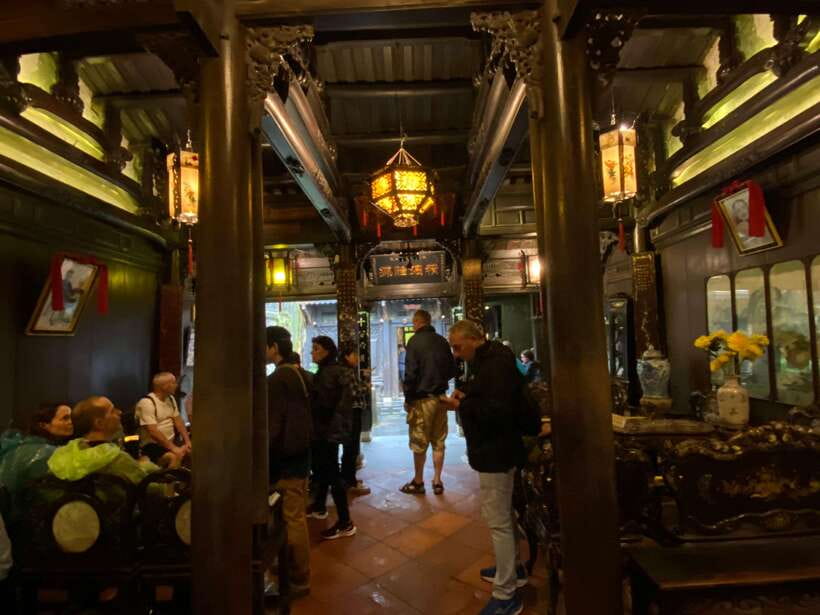
Next is the Hoi An Traditional Art Performance House. This stop adds a layer that most first-time visitors miss. You’re not only seeing what’s old—you’re seeing how tradition continues in a public way.
Even if you don’t stay for a full performance (the tour data here focuses on visiting), you can still get value from learning what the place represents and how local culture is presented to visitors. It helps you connect the history you saw earlier to the living version you’ll encounter later in shops, shows, and community events.
Museum of Folk Culture: Put the Pieces Together
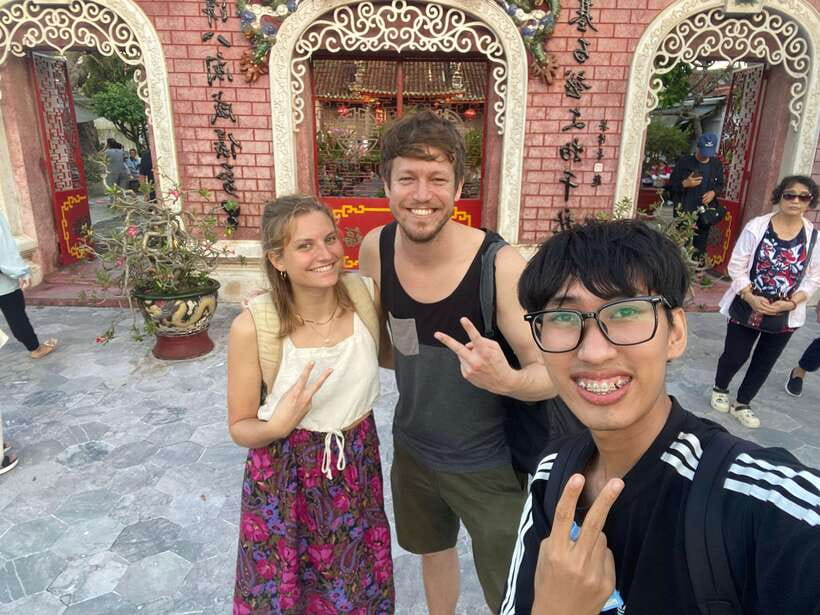
The Museum of Folk Culture is where the tour starts feeling like a story arc instead of a lineup of stops. Museums can be hit-or-miss on tours, but in this case it helps because you’ve already been taught what to look for at the earlier heritage sites.
Your guide’s storytelling matters here. Instead of walking through rooms like a checklist, you’ll have clearer context for what different objects and displays mean. Several reviews highlight that guides kept the tour engaging and fun while still explaining clearly, and this stop is exactly where that approach pays off.
Hoi An Market: The Everyday Ending You’ll Actually Use
The last major stop is Hoi An Market. This is where the tour shifts from heritage back into real life.
Markets help you understand what locals buy, cook with, and treat as normal—so your later meals make more sense. If you’re heading out afterward to find lunch or snacks, this stop can act like a mental warm-up: now you recognize what you’re seeing and what you’re ordering.
If you love photographing street life, this is also a strong finish. The earlier “photo spots” prep you to notice composition, but the market gives you the texture you can’t stage.
Tea or Local Dessert: The Break That Makes the Whole Tour Feel Human
A key inclusion is traditional dessert or local tea. This isn’t just a token; it’s one of the most civilized parts of a walking tour.
A few reviews also mention an included herbal drink at a place called Mót at the end of the experience. So if you’re choosing this tour because you want at least one memorable taste, you’re in the right place. Either way, you’re getting a pause that lets your feet recover and your head keep absorbing information.
Restaurant, Coffee, and Tailor Tips: The Hidden Value of a Local Guide
The tour doesn’t end when you leave the sites. One of the practical wins is that your guide shares recommendations for restaurants, coffee shops, and tailor shops.
This is especially useful in Hoi An, where it’s easy to land in places that look good but don’t match your tastes, budget, or time. A guide’s “where locals go” suggestions can help you avoid wasting hours.
I also like that the recommendations tend to feel specific: not just generic advice, but options that fit your day after the tour.
Skipping the Line: How “Fast” Can Still Feel Relaxed
The tour includes skip-the-line access through a separate entrance for the UNESCO heritage area. That’s a real advantage when crowds build, because waiting in lines can turn a walking tour into a mood killer.
Just plan around the time you’ll spend at each stop. Even with skip-the-line access, you still want to enjoy the sites, not rush them. This is why the tour structure matters—especially with those indoor breaks.
Price and What You’re Really Paying For ($14 + Entrance Ticket)
At $14 per person for a roughly 150-minute tour, you’re paying for a compact, guided route through multiple heritage locations plus an included tea or dessert. That’s good value when you remember you’re not just paying for walking—you’re paying for translation: local context, explanations, and the logic behind where you’re headed next.
The extra cost you must budget is the UNESCO entrance ticket: 120,000 VND per person, and it’s required in cash only. This doesn’t make the tour expensive, but it does mean you should keep some dong handy before you start.
Also note: the tour doesn’t include pickup/drop-off. If you’re already in central Hoi An, that’s usually a non-issue. If you’re staying farther out, build in the travel time so the tour start doesn’t become stressful.
Crowd Season Reality: You’ll Still Need Flexibility
Hoi An can get busy, and some reviews specifically mention Tet crowds. The good news is the group stays together and the guide manages the pacing and closeness through narrow lanes.
Still, don’t expect Old Town to feel empty. Even with a small group and guidance, you’ll share the space with other visitors. I find the best approach is to stop trying to control everything and instead focus on what you can control: wear comfy shoes, take short breaks when offered, and let the route do its job.
Who This Tour Suits Best
This tour is a strong match if you:
- want a fast, organized introduction to Hoi An Ancient Town
- like learning through stories tied to buildings and daily life
- prefer small-group pacing over large bus-tour chaos
- care about practical after-tour help, like where to eat and where to get tailoring
If you’re traveling with very small kids, note that babies under 1 year aren’t suitable, and baby strollers aren’t allowed. For everyone else, comfortable walking clothes are the main requirement.
Should You Book This Hoi An Ancient Town Walking Tour?
Yes—especially as a first stop in your Hoi An stay. The tour gives you the kind of orientation that makes the rest of your trip easier: you’ll understand what you’re looking at, where the important landmarks fit together, and how to plan your meals afterward.
Book it if you want value through a trained local English guide, a route that hits the key heritage sites, and a comfortable small-group experience with indoor breaks. It’s also a smart choice if you don’t want to spend your vacation time guessing which alley hides the best viewpoint.
Skip it only if you already know Hoi An’s layout and you hate paying an extra 120,000 VND cash entrance fee. Otherwise, this is one of the best ways to start “getting” Old Town fast—without turning the day into aimless wandering.
FAQ
How long is the Hoi An Ancient Town walking tour?
The tour lasts about 150 minutes (about 2.5 hours).
What group size is this tour?
It’s a small-group tour with a maximum of 10 participants.
Where do I meet the guide?
Meet at 95 Đ. Phan Chu Trinh Street, Hoi An, in front of a tailor shop at the corner of the intersection.
What’s included in the tour price?
You get a local English-speaking guide, a walking tour with small-group pacing, visits to key heritage sites, photo stops in hidden alleys, and a traditional dessert or local tea. You’ll also receive recommendations for places to eat, coffee shops, tailor shops, and other activities.
Do I need to buy an entrance ticket?
Yes. There is a required entrance ticket of 120,000 VND per person for the UNESCO heritage site, and it’s in cash only.
Is pick-up or drop-off included?
No. Pick up and drop off are not included.
What language is the tour guide?
The tour is in English.
What should I bring?
Wear comfortable clothes suitable for walking.
Is free cancellation available?
Yes. You can cancel up to 24 hours in advance for a full refund.