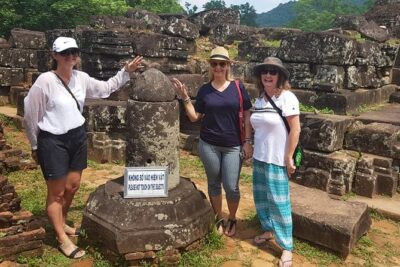
This half-day feels like a shortcut to real village Vietnam. You’re picked up in Hoi An, then sent out past the old-town crowd for hands-on craft visits, a coconut-basket boat ride, and views of the Thu Bon River mouth. I really like that it’s private (your group only) yet structured, so you get a lot of variety without it turning into a chaotic day-trip.
Two standout things: you’ll meet craftspeople in their working homes (rice paper, incense, and straw mat-making), and you get a coffee stop plus an optional riverside lunch/dinner so the day doesn’t run on empty. One thing to consider: the schedule is packed, and most craft moments are brief, so if you want long, slow hangs with artisans, you may feel a bit rushed.
In This Review
- Key things to know before you go
- From Hoi An old town to Thu Bon River villages (fast and friendly)
- Transport Choice: US-style jeep, Vespa, or modern car
- Cam Kim Island: rice paper and snack-making right by the river
- Kim Bong village incense-making: sitting with a family craft
- Tra Nhieu fishing village: straw mat weaving in a real home
- Duy Vinh coffee house: a break that’s actually useful
- Duy Hai and the Thu Bon River mouth: fish farms, shrimp farms, and big nets
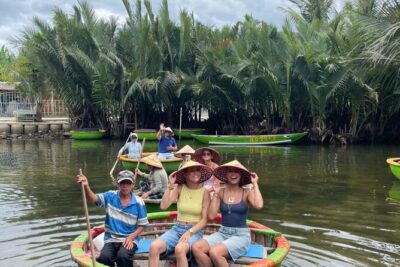
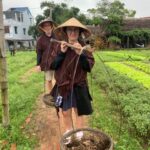
- Cam Thanh basket boat in the water coconut forest
- Tra Que Vegetable Village: herbs, gardens, and farming basics
- Optional riverside lunch/dinner in Hoi An: choose the pace you want
- Price and value: is $65 a good deal for this private tour?
- Who should book this countryside circuit (and who might not)
- My take: should you book it?
- FAQ
- What’s the duration of the private tour?
- Is hotel pickup and drop-off included?
- What’s included besides the guide and transport?
- Can I choose whether to include lunch?
- What activities are part of the countryside route?
- Are any drinks or extra costs expected?
- What should I know about weather?
Key things to know before you go
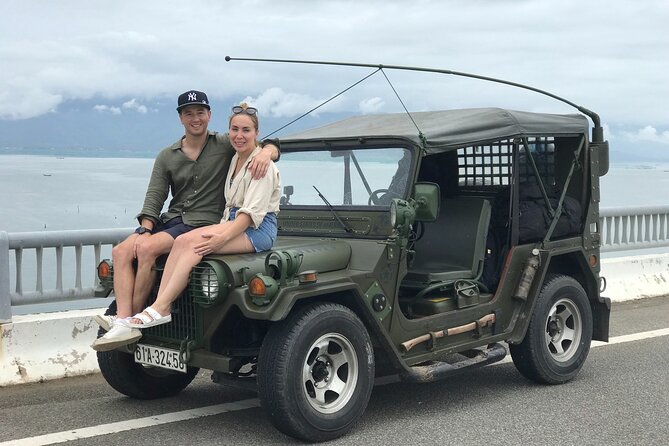
- Choose your ride: US-style military jeep, older army jeep, classic Vespa, or a modern car option
- Crafts happen where they’re made: rice paper, incense sticks, and straw mats with families who do this daily
- A proper basket boat on Cam Thanh: ride through the water coconut forest with a local fisherman
- Quick but meaningful village stops: Tra Que vegetable gardens for herbs and traditional farming
- Coffee and washroom breaks are built in: you’re not just driving straight through
- Meal is optional: you can add lunch/dinner, or book the shorter food-less version
From Hoi An old town to Thu Bon River villages (fast and friendly)
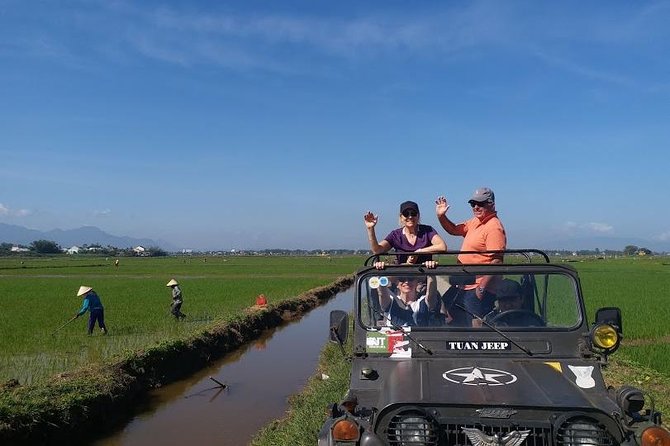
Pickup and drop-off make this tour easy. If you’re staying in the Hoi An area (within about 8 km of the old town), you’ll get picked up directly from your hotel. If you’re based farther out, including Da Nang or specific resort zones, you’ll start at the tour office meeting point instead.
This tour is designed for a half-day window. That matters because Hoi An day trips can balloon into half your vacation day. Here, the driving time is purposeful. You’ll move from one craft or village area to the next, with small timed visits so you don’t lose the whole afternoon waiting around.
Guides run the day with a calm, clear rhythm. In multiple tour accounts, guides like Trang and Kha are praised for strong English and for explaining what you’re seeing in plain language. That kind of context is what turns photos into understanding.
You can also read our reviews of more private tours in Hoi An


Transport Choice: US-style jeep, Vespa, or modern car
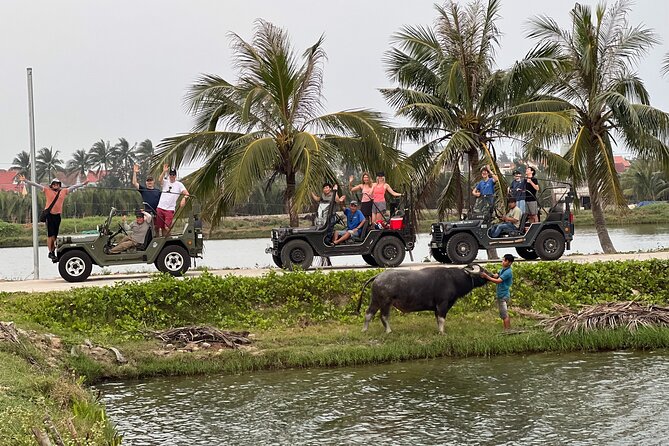
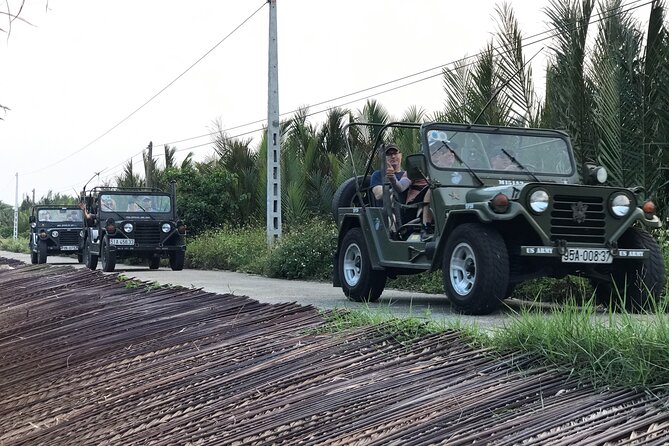
The ride is part of the charm. Depending on what’s available when you book, you can go in an army-style jeep (including US military versions) or a modern car/van option, with the Vespa also listed as a choice. Even if you’re not a thrill-seeker, the transport changes the feel of the day.
A jeep ride makes sense for this kind of rural route. It’s higher off the ground for country roads, and it keeps everyone together when the road gets busy. Plus, it’s simply more memorable than a regular taxi hop.
If you’re traveling with kids, you’ll likely appreciate that the ride is a day-long activity, not just transportation. And if you have mobility concerns, it’s worth knowing that at least one guide adapted the pace and needs for an elderly guest who wasn’t very mobile, which suggests the crew can adjust where practical.
Cam Kim Island: rice paper and snack-making right by the river
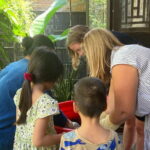
Cam Kim Island is your first taste of how people build daily life around the Thu Bon River. You cross over to the island area and start with rice paper and local snacks. This isn’t a museum-style demo. It’s the kind of work where you see how ingredients turn into food people eat and sell.
A nice detail here is the human scale. One craft account focuses on a 65-year-old couple who are masters of tradition, meaning you’re not just watching staff who are hired to perform. You’re meeting people who live it.
If you like food you can actually connect to real places, this is a good start. Rice paper and snacks show up all over Vietnamese menus, but seeing how they’re made makes the rest of your trip tastier.
Kim Bong village incense-making: sitting with a family craft
From Cam Kim, you continue into incense-making territory in Kim Bong village. Expect a quieter, slower-feeling session compared with the food stop. You’ll sit down with a family that’s been making incense for generations, and you’ll learn how the craft works as a livelihood.
This stop tends to be memorable for one reason: it’s repetitive work done with skill. When you watch how families keep quality consistent over years, you stop thinking of it as a souvenir production line. It becomes a trade.
Admission is included here, and the time on-site is short (about 15 minutes). That can be good, because it keeps the day moving, but it also means you’ll want to ask questions early rather than waiting until the final moments.
Tra Nhieu fishing village: straw mat weaving in a real home

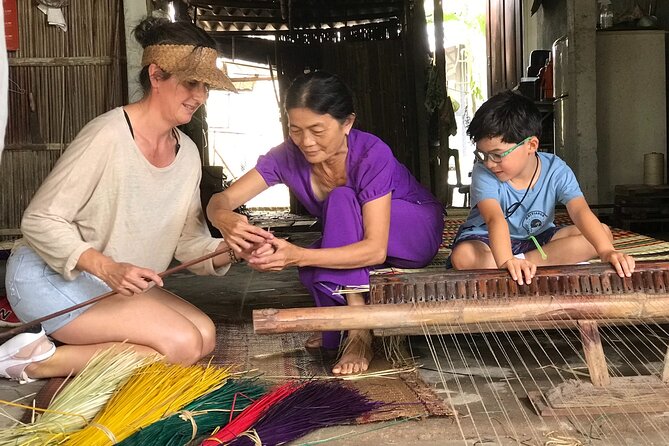
Next comes straw mat-making in a traditional home setting in the Tra Nhieu fishing village area. You’ll meet a 70-year-old couple known for mat weaving, and you’ll see how straw is handled and shaped into practical items.
This is the stop I’d recommend for anyone who likes “how it’s made” experiences. The mats aren’t flashy, but they’re essential. You’ll also likely catch the idea that rural crafts aren’t separate from daily living; they’re woven into how people eat, sleep, and earn.
The visit is brief (around 15 minutes). If you’re the type who wants to stay longer and practice the technique, do ask the guide what’s possible. In past private-tour experiences in this region, guides can sometimes extend a little within reason, but the overall schedule is still designed to fit the whole half-day.



Duy Vinh coffee house: a break that’s actually useful
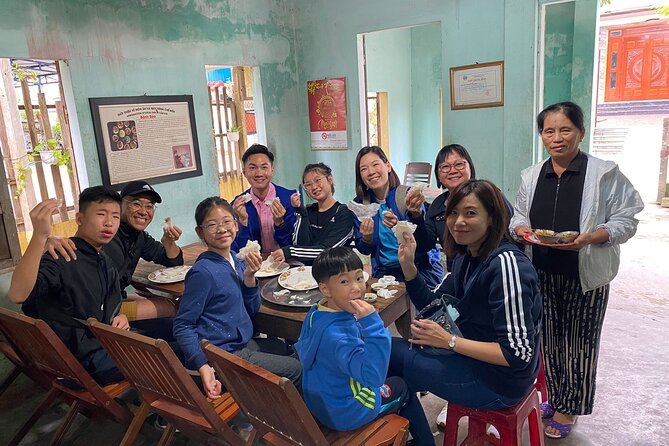
You’ll pause in Duy Vinh at a coffee house. The point isn’t just caffeine. It’s a real break with a view, bottled water, and a washroom stop so you can reset.
Vietnamese coffee culture is built into the stop. You’re offered a tasty coffee here, and this stop gives you a chance to ask more questions about what you saw earlier. In other words, it’s not a detour. It’s the mental reset that makes the rest of the tour feel smoother.
If you want to buy a quick snack or extra drink, be aware only coffee is included. Other drinks are personal expenses.
Duy Hai and the Thu Bon River mouth: fish farms, shrimp farms, and big nets
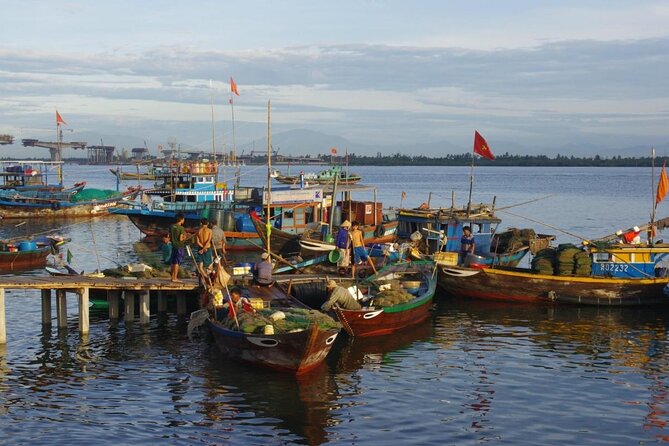
After coffee, you switch from craft-focused visits to big-picture rural views. Duy Hai is where you drive over higher bridges for panoramic sightlines of fish farms, shrimp farms, rice paddies, and big fishing nets near the Thu Bon River mouth.
This is the part many people forget to plan for in Hoi An. You can stare at old town lantern streets all day, but the river economy is what keeps a huge part of the region working. Seeing fish farms and net setups helps you understand why people keep returning to the river again and again.
The time here is short (around 20 minutes), but you’ll get a sense of the scale. It’s also a nice photo window, especially if you can manage a few seconds on each side of the bridge before the driver moves you along.
Cam Thanh basket boat in the water coconut forest
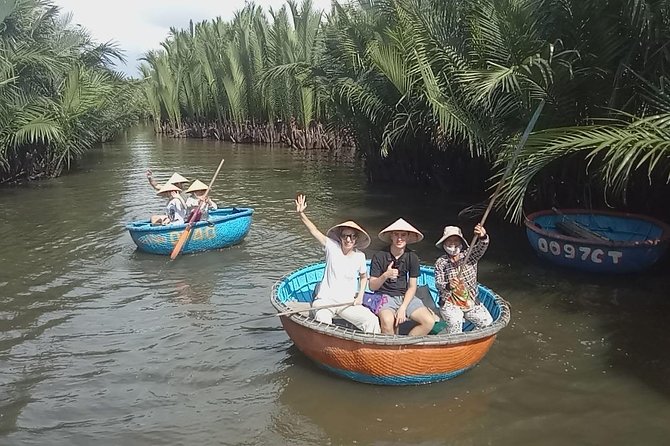
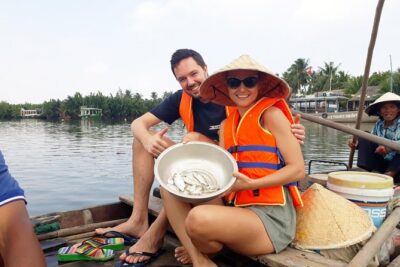
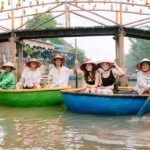
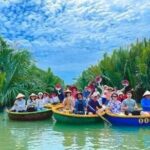
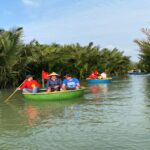
Now for the boat time. Cam Thanh is the famous setting for the water coconut forest, where you hop into a round basket boat with a local fisherman. The ride is set up as a relaxing segment, under the shade of coconut trees, where you don’t need to “perform” anything. You just go.
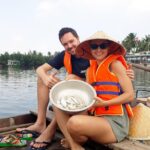
The itinerary notes that you use a fishing rod during the basket-boat experience, and multiple accounts mention fishing and catching small crabs as part of the fun. Even if you don’t end up doing much with the rod, the key value is the calm, local-led ride through the forest.
This stop is a good break from sitting in homes and craft workshops. It stretches time in a way the rest of the tour can’t.
Tra Que Vegetable Village: herbs, gardens, and farming basics
Tra Que is where you reconnect to the flavors that Hoi An is known for. You’ll visit the vegetable village and see how people grow vegetables in their gardens. The focus here is traditional farming methods, with a chance to smell the herbs and take pictures.
This is a good stop if you like food detail. When you understand how herb gardens work, you’ll notice them in local dishes afterward. It also gives you a change of pace: less talk about crafts, more about everyday production.
The visit is short (about 15 minutes), but it’s enough to understand what makes Tra Que distinct. The best part is how practical it feels. You’re not just looking at plants. You’re seeing how the region feeds itself.
Optional riverside lunch/dinner in Hoi An: choose the pace you want
Your tour ends with a meal option in Hoi An. You’ll have time for a delicious Vietnamese lunch (or dinner, depending on timing) in a riverside restaurant. The meal block is around an hour, which is a sweet spot in a half-day itinerary. You get food, but you don’t lose the whole schedule.
Some people treat this as the best part of the day for a reason: after visiting craft families and fishing villages, eating feels like a continuation of the same story. You’re tasting what the countryside helps produce.
If you’re booking the option without the meal, you’ll likely be a bit more flexible on your own dinner plans later. Just know that lunch is included in the meal option pricing, and the coffee stop plus water helps keep you comfortable even if you choose the lighter version.
Price and value: is $65 a good deal for this private tour?
At $65 per person for a private half-day, the value mostly comes down to what you’re getting bundled in.
You’re not just paying for a car and a guide. Entrance fees and tickets at the craft visits are included, plus taxes and donations at local homes. Bottled water is provided, and you also get a coffee stop with a washroom break. On top of that, you can pick your transport style.
You’ll still want to watch extras:
- other drinks are not included
- tipping is optional
- private one-way transfers from farther locations into Hoi An town aren’t included
But for the core experience—pickup/drop-off in the Hoi An radius, a strong English-speaking guide, and multiple village stops—this price is competitive. It’s also a better deal than trying to stitch these activities together yourself, since the timing and introductions are built in.
One more value point: private tours reduce the “waiting for strangers” problem. In accounts of this tour, guides like Trang and Kha are praised for adapting to needs and keeping things running smoothly, which is exactly what you want when you’re on a short clock.
Who should book this countryside circuit (and who might not)
This is a great fit if you want rural life near Hoi An, not just old town sights. It suits:
- couples and friends who like culture through real work (crafts and farms)
- families with kids, since the day is packed with quick, visual moments and the guide-to-group focus helps
- travelers who want a calmer alternative to motorbike-only sightseeing
I’d suggest thinking twice if you hate time limits. The craft stops are short by design. You’ll get a lot of variety, but not long studio sessions.
The good news is that the guides seem to take needs seriously. One account notes that the guide adapted for an elderly guest with limited mobility, and another highlights quick care when someone felt sick from earlier food. That tells me the staff isn’t just reading scripts; they’re paying attention.
Service animals are allowed, and the tour is described as something most travelers can participate in, so it’s generally approachable. Still, you should expect some walking and getting in and out of vehicles and boat transfers typical of countryside outings.
My take: should you book it?
Yes, if your goal is to spend time with real people doing real work outside the main tourist lanes. The combination of craft families, basket boat time, and a meal option makes this feel like a complete half-day rather than a sequence of quick stops.
Book it especially if you:
- want a private guide with strong English (Trang and Kha are repeatedly named for this)
- like learning by seeing how everyday items are made (rice paper, incense, mats)
- want both river-water scenery and village garden life (Thu Bon view + Tra Que herbs)
Skip it if you want slow travel, long workshops, or lots of free time with no schedule. This is structured, and it moves.
If you’re flexible on transport style, ask for the jeep or Vespa option when booking. Even if you’re not chasing adrenaline, it adds to the day’s story in a way a standard car ride can’t.
FAQ
What’s the duration of the private tour?
It runs about 4 to 5 hours.
Is hotel pickup and drop-off included?
Pickup and drop-off are included for hotels in and around the Hoi An area within about 8 km of the old town. If you’re staying farther out (including some Da Nang resorts and certain Hoi An resort zones), you may need to meet at the office to start.
What’s included besides the guide and transport?
You’ll have an English-speaking local guide and driver(s), bottled water, a coffee stop, clean washrooms, and entrance fees/tickets at local homes are included. Admission and related fees are listed as included to prevent hidden costs.
Can I choose whether to include lunch?
Yes. There’s an option that includes Vietnamese lunch or dinner, and another option without the meal.
What activities are part of the countryside route?
You’ll visit craft areas such as rice paper and snack-making on Cam Kim Island, incense-making, and straw mat weaving. You’ll also see fish farm and river-mouth views, ride a round basket boat in Cam Thanh’s water coconut forest, and visit Tra Que Vegetable Village.
Are any drinks or extra costs expected?
Other drinks and personal expenses aren’t included. Tipping is optional but appreciated.
What should I know about weather?
The experience requires good weather. If poor weather cancels it, you’ll be offered a different date or a full refund.