
REVIEW · HOI AN
Hoian Old Town – Immersive Free Walking Tour
Book on GetYourGuide →Operated by Quoc Le · Bookable on GetYourGuide
Hoi An Old Town goes by fast, but this walk keeps you oriented. I like the small group size and the English guidance from Quoc Le, so the stories feel personal instead of generic. I especially like the combo of the Japanese Covered Bridge and the traditional performance stop—though the UNESCO entrance fee is an extra you’ll want to budget for.
In just two hours, you get a practical circuit through the sights that define the old port era. You’ll see key buildings and meeting halls, plus a lively dance and concert-style show at the Hoi An Traditional Art Performance Theatre. The one thing to watch: the tour runs rain or shine, so comfortable clothes (and a plan for weather) matter.
In This Review
- Key highlights worth your time
- Why this 2-hour Old Town walk makes Hoi An easier to enjoy
- Meeting at 125 Phan Chu Trinh and what to wear
- Japanese Covered Bridge: the postcard stop with real context
- Old House of Tan Ky: where daily life is written into the wood
- Hoi An Traditional Art Performance Theatre: a 45-minute break with payoff
- Fujian (Cantonese) assembly hall links: how communities shaped Hoi An
- Kazik Park and Phung Hung Ancient House: quieter stops for slower noticing
- Hoi An Central Market finish: your easy next move
- Price and UNESCO ticket math: what you’re really paying
- Weather-proof walking: rain or shine changes your strategy
- Who should book this tour (and who might skip it)
- Should you book the Hoi An Old Town Immersive Free Walking Tour?
- FAQ
- How long is the tour?
- How much does the tour cost?
- Is there a UNESCO entrance fee?
- Is the tour free, since it says free walking tour?
- What’s the group size and language?
- Where do I meet the guide and what should I wear?
Key highlights worth your time
- Japanese Covered Bridge: one of Hoi An’s most recognizable symbols, explained in context
- Hoi An Traditional Art Performance Theatre: a set piece stop that breaks up the walking
- Phung Hung Ancient House: a quieter old-house moment where details pay off
- Assembly halls (Fujian/Cantonese links): see how different communities shaped the town
- Hoi An Central Market finish: an easy place to continue exploring food and local life
- Tip-based format with a clear guide: $10 covers the tour, then you decide your contribution
Why this 2-hour Old Town walk makes Hoi An easier to enjoy
Hoi An is one of those places where “seeing it” quickly is possible, but understanding it takes a little help. This tour is built for that middle ground. Two hours is long enough to connect the dots between landmark architecture and the way the town worked as a trading port, but short enough that you don’t end up sprinting.
The small group helps too. With limited participants (it’s capped at 5), you can actually hear explanations, ask questions, and keep moving without feeling like you’re stuck behind a crowd. For your first day, that matters. You’ll leave with a clearer sense of what you want to revisit on your own.
And it’s not only temples and photo stops. A big value here is the mix: heritage buildings, community assembly halls, and a traditional art performance. That rhythm keeps the walk from turning into a checklist.
You can also read our reviews of more walking tours in Hoi An



Meeting at 125 Phan Chu Trinh and what to wear

Your meeting point is 125 Phan Chu Trinh. The guide will be wearing a white T-shirt with a shoulder bag—easy to spot once you know what to look for.
Dress for comfort first. You’ll want comfortable clothes because you’re walking through Old Town lanes for the full two hours. The tour also has rules against loose clothing and see-through clothing, so keep it practical rather than trendy.
If you’re traveling with older family members, note the age limit: it’s not suitable for people over 95. If you’re within that range, you’ll still want to pace yourself, especially during wetter weather since the tour continues rain or shine.
Japanese Covered Bridge: the postcard stop with real context
The Japanese Covered Bridge is where most people snap a photo—and where this tour makes that photo mean something. You’ll get a short visit and sightseeing window (about 10 minutes), which is just enough time to orient yourself and learn what you’re actually looking at.
What I like about this stop is timing. It happens early, so you start with a clear visual anchor. From there, the rest of the old-town architecture makes more sense: you begin to see how Hoi An’s trading links influenced the styles and cultural layers you’ll keep encountering.
One practical tip: don’t try to linger too long if you’re chasing the group. The tour is designed as a tight loop, and the earlier landmarks are meant to set your bearings fast.
Old House of Tan Ky: where daily life is written into the wood
Next up is the Old House of Tan Ky. This is another short stop (about 10 minutes), but it’s the kind of place where even a quick visit can pay off if you know what to look for.
Old houses like this are more than static architecture. They reflect how families lived, how wealth moved through the port economy, and how craftsmanship mattered. If you’re the type who likes details—carved woodwork, layout logic, and the feeling of a lived-in historic space—this will land well even with the short time slot.
If you prefer deeper museum-style pacing, you might want to come back later. This tour gives you the foundation. Afterward, you can return to spend longer with your own questions.
Hoi An Traditional Art Performance Theatre: a 45-minute break with payoff
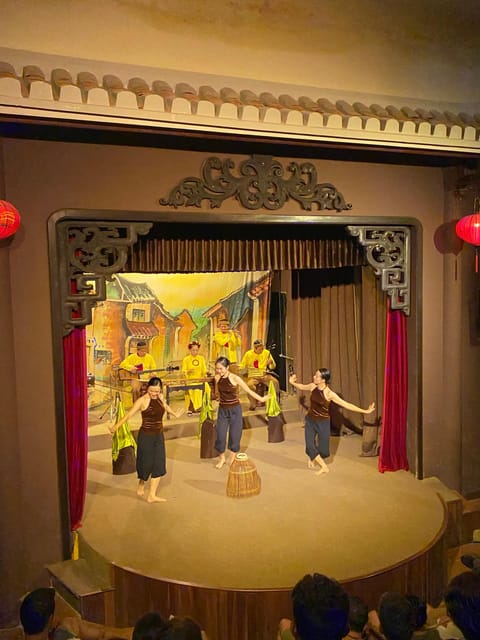
The big “sit down and reset” moment is the Hoi An Traditional Art Performance Theatre stop, which lasts about 45 minutes. This is not a casual background activity. The tour includes a performance element—concert and dance show-style entertainment—so you get a break from walking while still staying on-theme.
Why it’s valuable: it turns culture from something you read about into something you watch. In a place shaped by centuries of trade and cultural mixing, the arts are one of the easiest ways to feel that blend without hunting for niche sources.
Practical advice: because it’s a set-length show, you’ll want to arrive with your energy intact. Use the performance time to cool down, hydrate if needed, and then rejoin the walk with fresh momentum.





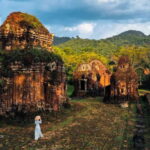
Fujian (Cantonese) assembly hall links: how communities shaped Hoi An
After the theatre, you’ll visit the Fujian Assembly Hall (about 10 minutes). The tour’s overall route also references Cantonese assembly hall context, which matters because these meeting halls are where community identity showed up in built form.
These sites work like cultural headquarters for people tied to trade networks and shared origins. In many historic ports, assembly halls helped newcomers, reinforced community bonds, and supported rituals and public events. In other words: they weren’t only buildings. They were social infrastructure.
The short time window means you won’t get every angle. But you will get a framework. Once you understand why these halls existed, you’ll notice patterns on your own later—especially if you keep walking the Old Town after the tour ends.
Kazik Park and Phung Hung Ancient House: quieter stops for slower noticing
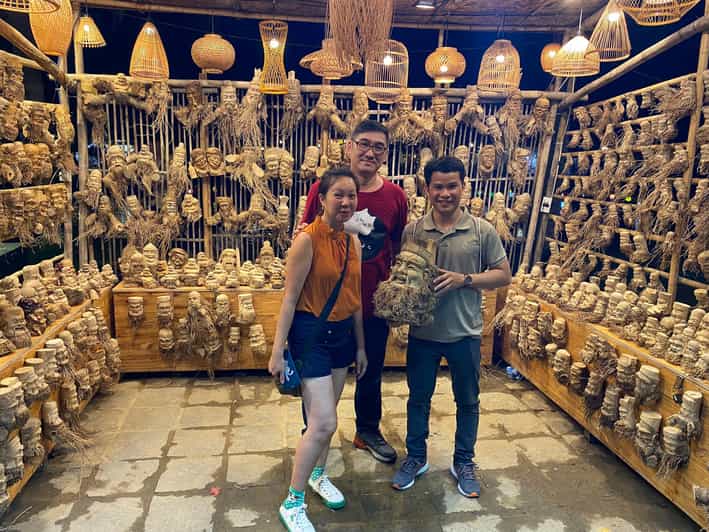
The tour includes Kazik Park and the Phung Hung Ancient House, both of which are stops you’ll feel as a change of pace. Kazik Park (around 10 minutes) gives you a breathing space in the middle of the historic walking loop, which helps if you’re sensitive to heat, crowds, or constant standing.
Phung Hung Ancient House is one of the best stops for people who like the “real old” feel rather than only the famous icons. It’s part of the tour’s heritage-house set, and it adds variety to the mix you already got from Tan Ky and the bridge.
The time you spend at each stop is controlled, so the tour isn’t trying to wear you out. Instead, it plants seeds. If you’re the type who enjoys taking a second pass later, these quieter stops are exactly what you want on your first visit.
Hoi An Central Market finish: your easy next move
The tour ends at Hoi An Market. The Central Market finish makes sense because it’s practical. After two hours of heritage buildings and performance, you’ll likely be ready for food, snacks, and browsing without planning.
This is also where you can turn the tour into a full evening. If you learned what to look for in the old port culture, the market becomes more than a place to buy stuff. It becomes a place to see everyday life: what’s being sold, how people move through spaces, and what a market actually feels like after the sights.
Go with an open stomach. Even if you only sample one or two items, you’ll learn more about the town’s daily rhythm than you would by sticking to only “top attraction” stops.
Price and UNESCO ticket math: what you’re really paying
The tour price is $10 per person for a 2-hour walking experience with an English-speaking guide and a small group size (max 5). On its own, that’s solid value because the guide component matters. Hoi An isn’t just scenery—you want context.
Here’s the part to budget for: UNESCO entrance tickets are required for UNESCO attractions in Hoi An, and the ticket cost is $5 (120,000 VND) per ticket. Importantly, that UNESCO fee is not included.
So your realistic “day-of” budget is:
- $10 for the tour
- about $5 for the UNESCO ticket
- plus your optional tip
Then there’s the tip-based format. You can pay what you want. The guide to tipping is given clearly: 250,000 VND per person for Nice, and 300,000 VND to 400,000 VND per person for great.
How to think about this: treat tipping like you’re paying for the quality of the storytelling and group experience, not like it’s a hidden charge. If the guide keeps you engaged, helps you understand what you see, and keeps the pace good for a small group, that higher end is an easy choice.
Weather-proof walking: rain or shine changes your strategy
The tour operates rain or shine. That’s common in Vietnam, but it affects how you prepare.
If it’s wet, you’ll want comfortable, non-slip shoes. You also might want something light for rain since you’ll be outside between stops. Loose clothing is not allowed, which matters because some people reach for plastic ponchos that catch wind. Keep it tidy and practical.
If the weather is hot and bright, the short stop lengths become your friend. You’re never stuck waiting too long at one place, and the theatre break helps you cool down.
Who should book this tour (and who might skip it)
This tour is a strong fit if you:
- want an easy first-day plan in Hoi An Old Town
- like learning why buildings exist, not only photographing them
- prefer a guided route through heritage areas over wandering alone without a sense of order
- enjoy cultural performances and want that included without extra searching
You might consider a different option if you:
- want a longer, slower walkthrough inside UNESCO areas (this tour is short at each stop)
- hate any walking in rain despite the weather-proof format
- need an itinerary with no seated performance element (since the theatre stop is built in)
And since it’s small-group, it’s especially good when you don’t want to be swallowed by a large crowd. With only up to 5 participants, it feels more like a guided stroll than a conveyor belt.
Should you book the Hoi An Old Town Immersive Free Walking Tour?
I’d book it if you want a smart orientation in Hoi An without spending time piecing together a route. The mix of Japanese Covered Bridge, Old House of Tan Ky, community assembly halls, and a 45-minute traditional art performance gives you several ways to understand the town—architecture, community, and culture in one loop.
It’s also budget-friendly once you accept the simple math: tour price plus UNESCO ticket, then tip if you feel the guide earned it. The tipping guidance (250,000 VND Nice; 300,000–400,000 VND great) makes it easy to decide.
If you’re aiming to maximize your first two hours in the old town, this is one of the cleaner options. Just come prepared for rain or heat, wear comfortable clothes, and bring a mindset of learning as you walk.
FAQ
How long is the tour?
The tour lasts about 2 hours.
How much does the tour cost?
It’s $10 per person.
Is there a UNESCO entrance fee?
Yes. UNESCO attractions require an entrance ticket priced at $5 (120,000 VND) per ticket. This fee is not included.
Is the tour free, since it says free walking tour?
It’s tip-based. You pay $10 for the tour, and you can tip what you feel is appropriate. The guide suggests 250,000 VND per person for Nice and 300,000–400,000 VND per person for great.
What’s the group size and language?
The group is small, limited to 5 participants, and the tour guide speaks English.
Where do I meet the guide and what should I wear?
Meet at 125 Phan Chu Trinh. The guide will be wearing a white T-shirt with a shoulder bag. Wear comfortable clothes; loose clothing and see-through clothing are not allowed.