REVIEW · HOI AN
Hoi An: Vietnamese Coffee Making Workshop at Local Roastery
Book on GetYourGuide →Operated by GJ Travel Viet Nam · Bookable on GetYourGuide
Vietnamese coffee is craft, not just caffeine. In Hội An, this workshop takes you into a local specialty roastery where you learn hands-on brewing and the stories behind four famous styles. You’ll leave with two cups you made yourself, plus a simple recipe you can copy at home.
I love that the class stays small and interactive, so you actually get hands-on guidance while you brew. I also love the focus on process, from roasting and bean choices to practical steps you can repeat. One possible drawback: the pace can feel a bit tight if other groups are sharing the same space.
This is also a strong “first timer” experience. It’s designed for beginners, runs about 60–75 minutes, and is led in English by roastery staff, including instructors like Tee, Thi, and Houng in past sessions.
In This Review
- Key highlights worth your time
- Why A One-Hour Workshop Feels Surprisingly Complete
- Meeting Trí Long Coffee and Spotting Your Guide in Hội An
- Coffee Culture, Roasting Stories, and What Actually Matters
- Choosing Your Two Drinks: Phin, Egg, Coconut, or Salt
- Hands-On Brewing: What You’ll Do Step by Step
- Brewing Tips You Can Use Right Away
- Sit, Sip, Take Photos, and Actually Enjoy What You Made
- Pricing and Value: Is $16 a Good Deal?
- Who This Workshop Fits Best (and Who Might Skip It)
- My Booking Verdict: Should You Sign Up?
- FAQ
- How long does the Vietnamese coffee making workshop last?
- How much does it cost?
- Which coffee styles can I choose to make?
- Do I need any prior coffee-making experience?
- Where is the meeting point?
- How do I recognize the guide?
- What should I bring?
- What’s included, and what isn’t?
- Can I cancel, and can I reserve without paying right away?
Key highlights worth your time
- Two drinks for your own hands: choose 2 of 4 signature coffees and make both
- Four iconic styles: phin, egg, coconut, or salt coffee
- Roasting and brewing context: you learn what happens before you taste
- English live instruction in a cozy music-filled coffee space
- Take-home materials: many sessions include a recipe printout and a completion certificate
Why A One-Hour Workshop Feels Surprisingly Complete
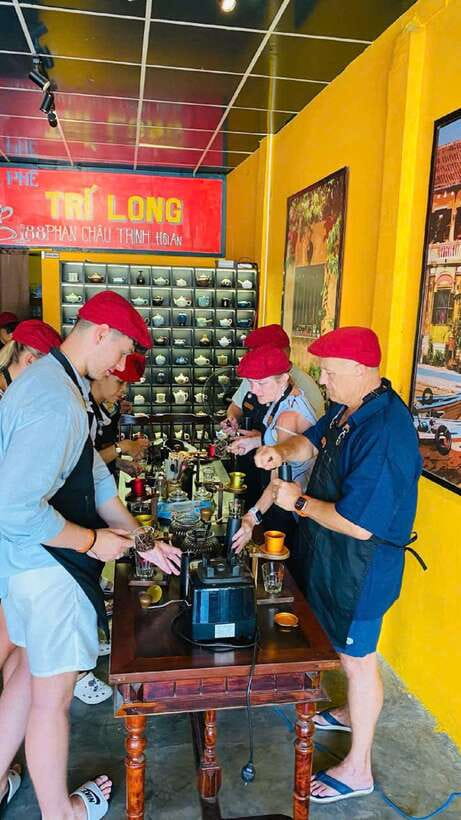
The big reason this works is simple: it’s built around repeatable steps, not just watching someone else work. In about an hour, you get the background you need to understand what you’re making, then you do the brewing yourself.
You also get a focused choice. Instead of being forced into one style, you pick two drinks from phin filter coffee, egg coffee, coconut coffee, or salt coffee, which makes the tasting feel personal. That choice alone adds value because you can tailor the experience to what you already like.
And yes, Vietnamese coffee is famous for a reason, but the best part here is that you learn why the flavors work together. You’re not just collecting a photo. You’re learning how the brewing method and ingredient style change the taste.
You can also read our reviews of more tours and experiences in Hoi An

Meeting Trí Long Coffee and Spotting Your Guide in Hội An
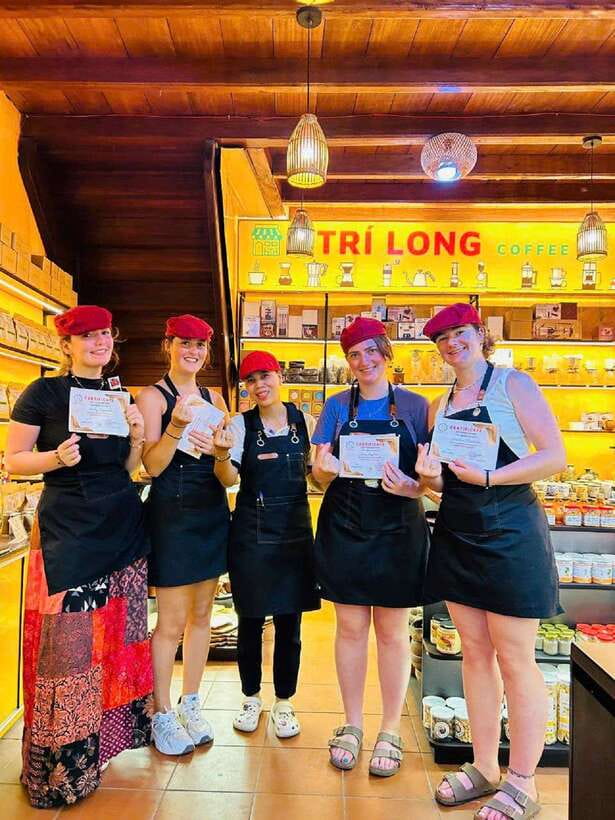
You’ll meet at Trí Long Coffee, 88 Phan Châu Trinh Street, Hội An. This is in the city center, so you’re not scrambling across town just to start the class.
Arrive about 5 minutes early and look outside the shop for your guide wearing a red hat. In practice, that small detail saves time and reduces stress when you’re in a busy walking area.
Also, note what isn’t included: there’s no hotel pickup or transportation. If you’re staying outside the central area, plan your own Grab/taxi route ahead of time so you don’t show up late.
Coffee Culture, Roasting Stories, and What Actually Matters
Before you start mixing anything, you get an intro to Vietnam’s coffee world. Expect a short lesson on how coffee is grown, roasted, and brewed, plus the stories behind iconic local styles. This part is short, but it sets you up to understand what you’re tasting later.
You’ll also hear practical guidance on roasting methods and brewing techniques. Even if you’re brand new, this context helps you connect the dots: why a style tastes a certain way and how brewing changes flavor strength and texture.
This is where the class earns its keep for $16. A lot of “coffee experiences” are mostly about the drink. Here, you get the basics that let you recreate the method at home.
Choosing Your Two Drinks: Phin, Egg, Coconut, or Salt
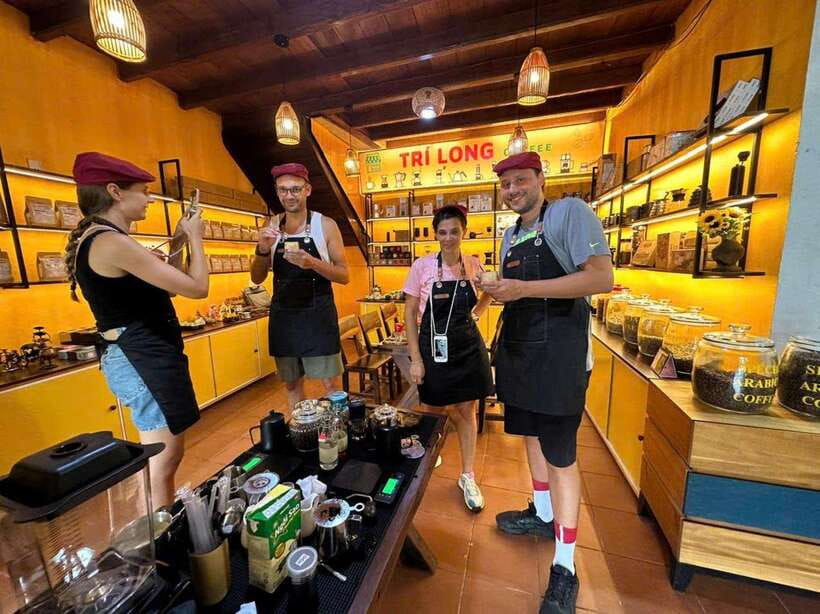
The heart of the workshop is selection. You’ll choose two from four signature styles: phin, egg coffee, coconut coffee, and salt coffee.
Here’s what those choices mean in real life:
- Phin filter coffee is the classic approach. It’s built around the slow drip method, which affects body and how concentrated the coffee feels.
- Egg coffee is all about texture and balance, using a creamy egg-based topping that changes the whole experience from bitter to smooth.
- Coconut coffee leans refreshing and aromatic. It’s popular for people who want something sweet and not overly heavy.
- Salt coffee sounds unusual until you taste it. The salt changes how sweetness and coffee bitterness land on your palate.
What I like is that you’re not stuck making the “most traditional” one only. You can pair two styles that match your mood. If you’re traveling with someone who likes different things, this choice also makes the class more fun because you can pick different combinations.
Hands-On Brewing: What You’ll Do Step by Step
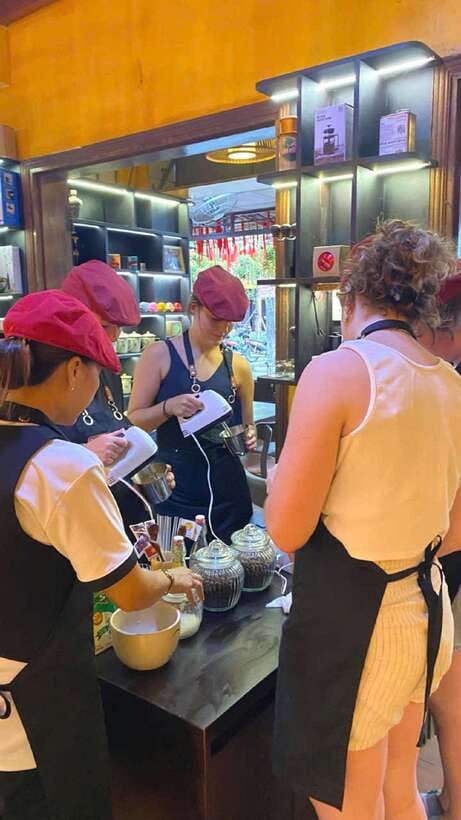
Once you pick your two drinks, you move into the hands-on portion. The workshop’s practical time is roughly 25–30 minutes, with step-by-step guidance from the instructor.
Everything you need is provided: tools and ingredients. That’s a big deal for value, because you’re not paying for a class and then realizing you’ll need to buy equipment later. The setup also helps if you’re new, since you’re not trying to figure out unfamiliar gear on the fly.
In many sessions, the experience is described as slow-paced and easy to follow. That matters in a one-hour format, because you don’t want to feel rushed while learning the steps. Some previous participants noted it can feel a little tight at peak times, but the instruction itself is designed to be beginner-friendly.
If you like asking questions, this is the part where it’s easiest. The instructor can correct technique as you go. That immediate feedback is the difference between tasting a good coffee and learning how to make one.
You can also read our reviews of more tours and experiences in Hoi An




Brewing Tips You Can Use Right Away
Even though you’ll be guided, you’ll still want to pay attention to a few practical points that affect results.
First, watch how the class explains timing. Vietnamese coffee often depends on steady pacing and how long coffee is allowed to extract. If you rush, the coffee can end up harsher or less balanced.
Second, pay attention to how the topping or flavor component is prepared, especially for egg and salt styles. Those aren’t just decorative. They change sweetness perception and mouthfeel, so small technique differences can matter.
Third, notice how ingredient choices interact with the brewing method. The class structure makes this easier because you’re doing two styles back-to-back with guided comparisons. That’s how the workshop becomes memorable instead of forgettable.
Sit, Sip, Take Photos, and Actually Enjoy What You Made
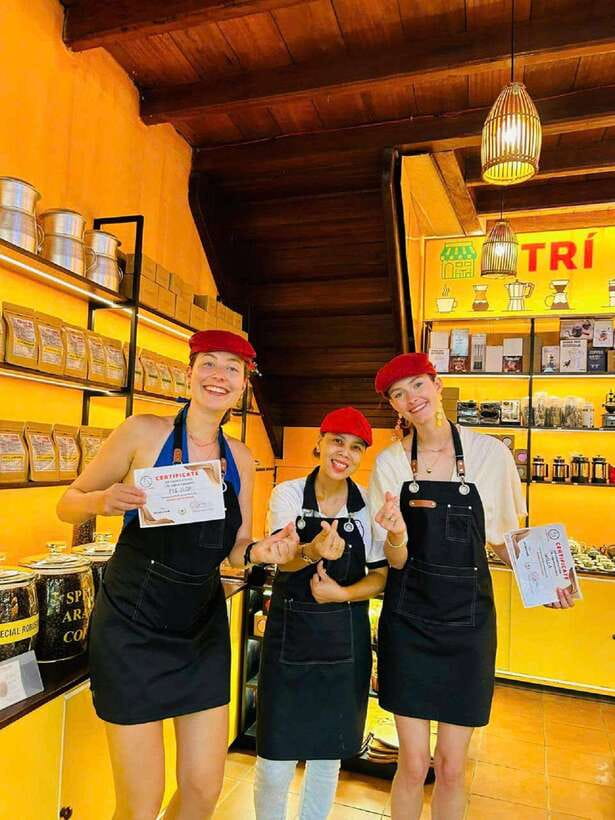
After brewing, you get time to relax and taste. Plan about 10–15 minutes for sipping your own coffee, taking photos, and enjoying the moment in a cozy, music-filled space.
This tasting time is where the whole workshop clicks. You’ll compare your phin-style coffee with one of the other signature drinks you chose. The differences feel obvious once you’ve made both, and you’ll likely be able to describe what you liked and why.
You’ll also get a quick Q&A at the end, and in some sessions there’s optional bean shopping. That’s a practical add-on: if you liked a particular roast or style, you can ask what they recommend and take the conversation beyond the class.
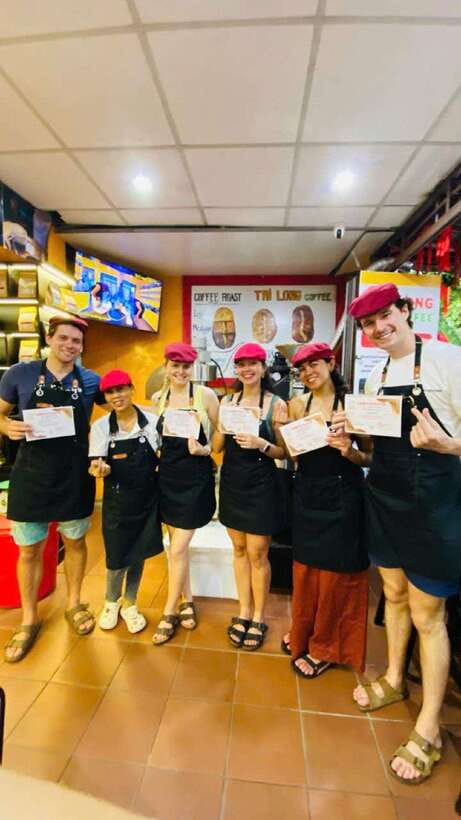
Some past participants also reported receiving a certificate on completion and a recipe printout to recreate the drinks later. Even if you don’t use it right away, it’s a nice souvenir that keeps the experience from fading after you leave Hội An.
Pricing and Value: Is $16 a Good Deal?
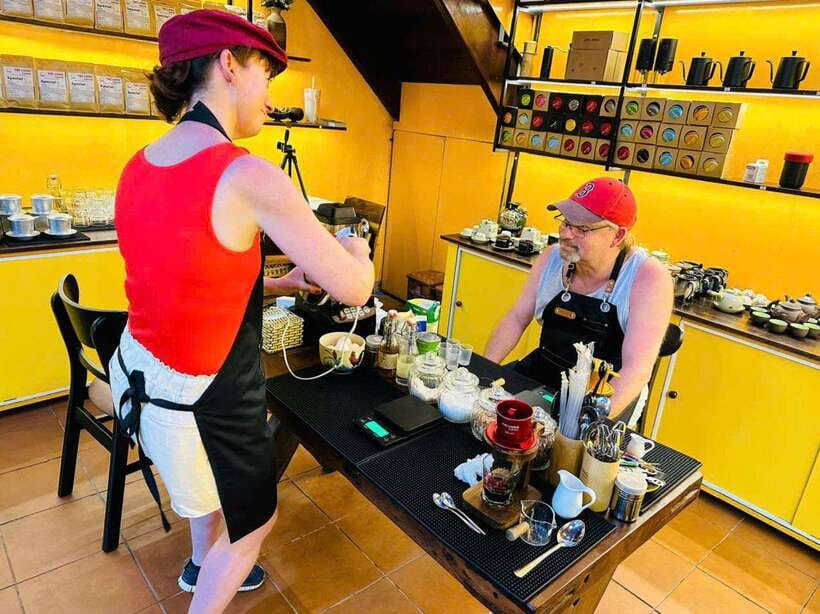
At $16 per person for about 60–75 minutes, this is priced like a real activity, not just a short tasting. The value comes from three things working together: you get expert instruction, you brew two drinks yourself, and you keep materials like recipes (in many sessions).
If you only wanted coffee, you could grab a cup for less. But the workshop gives you the method behind the flavor. That matters if you love coffee, you enjoy learning food techniques, or you want something more hands-on than a standard walking tour.
It’s also a good choice for a couple or small group because you can compare results. One person can make coconut and the other can make phin, then you both get to taste what you didn’t choose.
Who This Workshop Fits Best (and Who Might Skip It)
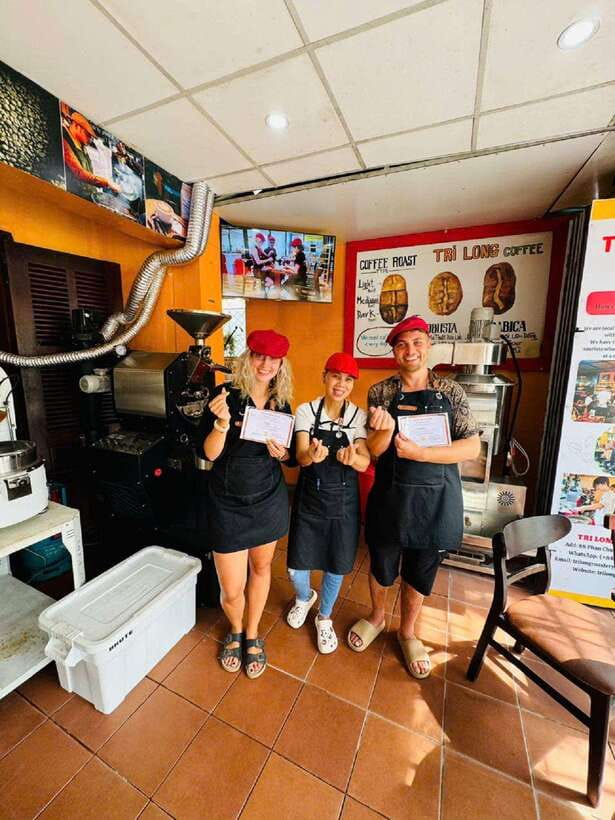
This workshop is a strong fit if you:
- want a beginner-friendly coffee lesson in a short time
- enjoy food technique classes more than pure sightseeing
- like Vietnamese coffee flavors like egg, coconut, or salt coffee
- travel with someone who wants a shared activity that still has choice
You might skip it if you’re looking for a long guided tour with lots of walking and distant sights. This is a roastery-based class, so the setting is more practical than scenic.
Also consider timing. If you’re the type who hates waiting, arrive early and plan to stay for the full tasting portion. It’s not a fast “in and out” stop. The value is in the instruction plus time to enjoy the finished cups.
My Booking Verdict: Should You Sign Up?
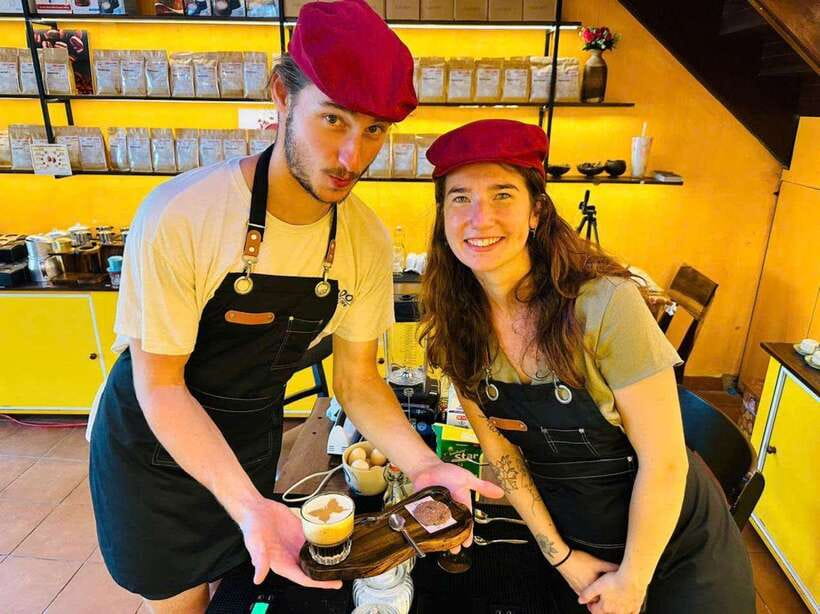
Yes, I’d book it if you’re in Hội An and you want something hands-on that connects directly to Vietnam’s coffee culture. The workshop is short, structured, and genuinely focused on making two different signature coffees with guidance.
The experience is especially worth it if you’re curious about styles like egg coffee or salt coffee, because those flavors are hard to guess correctly without trying the process. And if you’re the kind of person who likes recreating travel food at home, the recipe printout and method you learn give you a real next step.
If your schedule is tight, aim to pick the workshop time that lets you arrive early and stay through tasting. That’s how you get the full payoff from a class built for learning and relaxing, not just rushing through a checklist.
FAQ
How long does the Vietnamese coffee making workshop last?
The duration is listed as 1 hour, with some sessions running about 60–75 minutes total.
How much does it cost?
It costs $16 per person.
Which coffee styles can I choose to make?
You can choose 2 drinks from the four signature options: phin filter coffee, egg coffee, coconut coffee, or salt coffee.
Do I need any prior coffee-making experience?
No. The workshop is suitable for beginners, and you’re guided step-by-step.
Where is the meeting point?
You meet at Trí Long Coffee, 88 Phan Châu Trinh Street, Hội An.
How do I recognize the guide?
Look for the guide standing outside the coffee shop wearing a red hat.
What should I bring?
Bring comfortable shoes, a hat, a camera, sunscreen, and water.
What’s included, and what isn’t?
Included are the instructor/barista, the hands-on workshop, the necessary tools and ingredients, and two cups of coffee that you make yourself. Not included are hotel pickup/transportation and any food or extra drinks.
Can I cancel, and can I reserve without paying right away?
Free cancellation is available up to 24 hours in advance for a full refund, and you can reserve now and pay later.