
REVIEW · HOI AN
Hoi An walking Tour – Private Tour
Book on Viator →Operated by Local Life Hoi An · Bookable on Viator
Hoi An clicks faster on foot, and this private walk helps. You get the old-town story in the right order, with a guide named Hai who explains what you’re seeing in clear English and keeps the pace easy. I especially love the comfortable pacing with lots of quick stops, because you don’t just pass buildings—you understand why they mattered.
One thing to plan for: the tour depends on good weather, and you’ll be walking for about 2 to 3 hours in a historic area where surfaces can be uneven.
In This Review
- Key highlights you’ll feel right away
- Hoi An walking tour, the practical way: see the meaning first
- Your guide, Hai: why the tour style matters
- Starting at Hoi An History Museum: your quick orientation
- Quan Thang House (77 Tran Phu): the Chinese merchant chapter
- Phuc Kien Assembly Hall (46 Tran Phu) and Thien Hau
- Japanese Covered Bridge (Chua Cau): a trading-port symbol
- Tan Ky ancient house: “typical” can be the point
- Walking time, water, and that included lunch
- Pickup, mobile ticket, and how to fit it into your day
- Price and value: what $69 buys you in real terms
- Should you book this Hoi An walking tour or skip it?
- FAQ
- How long is the Hoi An private walking tour?
- Is this a private tour?
- What’s the maximum group size?
- Is pickup available?
- What stops are included?
- Is lunch included?
- Do I get a mobile ticket?
- Is it dependent on weather?
- What’s the cancellation timeline?
Key highlights you’ll feel right away
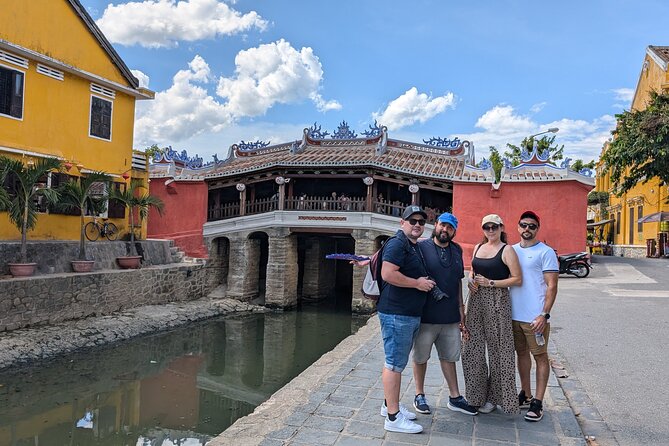
- Small private group (max 10): enough personal attention without feeling cramped.
- Guide Hai’s English and local perspective: a fourth-generation feel for the town, with answers to your questions.
- Big icons plus everyday houses: you see the Japanese Covered Bridge and also the more typical old architecture.
- Thien Hau connection at Phuc Kien Assembly Hall: sea goddess worship tied to Hoi An’s trading life.
- Included water and lunch: helpful in the heat and keeps your afternoon from turning into a hunt for food.
Hoi An walking tour, the practical way: see the meaning first
Hoi An can look like a movie set until someone gives you the map behind the visuals. This is a straightforward walking tour, and that’s the win. In about 2 to 3 hours, you move through key places that explain how the town became a meeting point for Chinese merchants, Japanese craftsmen, and local communities tied to the sea.
What makes this format work is that the stops connect. The tour doesn’t just point at pretty walls. It links each site to trade, religion, and daily life, so your brain can file Hoi An into a clear timeline instead of random landmarks.
Also, it’s private. That matters when you want to ask questions or shift a moment to something you care about.
You can also read our reviews of more walking tours in Hoi An



Your guide, Hai: why the tour style matters
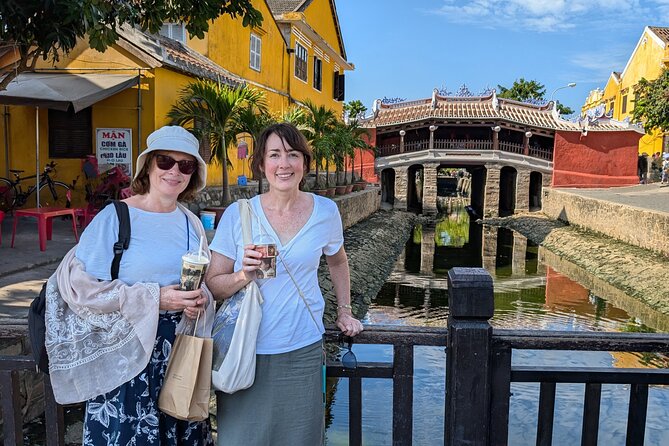
The guide on this tour is named Hai, and he has that rare combo: years of local experience and strong English. You can tell he’s comfortable talking to people without making it feel like a lecture. He’s friendly and easy to talk to, and he’ll answer questions as they come up instead of saving everything for the end.
I like that the pacing stays human. You’re not dragged from one photo spot to the next. You get a comfortable walking rhythm with enough short stops to notice details—doorways, family-house layouts, and the small clues that make each building feel lived-in.
One more practical bonus from the way this tour runs: Hai is open to suggestions and changes if there’s something you want to see or ask about. If you’re traveling with a partner or a small group, that flexibility can turn a good tour into a memorable one.
Starting at Hoi An History Museum: your quick orientation
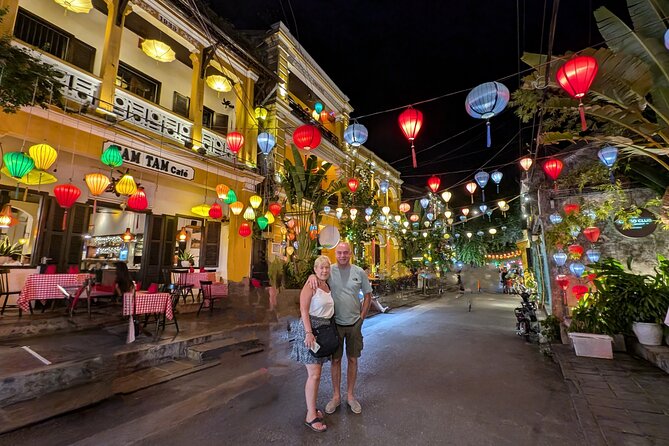
You begin at the Hoi An History Museum, which sets the tone fast. Before you start wandering, there’s an overview of the town’s historical process and culture—basically the short version of how Hoi An grew into an important ancient trading port.
This start helps more than you’d think. Without a quick framework, the old town can feel like a collection of buildings. With it, you start recognizing themes as you walk: who lived here, what brought people here, and why certain religious sites show up in the places they do.
It’s also a good way to beat decision fatigue. You’re not guessing what you should pay attention to. The tour gives you targets, and then the walking does the rest.
Quan Thang House (77 Tran Phu): the Chinese merchant chapter
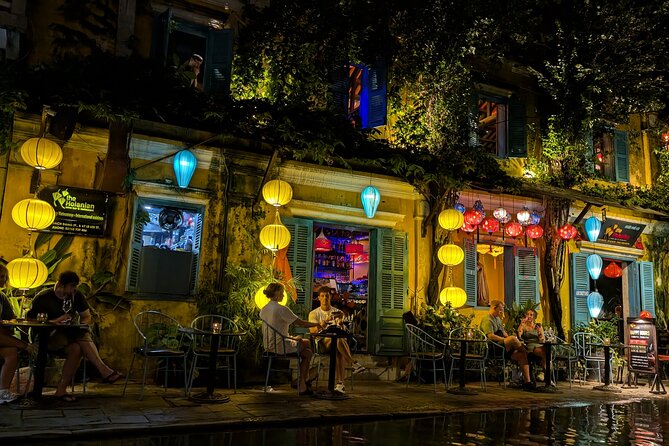
Next comes Quan Thang House at 77 Tran Phu, a house built in the 18th century. The detail that makes this stop click is the ownership story: it was originally owned by a Chinese captain and merchant.
This is the kind of building you can walk past without understanding. But with a guide who explains the context, a traditional house becomes more than architecture. It turns into evidence of how trade shaped real families and real wealth. You start connecting the dots between commerce and the way homes were built—where visitors came in, how space was used, and what mattered enough to keep showing up in design.
One consideration: houses like this reward slow looking. If you’re the type who only takes quick photos and moves on, you might feel the difference. Give yourself a moment. This is one of those stops where small details carry the meaning.
Phuc Kien Assembly Hall (46 Tran Phu) and Thien Hau
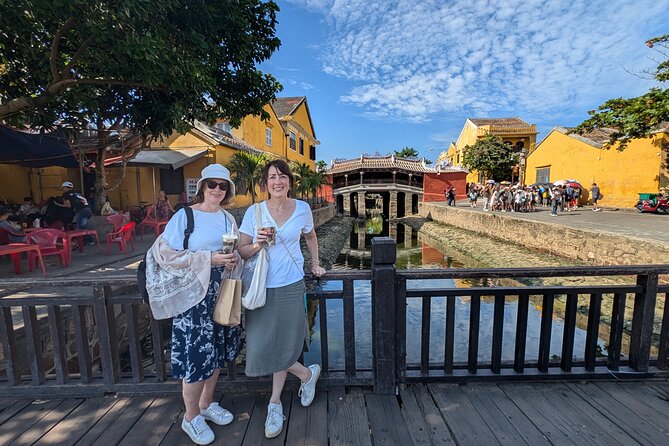
After that, you head to the Phuc Kien Assembly Hall at 46 Tran Phu. This hall is dedicated to Thien Hau, the sea goddess.
Why this matters: it’s not random decoration. When a port town depends on ships, storms, and sea routes, religious life often follows the same logic. The hall helps you understand why sea worship and community identity would be tied together in a place built on maritime trade.
You’ll likely get a sense of the culture of the Chinese community linked to the town’s commercial life. This is also a good stop if you want something deeper than stone-and-tile sightseeing. It gives you a human angle: protection, gratitude, and the way faith supports people working in risky environments.
You can also read our reviews of more private tours in Hoi An






Japanese Covered Bridge (Chua Cau): a trading-port symbol
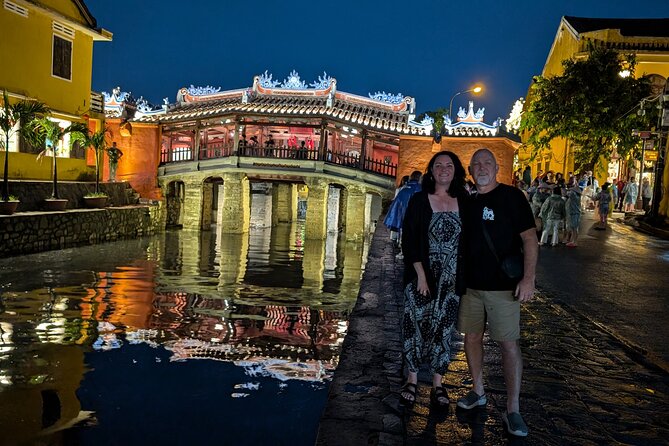
No Hoi An walk is complete without the Japanese Covered Bridge, also known as the Pagoda Bridge (Chua Cau). This tour treats it as more than a postcard.
You learn that the bridge was built by Japanese craftsmen who were part of a larger Japanese merchant community active in Hoi An. That’s the key. Once you have that context, the bridge becomes a visible link between cultures—an example of how foreign communities weren’t just passing through. They built, contributed, and left their mark.
The bridge is busy with foot traffic in general, so the tour’s advantage is how you experience it. You’ll spend enough time to understand what you’re looking at, rather than just grabbing your picture and sprinting to the next stop.
If you’re sensitive to crowds or want quieter photos, aim to keep your expectations flexible. This bridge is famous for a reason.
Tan Ky ancient house: “typical” can be the point
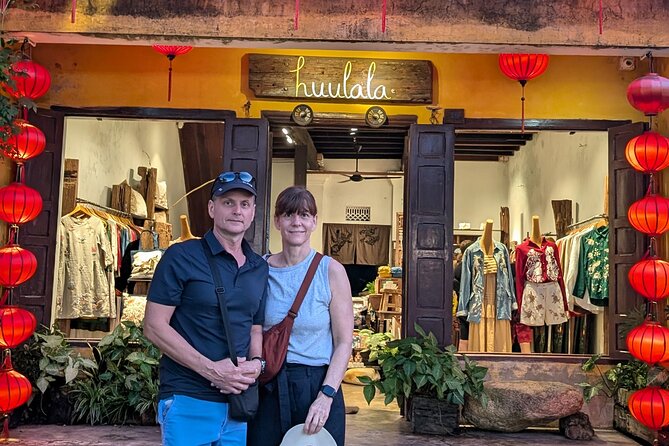
Your final stop is Tan Ky ancient house. It isn’t the oldest house in Hoi An, but its architecture is among the most typical—meaning it helps you understand the general style of a traditional Hoi An home rather than just the “oldest survivor.”
This stop is a smart way to end, because it shifts you from big story icons to everyday domestic design. You start seeing the town as families lived in it, not just as a stage for major landmarks.
If you like architecture, you’ll probably enjoy this more than you expected. It gives you patterns to recognize—how the house works, what’s emphasized, and how tradition shows up in structure.
And because the tour ends after this, you’ll feel ready to wander freely rather than running out of steam.
Walking time, water, and that included lunch
This tour is designed to be doable. The duration is about 2 to 3 hours, and the group size is kept small, with a maximum of 10 travelers.
You’ll also get water and lunch included. That’s a real value point in Hoi An, where the old town walking can add up fast in heat and humidity. Having food handled means less time scanning menus and more time actually enjoying the day.
The pace also feels built for comfort. In the past, people have praised the way Hai walks at a rhythm that makes room for questions and short stops. That’s what you want from a private tour: movement without stress.
Practical tip for you: wear shoes you can trust on uneven sidewalks. You’ll want grip, not sandals that slip when you step off a curb.
Pickup, mobile ticket, and how to fit it into your day
Pickup is offered, and the start point is in Hội An, Quảng Nam, Vietnam, which makes it easy to build into your existing plans. Since it’s near public transportation, it’s not an awkward “far away at dawn” situation either.
You’ll receive a mobile ticket, which is convenient if you like keeping everything on your phone. Confirmation comes at the time of booking, so you’re not left guessing.
After the walking portion ends, you get free time in the afternoon. That’s excellent because you can shift gears after learning the story. Instead of repeating the same landmarks, you can wander with purpose—looking for the details you now recognize.
Price and value: what $69 buys you in real terms
At $69 per person, this private walking tour sits in the mid-range for Hoi An. The value comes from three things.
First, you get a guide-led experience with meaningful explanations, not just a route. Having Hai with strong English and a relaxed style changes what you take in at each stop.
Second, it covers multiple anchor sites: Hoi An History Museum, Quan Thang House, Phuc Kien Assembly Hall, Japanese Covered Bridge, and Tan Ky ancient house. That’s a lot of ground in a short time, and the route links ideas instead of feeling like a checklist.
Third, the included water and lunch saves you the hassle of finding food mid-walk. For many people, that alone improves the day more than they expect.
If you’re traveling solo or as a couple, private guiding is often worth it because you get personal pacing and question time. If you’re on a tight schedule, 2 to 3 hours can be the sweet spot: enough structure to make the old town click, not so long that you’re done after one morning.
Should you book this Hoi An walking tour or skip it?
Book it if you want to understand Hoi An without turning your day into homework. This tour is a good fit when you like clear explanations, a comfortable walk, and stops that tell connected stories—Chinese merchant life, sea worship at Phuc Kien, and the Japanese presence tied to the covered bridge.
Skip it only if you prefer unguided wandering with no structure at all. This is a guided experience with a planned flow, so the benefit is in learning the meaning first.
FAQ
How long is the Hoi An private walking tour?
The tour lasts about 2 to 3 hours.
Is this a private tour?
Yes. It’s listed as a private tour.
What’s the maximum group size?
The experience has a maximum of 10 travelers.
Is pickup available?
Pickup is offered, and the start location is in Hội An, Quảng Nam, Vietnam.
What stops are included?
You’ll visit the Hoi An History Museum, Quan Thang House (77 Tran Phu), Phuc Kien Assembly Hall (46 Tran Phu), the Japanese Covered Bridge (Chua Cau), and Tan Ky ancient house.
Is lunch included?
Yes. Water and lunch are included.
Do I get a mobile ticket?
Yes. The tour includes a mobile ticket.
Is it dependent on weather?
Yes. The experience requires good weather. If it’s canceled due to poor weather, you’ll be offered a different date or a full refund.
What’s the cancellation timeline?
You can cancel for a full refund up to 24 hours in advance of the experience’s start time.