REVIEW · HOI AN
Experience Making Coffee with Tri Long in Hoi An old Town
Book on Viator →Operated by DN Tour · Bookable on Viator
Vietnamese coffee has a slow, satisfying rhythm. At Tri Long Coffee in Hoi An, you’ll learn how Vietnamese coffee culture got so distinctive and then practice brewing the famous cà phê sữa Sai Gon style. I especially like the focus on the phin filter approach and the way the class connects taste to method and ingredients. One thing to consider: you should double-check which drinks you’ll actually make and drink, since some course details have caused confusion for past bookers.
Two of my favorite parts are the hands-on choice you get and the way the team explains the background. You can pick your course among Special Egg Coffee, Coconut Coffee, or Salt Coffee, and you’ll also get the free Vietnamese phin filter course. I like that the instruction isn’t just theory; it’s built around you leaving able to make a proper cup at home.
That said, the overall rating is mixed. A smaller number of people felt the experience didn’t match what they expected about how many coffees were included. If you’re the type who plans your day tightly (or hates surprises), message ahead or ask on arrival to confirm the exact number and type of drinks included.
In This Review
- Key highlights you can plan around
- Tri Long Coffee, Hoi An: what you’re signing up for in 1 hour 30
- Vietnamese coffee culture and the real story behind cà phê sữa Sai Gon
- Roasting and brewing: why the class focuses on method, not just taste
- The free Vietnamese phin filter course: how it fits with your chosen drink
- Your three course choices: egg, coconut, or salt coffee
- Special Egg Coffee
- Coconut Coffee
- Salt Coffee
- How to choose fast
- What the class experience feels like: small group help, demonstrations, and practice
- What you might take home: certificates and recipes
- Price and value: is $17 per person worth it?
- Who should book Tri Long Coffee in Hoi An (and who might not)
- Should you book? My practical call
- FAQ
- How much does the coffee-making experience cost?
- How long is the experience?
- Where does it start?
- What coffee courses are offered?
- Is there a free phin filter course?
- How close to the experience can I cancel?
Key highlights you can plan around
- Phin filter gets its own focus, and it’s included free alongside your chosen course
- Three course options let you steer the experience toward egg, coconut, or salt coffee
- Roasting and Vietnamese coffee history are part of the lesson, not just the brewing
- Small group size (max 10) means you’re more likely to get clear help
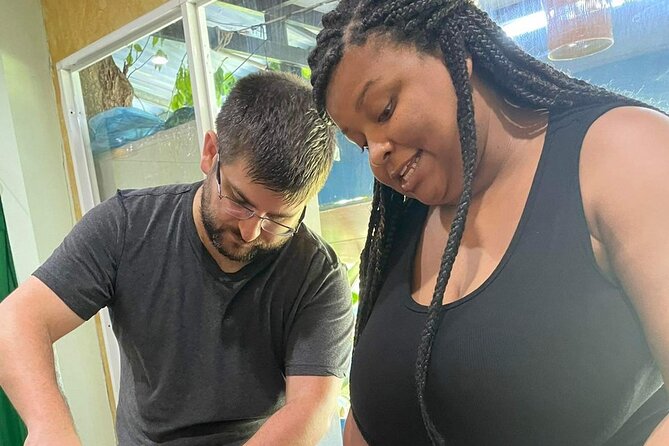
- A hands-on teaching style comes through in the demonstrations and the follow-up practice
- Take-home support may include recipes and a certificate, based on prior participants
Tri Long Coffee, Hoi An: what you’re signing up for in 1 hour 30
This is a compact, no-rush class designed to fit neatly into a day in Hoi An. The session runs about 1 hour 30 minutes, and the group size is capped at 10 travelers—small enough that the instructor can actually help you adjust how you brew and pour.
The starting point is Trí Long Coffee, 88 Đ. Phan Chu Trinh, Phường Minh An, Hội An, Quảng Nam, Vietnam. The activity ends back at the meeting point, so you’re not stuck figuring out how to get across town afterward.
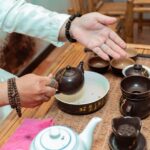
If you’re used to tours that feel like a slideshow, this one is built around doing. You’ll learn the background of Vietnamese coffee (including why cà phê sữa Sai Gon became such a deal), then you’ll get instruction aimed at helping you make the ideal filter-style cup. In plain terms: you come in curious and leave with a repeatable method you can actually try again.
You can also read our reviews of more tours and experiences in Hoi An
Vietnamese coffee culture and the real story behind cà phê sữa Sai Gon
The class doesn’t treat coffee as just a drink you order. It treats it as a culture you can taste and understand.
You’ll hear about the history of Vietnamese coffee and why certain styles became iconic. The experience also zooms in on the most famous one: cà phê sữa Sai Gon. That matters, because in Vietnam, coffee style is often inseparable from how it’s brewed and how it’s sweetened and served—not just what beans you use.
One detail I appreciate in the way this is described is the ingredient angle. The instruction references a special blend described as silky custard sweetened with fresh cow’s milk. Even if you’ve never thought about the texture of Vietnamese coffee before, this is the kind of focus that changes what you notice when you take a sip—creaminess, sweetness level, and how the brew carries flavor to the bottom of the cup.
Also, the class is structured with a little entertainment built in. That sounds like fluff until you remember that food-and-drink learning sticks better when you’re not bored. If you’re the type who likes your lessons friendly and energetic, this setup should match your style.
Roasting and brewing: why the class focuses on method, not just taste
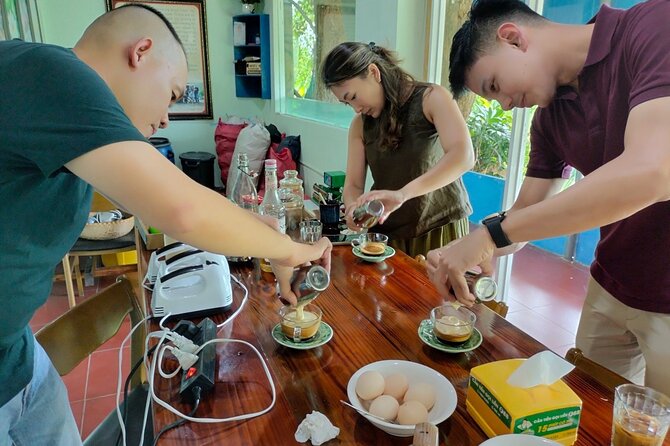
Vietnamese coffee is often known for having a thick, deep flavor. Here, you’re guided through why that happens—at least at the level the class is designed to teach—through roasting context and then traditional brewing with the phin filter.
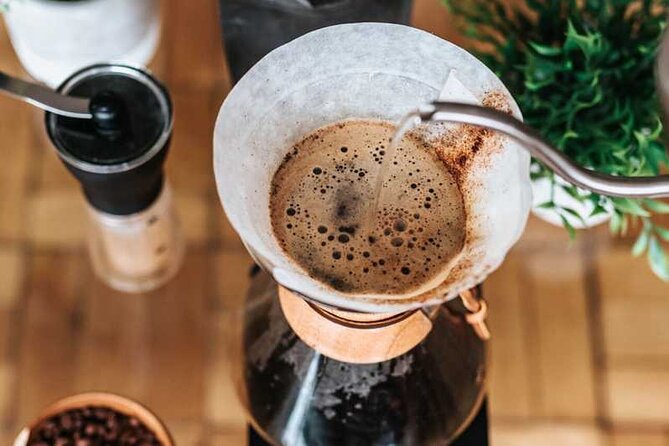
Even without getting overly technical, you’ll be taught the art of brewing Vietnamese coffee using the traditional phin filter. The description promises that this method produces a distinctively rich and flavorful cup, and that’s the whole point of the free filter course: you’ll practice the approach rather than just hearing that it exists.
I like this method-first approach because it helps you avoid the most common coffee-travel mistake. If you only chase the taste, you end up disappointed later when you try to recreate it at home. If you learn the brewing logic, you can troubleshoot differences in grind, timing, and texture instead of blaming yourself for not having Vietnam on demand.
And since the lesson includes roasting and coffee background, you’re not stuck thinking every cup is random. You start understanding how flavor develops, and that makes tasting the egg, coconut, and salt versions feel like part of a system, not just different menu items.
The free Vietnamese phin filter course: how it fits with your chosen drink
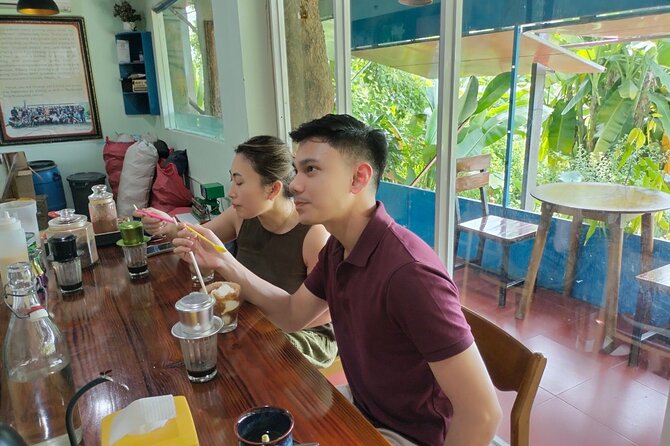
This experience includes a Vietnamese phin filter course absolutely free. That’s a big deal for value and for learning, because it gives you a second way to interpret Vietnamese coffee beyond whichever specialty drink you choose.
You’ll effectively get two layers of learning:
- Your main course, chosen from Special Egg Coffee, Coconut Coffee, or Salt Coffee
- The base skill-building practice around the phin filter brewing
That structure is smart because it keeps you from leaving with only one trick. Specialty Vietnamese coffees are fun, but the phin filter is the backbone. If you can brew that style consistently, the other variations become easier to appreciate—and easier to recreate.
That said, this is also where confusion can happen if expectations aren’t aligned. One past participant felt the number of coffees included didn’t match what they understood, including how the free phin filter course factored into the total. So don’t be shy—ask the team at the start: which coffees are included in your session, and how many tastings are part of the plan.
Your three course choices: egg, coconut, or salt coffee
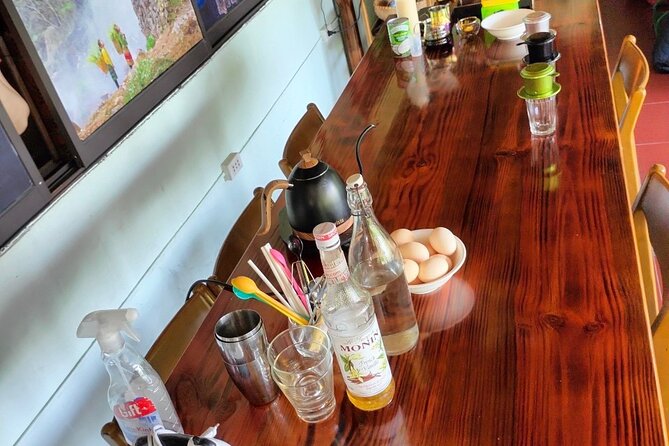
You get to select one main course, and the course descriptions are clear about the vibe of each drink.



Special Egg Coffee
Special Egg Coffee is described as aromatic and flavorful. This option is a solid pick if you want something that feels more indulgent and rich, and if you enjoy coffee when it has a dessert-like personality. If you like your coffees to feel rounded and fragrant rather than sharp, egg coffee is likely to land well.
Coconut Coffee
Coconut Coffee is described as refreshing. This is the choice I’d make if I wanted the lesson to also feel lighter, especially if you’re dealing with heat or humidity in Hoi An. Coconut-based drinks often work well as a palate break after richer foods, and this course fits that idea.
Salt Coffee
Salt Coffee is described as having an intriguing salty twist. If you’re curious about unusual flavor pairings—sweet with salt, that sort of push-pull—this is the best way to test your coffee comfort zone. Even if you think you won’t like it, the educational angle helps: you’re not just consuming; you’re learning how taste balance is built.
How to choose fast
If you’re unsure, match the course to your mood:
- Want richness and aroma? Choose egg.
- Want cool and refreshing? Choose coconut.
- Want curious and unconventional? Choose salt.
And remember: regardless of your pick, the phin filter portion is still part of the experience. So you’re not choosing between learning Vietnamese coffee craft and a gimmick. You’re choosing between three different expressions of that coffee culture.
What the class experience feels like: small group help, demonstrations, and practice
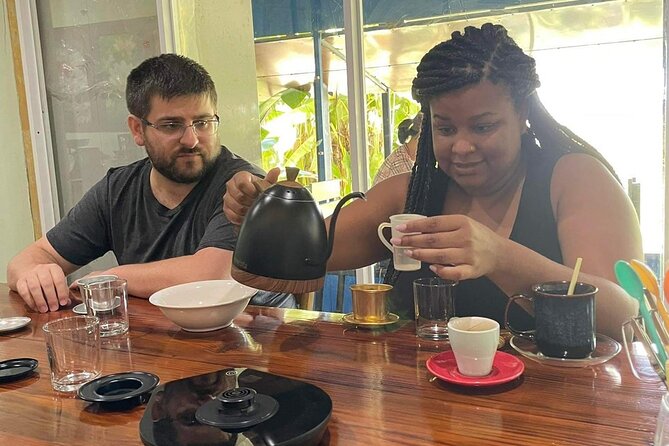
The class is capped at 10 travelers, which tends to make a difference. You’re less likely to get ignored, and you can ask questions when you notice something off in your brew.
The descriptions and prior participant feedback point to a strong emphasis on clear explanations and demonstrations. The team also provides a bit of humor and entertainment, which matters because coffee-making can feel fiddly if you’re distracted or rushing.
Here’s what you should plan for in a hands-on class like this:
- You’ll be shown what the drink is supposed to taste like and why
- You’ll likely practice making or assembling the coffee you picked
- You’ll get guidance so you can adjust rather than just copy blindly
- You’ll add the phin filter skill as a base technique
One small caution: because there have been complaints about whether the number of coffees aligned with what people expected, I’d treat your booking like a checklist. At the start, confirm what’s included in your total and which drinks you’ll make. That keeps the experience fun instead of stressful.
What you might take home: certificates and recipes
A nice bonus that shows up in prior experiences: after the class, you may receive a certificate and recipes to take home. That’s more useful than it sounds. Coffee is one of those things you forget quickly unless you’ve got written steps or reminders.
If you’re the type who likes to recreate travel meals at home, recipes help you reproduce that Vietnamese texture and sweetness level without guessing. Even if you don’t follow them exactly, you’ll get a baseline you can tweak.
Price and value: is $17 per person worth it?
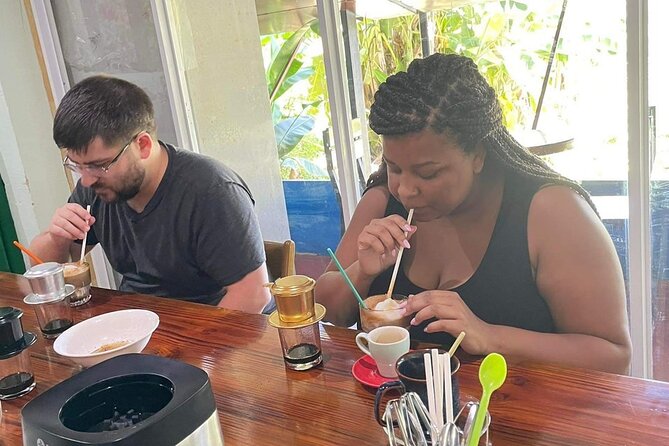
At $17.00 per person, this class is priced to be accessible. The value is strongest when you think in terms of what you get for that time: a structured lesson on Vietnamese coffee culture, a focus on the phin filter method, and a main course where you choose egg, coconut, or salt.
Most coffee tastings in tourist areas cost around that range and give you a couple sips with no method. Here, you’re paying for skill: history and roasting context plus hands-on brewing practice. And because the phin filter course is included free, you’re effectively getting more than just one coffee served to you.
That said, value is also about expectation. Since a past participant felt the description was misleading regarding how many coffees were included, I’d treat the $17 price as good—but not if you arrive confused about what your session includes. Ask early, confirm clearly, then relax and enjoy the class.
Who should book Tri Long Coffee in Hoi An (and who might not)
This experience is a great match if:
- You love coffee and want to understand what makes Vietnamese coffee feel different
- You enjoy hands-on food and drink classes more than watching
- You want one class that includes both culture and technique
- You’re traveling with a small group or just want focused attention (max 10)
It may be less ideal if:
- You need very strict certainty about exactly which coffees you’ll drink and how many (because of past confusion about course count)
- You’re only looking for a quick caffeine hit and not interested in learning brewing method
If you’re somewhere in the middle—curious but not obsessive—you’ll probably enjoy it. It’s structured, but not overly technical. And the drink choices give you enough variety to feel like you tailored it to yourself.
Should you book? My practical call
Book it if you want a friendly, focused way to learn Vietnamese coffee beyond ordering off a menu. The combination of Vietnamese coffee background, roasting context, phin filter technique, and a choice of egg, coconut, or salt makes this a solid use of 1.5 hours in Hoi An.
Hold off or clarify first if you’re the kind of person who hates any mismatch between what you thought was included and what you experience. Specifically: confirm the exact list and count of coffees included in your ticket, including how the free phin filter course is counted in your session.
If you do that quick check, you’ll walk away with a better coffee story—and a method you can actually use later.
FAQ
How much does the coffee-making experience cost?
The experience costs $17.00 per person.
How long is the experience?
It lasts about 1 hour 30 minutes.
Where does it start?
It starts at Trí Long Coffee, 88 Đ. Phan Chu Trinh, Phường Minh An, Hội An, Quảng Nam, Vietnam.
What coffee courses are offered?
You can choose one of these courses: Special Egg Coffee, Coconut Coffee, or Salt Coffee.
Is there a free phin filter course?
Yes. The Vietnamese Phin Filter Coffee course is included free.
How close to the experience can I cancel?
You can cancel up to 24 hours in advance for a full refund.