REVIEW · HOI AN
Uncover Real Rural Hoi An – A True Local Life Experience
Book on Viator →Operated by Angiee Adventures · Bookable on Viator
Rural life outside Hoi An is a whole other story. This 5-hour morning tour is built around real village work—handmade noodles, weaving mats, flavored rice, and a basketboat ride—plus time to chat with local families. I like that it’s small and unhurried, with a real local guide at the center of the day.
Two parts stand out for me: the hands-on craft time with the people who actually do it day after day, and the chance to ask questions in a home setting instead of racing from stop to stop. One thing to consider is the early 7:00 am start and the fact that you’ll be doing light walking and activities that need a moderate fitness level.
If you want a quick sightseeing hit, this won’t feel like that. It’s more about gentle participation—working with families, learning how things are made, and seeing rural life as it functions, not as a staged performance.
In This Review
- Key highlights worth getting up for
- Rural Hoi An feels real because you’re doing the work
- Meet your guides and settle into a small-group rhythm
- Noodle making with a local family: hands-on food knowledge
- Weaving traditional mats: patterns you can actually see and feel
- Flavored rice and the basketboat ride: seeing food and water together
- Stop 1: Duy Xuyen District and the shift into rural routines
- Stop 2: Hoi An and the chance to spot local specialties
- Old-school village learning beats a fast checklist
- Price and value: $55 for a hands-on day with transport and guidance
- What to bring (so the day feels easy, not annoying)
- Who this tour suits best (and who should skip it)
- Final call: should you book Uncover Real Rural Hoi An?
- FAQ
- FAQ
- What time does the tour start, and how long is it?
- How much does this experience cost?
- Is pickup included?
- What is included in the price?
- What activities are part of the experience?
- What happens if the weather is bad or you need to cancel?
Key highlights worth getting up for
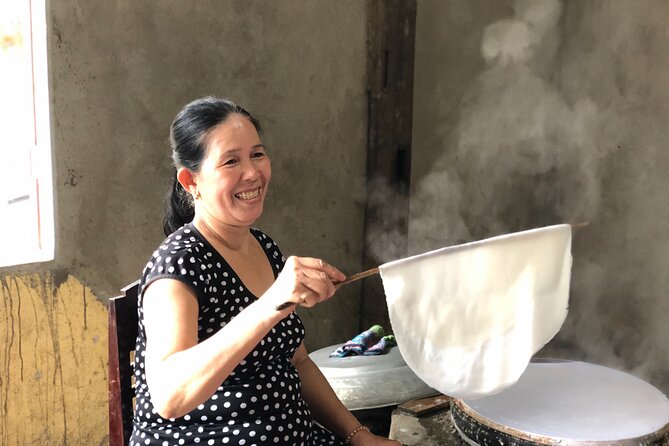
- Family-led noodle making: watch and try the process, not just observe
- Traditional mat weaving: learn different patterns and designs by hand
- Flavored rice making: see how taste and tradition mix in daily food
- Basketboat ride: experience the water-lane rhythm of the area
- Small group, max 10: more talking time with Harry and Leo types of energy
Rural Hoi An feels real because you’re doing the work
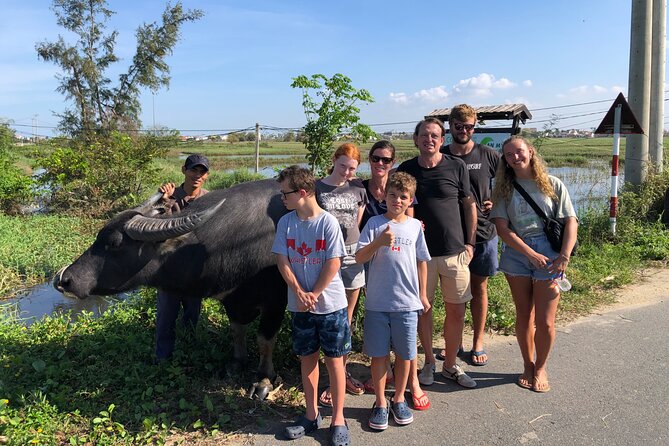
Hoi An is famous for lights and tailoring, but rural life around it moves at a quieter tempo. This tour is designed to slow you down and make you part of the day: you’re not only looking—you’re participating in practical tasks like noodle preparation and weaving.
What I like most is that the learning comes through doing. You’ll spend real time with locals as you practice steps in a handmaking noodle process, and you’ll join in weaving traditional mats in different unique designs. That hands-on approach makes the day memorable in a way photos can’t.
The second strength is human scale. With a maximum of 10 travelers, you’ll usually have time for questions and conversation, which is where you pick up the small details that make Vietnam feel personal and specific.
You can also read our reviews of more tours and experiences in Hoi An.



Meet your guides and settle into a small-group rhythm
Your hosts on this tour are local guides from Angiee Adventures, and the experience is led by energetic, engaging people. One review specifically called out Harry and Leo by name, and their vibe matters: they make the time feel welcoming and easy to follow.
The format is also built for comfort. Pickup is offered, you’ll get coffee and/or tea and bottled water, and helmets are included. That sounds basic, but it reduces decision fatigue so you can focus on what you came for: learning rural routines and meeting the families behind them.
Because the group is capped at 10, you’re less likely to feel like a number. If you’re traveling with kids, this kind of setup can help you ask about comfort and transport options without making the day stressful.
Noodle making with a local family: hands-on food knowledge
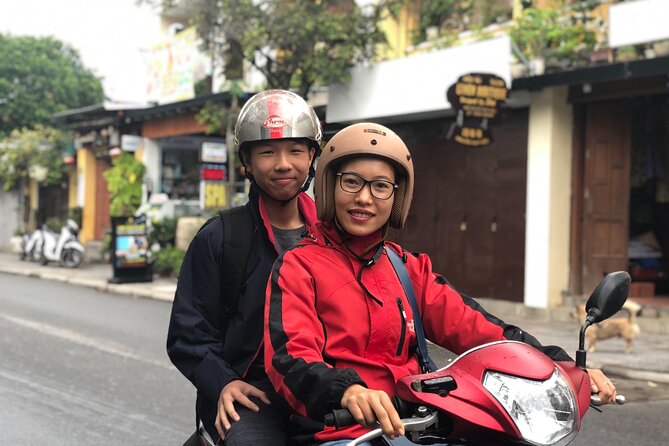
One of the headline experiences is the handmaking noodles process with a local family. This is the kind of activity that teaches more than a recipe—it shows how ingredients, timing, and technique fit together in everyday life.
In plain terms, you’ll be learning how noodles go from raw materials to something you can eat, with guidance from people who do it routinely. Expect a steady, unhurried pace, and don’t worry if you’re not a fast learner. The value here is understanding the method and why it works.
I also like that it’s not framed as a gimmick. It feels practical: food production as a normal part of rural living. When you can explain what you did—how you handled the dough, how the process unfolds—you leave with a story you can bring home.
Weaving traditional mats: patterns you can actually see and feel
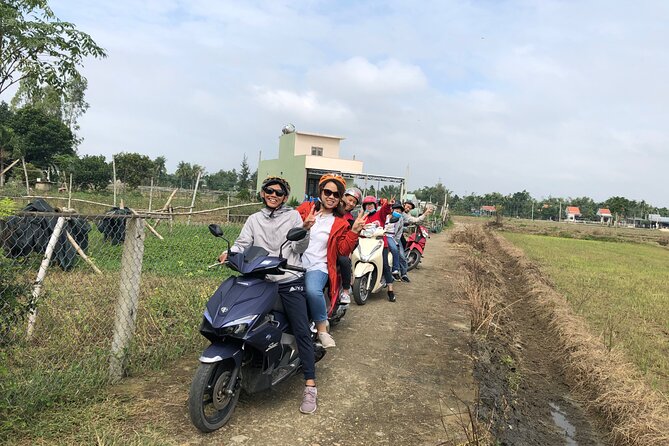
After noodles, the tour shifts into weaving. You’ll join local people in weaving traditional mats in different unique designs, which is a great change of pace if you’ve been sitting too much.
Weaving helps you slow down and pay attention. Even when you’re just trying a few steps, you’ll notice how pattern choices change the feel and structure. It’s also an activity that works well in a small group—people can guide you one by one, and you can watch others while you wait your turn.
This is also where you may learn how design choices connect to daily needs. Mats are used, repaired, and made for practical life, so the conversation tends to be grounded: what people make, why they make it, and how it fits into the day.
Flavored rice and the basketboat ride: seeing food and water together
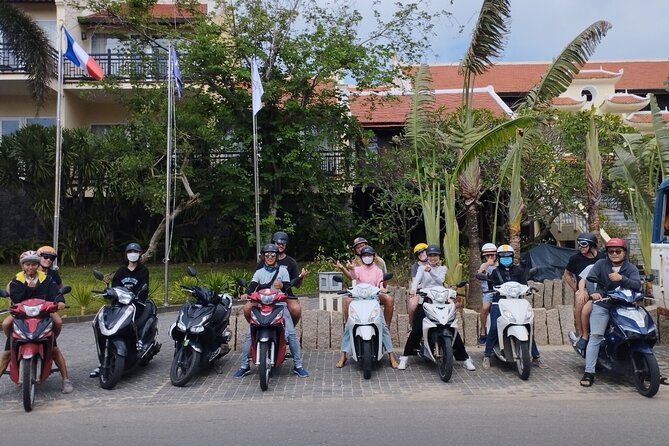
The tour doesn’t stop at crafts. You’ll learn how to make rice with different flavors, which adds a tasty layer to the morning. Rice is everywhere in Vietnam, but “different flavors” is the point: you’ll see that daily staples can still vary by taste, tradition, and preparation.
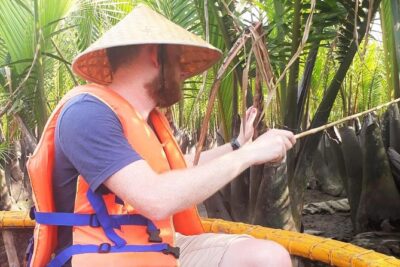
Then comes one of the most fun parts: riding a basketboat. A basketboat ride helps you understand the local waterways in a way a photo never will. You’ll feel the motion and get a sense of how people move through the landscape for work and transport.
This pair—flavored rice and basketboat—also gives you balance. One half is about what people eat and how it’s prepared; the other half is about the route people take through their environment. Together, it paints a more complete picture of rural life.

Stop 1: Duy Xuyen District and the shift into rural routines
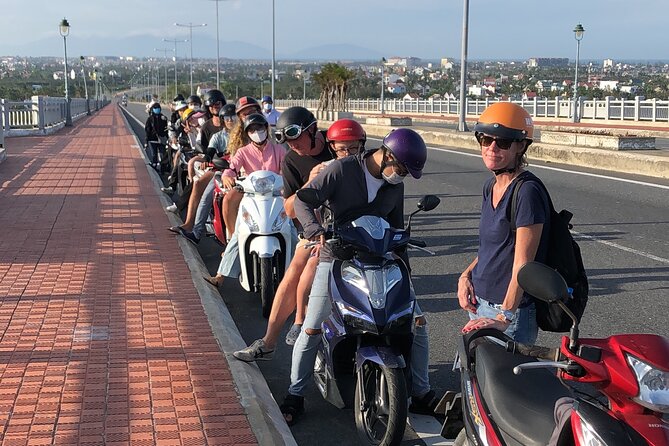
The itinerary starts in the Duy Xuyen District. This matters because it’s your transition point from the city-style pace into village life. You’re stepping into an area where daily work is visible and where families can show you what their routines look like.
In Duy Xuyen, expect the day to feel more about learning and less about quick sightseeing. This is typically where you’ll get the first wave of hands-on activities—often the crafts and food-related learning—because the focus is on meeting people and working alongside them.
A practical note: since the tour begins at 7:00 am, mornings here can feel cooler and quieter. That’s a plus for comfort, and it can make outdoor parts of the day more enjoyable.
Stop 2: Hoi An and the chance to spot local specialties
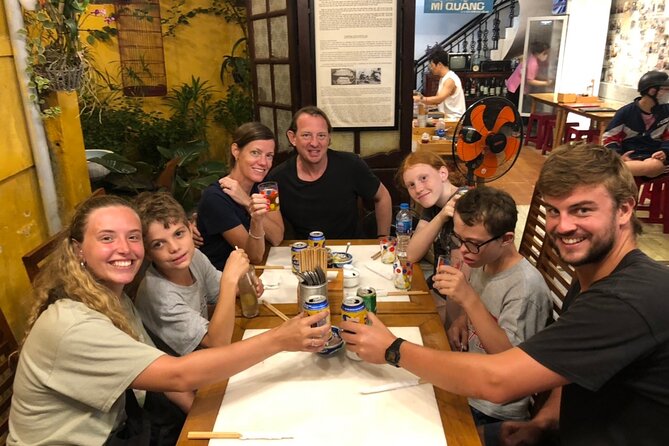
The second stop is Hoi An. This is where the day often feels more connected to the town reputation—while still keeping the focus on rural experience rather than typical tourist attractions.
One specific highlight mentioned is exploring hidden gems like the oldest local fish sauce. In a day like this, food traditions are usually explained in the way locals explain them at home: what makes the process different, why it’s valued, and how time affects flavor.
I like that this isn’t just a taste test. It’s framed as a connection between rural production and what reaches kitchens. If you’re the kind of traveler who likes to understand where food comes from, this kind of stop makes the whole tour stick.
Old-school village learning beats a fast checklist
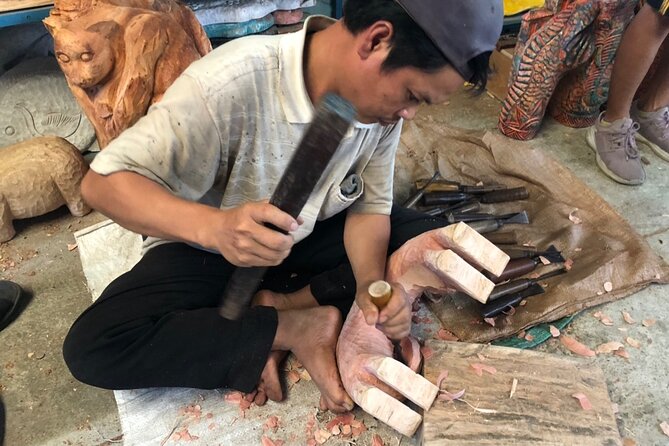
A lot of tours try to cram in five things and call it culture. This one works differently. The pace is gentle and unhurried, and the structure centers on village visits and meaningful moments with local families.
That approach is valuable for two reasons. First, it lets you ask questions without feeling rushed. Second, it makes the activities feel like part of life rather than a staged show for visitors.
You’ll also have a local guide throughout, which matters because rural life can be hard to interpret if you’re on your own. The guide’s job isn’t to talk at you nonstop—it’s to help translate what you’re seeing while keeping you comfortable during the crafts.
Price and value: $55 for a hands-on day with transport and guidance
At $55 per person, this isn’t a budget “only a few photos” trip. It’s priced like a real experience: local guide time, transportation during the experience, helmets, and the craft activities are included.
For me, the best value comes from two places. You get multiple hands-on elements in one morning—no waiting around for a single demonstration—and you get them with a small group. That combo is hard to find for this price level in Hoi An.
Also, you’re not paying extra for the basics you’d normally need: coffee or tea, bottled water, and transportation. When the day includes practical comfort items like those, you spend less energy managing logistics and more energy learning.
What to bring (so the day feels easy, not annoying)
This tour doesn’t list a packing checklist, so I’ll stick to what’s logically helpful based on the activities. Wear comfortable clothes you can move in, since you’ll be doing crafts and likely walking short stretches during village visits.
A hat and sunscreen are wise for daytime, even if you’re starting at 7:00 am. Bring a small bag for personal items, and keep your phone secured while you’re participating. If you’re sensitive to morning temperatures, a light layer can help you feel better once you’re outside.
Also, keep an eye on the moderate physical fitness level note. Basketboat rides and village walking are usually manageable, but they’re still real movement—not a fully seated experience.
Who this tour suits best (and who should skip it)
This experience fits best if you want something more human than scenic. If you like learning through action—food prep, weaving, and water-life—this tour is made for you.
It also works well for families who want a calmer pace. One review highlighted that kids were scared to travel by scooter, and the group used an air-conditioned van at no extra cost. That’s not something you should assume for every departure, but it does suggest the provider can think about comfort.
If you want nightlife, big-ticket landmark photos, or a long day, this won’t match that vibe. It’s a 5-hour, morning-focused rural program built around families and craft learning.
Final call: should you book Uncover Real Rural Hoi An?
If your goal is to understand rural life around Hoi An instead of just collecting highlights, I’d book it. The combination of hands-on noodle making, mat weaving, flavored rice learning, and a basketboat ride gives you variety without turning it into a sprint.
I’d think twice only if you dislike early mornings or prefer passive experiences where you watch everything from a distance. This is participation-based, and the rewards come from doing a little work yourself and talking with the people showing you how it’s done.
FAQ
FAQ
What time does the tour start, and how long is it?
The tour starts at 7:00 am and runs for about 5 hours.
How much does this experience cost?
The price is $55.00 per person.
Is pickup included?
Pickup is offered.
What is included in the price?
The tour includes coffee and/or tea, bottled water, helmets, a local guide, transportation during the experience, and hands-on craft activities.
What activities are part of the experience?
You’ll do a handmaking noodles process with a local family, weave traditional mats in different designs, learn how to make rice with different flavors, and ride a basketboat.
What happens if the weather is bad or you need to cancel?
The experience requires good weather. If it’s canceled due to poor weather, you’ll be offered a different date or a full refund. You can cancel up to 24 hours in advance for a full refund.