REVIEW · HOI AN
Hoi An: My Son Early Morning with Banh My and Coffee 6 am
Book on GetYourGuide →Operated by HOI AN FOOD TOUR · Bookable on GetYourGuide
My Son at dawn feels like a secret. This early Hoi An trip gets you to the sanctuary before the heat ramps up, and it hands you a clear story of the Champa Kingdom through its centuries of sculpted ruins. One catch: breakfast comes later, so you’ll want a little pre-tour snacking plan.
I really like how the timing changes everything. You get that calm window for photos, and the guide spends real time on what you’re seeing—especially the rise and fall of Champa and how these temples fit into the wider Vietnam story. You’ll also get a simple but satisfying local meal stop with banh mi and Vietnamese coffee.
The only real consideration is the start time. Pickup is around 5:30–6:00am, and My Son entry is extra (pay in cash). If you hate early mornings, this one might feel like a mild life test.
In This Review
- Key highlights that make this My Son morning worth it
- Why the 5:30 departure changes everything at My Son
- My Son Sanctuary: Champa ruins you can actually understand
- The photography window: near-empty ruins and better light
- Breakfast timing: banh mi and coffee when your stomach is finally awake
- The morning rhythm in plain language: what the itinerary feels like
- Price and logistics: what you pay and what you should budget
- The best kind of traveler for this My Son early tour
- Should you book this early morning My Son tour?
- FAQ
- What time does the tour pick you up from Hoi An?
- How long is the My Son visit?
- Is the My Son entrance ticket included?
- Can I pay the My Son entrance fee by credit card?
- What is included in breakfast?
- Is the tour guided in English?
- How big is the group?
- Does the tour include transportation to and from My Son?
- Do I need cash for anything besides the ticket?
- What should I pack for the morning?
Key highlights that make this My Son morning worth it
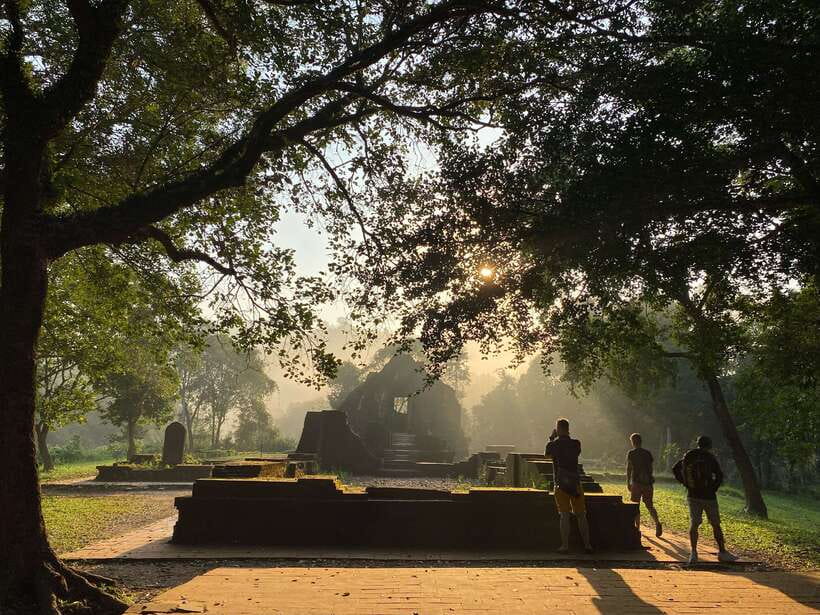
- Early arrival means near-empty temples and calmer walking paths
- A small group (limited to 13) keeps questions flowing and photos easier
- History-led tour of the Champa Kingdom’s rise and fall across centuries
- English live guide with strong on-site explanations (names you may see: Li, Lee, Tu, Dong, Thuy, Thao, Binh)
- Breakfast stop with banh mi and coffee gives you a real taste of local rhythm
Why the 5:30 departure changes everything at My Son
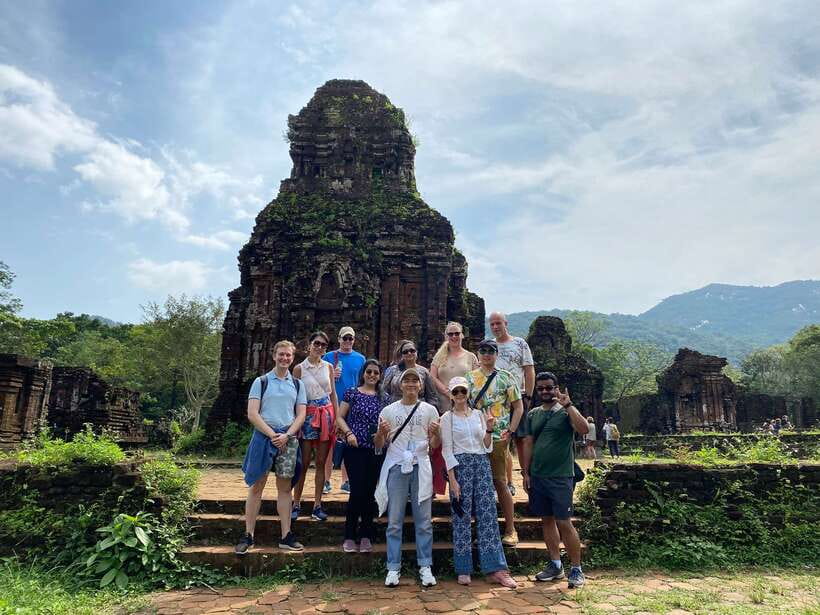
My Son isn’t far from Hoi An, but it’s a world away in feel—especially at the start of the day. The tour is built around a simple idea: get there early enough that you’re not fighting crowds or sweltering sun. Pickup starts at about 5:30–6:00am, and the drive is around an hour, so you’re already moving before the day fully wakes up.
That early timing does two big things for you. First, it makes the ruins feel more human. Temples are easier to notice when you’re not constantly stepping around tour groups. Second, it makes photography way less stressful. If you care about clean shots—sun angles, empty frames, and calm details—this timing is a big advantage.
You’re also protected from the most annoying part of My Son: the afternoon heat. Multiple guides and guests point out that later in the day gets brutally hot and uncomfortable. Going early lets you enjoy the site at a pace that feels like exploring, not rushing.
You can also read our reviews of more tours and experiences in Hoi An

My Son Sanctuary: Champa ruins you can actually understand
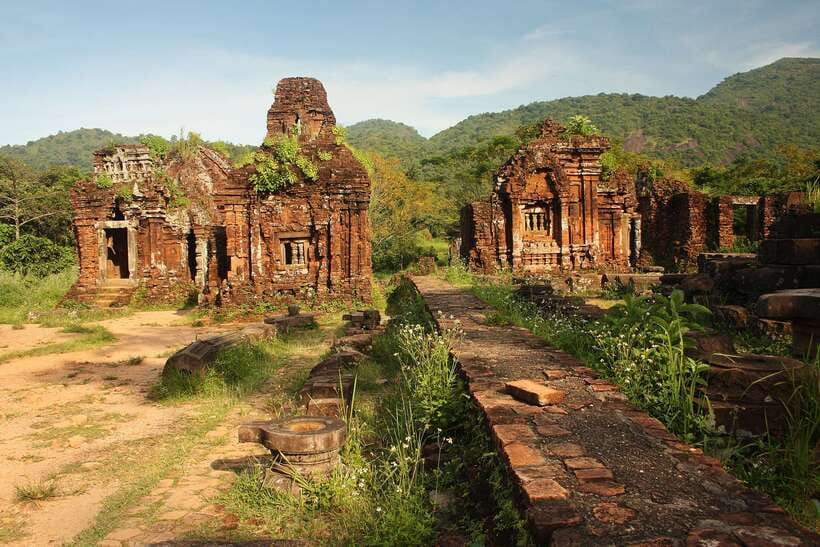
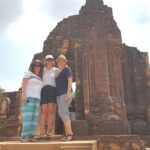
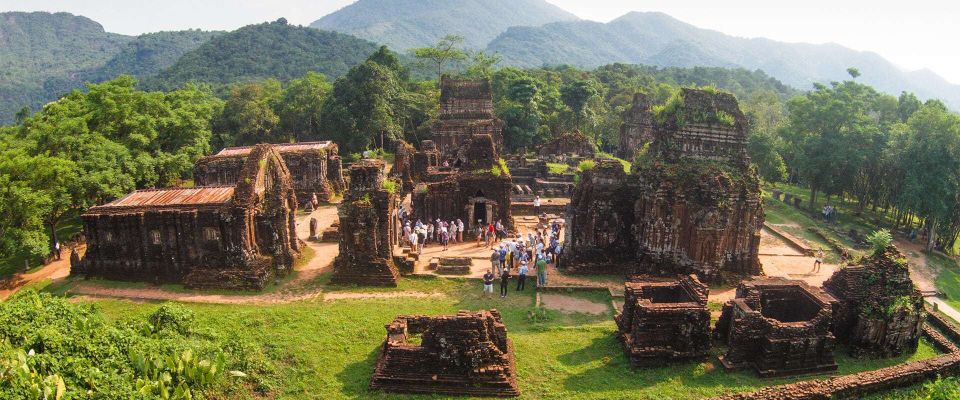
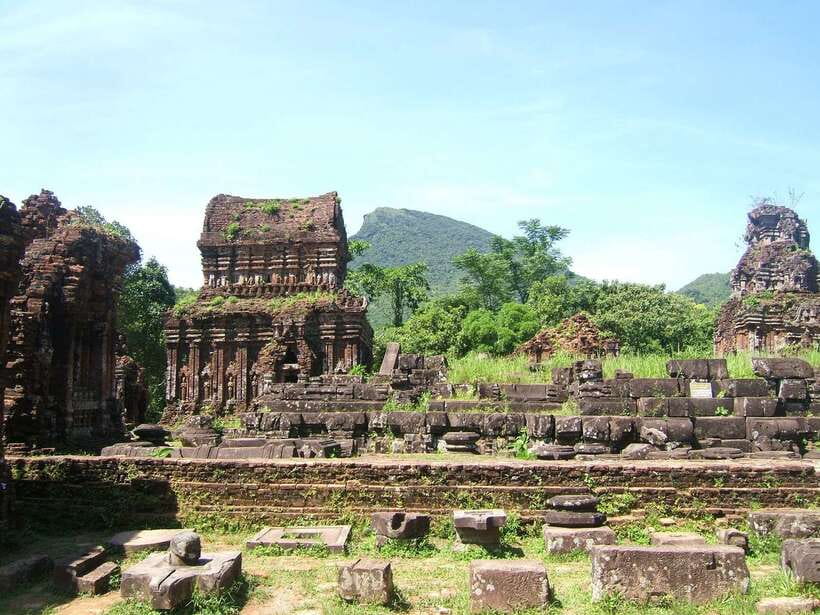
My Son Sanctuary is famous for its sculptural remains, and this tour’s main strength is how it explains what you’re looking at. You’ll hear about the once-powerful Champa Kingdom, including its rise and fall, and you’ll connect that story to what survived here—eight centuries worth of sculptural masterworks and temple structures.
This matters because My Son can look like a pile of stone from afar. With a good guide, it becomes legible. You start seeing patterns—how the site is organized, why certain elements matter, and what the carvings can tell you about belief, power, and craftsmanship.
You’ll spend roughly two hours exploring My Son. That’s enough time to move at a comfortable walking pace, stop for photos, and still get a meaningful history lesson. The best tours don’t just point; they help you “read” the place. If you’ve ever toured a ruin with a guide who talks fast and leaves you lost, you’ll appreciate the slower, more conversational pace that many guests highlight with guides like Li and Tu.
And because My Son is a sanctuary—part heritage site, part sacred landscape—the early hours also make it feel more respectful. You’re not arriving to a stampede. You’re arriving to something calmer.
The photography window: near-empty ruins and better light
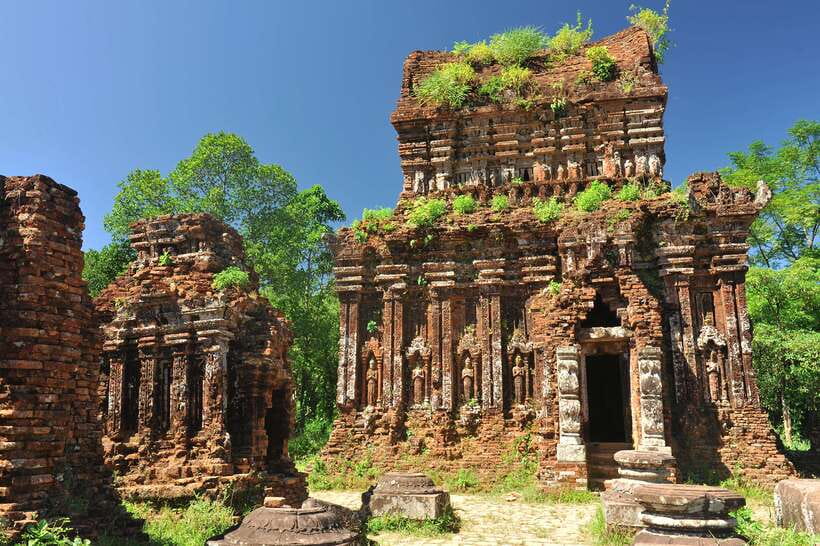
One of the biggest practical reasons to do this early is the photo factor. When you arrive before the crowds build, you can step back and frame shots without a sea of heads in the background. People repeatedly call out that their photos came out with almost no one around.
Here’s what that means for you on the ground:
- You can take photos from steadier distances, because the area isn’t packed.
- You can linger at the details (carvings, doorways, sculpted faces) instead of feeling rushed.
- You’re more likely to get images that feel timeless, not “tour group, but with ruins.”
Also, early morning light tends to be more forgiving. The sun is lower, and shadows can make the sculpture depth pop instead of washing everything out. You’re not guaranteed perfect light every day, but you’re more likely to get usable conditions than you would at mid-day.
Small group size helps too. This tour keeps groups tight—up to 13 participants. That means you’re less likely to get stuck behind a big cluster of people during the key photo stops.
Breakfast timing: banh mi and coffee when your stomach is finally awake
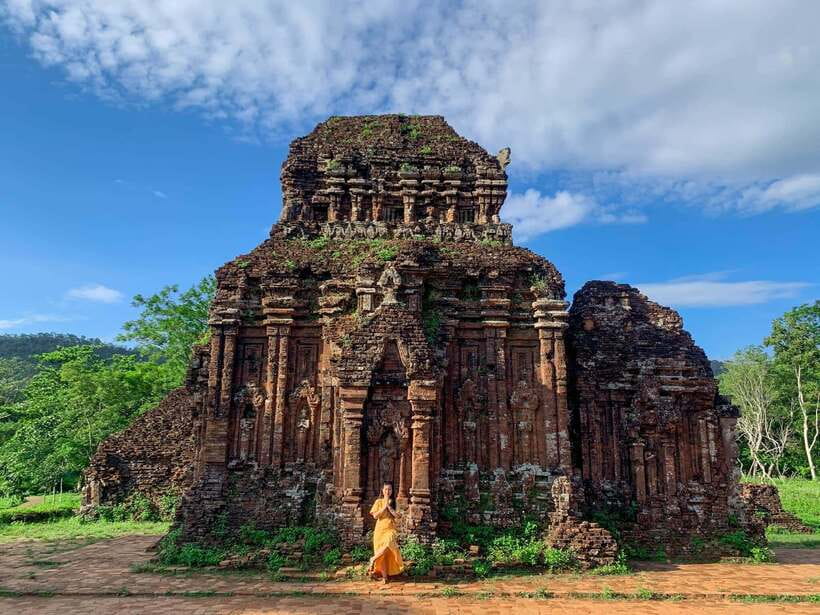
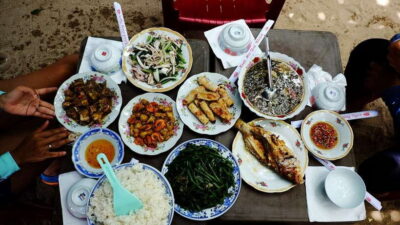
After you wrap the guided portion, you’ll head to a local café area for breakfast—banh mi and Vietnamese coffee. The idea is simple: fuel up before you’re fully back in Hoi An mode.
One important detail: breakfast happens after the tour’s main exploring portion. Even if the schedule places breakfast around late morning, many guests note you shouldn’t assume the meal will feel like immediate breakfast-at-the-start. So treat this like: eat when you can after the ruins, not like a guaranteed early breakfast.
If you’re a planner, do this:
- Bring a snack for the ride out.
- Keep water with you (the tour includes a bottle, but you may want more depending on your habits).
What you get here is more than calories. Vietnamese coffee is its own small ritual. It’s sweet, aromatic, and strong—often a mix of condensed flavors and slow-drip style. Even if you’re not a coffee person, this stop can be a fun moment to try something very local with minimal effort.
And if you’re picky about meal options, be aware that the breakfast is described as banh mi and coffee, but one guest also mentioned chicken noodles and vegetarian options showing up for some groups. The safest move is to ask upfront if you have strict dietary needs.
The morning rhythm in plain language: what the itinerary feels like

The tour is timed like this: pickup around 5:30–6:00am, then about an hour to My Son. You’re there by roughly 7:00am, with about two hours of guided exploration. Then you head to a local café around 9:30am for breakfast, and you return to the pickup/drop-off point by late morning.
In real-life terms, it means you’ll feel like you’re doing a true morning adventure, not a quick stop. You’ll walk around, learn, and photograph without getting swallowed by crowds. Then you’ll shift to food and a smoother ride back.
That timing also affects what you might miss. One guest notes that if you go early, you don’t catch the cultural music/dance that happens later in the day. So if you’re the kind of person who wants the full-day schedule with performances, you may prefer a later tour.
But if you’re choosing between comfort and extras, early morning wins. You’ll get the ruins at a humane time, with breathing room.
You can also read our reviews of more tours and experiences in Hoi An

Price and logistics: what you pay and what you should budget
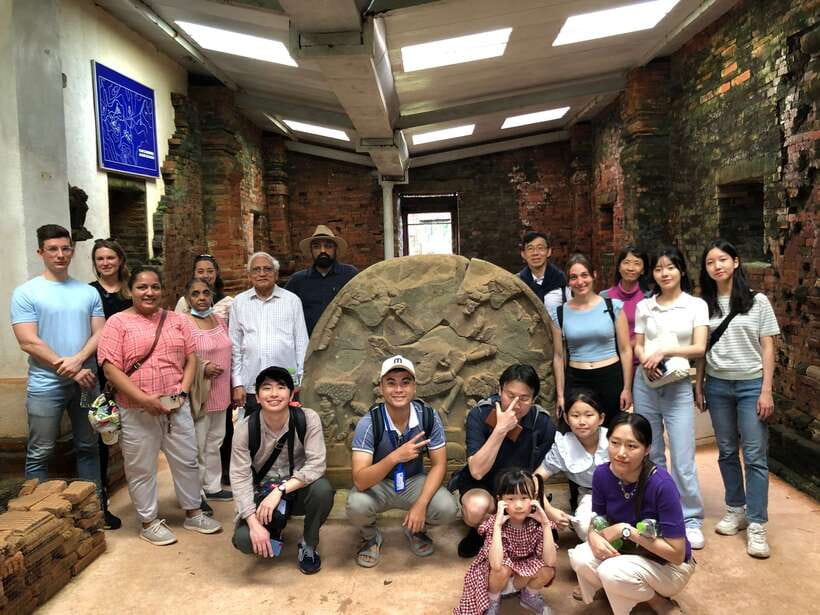
The headline price is $18 per person, and for Vietnam, that’s usually in the “good value” zone when the group is small and transport plus a guide is included. What’s in that price:
- A knowledgeable, English-speaking live guide
- Transport to and from My Son
- Pickup/drop-off from hotels in Hoi An city center
- A water bottle
- Breakfast: banh mi and Vietnamese coffee
What’s not included is the biggest variable: the My Son entry ticket (150,000 VND per person). You also need to know that credit cards aren’t accepted for the ticket, so bring cash. This matters more than people expect. It’s the kind of little snag that can slow you down when you’re already rushing in the morning.
There’s also a special charge on certain public holidays: an extra 150,000 VND per guest is requested. If you’re traveling during those dates, plan for it.
One more location-based note: there can be a 50,000 VND one-way extra charge for hotels near areas like Cua Dai Beach, An Bang Beach, Cam Thanh, Tra Que village, and Cam Nam. If you’re staying farther out, it’s worth checking your pickup eligibility so you don’t get surprised by the fee.
The best kind of traveler for this My Son early tour
This is a great fit if you:
- Want the ruins when they feel calm, not packed
- Love photos and want clean, low-crowd frames
- Prefer a structured history explanation rather than wandering alone
- Are okay with an early start to avoid heat
It’s also a strong choice for first-time My Son visitors. The guide helps you understand what you’re looking at, and the timing keeps the experience enjoyable instead of sweaty and rushed.
If you’re the type who likes to sleep in, you might feel like you’re trading comfort for ruins. But if you can manage the morning wake-up, you’ll likely think it’s worth it. Many guests explicitly recommend early timing to beat heat and crowds.
And if you’re comparing My Son to other famous ruin sites, don’t overthink it. My Son is different from mega-archaeological sites in scale, but it has a specific charm: sculptural remnants, temple remains, and a history lesson that feels close to the ground when you’re there early.
Should you book this early morning My Son tour?
I’d book it if you want the best version of My Son: early light, cooler walking, fewer people, and a guide who helps you connect the stones to the Champa story. The small group size and the strong feedback about guides like Li, Tu, and Thao are exactly what you want for a place where context matters.
Skip it (or consider a later alternative) if you:
- Can’t do mornings
- Are counting on later-day performances that happen after the early departure window
- Want a long, slow full-day experience without structured timing
If you’re flexible on schedule and you care about comfort and photos, this is one of those Hoi An day trips that feels like it was designed for your enjoyment, not just for checking a box.
FAQ
What time does the tour pick you up from Hoi An?
Pickup is about 5.30 am–6.00am, depending on where you’re staying in central Hoi An.
How long is the My Son visit?
You explore My Son for about 2 hours.
Is the My Son entrance ticket included?
No. The ticket is not included and costs 150,000 VND per person.
Can I pay the My Son entrance fee by credit card?
No. Cash is required, and credit cards are not accepted.
What is included in breakfast?
Breakfast includes banh mi and Vietnamese coffee at a local coffee shop.
Is the tour guided in English?
Yes. The tour includes a live English-speaking guide.
How big is the group?
This is a small group with a limit of 13 participants.
Does the tour include transportation to and from My Son?
Yes. You get pickup and drop-off from hotels in central Hoi An, plus round-trip transport to My Son.
Do I need cash for anything besides the ticket?
You should bring cash for the My Son entrance fee (150,000 VND per person). Public holidays may also include an extra 150,000 VND per guest, and some pickup areas may have a 50,000 VND one-way extra charge.
What should I pack for the morning?
Pack light layers for heat, and bring an umbrella or raincoat plus a jacket if you’re traveling from October to February. Also consider packing a snack since breakfast is later.