REVIEW · HOI AN
Hoi An: Bay Mau Eco Cooking Tour
Book on Viator →Operated by Bay Mau Eco Cooking Tour · Bookable on Viator
A basket boat in a coconut forest sounds like a movie scene. This 4-hour, 40-minute tour pairs market ingredient shopping with hands-on Vietnamese cooking in Cam Thanh village, plus a Bay Mau coracle ride in the coconut waterways. I like how much you do with your own hands, from pounding and separating rice to making rice paper, and I also like the practical door-to-door setup in central Hoi An. One consideration: the schedule is packed, so if you want slow, unhurried cooking, you might feel the pace.
The guide quality seems to be a big part of the experience, with names like Trang, Ly, and Phu mentioned for being kind, organized, and clear in class. Expect a morning start with pickup around 8:20am and a return to your hotel by about 1:00pm.
In This Review
- Key things to know before you go
- A taste of Cam Thanh: what the Bay Mau Eco Cooking Tour really delivers
- Door-to-door pickup and the market stop that sets you up
- The Bay Mau coracle/basket boat ride through coconut waterways
- From pounding rice to rice paper: the cooking skills you’ll take home
- Your lunch (or dinner) is the point: eating what you made
- Price and timing: what you’re really paying for at $35
- Who should book: the best match and the possible mismatch
- A few practical tips to make the day smoother
- Should you book the Hoi An Bay Mau Eco Cooking Tour?
- FAQ
- How long is the Hoi An Bay Mau Eco Cooking Tour?
- What time does the tour pick me up and when do I return?
- Is hotel pickup and drop-off included?
- What’s included in the tour price?
- Do I need to pay extra for the boat or the cooking class?
- Is this tour private?
- What food will I eat?
- Is the tour dependent on weather?
- Are tips included?
Key things to know before you go
- Hotel pickup and drop in central Hoi An keeps the day easy, so you spend more time doing and less time transferring.
- A real market ingredient hunt helps you understand herbs, spices, and what to buy for Vietnamese cooking.
- Bay Mau coracle/basket boat time gives you a true local-waterway feel in Cam Thanh Coconut village.
- Hands-on tools and rice techniques include pounding, grinding, rice milk prep, and making rice paper.
- You eat what you cook, which is the point of a good cooking class, and lunch or dinner is included.
A taste of Cam Thanh: what the Bay Mau Eco Cooking Tour really delivers
If your idea of a cooking class is sitting at a table while someone explains recipes, this isn’t that. The Bay Mau Eco Cooking Tour is built around movement and craft: you start with ingredient selection, then you move to Cam Thanh Coconut village for traditional rice prep, and you finish with the meal you made yourself. It feels like you’re learning a system, not memorizing a list.
The value is tied to how the pieces connect. Picking ingredients at a local market matters because Vietnamese cooking is driven by specific herbs, aromatics, and flavor balances. Then the rice work teaches you why rice products like rice paper are such a big deal in everyday Vietnamese meals. And the boat ride through Bay Mau coconut forest is the cultural palate cleanser that keeps the day from feeling like one long kitchen session.
This is also a private tour/activity, so it’s designed for your group rather than a giant bus of strangers. That matters when you’re trying to learn techniques like pounding rice or forming rice paper, because you need time and attention, not constant crowd noise.
You can also read our reviews of more cooking classes in Hoi An

Door-to-door pickup and the market stop that sets you up
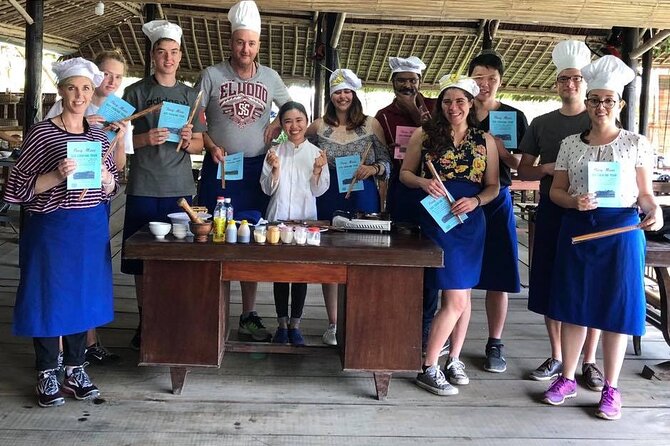
Morning pickup is scheduled for about 8:20am from your Hoi An hotel in the central area, with drop-off back around 1:00pm. For a half-day format, that timing is fairly efficient. You’re not just getting transported; you’re starting the experience with context, which makes the cooking portion feel more meaningful.
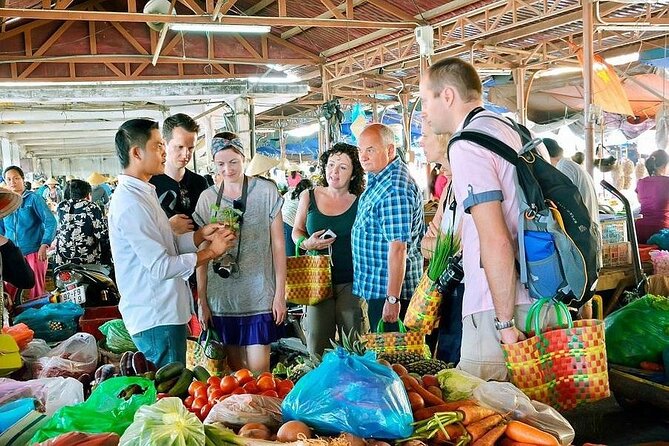
The market visit is more than a photo stop. You go with an English-speaking guide who talks through key ingredients in Vietnamese cuisine and helps you select fresh items for the class. This is where you’ll likely notice the difference between generic “Asian grocery” cooking and true Vietnamese flavor building. Herbs and spices are explained in a way that makes them usable, not just decorative.
What I like about this setup is that it nudges you toward smart shopping habits for the rest of your trip. After you’ve seen how the guide matches ingredients to dishes, you’ll have a better sense of what to look for if you cook again later back home.
One possible snag: because the day is structured, you may not have unlimited browsing time at the market. If you’re the type who loves wandering every aisle slowly, you might want to do a separate market stroll on another day.
The Bay Mau coracle/basket boat ride through coconut waterways
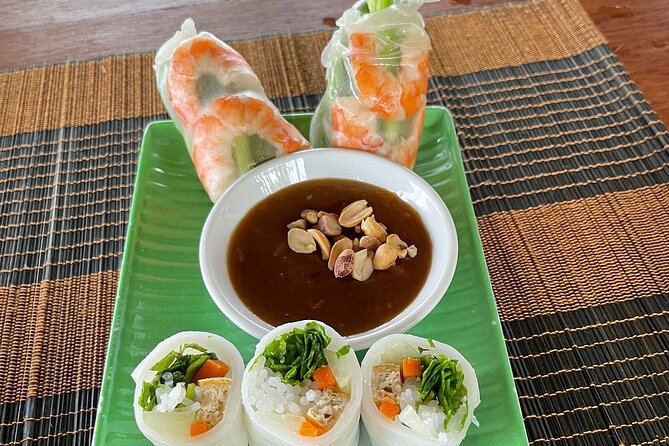
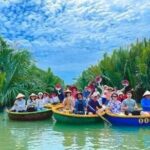
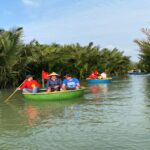
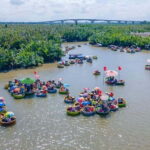
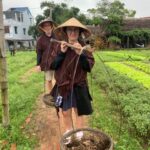
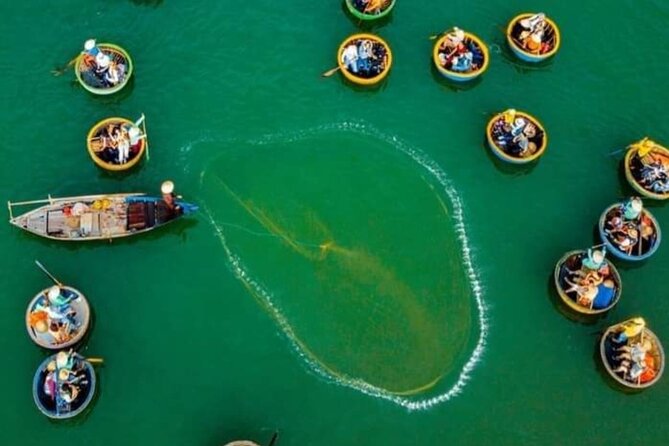
After the market, the car takes you back to Cam Thanh Coconut village, where you transfer to a basket/bamboo-style boat for the Bay Mau coconut forest route. This part is often a highlight because it’s a different perspective of the area. You’re not just hearing about Cam Thanh; you’re moving through it.
The coconut forest ride is described as exploring the beauty of Bay Mau coconut forest, also called the Mekong Delta in the heart of Hoi An. It’s not the Mekong River, of course, but the comparison helps you understand the vibe: a water-and-vegetation network that feels agricultural and lived-in.
One review note is important for expectations. One person found the coracle/basket boat portion a bit disappointing, saying the ride happens on water under an overpass. Another review mentioned a boat driver who tried to pressure them into something extra. That doesn’t mean the ride is bad, but it does mean you should keep your sense of control. If you’re offered add-ons or upsells, politely decide on the spot.
Also, remember that this is still a working local environment. The ride is part transportation, part scenery, and part cultural routine. If you treat it like that, it’s easier to enjoy.
From pounding rice to rice paper: the cooking skills you’ll take home
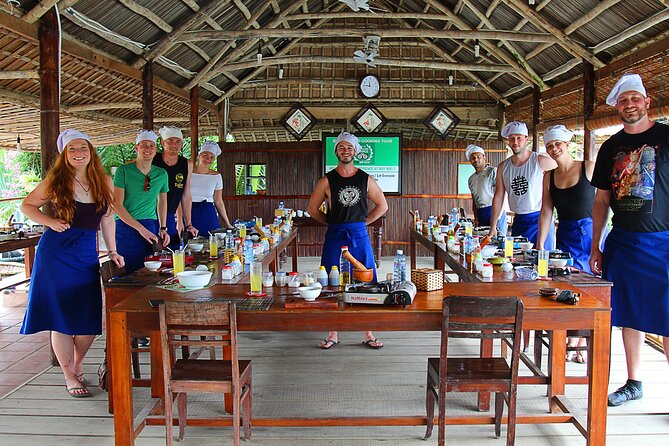
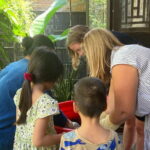
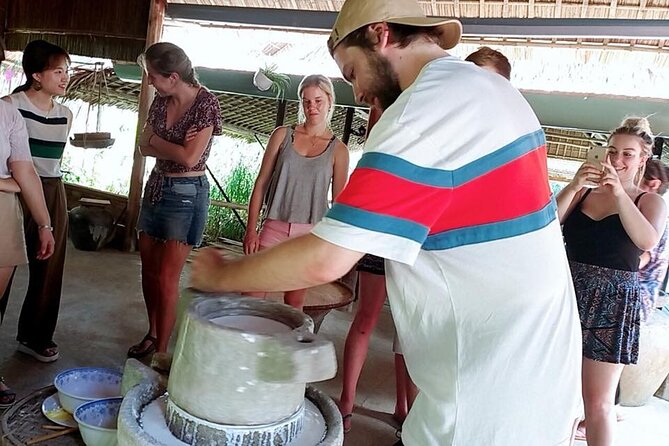
This is the core of the tour, and it’s also why it’s priced the way it is. You’re learning traditional techniques using hands-on tools rather than just following a printed recipe. The tour specifically includes experiences like:
- pounding and separating rice
- grinding rice to make rice milk
- making rice paper with traditional tools
You’ll use items like a stone mortar and grinder and a wooden pestle. The point isn’t museum authenticity. The point is understanding process. When you pound rice or grind it, you feel how texture changes what you can make next. When you work rice milk and rice paper, you see why timing and mixture consistency matter.
If you’re wondering what kind of Vietnamese cooking you’ll actually be able to repeat later, rice paper making and rice-milk preparation are good anchors. They’re specific, they teach fundamentals, and they give you more confidence experimenting with Vietnamese-style dishes at home.
The reviews also hint at teaching style differences. Guides like Ly and Phu are praised for being sweet, giving good information, and offering the right amount of support. Trang is also praised for organizing the class well and being kind. That kind of guidance matters in a hands-on class because you want to know when to slow down and when to keep going.
One drawback to watch for: a couple reviews mention the cooking class can feel rushed or fast-paced since there are multiple activities packed into the day. If you’re sensitive to time pressure, go into this expecting a learning sprint, not a relaxed workshop.
Your lunch (or dinner) is the point: eating what you made
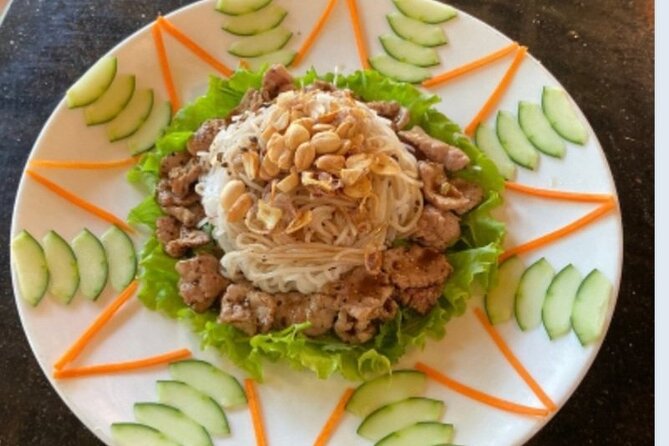
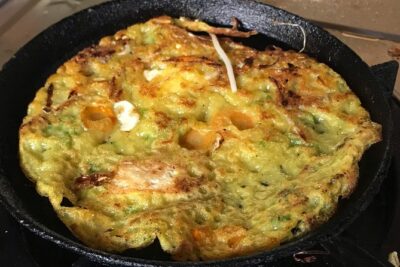
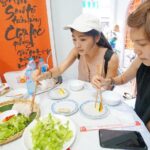
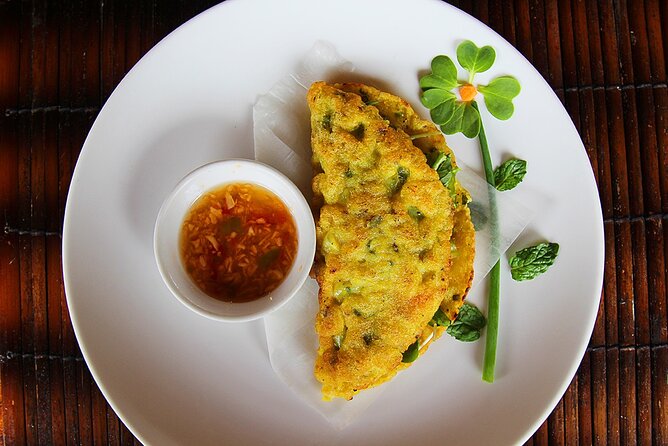
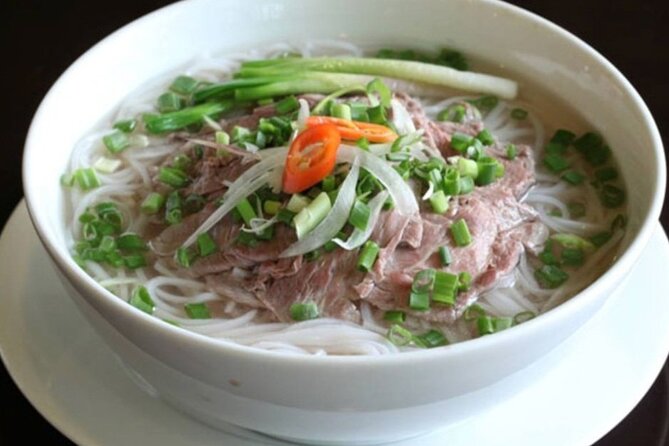
After market picking, boat time, and the rice-technique training, you end up with a meal included in the tour: lunch or dinner is part of the package. In practical terms, this is what makes a cooking class worth it. You don’t just watch your dishes get plated; you get to taste what you created.
The tour is framed as a lavish lunch or dinner made from your own preparation. That doesn’t mean you’ll get a restaurant-sized buffet table, but it does mean you should plan on leaving full. And because you cooked it, you’ll know what flavors you added and how the texture changed as you worked.
I also like that the tour keeps food and culture connected. Vietnamese cooking isn’t only about sauces; it’s about ingredient freshness, rice-based staples, and technique. By the time you eat, your brain has already connected the herbs and spices you saw at the market with the rice craft you did in Cam Thanh.
Diet details like vegetarian options aren’t mentioned in the data you provided. If that matters for you, it’s smart to ask the provider when you book.


Price and timing: what you’re really paying for at $35
At $35 per person, this tour sits in the value zone for Hoi An cooking experiences. But the real question isn’t just the price tag. It’s what’s included that would cost you separately:
- hotel pickup and drop-off in Hoi An
- an English-speaking guide
- market shopping with ingredient selection
- basket boat time through Bay Mau coconut forest
- a cooking class with traditional tools
- a full included meal
- bottled water
When you add up those parts, $35 starts to make sense, especially because you’re getting both cultural learning and a boat experience, not just cooking in a kitchen. The door-to-door pickup alone can save time and hassle, especially if you’re staying in a central hotel.
Duration is about 4 hours 40 minutes, which is a strong sweet spot. You get a complete morning arc: start with ingredients, do the craft, enjoy the meal. If you have limited days in Hoi An, this fits well without stealing your entire afternoon.
But the time box is also why some reviews flag a rushed feel in the cooking portion. You’re doing a lot: market, transport, boat ride, rice techniques, then eating. If you like slow pacing, you may want to pair this tour with a lighter day afterward.
Who should book: the best match and the possible mismatch
This tour is a great fit if you want hands-on Vietnamese skills and you like a mix of food and place. I’d especially recommend it if:
- you enjoy market experiences and want practical ingredient knowledge
- you’re curious about rice processing, rice paper, and rice milk basics
- you like short cultural add-ons, like the Bay Mau coconut forest boat ride
- you prefer a private group format rather than a crowded class
You might think twice if:
- you want a relaxed, unhurried cooking session with lots of idle time
- you’re uncomfortable with boat rides that may include fixed routes and nearby infrastructure like overpasses
- you strongly dislike any hint of upselling during tours (one review raises this concern about a boat driver)
If you fall into the middle, go anyway but adjust your mindset. Treat the day as a well-run highlight reel where the emphasis is learning techniques fast and leaving with a full meal plus new skills.
A few practical tips to make the day smoother
These aren’t “insider secrets,” but they’re the kinds of details that help you enjoy the day more:
- Wear comfortable shoes that handle wet or uneven ground, since you’ll be in a village area and near water.
- Bring a light layer. Morning in Hoi An can feel cooler, and you may spend time in transit between stops.
- If you’re sensitive to time, remember the schedule is built around multiple stops, not one long class.
- When you shop at the market, focus on understanding the ingredients your guide recommends. Even if you don’t buy everything, you’ll learn what matters.
And one mindset tip: don’t try to “collect facts” all day. Instead, watch how ingredients connect to the rice techniques. That’s the fastest path to enjoying (and remembering) what you learn.
Should you book the Hoi An Bay Mau Eco Cooking Tour?
Book it if you want real technique, not just recipe talk, and you like the idea of pairing cooking with Cam Thanh and Bay Mau coconut waterways. The biggest strengths are the market-led ingredient selection, the hands-on rice craft (pounding rice, rice milk basics, rice paper), and the included meal you make yourself. Guide quality also seems consistently strong, with names like Trang, Ly, and Phu mentioned for kindness and good instruction.
Skip or reconsider if you’re the kind of person who needs a slow pace and lots of unstructured time. The day is efficient, and that can make the cooking portion feel rushed for some people. Also, keep your expectations realistic about the boat ride route.
If you’re excited to learn and eat, this is a smart use of a half day in Hoi An.
FAQ
How long is the Hoi An Bay Mau Eco Cooking Tour?
It’s listed at about 4 hours 40 minutes.
What time does the tour pick me up and when do I return?
Pickup is around 8:20am from your central Hoi An hotel, and you return around 1:00pm.
Is hotel pickup and drop-off included?
Yes, free car pickup and drop-off is included for hotels in Hoi An.
What’s included in the tour price?
An English-speaking guide, basket boat ride, cooking class, lunch or dinner, and a bottle of water are included.
Do I need to pay extra for the boat or the cooking class?
No extra charges are listed for those parts beyond the tour price.
Is this tour private?
Yes. It’s a private tour/activity, and only your group participates.
What food will I eat?
You’ll have lunch or dinner included, made from what you prepare yourself in the cooking class.
Is the tour dependent on weather?
Yes. It requires good weather, and if it’s canceled due to poor weather, you’ll be offered a different date or a full refund.
Are tips included?
Tips are not included in the package.