REVIEW · HOI AN
Private cooking class tour with Master Chef
Book on GetYourGuide →Operated by Lantern restaurant and cookingclass · Bookable on GetYourGuide
A morning in Hoi An turns into dinner you cook yourself. I really like the private, hands-on setup and the way a real chef walks you through Vietnamese ingredients. I also love the market shopping part, where you learn what to buy and how to talk to local sellers. The main thing to consider is that this class isn’t suitable for people with food allergies, and the menu can shift based on what’s available.
You’ll start with hotel pickup in Hoi An (for the options that include it), then head into local food country. Expect an easy, fun class with practical steps, not just watching someone else cook. You’ll end the day eating salad, spring rolls, a pho-style main, and dessert—your work, your plate, and usually a new favorite sauce or herb combo.
In This Review
- Key Highlights Worth Planning For
- Starting in Hoi An: Pickup, Timing, and What the Day Feels Like
- The Market Walk: How to Buy Vietnamese Ingredients Without Guessing
- Organic Garden Visit: Fresh Herbs and the Real Source of Flavor
- The Cooking Class With a Professional Chef: Techniques You Can Repeat
- Salads, Appetizers, and That Sauce Moment
- Main Course: Pho-Style Comfort With Choices
- Dessert: Mixed Fresh Fruit
- A Note on the Menu
- Small Group Energy: Why Private Means More Than Fewer People
- What You Eat: A Full Meal That Feels Earned
- Price and Value: Is $39 a Person Worth It?
- Who Should Book This Cooking Class (and Who Should Skip It)
- Quick Practical Tips Before You Go
- Should You Book This Private Chef Cooking Class?
- FAQ
- How long is the cooking class experience?
- Where does the experience start and end?
- What are the available time options?
- Is the market tour included?
- What dishes will I learn to cook?
- Does the class include ingredients and the meal?
- Is water provided?
- Is there an English-speaking guide?
- Is this class suitable for children or people with allergies?
Key Highlights Worth Planning For
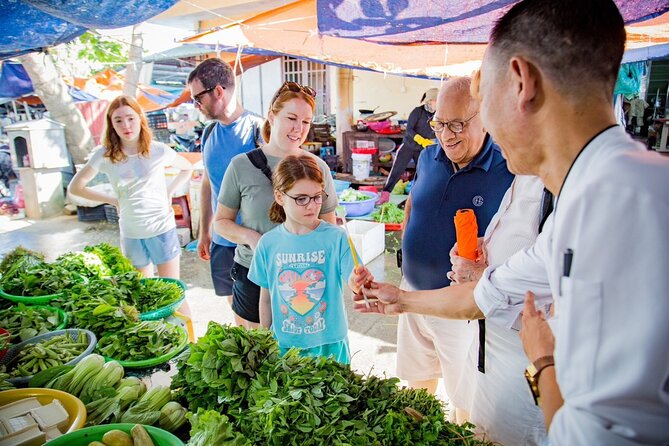
- Market shopping with a chef so you know what ingredients matter, not just what they’re called
- Organic garden visit for a real look at herbs and produce used in Vietnamese cooking
- Classic Hoi An dishes like Hoi An crispy spring rolls and green mango with prawn salad
- Pho and noodle know-how with a main course that’s either Hanoi beef or chicken noodle soup
- Small private group feel that keeps questions and hands-on time flowing
- A full meal outcome: appetizer, main, and dessert—so you leave fed, not just educated
Starting in Hoi An: Pickup, Timing, and What the Day Feels Like
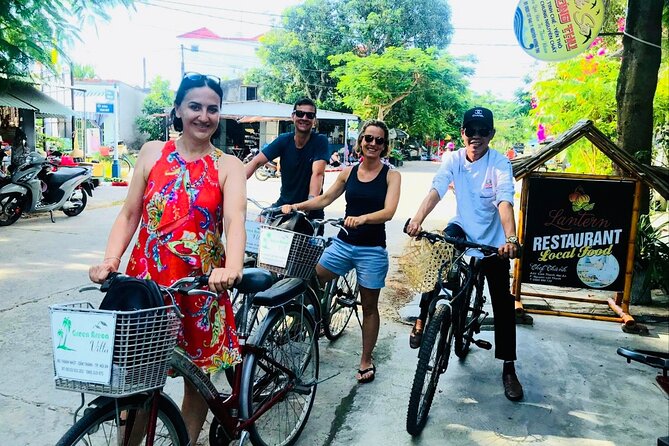
This experience runs as a full one-day food lesson, with options in morning, afternoon, or evening windows. In practice, you’re picking a time that matches your appetite level and your day plan in Hoi An. If you want the full arc—from market to garden to cooking—choose the option that includes the local market and organic garden. If you’re short on time, the only cooking option keeps things focused.
Pickup is noted differently depending on the option. For the longer option, you’re told guests are picked up from the hotel by car or motorbike. For other choices, pickup/drop-off is described as excluded or optional in the details, so I recommend checking what’s included with your exact start time before you book. (Vietnam traffic is real—good to know if you’ll be meeting your chef directly or being transported.)
The day has a clear rhythm: shop and learn, cook with guidance, then sit down and eat. That structure matters because Vietnamese cooking can look complicated—until you get shown the small, repeatable techniques.
You can also read our reviews of more private tours in Hoi An



The Market Walk: How to Buy Vietnamese Ingredients Without Guessing
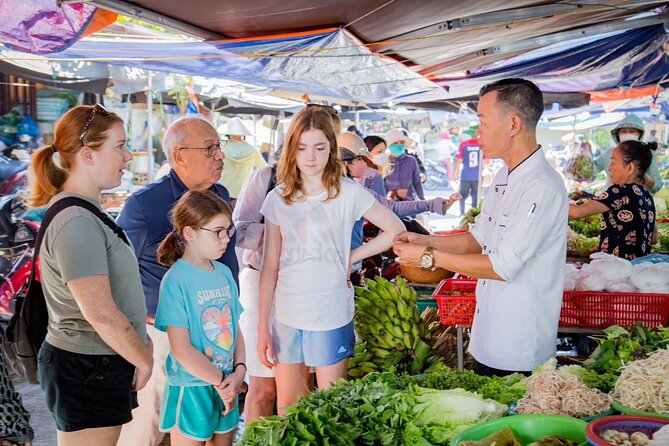
The market part is the most practical section of the day. Instead of memorizing recipes, you learn how to select ingredients that perform well in cooking. Your chef guide helps you identify what to look for and, just as important, how to deal with local sellers.
A useful detail: the market can be quieter during major seasonal periods (like Tet). Even then, the chef-led approach still works because you’re not rushing through stalls. Your guide can slow down and explain what you’re buying and why it matters for flavor and texture.
Here’s what I think you’ll leave with from the market:
- You’ll get calmer about produce and herbs you don’t see at home
- You’ll understand which items are essential for the dishes you’ll cook
- You’ll learn what to do when the market has substitutions (since the menu can change based on ingredient availability)
If you’ve ever tried to cook Vietnamese food later and felt like something tasted off, this is often why. The difference isn’t the recipe—it’s the ingredient quality and the right ratios, especially for sauces.
Organic Garden Visit: Fresh Herbs and the Real Source of Flavor
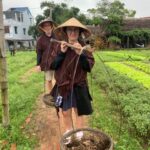
After (or alongside) the market portion, you may visit an organic garden. This isn’t a “look at plants” side trip. It’s tied directly to the flavors you’ll cook with later.
You’ll see how the produce used in Vietnamese dishes comes from the ground—then you connect that to what you’re doing in the kitchen. Herbs and vegetables in Vietnamese cooking aren’t decorative. They’re part of the dish’s punch, fragrance, and balance.
If you care about value, this garden stop is a smart add. It helps you understand why certain herbs show up repeatedly in Vietnamese cuisine and how fresh ingredients change the final taste. Even if you don’t become a garden person overnight, you’ll get better at choosing ingredients when you cook again at home.
The Cooking Class With a Professional Chef: Techniques You Can Repeat
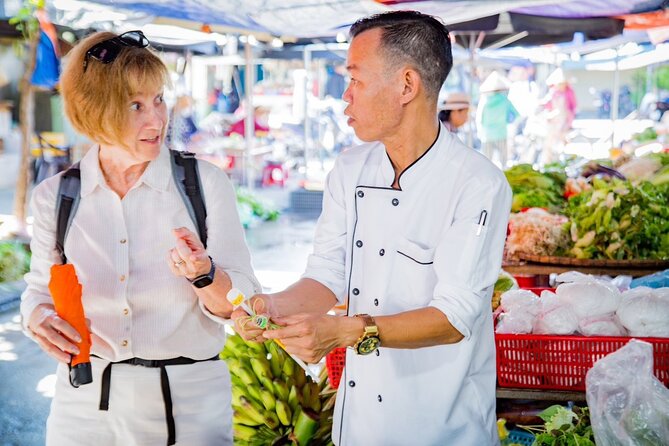
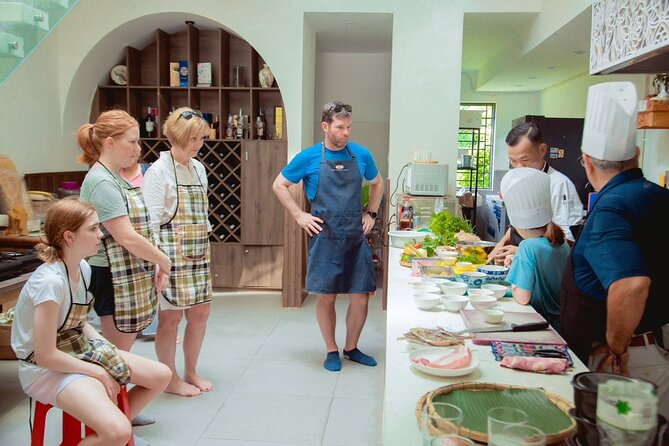
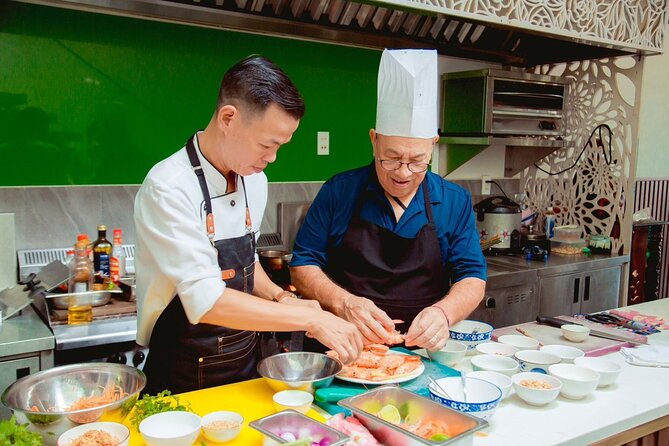
The heart of the experience is the cooking class led by a professional chef with many years of Vietnamese cuisine experience. You’re in a private group, and that means you’re not stuck waiting your turn while someone else handles the hard parts. You’ll actually practice cooking your own dishes.
The class includes both traditional and modern Vietnamese cooking, but it’s still approachable. You’ll be shown what to do, then you’ll do it. That hands-on style is what makes this more than a tour.
Salads, Appetizers, and That Sauce Moment
Your menu includes salad and appetizer, and the details matter:
- Sweet and sour chili sauce: This is one of those Vietnamese flavor anchors. When you make it yourself, you’ll understand how sweet, sour, and chili heat work together instead of tasting random.
- Green mango with prawn salad: Expect a balance of tang and freshness, with mango playing the starring role.
- Hoi An crispy spring rolls: These are famous for a reason, and cooking them teaches technique—rolling, filling, and getting the crisp texture right.
If you like food that has contrast—crunch plus herbs, tang plus heat—this section is where you’ll feel the payoff fast. And if you’re new to Vietnamese cooking, these dishes give you a solid base because they use common flavor patterns.
You can also read our reviews of more cooking classes in Hoi An

Main Course: Pho-Style Comfort With Choices
For the main course, you’ll cook either:
- Hanoi beef noodle soup, or
- chicken noodle soup
Pho can look intimidating until you see the flow: building flavor, handling noodles, and timing the final touches. You’ll leave with a better sense of how Vietnamese soups are structured—warm, fragrant, and balanced rather than heavy.
Dessert: Mixed Fresh Fruit
To finish, you’ll have mixed fresh fruit. It’s simple, but it’s a smart ending to a meal with chili, tang, and herbs. You reset your palate without adding a sugary overload.
A Note on the Menu
The menu can change based on ingredient availability. I see that as normal in real cooking education. Markets don’t always have everything every day, and learning to adjust is part of cooking skills. Just be sure you’ve told your chef about dietary restrictions in advance—though again, people with food allergies aren’t considered suitable for this experience.
Small Group Energy: Why Private Means More Than Fewer People
You’re in a private group, which changes the entire learning experience. In a larger class, you can end up watching more than cooking. Here, you’re more likely to get direct help when your rolling technique is off, or when you need a quick answer about how to taste and adjust.
I also like the pace. Vietnamese cooking isn’t just one recipe—it’s multiple skills working together. Private helps you keep moving without feeling rushed.
From the experience names you may hear (like Thue and Chef Thanh, depending on the session), the vibe stays friendly and focused. The guidance is also patient: when you’re handling hot items and learning by doing, you need a chef who explains clearly and doesn’t mind repeating key steps.
What You Eat: A Full Meal That Feels Earned
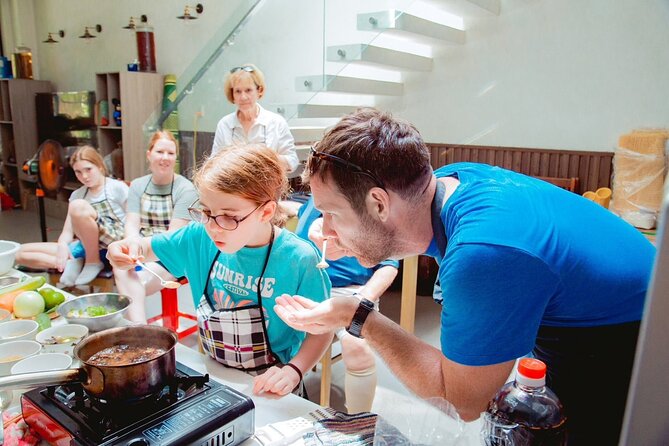
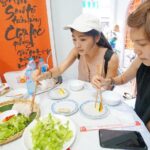
This isn’t a snack class. It’s a full meal from what you prepare. You’ll eat the dishes you’ve cooked—salads and appetizers first, then the noodle soup main, and finish with mixed fresh fruit.
The practical benefit of eating what you make:
- You learn what the dish is supposed to taste like, with your own hands involved
- You can correct mistakes in real time (taste habits become part of your next cooking session)
- You leave with confidence instead of just a memory of steps
And yes, when spring rolls come out crispy and the mango salad is bright, you’ll understand why people chase Vietnamese flavors in the first place.
Price and Value: Is $39 a Person Worth It?
At $39 per person for a one-day, chef-led private cooking experience, I’d call it good value—especially because the price includes more than just a lesson.
You’re getting:
- A professional chef guide
- Cooking class with ingredients
- A meal made from the dishes you cook
- Optional market tour (and for some options, the organic garden too)
- Water is free (not “surprise costs later” for basic hydration)
If you compare this to paying for a market meal plus a cooking workshop, you’re often paying twice for the same ingredients and prep time. Here, the structure is built so you shop (when included), cook, and eat in one flow. That’s what keeps the experience feeling complete.
Big value factor: private group time. If you’ve ever done a group class where half the class is watching, this is a different deal.
Who Should Book This Cooking Class (and Who Should Skip It)
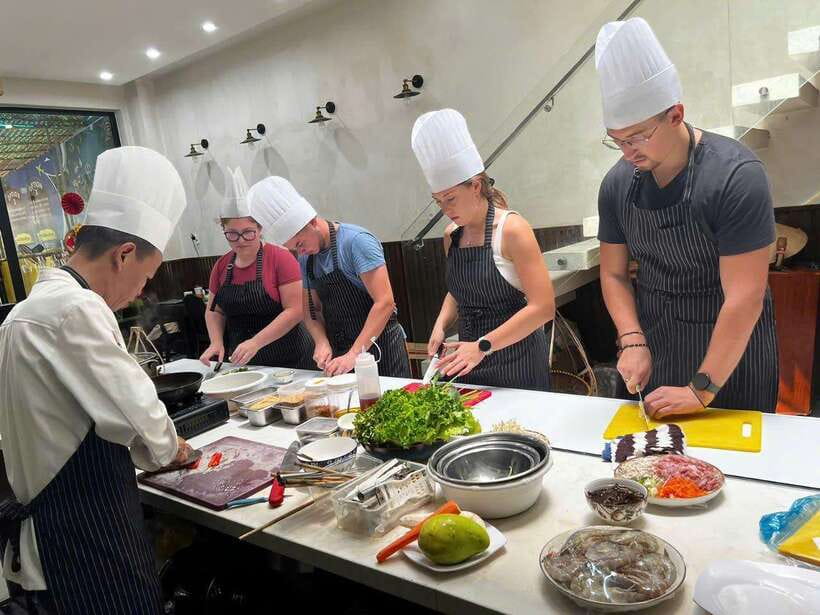
This is a great fit if you want:
- A practical cooking skill you can repeat later
- A guided way to understand ingredients beyond what’s on a restaurant menu
- A fun, hands-on activity in Hoi An that ends with a meal you made
It’s also ideal for food lovers who want the story behind flavor—why the sauce tastes the way it does, how fresh herbs change a dish, and what to buy at the market.
It’s not a fit if:
- You have food allergies
- You’re bringing children under 9 years
If you’re unsure about allergies, don’t assume substitutions will solve it. The activity explicitly says it’s not suitable for people with food allergies, so keep your safety first.
Quick Practical Tips Before You Go
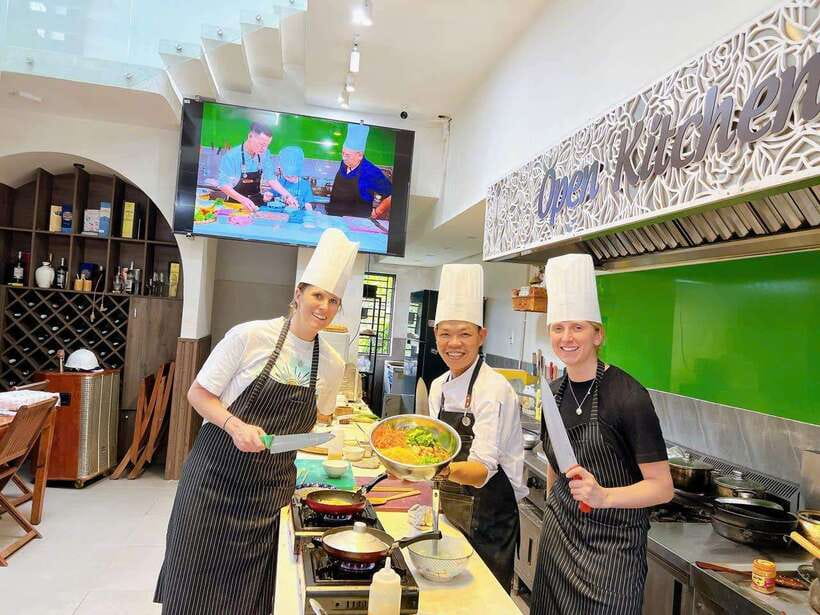
Bring:
- Camera
- Water
- Comfortable clothes for cooking
Wear clothing you can move in and that won’t make you worry about spills. You’ll be standing, prepping, and cooking in a hands-on way.
Also:
- No smoking
- Let the chef know about dietary restrictions or allergies before the session
- Expect the menu to adjust based on what ingredients are available
Should You Book This Private Chef Cooking Class?
If you want a real Vietnamese cooking skill set—spring rolls, mango salad, a sweet-and-sour chili sauce, and pho-style noodle soup—this is the kind of class that pays you back later when you cook at home. The market and optional organic garden add substance, not just sightseeing, and the private group format helps you actually learn instead of hovering.
I’d book it when:
- You’re staying in Hoi An and want a one-day activity with a clear payoff
- You enjoy learning by doing (cutting, rolling, tasting, adjusting)
- You want guidance from an English-speaking chef in a small setting
I’d think twice when:
- You have food allergies
- You need the session to match one exact menu with no changes (ingredients availability can affect what’s cooked)
If those points work for you, this is a strong choice for a memorable, delicious day in Central Vietnam.
FAQ
How long is the cooking class experience?
It’s listed as a 1-day experience.
Where does the experience start and end?
It starts in Hoi An (pickup location) and returns to Hoi An.
What are the available time options?
There are several session windows noted, including morning, afternoon, and evening options, plus two different package options with different time ranges.
Is the market tour included?
The market tour is listed as optional, and one of the options specifically includes both the local market and an organic garden.
What dishes will I learn to cook?
The menu includes salad and appetizer items such as sweet and sour chili sauce, green mango with prawn salad, and Hoi An crispy spring rolls. The main is either Hanoi beef noodle soup or chicken noodle soup, and dessert is mixed fresh fruit.
Does the class include ingredients and the meal?
Yes. The cooking class and ingredients are included, and you also enjoy the meal of prepared dishes.
Is water provided?
Water is listed as free. Drinks are not otherwise specified as included.
Is there an English-speaking guide?
Yes. The tour is described as having a live English guide.
Is this class suitable for children or people with allergies?
Children under 9 years are not suitable, and people with food allergies are not suitable.