REVIEW · HOI AN
Hoi An: Experience Pottery Making With Local Craftsmen
Book on GetYourGuide →Operated by Bay Mau Eco Travel · Bookable on GetYourGuide
Clay, laughter, and a quiet village lesson. Away just a short distance from Hoi An Ancient Town, Thanh Ha pottery village lets you try local techniques firsthand and paint a take-home piece with real craftspeople.
I like how hands-on it is, and I also like the low-pressure feel: you’re shown what to do, helped through the process, and you leave with something you made yourself. The main catch is that English isn’t much of the language, and the class can run longer than the posted 20 minutes, so plan your day with a little buffer.
In This Review
- Key Highlights You’ll Care About
- Why Thanh Ha Pottery Village Feels Different From a Tourist Workshop
- Welcome, Setup, and the Short Course In Local Craft
- Pottery Making: What the Hands-On Portion Typically Looks Like
- Painting Your Piece: Where Your Souvenir Becomes Personal
- What You Actually Get to Take Home (and Why That’s Good Value)
- Price and Tickets: The Real Cost Breakdown Before You Go
- Timing That Matches Real Life (Not Just the 20-Minute Label)
- Language Barrier: How to Make It Work Without Stress
- Nearby Stops After Class: Communal House and Nam Dieu Temple
- Who Should Book This Pottery Session in Hoi An
- Should You Book It? My Practical Recommendation
- FAQ
- How long does the pottery making class take?
- What is included in the price?
- Is the Thanh Ha Village entrance ticket included?
- Where do I meet for the workshop?
- What language will the instructor use?
- Can I visit places after the pottery class?
- Is hotel pickup and drop-off included?
- Is it suitable for wheelchair users?
- What are the cancellation and payment options?
Key Highlights You’ll Care About
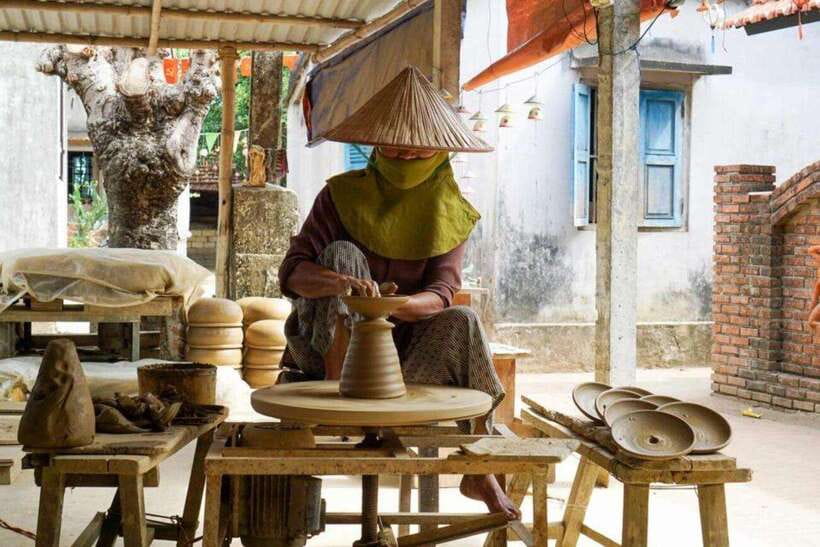
- Family-run workshop in Thanh Ha pottery village
- Hands-on make-your-own pottery time, followed by painting
- A souvenir you keep: your own mug/bowl-style piece
- English is limited, so the experience leans on instruction-by-doing
- Optional self-guided visit to nearby Xuan My Communal House and Nam Dieu Temple
Why Thanh Ha Pottery Village Feels Different From a Tourist Workshop
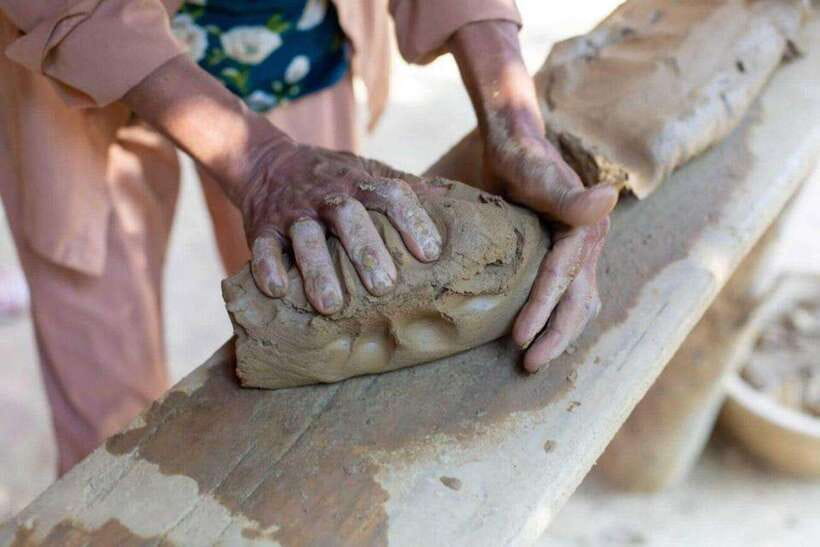
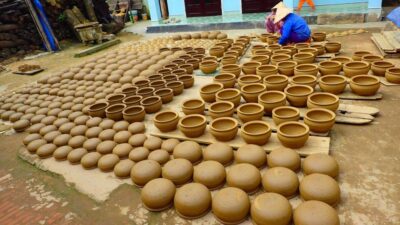
Hoi An has plenty of activities, but this one is special because it happens in the working world of a pottery village, not in a glossy studio. You’re greeted in the craftspeople’s home area, so the experience has that everyday rhythm—people making things they’ve made for years.
The value here is simple: for a small price, you get a real skill moment. You’re not only watching; you’re shaping, learning the local approach, and then finishing your item with paint so it looks like you made it on purpose.
You can also read our reviews of more tours and experiences in Hoi An.



Welcome, Setup, and the Short Course In Local Craft
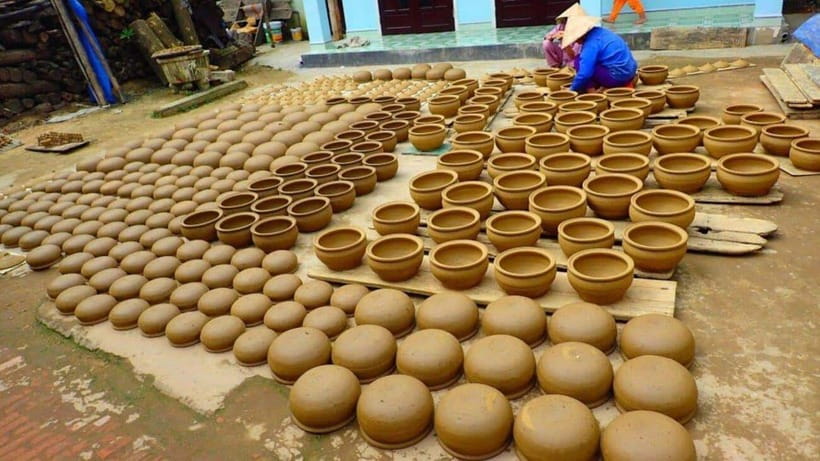
The session starts with you being welcomed by local craftsmen. Expect a warm, casual introduction to the pottery products and the basics of how the village’s pottery tradition works.
From there, the class moves into making your own pottery item. You’ll generally sit at a workstation where you can try the form-making process with guidance. Many people describe it as relaxed, and that’s exactly the point—this isn’t about speed or perfection.
English communication is limited (Vietnamese is the main language), but the hosts guide you through the steps. If you’re the type who worries about not understanding everything, don’t. The best way to enjoy this is to focus on what they show you with their hands.
Pottery Making: What the Hands-On Portion Typically Looks Like
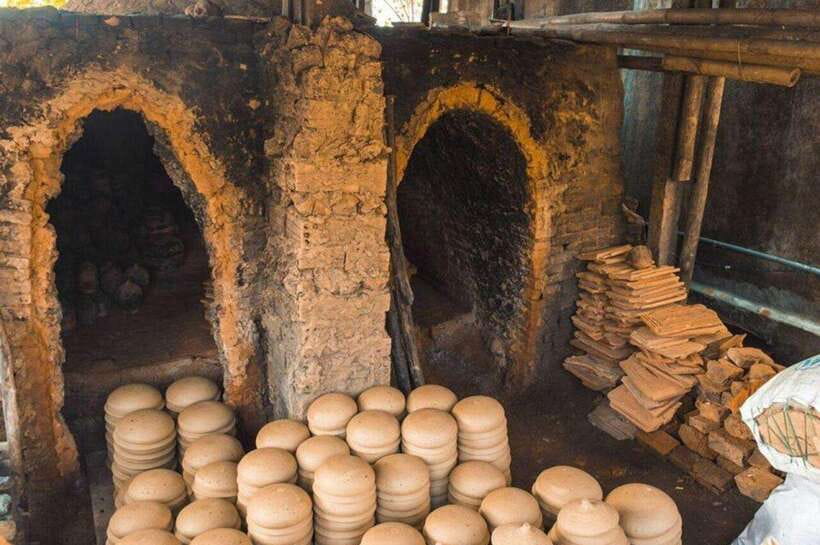
Most sessions are listed at around 20 minutes, but the reality is that time expands once you’re actually doing the work. In practice, you may spend more time shaping and then painting, especially if you’re making more than one small piece.
Here’s the flow you can expect:
- You’re shown different shapes/styles, then you choose what you want to make.
- You work at the pottery setup, with plenty of help during the process.
- You receive a little gift as part of the workshop experience.
- If time allows, you paint your creation so it becomes a finished souvenir.
Some people end up making multiple items in one visit. That’s not something to count on, but it’s a good reason to give yourself enough time to enjoy the session instead of rushing through the creative part.
Painting Your Piece: Where Your Souvenir Becomes Personal
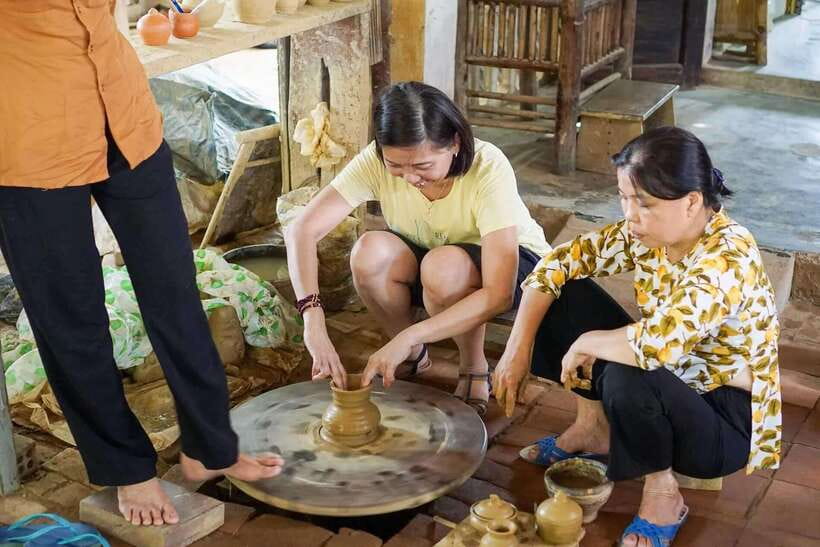
A lot of pottery experiences stop at shaping. This one gives you the finishing stage, and that’s where your souvenir turns from handmade-looking to truly yours.
You’ll paint your chosen piece after the making portion. Even though the class is labeled short, painting is often the part that stretches the time, because you’re taking a bit more care with color and design.
If you’re traveling with kids, this is one of the most family-friendly steps. The act of painting lets everyone participate, even if wheel time feels tricky at first.
What You Actually Get to Take Home (and Why That’s Good Value)
The price you’re paying for is tightly linked to the souvenir itself. The activity includes the making pottery experience plus one souvenir made by yourself.
Many participants leave with pieces they recognize as useful—mugs and bowls are the kinds of items people talk about most. You’re also not stuck with an unknown product you had no role in choosing. You get input, you make the item, and you decide how it gets finished.
Also, you might have the option to make extra items if you want, for an additional cost. If you’re thinking about that, treat it like a bonus, not something you must do to enjoy the workshop.



Price and Tickets: The Real Cost Breakdown Before You Go
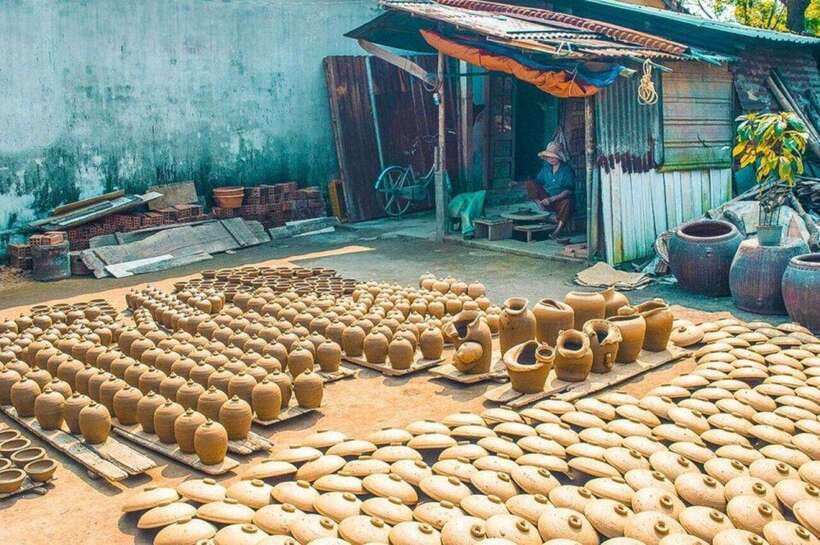
The activity is listed at about $7 per person, which is genuinely reasonable for hands-on craft time. But don’t forget the Thanh Ha Village entrance ticket, which is not included.
A few money points to keep straight:
- Thanh Ha Village entrance ticket: 35,000 VND/person (not included)
- Food and drinks: not included
- Hotel pickup/drop-off: not included
There’s also a helpful benefit: you get to skip the ticket line. That doesn’t eliminate the ticket cost, but it can save time and stress—especially if you’re fitting the visit between other Hoi An stops.
Timing That Matches Real Life (Not Just the 20-Minute Label)
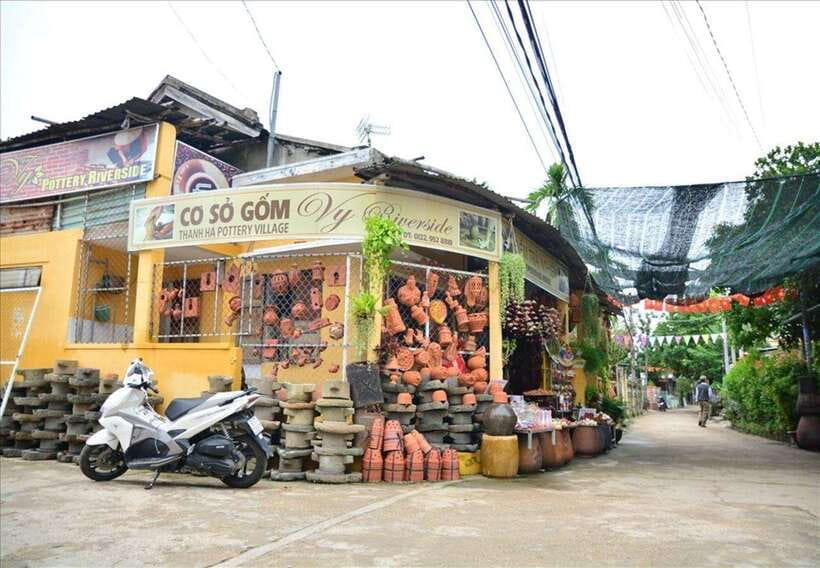
The workshop is often described as about 20 minutes, but several factors can extend the total time. When hosts help you make your piece carefully, you tend to slow down in the best way. Painting takes longer than you’d think, too.
My practical advice: schedule this like a 60–90 minute block if you want the full experience at an easy pace. If you’ve got another appointment immediately after, tell yourself you’re on a strict timeline, then you might need to reduce how much time you spend on painting or extra items.
Language Barrier: How to Make It Work Without Stress
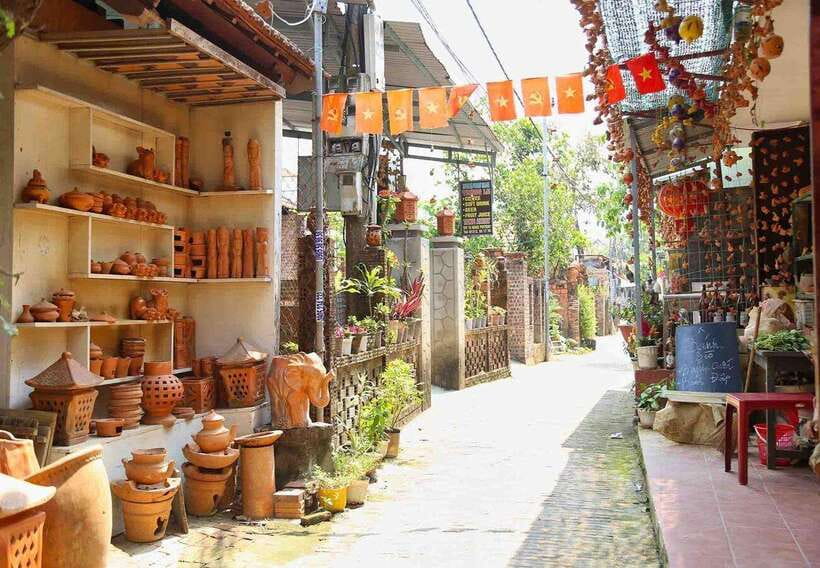
Since Vietnamese is the main language, you should assume you won’t understand every single instruction. That said, the process is designed to be learnable without a lot of lecture.
The best mindset is to watch first, then copy the motion. You’ll also benefit from hosts who are patient and hands-on with guidance. Many people highlight how friendly and helpful the craftsmen are, especially when you’re doing something new.
If you want to communicate more smoothly, bring a simple attitude: show interest, ask for a slower pace if you need it, and use smiles. Crafting is mostly nonverbal anyway.
Nearby Stops After Class: Communal House and Nam Dieu Temple
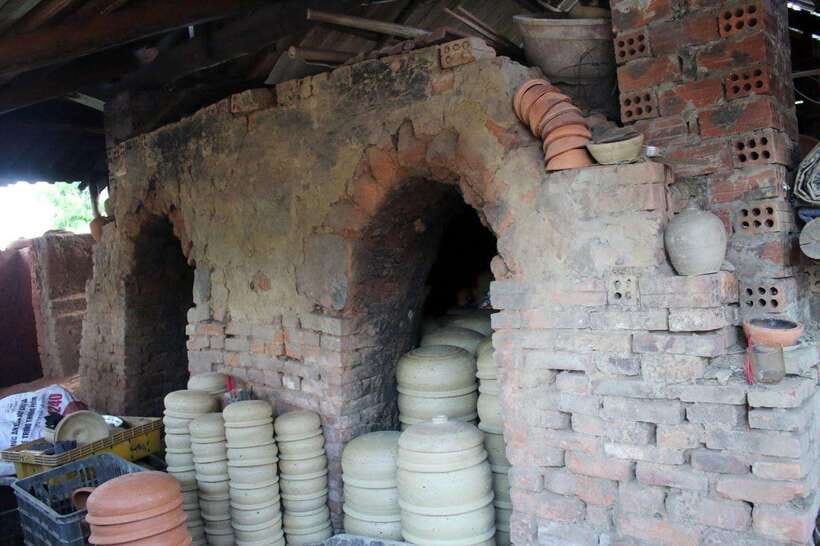
After your pottery session, you can wander on your own around the pottery founders’ sites. Two specific places you can visit:
- Xuan My Communal House
- Nam Dieu Temple
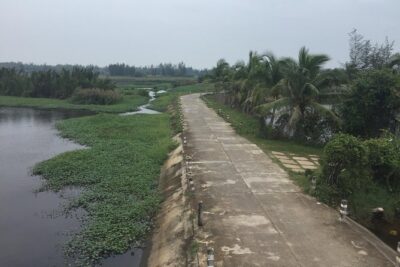
This is a nice way to stretch the experience from making something to understanding the place it comes from. Even if you don’t read every sign, you’re still getting that quiet, traditional feel of a craft area that’s lived-in, not staged.
Go at a relaxed pace and treat it like a slow walk. It pairs well with the calm tone of the workshop.
Who Should Book This Pottery Session in Hoi An
This is a strong pick if you want a hands-on craft activity that feels human. I especially think it works well for:
- Couples who want a shared activity beyond food and shopping
- Families with children (painting time is a big win)
- Travelers who enjoy learning how locals make everyday objects
- Anyone who likes calm, non-rapid activities away from the loud parts of town
It’s less ideal if you need full wheelchair access, since this activity isn’t suitable for wheelchair users.
Should You Book It? My Practical Recommendation
If you’re choosing between another quick “see and buy” stop and a real make-your-own experience, I’d book this pottery class. For the price, you get real instruction, a finished souvenir you made yourself, and a calmer slice of Hoi An life that doesn’t feel rushed.
My only caution is scheduling: don’t treat it like a strict 20-minute slot. Give it time to breathe—especially if you care about painting and you want a couple of pieces, not just a single item.
FAQ
How long does the pottery making class take?
The class is listed as around 20 minutes. You can extend the time more to finish your product if you want, and in practice it may take longer once making and painting are included.
What is included in the price?
The experience includes pottery making and one souvenir made by yourself.
Is the Thanh Ha Village entrance ticket included?
No. The Thanh Ha Village entrance ticket costs 35,000 VND per person and isn’t included.
Where do I meet for the workshop?
You meet at Nguyen Sau Experience House.
What language will the instructor use?
The activity is in Vietnamese, and English communication can be limited.
Can I visit places after the pottery class?
Yes. After the class, you can visit Xuan My Communal House and Nam Dieu Temple on your own.
Is hotel pickup and drop-off included?
No. Hotel pickup and drop-off are not included.
Is it suitable for wheelchair users?
No. The activity is not suitable for wheelchair users.
What are the cancellation and payment options?
You can cancel up to 24 hours in advance for a full refund. You can also reserve now & pay later to keep your plans flexible.
If you tell me your travel dates and whether you’re going with kids, I can help you decide how much buffer time to leave for the workshop.