REVIEW · HOI AN
Hoi An: Vietnamese Coffee Making Course
Book on GetYourGuide →Operated by Hoi An Scooter Adventures · Bookable on GetYourGuide
Coffee with Vietnam twist. At Tri Long coffee in Hoi An, you can learn the Phin filter method and choose a specialty like egg, coconut, or salt coffee in a 90-minute class.
I like that it is genuinely hands-on: you make and drink your own cup, not just watch. I also like the English-speaking instructor, because the process is explained clearly while you’re working.
One thing to consider: it has no hotel pickup, so you’ll need to get yourself to Tri Long coffee in downtown Hoi An.
In This Review
- Quick hits before you go
- Finding Tri Long Coffee and Getting Into the Right Mindset
- The Roasted-Bean Demo: How Flavor Gets Built
- Vietnamese Phin Filter Coffee: The Slow Drip Technique
- Egg Coffee, Coconut Coffee, or Salt Coffee: Pick the Specialty
- Egg coffee: creamy and smooth
- Coconut coffee: tropical flavor in your cup
- Salt coffee: the surprising flavor-balancer
- What the Course Covers in Practice: From Tools to Your Own Cup
- Price and Value: Is $22 Worth It?
- Timing, Group Style, and How the Class Feels
- Who Should Book This Hoi An Coffee Making Course
- Should You Book This Coffee Course in Hoi An?
- FAQ
- Where do I meet for the Hoi An Vietnamese Coffee Making Course?
- How long is the course?
- What kinds of coffee can I choose to make?
- Is the instructor English-speaking?
- Is hotel pickup included?
- How much does it cost?
Quick hits before you go
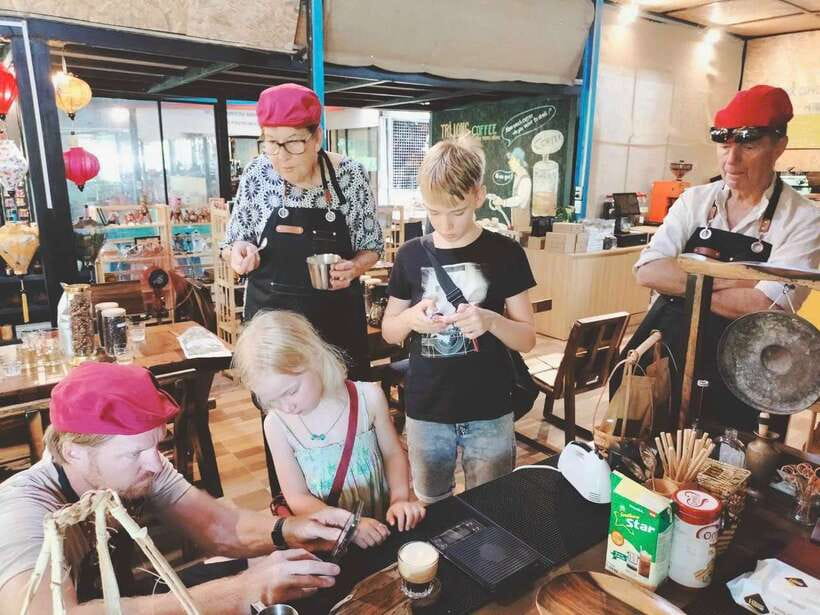
- Choose your coffee style: pick egg, Vietnamese Phin filter, coconut, or salt coffee and tailor what you make.
- Hands-on brewing time: you’ll go from preparation to tasting with your own cup included.
- Roast levels explained: you learn how roasting changes flavor in your final cup.
- Phin filter slow drip: you practice the classic method known for a bold, robust brew.
- Recipes to take home: you can leave with what you learned, not just memories.
- Optional private group: if you’re traveling with friends or want quieter pacing, private is available.
Finding Tri Long Coffee and Getting Into the Right Mindset
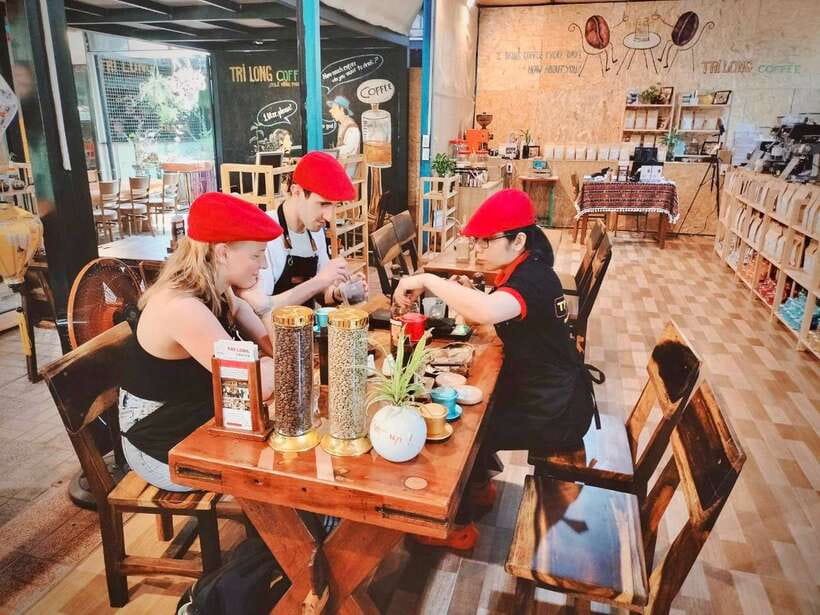
Downtown Hoi An can move fast, so I like that this course starts with a clear, simple meeting point: Tri Long coffee in Hoi An city. The instructor will welcome you there, and from the start you’re oriented toward making coffee, not just learning coffee theory.
This is one of those activities that works well even if you’re not a super coffee person. You’re surrounded by the practical parts: tools, ingredients, and steps. That matters because Vietnamese coffee specialties can feel mysterious until you see the process and taste the result right after.
You’ll also want to think about timing. It’s a 90-minute course, and you can choose the number of sessions you want to do (2, 3, or 4). If you’re the type who wants to go deep on one style, pick fewer sessions and give yourself more time per drink. If you’re curious about variety, choose more sessions so you can compare flavors side by side.
You can also read our reviews of more tours and experiences in Hoi An

The Roasted-Bean Demo: How Flavor Gets Built
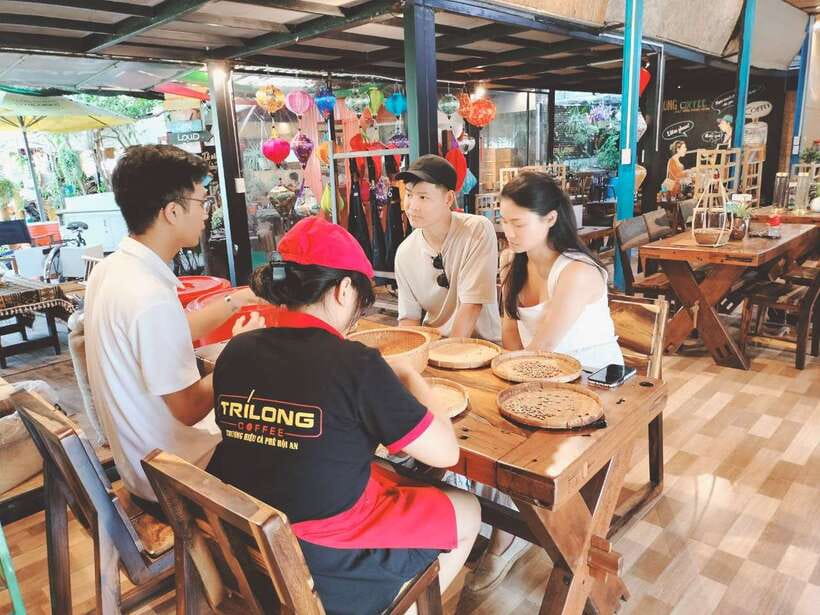
Before you start assembling cups, you get a roasted coffee demonstration that explains the journey from raw beans to the aromatic coffee you drink. The key idea you’ll learn is that roasting isn’t just about making beans edible. Roast level changes the taste in your cup.
Even if you already order coffee confidently, this part gives you a useful framework. Instead of only chasing whatever tastes good in front of you, you start thinking about why something tastes the way it does. That’s especially helpful in this class, because the coffee you end up making depends heavily on the roast character.
You’ll also hear how different roast levels influence the final flavor. Then you’ll get to taste what those roast choices do when they’re brewed the Vietnamese way. That connection between process and cup is what makes this lesson more than a quick food stop.
Vietnamese Phin Filter Coffee: The Slow Drip Technique
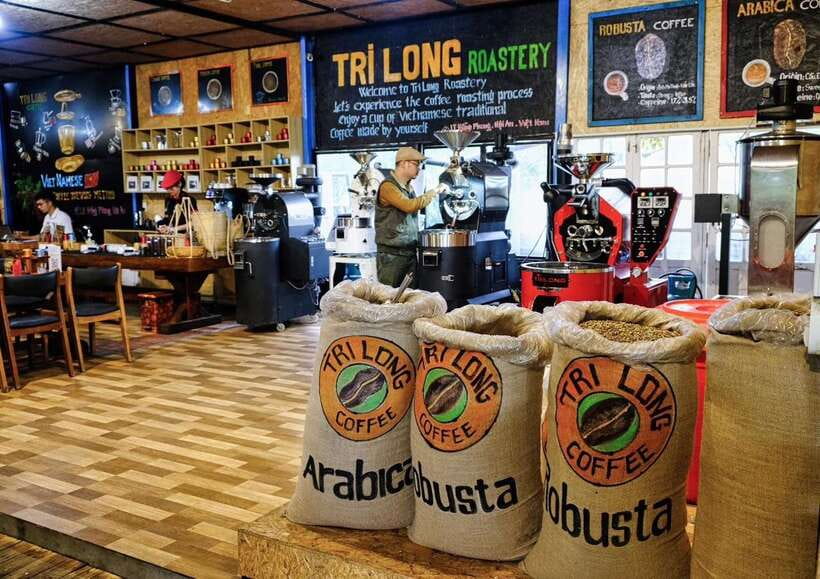
The Vietnamese Phin filter segment is the heart of the experience if you want to understand the style. You’ll watch the traditional phin method and then practice it as part of what you make and drink.
What makes this method different is the pace. Coffee drips slowly through the filter, and that slow flow leads to a brew described as bold and robust. The course also highlights the flavor balance that makes this style so popular: a mix between bitterness and sweetness.
Here’s what you can do to get the most out of this part. When you taste your cup, don’t only judge it as good or bad. Try to separate the components you’re noticing:
- Is the flavor hitting more bitter first, or sweet first?
- Does it feel heavier or lighter than other coffees you’ve had?
- Does it taste consistent, or does it shift as you drink?
You’ll probably find that paying attention to the bitterness-to-sweetness balance turns the Phin filter from a novelty into something you can actually reproduce later.
Egg Coffee, Coconut Coffee, or Salt Coffee: Pick the Specialty
One of the best values in this course is choice. You can select which specialty coffee you want to make, and that means your class feels personalized instead of one-size-fits-all.
Egg coffee: creamy and smooth
Egg coffee is one of Vietnam’s signature drinks, and the class focuses on what’s going on in the cup. You’ll watch a barista-style process where egg yolks, condensed milk, and sugar get whipped into a creamy mixture, then combined with coffee.
If you’re used to normal black coffee, egg coffee is a totally different experience. Instead of chasing sharp flavors, you’re chasing texture and richness. When you taste it, pay attention to how the sweetness and creaminess carry the coffee flavor rather than fighting it.




Coconut coffee: tropical flavor in your cup
Coconut coffee is built around infusing coconut flavor into coffee. In this class, you’ll learn the method and make the drink yourself, with a focus on that nutty sweetness and aromatic coconut character.
This one tends to make people feel like they’re getting more than a drink. You’re learning how to add a distinct flavor component and still keep the coffee identity. If you like coffee that tastes friendly and aromatic (instead of purely bitter), coconut coffee is usually the easier sell.
Salt coffee: the surprising flavor-balancer
Salt coffee sounds odd until you taste it in context. The course explains the idea clearly: a pinch of salt enhances coffee’s natural flavors and reduces bitterness. That means you’re not turning coffee into something salty for the sake of novelty.
You’re changing the flavor balance. The salt acts more like a regulator than a flavor on its own. If you usually find coffee too bitter, salt coffee is the style to try because it is designed around smoothing that edge while keeping the coffee taste present.
What the Course Covers in Practice: From Tools to Your Own Cup
This isn’t just a show-and-tell class. The included items make sure you end up with a finished drink you made yourself: a cup of coffee made by yourself plus the ingredients and tools needed for the process.
That hands-on angle is repeatedly praised for a reason. When you’re actively doing the steps, you remember them. And you can ask questions while you’re working, rather than trying to replay a lesson after it’s over.
You’ll also have water included, and the English-speaking instructor helps keep the explanations clear. In my experience with short food and drink classes, clear language matters more than you might think. If you miss one step, the whole drink can land differently.
Some helpful extras show up in feedback from past participants. People liked that they had enough time not only to prepare but also to enjoy what they made, and they appreciated that they could take away recipes at the end of class. One person also mentioned the chance to buy beans. If you care about recreating the taste later, that is a big plus.
One practical note: the pace is packed into 90 minutes. If you want to do 4 sessions, you’ll need to accept that you may move through steps quickly. If you want a calmer pace, choose 2 or 3 sessions.
Price and Value: Is $22 Worth It?
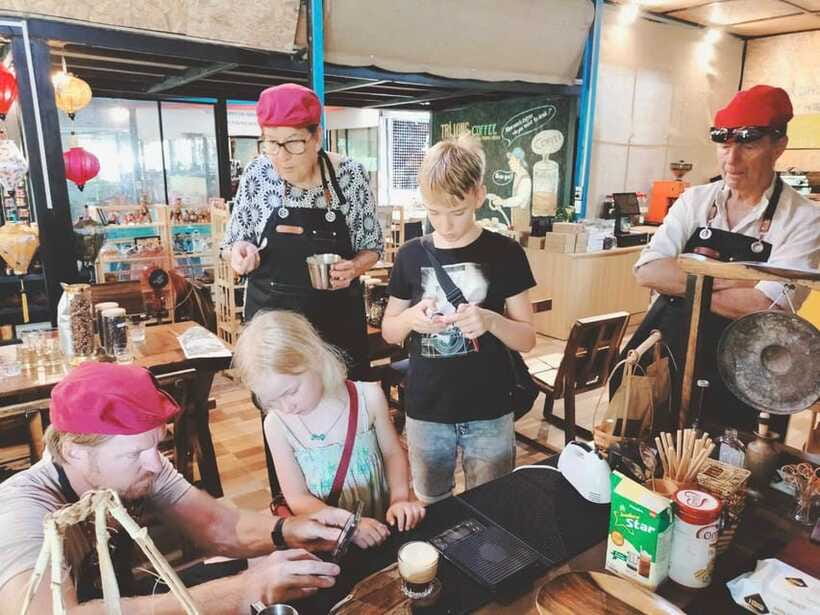
At $22 per person for a 90-minute, English-led, hands-on coffee class, the value depends on one thing: do you want to learn the process enough to repeat it later?
For me, this price makes sense because you’re getting multiple components that usually cost extra separately:
- instruction from an English-speaking instructor
- ingredients and tools
- brewing practice with a traditional Phin filter
- specialty coffee making (egg, coconut, or salt) that you get to compare
- the coffee you make and drink
Also, you’re not locked into only one drink. You can choose 2, 3, or 4 sessions, which is a smart way to match your curiosity with time. If you’re spending just one evening in Hoi An and want a meaningful activity that’s not another generic walking tour, this gives you something you can taste immediately and remember longer than scenery alone.
If you already have coffee gear and know how to brew, you might feel like $22 is still a fair trade because you’re learning Vietnamese-style methods and specialty recipes. But if you’re mostly hoping for a quick caffeine stop, this may feel like more effort than you expected.
Timing, Group Style, and How the Class Feels
The course runs for 90 minutes, and it can be done as a private group if you want. That private option matters if you’re traveling with friends and prefer a slower, more personal pace, or if you want extra time asking questions.
Most of what you’re likely to care about is how much hands-on attention you get. Past feedback highlights the friendly staff and the fact that the class stays informative while still feeling fun. People also liked the small-group feel, which generally means less waiting around and more time at the workstations.
As for the flow, expect a sequence where you learn about roasting, then move into the Phin filter method, and then (depending on what you choose) make your specialty coffee. You’ll end up with a cup you made yourself and time to enjoy it.
If you’re going with an open mind, you’ll enjoy the comparisons. Egg coffee feels creamy and dessert-like. Coconut coffee leans aromatic and sweet. Salt coffee is the surprise one, because it’s meant to correct bitterness rather than add saltiness.
Who Should Book This Hoi An Coffee Making Course
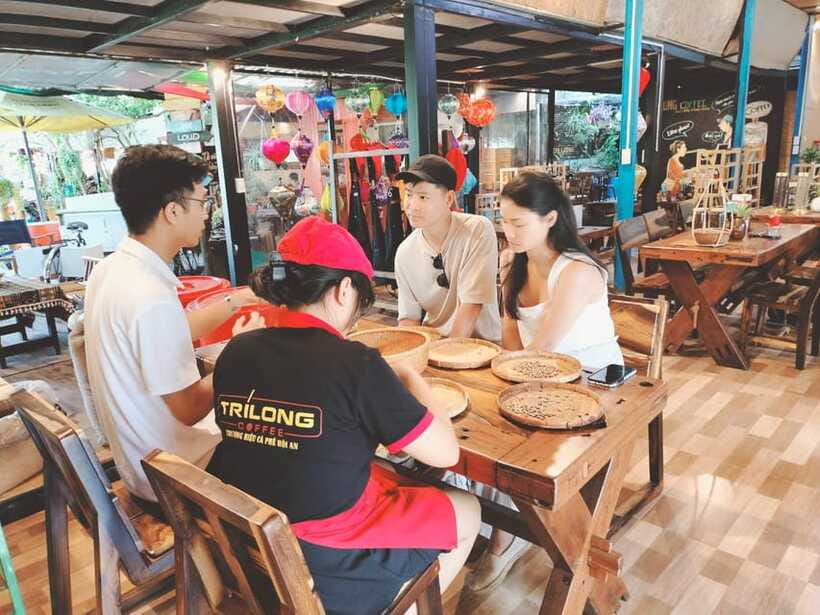
I think this tour is a strong match if you want:
- a hands-on activity that leads to a drink you made and can taste right away
- a clear, practical introduction to Vietnamese Phin filter coffee
- to try specialty coffees like egg, coconut, or salt coffee without guessing how to make them
- English instruction so the steps don’t feel confusing
It’s also a great fit for solo travelers. You get a structured experience, and you’re not stuck navigating language barriers while everyone else is already chatting over coffee.
It might be less satisfying if:
- you only want a quick photo-and-coffee stop
- you have zero interest in tasting multiple styles or learning roast-to-cup basics
- you’re strongly sensitive to egg yolk flavors (because egg coffee is part of the menu)
Should You Book This Coffee Course in Hoi An?
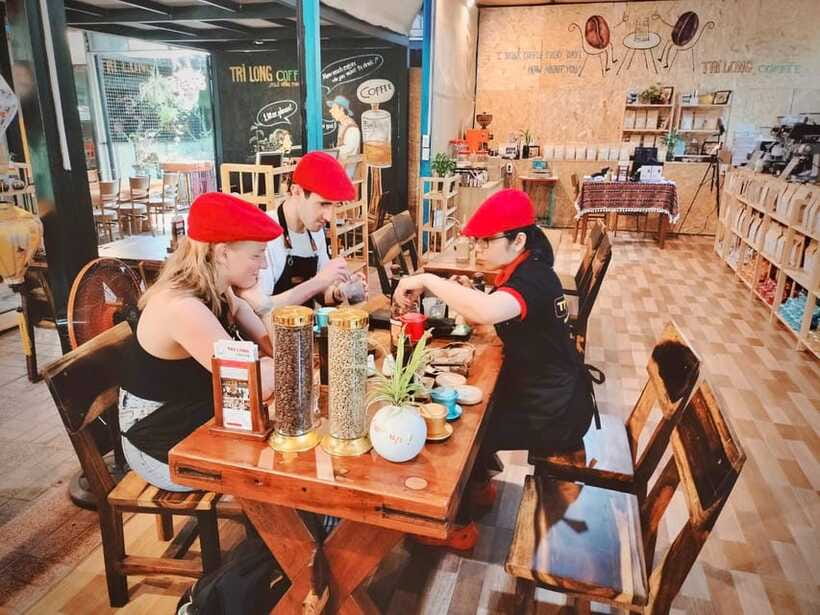
If you like the idea of learning a traditional brewing method and making Vietnamese coffee specialties in a short, structured 90-minute session, I’d book it. For $22, the hands-on practice, English instruction, and included coffee you make yourself create real value, especially if you’ll actually use the recipes afterward.
My practical advice: pick sessions based on your curiosity. If you want one deep Vietnamese experience, choose the Phin filter plus one specialty. If you want variety fast, choose 3 or 4 sessions so you can compare egg, coconut, and salt coffee in one sitting. Either way, this is the kind of activity that gives you a tasty skill, not just a pleasant evening.
FAQ
Where do I meet for the Hoi An Vietnamese Coffee Making Course?
Meet up at Tri Long coffee in Hoi An city. The instructor will welcome you there.
How long is the course?
The course lasts 90 minutes.
What kinds of coffee can I choose to make?
You can choose from Vietnamese Phin filter coffee, egg coffee, coconut coffee, or salt coffee.
Is the instructor English-speaking?
Yes. The instructor is English-speaking.
Is hotel pickup included?
No. Hotel pickup and drop-off are not included.
How much does it cost?
The price is $22 per person.