
REVIEW · HOI AN
Hoi An Off the Map – Walking Tour in the Backstreets
Book on GetYourGuide →Operated by Momo Travel Limited Company · Bookable on GetYourGuide
The backstreets of Hoi An have stories. This 3-hour walk takes you beyond the postcard lanes to places most people miss, pairing hidden alleys with real wartime history. I especially like the food stops (bánh mì plus local cakes) and the small-group feel, so the guide can actually steer you around the quieter corners. One more thing I like: you also learn how local trades work, not just what the buildings look like.
One possible drawback: it’s a walking tour with multiple stops, so if you want a slow stroll with zero history talk, this one may feel like more than you bargained for. If you love asking questions, though, the guides seem happy to spend time on them.
In This Review
- Key things you should know before you go
- Off-the-Map starts at the Army Blockhouse
- Hidden alleys that make Hoi An feel lived-in
- Hoi An Prison: wartime life you can stand beside
- Early churches and the 1630 footprint
- Bánh mì, local cakes, and coffee that tastes local
- The tailor industry truth: craft, work, and how it sells
- Small-group energy and guide styles that matter
- Price and value: why $23 works for this route
- Who should book this Hoi An backstreet tour
- Should you book this tour?
- FAQ
- How long is the Hoi An Off the Map walking tour?
- Where is the meeting point?
- What is included in the tour price?
- Is Hoi An Prison entrance included?
- Is there food and coffee during the tour?
- How many people are in a group?
- What language is the tour offered in?
- Do I have to pay immediately to reserve?
- Can I cancel and get a full refund?
- Do I receive anything after the tour?
Key things you should know before you go
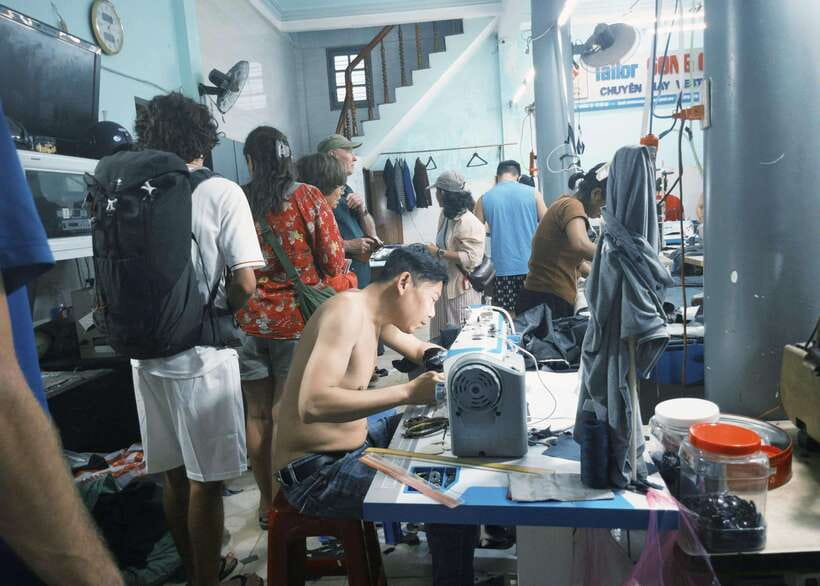
- Army Blockhouse meeting point sets the tone for the tour’s street-level viewpoint
- Hoi An Prison is part of the route, focused on everyday life during the Vietnam War
- Early church visit (dating to 1630) adds a serious historical layer without getting too textbook
- Food is built in: bánh mì, local cakes, and coffee are included
- Tailor industry talk gives you a different angle than the usual shopping push
- You get a PDF after the walk with local recommendations plus discount vouchers (spa, massage, craft beer, tailors, and more)
Off-the-Map starts at the Army Blockhouse
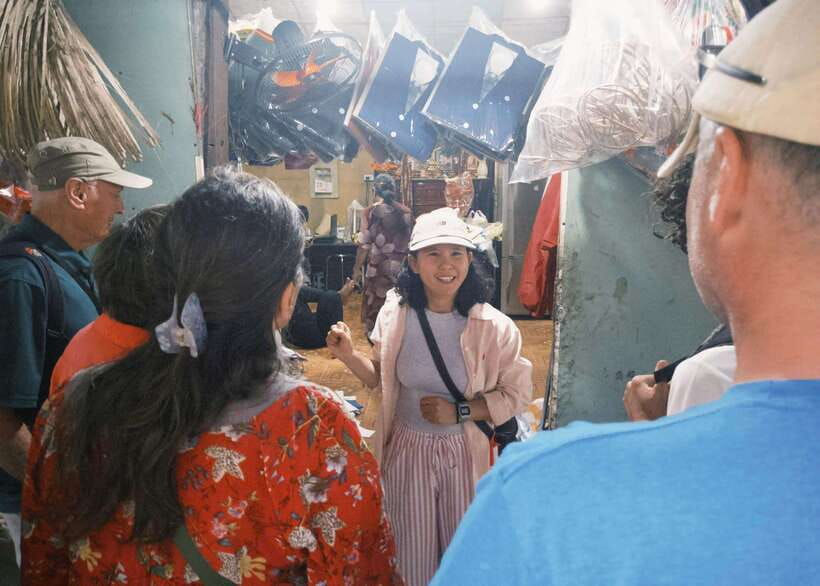
Your tour kicks off at the Army Blockhouse, across from 7 Tran Hung Dao Street near Tran Quy Cap Highschool. That matters because it frames the whole experience. Instead of beginning in the tourist-core, you start where the city’s more complicated past shows up in plain view.
From there, you’re walking with an English-speaking guide and a small group (limited to 10). That size is a practical win in Hoi An. Narrow lanes can get crowded fast, and when the group stays small you can actually see details without constantly re-positioning. It also helps you keep pace with the guide as the route moves from one kind of street scene to another: residential pockets, trade areas, and the wartime stop that anchors the tour.
Most tours toss in history at the end. Here, history is part of the routing, so it lands while you’re still getting your bearings.
You can also read our reviews of more walking tours in Hoi An



Hidden alleys that make Hoi An feel lived-in
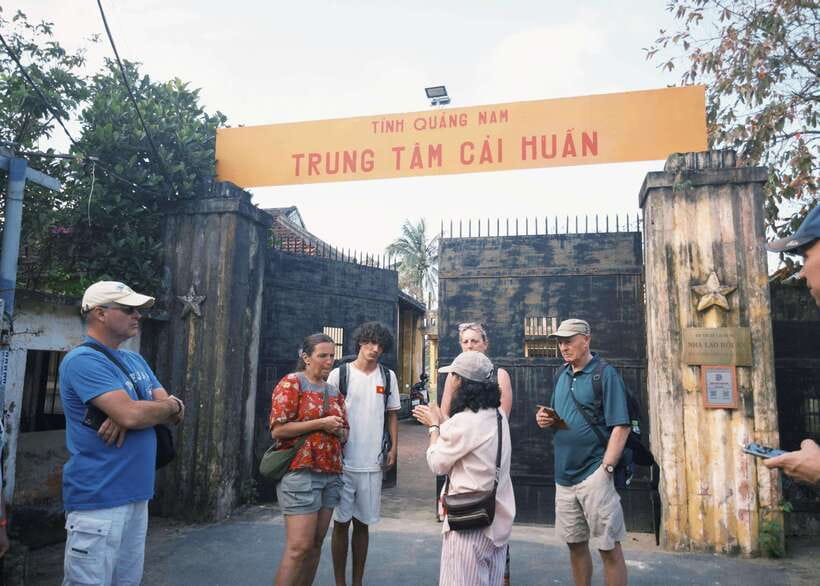
Hoi An’s Ancient Town is the headline, but the rest of the city is where you feel the everyday rhythm. This walk is designed for that shift. You’ll move through hidden lanes and backstreets where storefronts give way to small-scale workshops and ordinary neighborhood life.
This is also where you learn how the guide reads the city. They point out what you might miss on your own: street-level clues about how people earn money, how families pass skills to the next generation, and how daily routines are shaped by the city’s layout. In a few bookings, guides even took the group to interact with local tradespeople in a more personal way. One tour specifically described going into locals’ homes to watch them work, which is the kind of stop that changes how you see the place.
A simple tip: don’t just take photos. Pause, look around, and ask one or two questions when the guide brings up a trade or building detail. With the right guide, that’s when the tour goes from sightseeing to understanding.
Hoi An Prison: wartime life you can stand beside
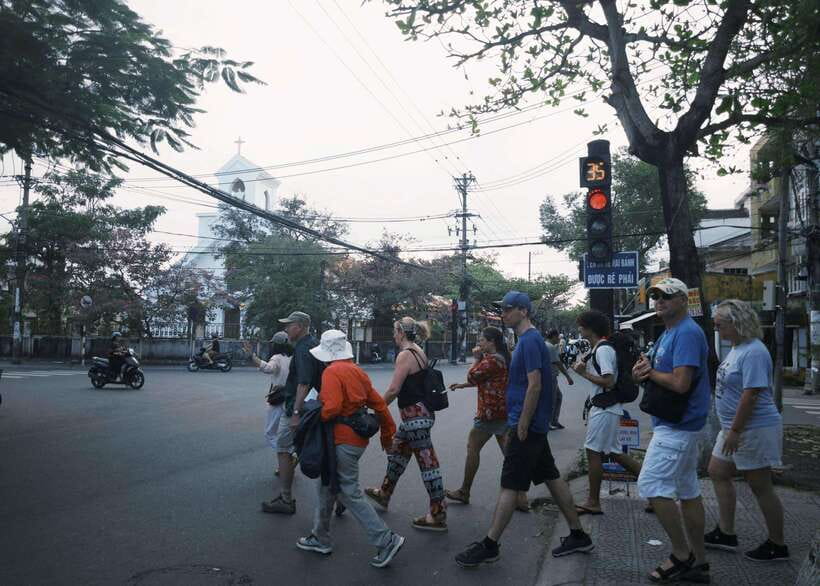
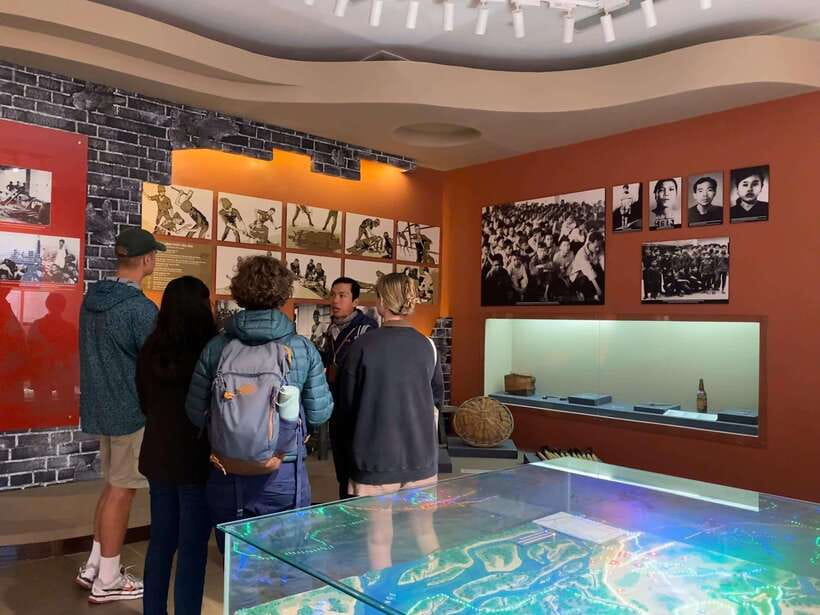
The most emotionally heavy stop is Hoi An Prison. This isn’t a quick photo stop—it’s where the tour focuses on life during the Vietnam War. You’ll use your included entrance ticket, and the guide connects the prison setting to how people experienced those years.
What I like about including this site is balance. Many Hoi An tours highlight commerce, architecture, and crafts. This one adds a different lens: the cost of conflict, and how history can sit in the middle of a city that now feels relaxed.
A consideration: if you’re sensitive to dark history or prefer light entertainment during your trip, plan your day with care. The walk is only 3 hours, but the prison stop can still feel weighty. If you bring a clear expectation—this is meaningful, not casual—your time there will feel more purposeful.
Early churches and the 1630 footprint
After the prison, the route shifts toward faith and heritage. You’ll visit one of Vietnam’s first churches, dating back to 1630. That date gives you an immediate sense of time depth. It’s also a useful contrast to the prison stop: the tour moves from constraint to community life, from wartime reality to a longer view of how people built institutions.
I like this pairing because it keeps you from thinking of Hoi An as one story. The city’s identity isn’t just lanterns and shopfronts. It’s also centuries of shifting influences—seen through buildings, community spaces, and the way locals remember and reuse those places.
If you enjoy history but hate museum overload, this kind of church visit can be a sweet spot. It’s a physical stop with context, not a long lecture hall session.
Bánh mì, local cakes, and coffee that tastes local
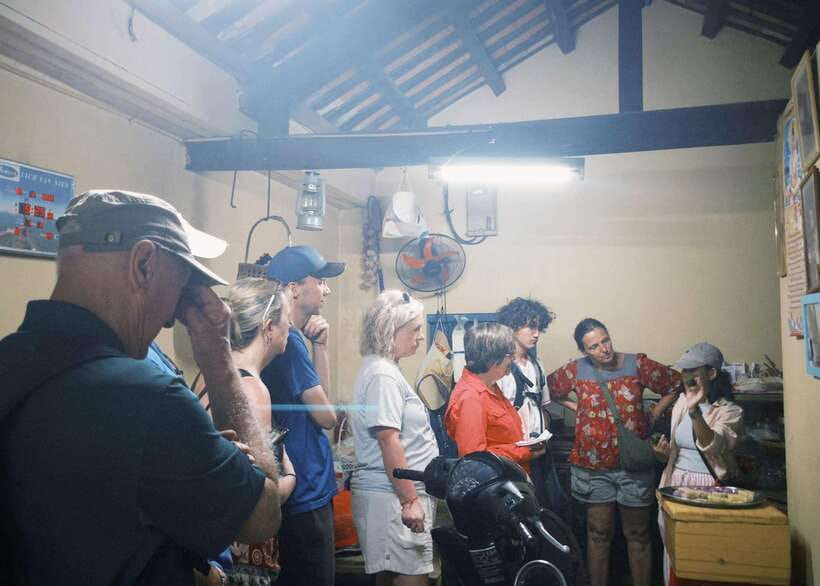
Food is not an afterthought here. You’ll get bánh mì plus local cakes, and you’ll also taste coffee blends on a traditional Hoi An house stop. That’s a smart design choice: when you’re walking between sites, hunger can interrupt your attention. Here, the tour uses snacks to keep your energy steady while you learn.
This also helps you experience Hoi An in a way that doesn’t rely on a restaurant reservation. You’re eating what fits the setting: quick, local, and easy to share with a small group.
One practical note: coffee and sweet items can vary by day and by what your guide has arranged. You’ll likely get a blend that feels distinct from what you’re used to at home. If you’re picky, tell the guide what you do and don’t like at the start, so they can steer you confidently.






The tailor industry truth: craft, work, and how it sells
Hoi An is famous for tailoring, but this tour doesn’t treat it as just a shopping chore. It’s framed as learning the truth about the tailor industry—how it operates and how the craft became a recognizable part of the city’s economy.
You’ll also pass back-alley tailoring areas, where the workmanship is more visible than in flashy storefronts. The best part of this stop is how the guide connects dots: the trade isn’t only about taking measurements. It’s about relationships, skills, and how the local industry shapes visitor expectations.
Here’s how to make this segment useful for you: decide ahead of time what you want from tailoring. If you want a custom piece, ask practical questions during the discussion about what’s possible. If you’re only curious, ask how the process works and what locals prioritize in quality. Either way, you’ll leave with a clearer picture than the usual sales pitch.
And yes, the tour’s PDF follow-up includes tailor-related voucher information, which can be handy if you decide to price-check after you’ve learned the basics.
Small-group energy and guide styles that matter
This tour is built for conversation. That’s not fluff—it’s a real difference when you’re walking through backstreets and stopping to learn how people live and work.
You’ll be with an English-speaking guide, and the group is limited to 10. In some bookings, it even became one-on-one, which makes it easier to ask follow-ups without feeling rushed. Several guides were described as cheerful, friendly, and patient—especially with families. One tour mentioned a guide who managed a group with children and still kept the pacing smooth.
Guide names you might encounter include Nguyen, Tom, Minh, Karla, and Trang. Across these, the recurring theme is clear communication and a willingness to connect you to locals. Some guides went further than others, such as chatting with people the guide personally knew and guiding the group through real-life trade moments.
Your best move: go in with curiosity. If you’re the type who keeps saying I’ll ask later, you’ll miss the chance to get the context that turns the route from walk-and-look into actual understanding.
Price and value: why $23 works for this route
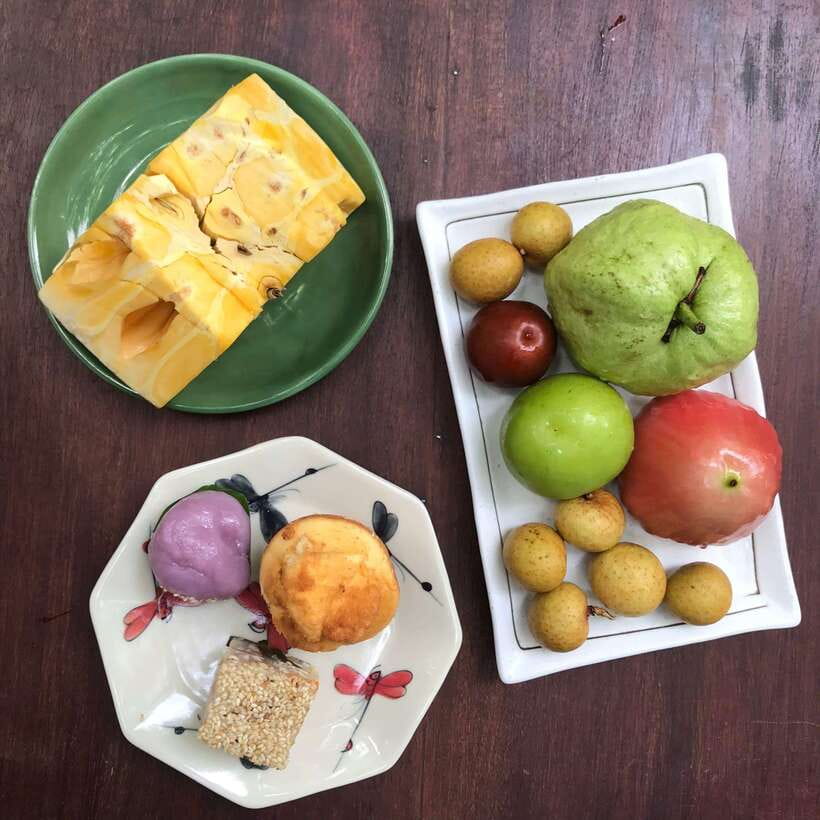
At $23 per person for 3 hours, this isn’t just a guided walk. You also get the Hoi An Prison entrance ticket plus included food and drinks: bánh mì, local cakes, and coffee. For many people, that alone makes the price feel fair, because you’re not paying separately for every ingredient of the experience.
Then there’s the content value: hidden alleys, a church dating to 1630, wartime context, and an industry stop focused on tailoring. Those are the kinds of stops that usually cost extra if you do them on your own or through separate tickets.
There’s also the follow-up value: you receive a PDF with local recommendations and discount vouchers for services like spa and massage, craft beer spots, and tailors. That’s not a small perk. It turns your tour into a tool you can use after the walking part is over.
If you’re trying to cover a lot of Hoi An in a short time, this format is efficient without feeling like a conveyor belt.
Who should book this Hoi An backstreet tour
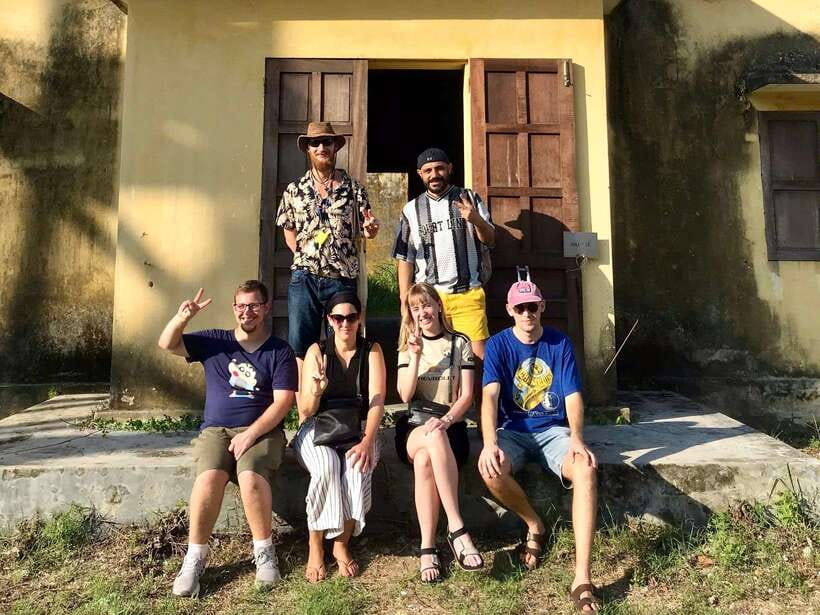
I think this tour fits best if you want three things at once: local food, real stories behind the city, and practical insight into trades like tailoring. It’s a good choice for first-time visitors who feel overwhelmed by how touristy the Ancient Town can be.
It also works well if you’re traveling with teens or adults who like history, because the prison stop adds weight without turning the entire tour into a lecture.
You might skip it if you:
- want only the most famous sights with minimal talking
- prefer a short, purely scenic stroll
- don’t enjoy sites connected to wartime history
Should you book this tour?
Yes, if you want the Hoi An that sits just beyond the main lanes. This walk is structured for discovery: starting near the Army Blockhouse, moving into hidden alleys, then grounding the whole route with Hoi An Prison and the early church visit. Add in bánh mì, local cakes, and coffee, plus a PDF you can use afterward, and the value feels solid for $23.
If you go in with curiosity and a willingness to learn, you’ll come away with a different mental map of Hoi An—one that includes work, faith, conflict, and everyday life in the same afternoon.
FAQ
How long is the Hoi An Off the Map walking tour?
It runs for 3 hours.
Where is the meeting point?
You’ll meet by the Army Blockhouse, opposite 7 Tran Hung Dao Street (near Tran Quy Cap Highschool).
What is included in the tour price?
The tour includes an English-speaking guide, Hoi An Prison entrance ticket, bánh mì, local cakes, and coffee.
Is Hoi An Prison entrance included?
Yes, your entrance ticket is included.
Is there food and coffee during the tour?
Yes. You’ll have bánh mì, local cakes, and coffee as part of the experience.
How many people are in a group?
It’s a small group limited to 10 participants.
What language is the tour offered in?
The tour is in English.
Do I have to pay immediately to reserve?
No. You can reserve now and pay later.
Can I cancel and get a full refund?
Yes. You can cancel up to 24 hours in advance for a full refund.
Do I receive anything after the tour?
Yes. You’ll get a PDF packed with local recommendations, plus discount coupons for services such as spa, massage, craft beer, and tailors (and more).