REVIEW · HOI AN
Coffee Making and Banh Mi Class Hoi An
Book on Viator →Operated by HPT TRAVEL COMPANY LIMITED · Bookable on Viator
Banh mi and coffee in one sitting. What makes this class so appealing is that you don’t just taste Hoi An food—you make the banh mi from scratch and then brew Vietnamese coffee styles like egg coffee, salt coffee, and coconut coffee. A bonus: it’s hosted by Rosie, and the vibe is described as energetic and fun. The one thing to watch is logistics: there’s no pick-up or drop-off, so you’ll need to get yourself to the start point.
I also like that the class is hands-on with step-by-step guidance and fresh ingredients, and you end by eating your own banh mi. With a maximum group size of 12 people, it feels like you’ll actually get help rather than just watch.
In This Review
- Key things I’d focus on before you go
- Why Hoi An’s banh mi class is paired with Vietnamese coffee
- Price and time: what $35 buys you in real value
- Getting to 16 Lưu Trọng Lư (Tân An) without stress
- Coffee making in Vietnam: egg, salt, and coconut coffee
- Banh mi from scratch: baguette, fillings, and fresh herbs
- The real teaching style: why Rosie’s energy matters
- What your 2.5 hours actually feels like
- What’s included (and what isn’t) so you can plan meals
- Who should book this cooking class in Hoi An?
- Should you book Coffee Making and Banh Mi Class in Hoi An?
- FAQ
- How long is the coffee making and banh mi class in Hoi An?
- What is included in the class?
- Is pick up or drop off included?
- How many people are in the group?
- Where is the meeting point?
- What is the cancellation policy?
Key things I’d focus on before you go
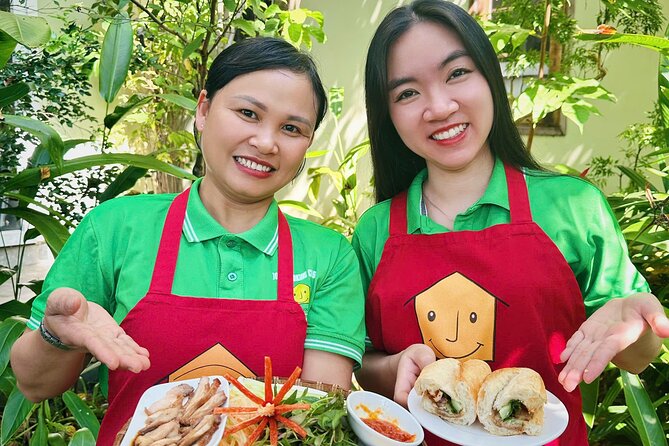
- Banh mi from scratch: you learn the baguette-making process, not just assembly
- Egg, salt, and coconut coffee: multiple Vietnamese coffee styles, not one drink
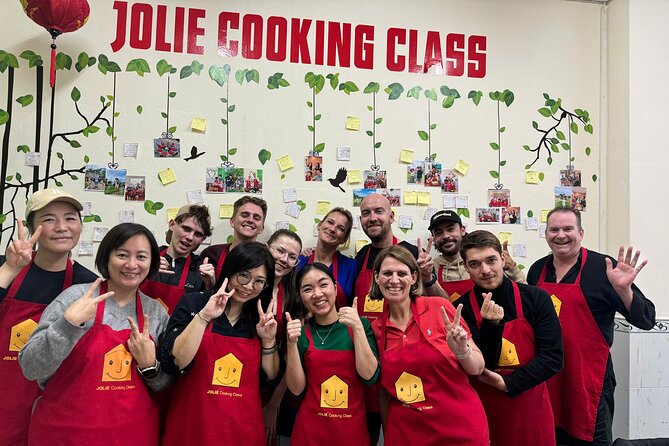
- Small group (max 12): more chances to ask questions and get guidance
- Rosie’s energetic teaching style: described as fun and upbeat
- You eat what you make: coffee tasting plus your homemade banh mi
Why Hoi An’s banh mi class is paired with Vietnamese coffee
Hoi An is famous for food that hits hard: crusty bread, sharp herbs, savory fillings, and coffee that’s sweet, creamy, and a little surprising. This experience strings those two worlds together in a practical way. You start with coffee—where technique matters—and then you move into banh mi, where texture matters even more.
That pairing is smart for your trip. Coffee in Vietnam isn’t a single standard. In this class, you’ll brew and taste several styles, including egg coffee, salt coffee, and coconut coffee. Each one gives you a different flavor lesson: creamy richness, salty-sweet balance, and the cooling comfort of coconut. Then you use that “taste awareness” while you build your banh mi, where crunchy bread and fresh herbs are part of the core experience, not decoration.
You can also read our reviews of more tours and experiences in Hoi An


Price and time: what $35 buys you in real value
At $35 per person for about 2 hours 30 minutes, you’re paying for two skill blocks that many other Hoi An food activities treat separately. You’re not just getting a casual meal. You’re getting structured instruction for both:
- coffee making, plus tasting multiple Vietnamese coffee styles
- learning to make banh mi (including the authentic baguette component)
Is it cheap? It’s fair. A single-class cooking session can cost similar amounts in tourist areas, and they often focus on one dish. Here you get two parts of Vietnamese eating culture in one package. And since the class includes coffee and/or tea and banh mi, you’re not paying extra for the main experience.
One more value detail: it’s typically booked around 5 days in advance, which suggests it’s popular and not a last-minute throwaway. If you’re traveling in busy periods, plan to reserve earlier so you don’t get stuck with whatever time slots remain.
Getting to 16 Lưu Trọng Lư (Tân An) without stress
The class meets at 16 Lưu Trọng Lư, Tân An, Hội An, Quảng Nam, Vietnam and ends back at the same spot. There’s no pick-up or drop-off, but the meeting point is near public transportation, which makes it easier to reach by local bus/taxi/ride options you prefer.
Plan to arrive a few minutes early. Food classes move with timing, and you’ll want to be ready when the coffee session begins. Also, because the session includes making bread and handling ingredients, wear clothes you don’t mind getting a little messy.
Coffee making in Vietnam: egg, salt, and coconut coffee
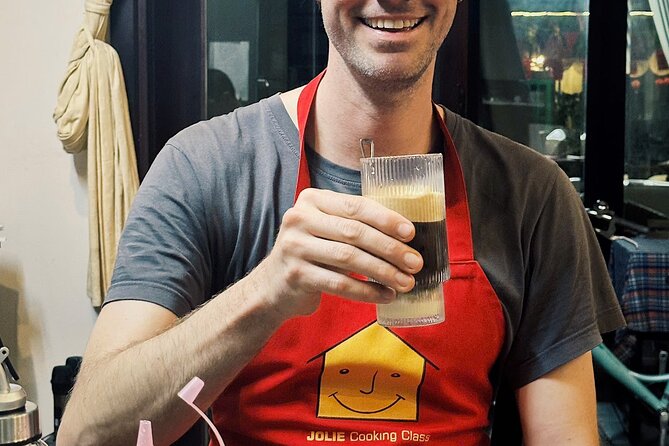
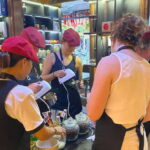
The coffee portion is the warm-up for your senses. You’ll learn to brew and then taste multiple Vietnamese styles, including:
- Egg coffee
- Salt coffee
- Coconut coffee
Even if you already like Vietnamese coffee, I think this is where you’ll notice the difference between ordering a drink and understanding what creates the flavor. Egg coffee tends to be known for its creamy texture and rich sweetness. Salt coffee brings a salty-sweet balance that can feel counterintuitive until you taste it. Coconut coffee adds a familiar comfort note, but you’ll experience it through the specific way it’s made in Vietnam.
What’s practical for you: you’ll leave with a mental checklist for flavors you can look for later. When you’re back on your own, you can order confidently and recognize what you’re actually tasting—sweetness level, creaminess, and how the “body” of the drink feels.
Also, this part matters because it’s social. You’ll be in a small group (max 12), tasting along the way. That gives you quick feedback: if something tastes too light or too strong, you can ask and adjust—before it’s time to jump into banh mi.
Banh mi from scratch: baguette, fillings, and fresh herbs
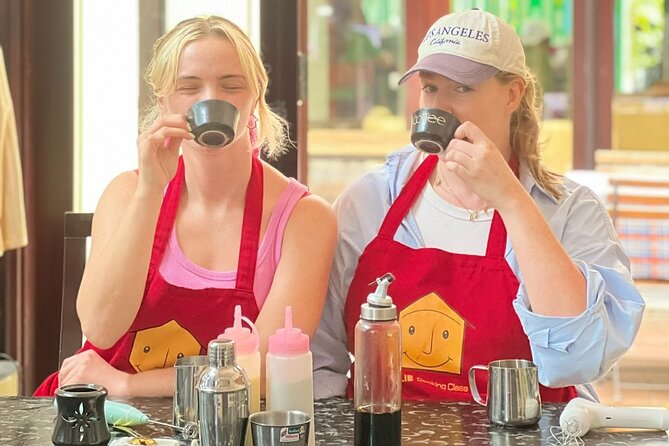
Banh mi is famous for three things: a crispy baguette, savory fillings, and fresh herbs. What makes this class stand out is that you’re not only assembling a sandwich. You’re learning to make an authentic Vietnamese baguette as part of the process, then building the finished banh mi with fresh ingredients and step-by-step guidance.
This is where skill turns into the real “wow.” The baguette is the engine of banh mi. If it’s too soft, the sandwich loses that satisfying crunch. If it’s uneven, the texture feels off. When you learn the baguette component yourself, you start to understand why good banh mi has that snap when you bite and why it doesn’t get soggy instantly.
And because you’re using fresh ingredients, you also learn the role herbs play in the balance of flavors. Herbs aren’t garnish; they cut richness and add lift. Put that next to what you learned in the coffee tasting—sweet, creamy, salty-sweet—and you get a fuller picture of how Vietnamese flavor balancing works at the table.
A detail worth noting from class feedback: people liked that they could make every element of the sandwich, not just one component. If banh mi is your main motivation—especially if you’re the type who wants to learn the bread—this format is exactly what you’re looking for.
You can also read our reviews of more tours and experiences in Hoi An





The real teaching style: why Rosie’s energy matters
A cooking class can be technical or it can be enjoyable. This one aims for both, and Rosie is called out as energetic and fun. That matters more than it sounds.
When a host is upbeat and actively guiding you, you ask questions faster. You’re more likely to notice small technique cues—how ingredients are handled, how you track timing, and when to adjust. That’s how “learned skills” become repeatable skills. If you’ve ever tried to follow a recipe later and wondered why it never came out the same, this is the style of teaching that helps bridge the gap.
Also, for solo travelers or couples, the energy keeps the class from feeling awkward. With a max group size of 12, you’re not packed in like a conveyor belt. You can participate, taste, and move through the steps without feeling rushed.
What your 2.5 hours actually feels like
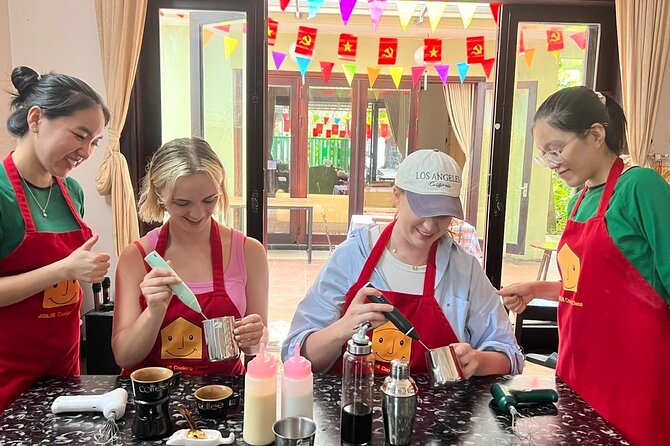
You’re looking at about 2 hours 30 minutes total. In a schedule like this, the structure usually works like this: coffee first (so you start with something warm and playful), then the banh mi cooking and assembly steps, ending with eating what you made.
For you, the pacing is important. Bread-making and sandwich assembly take focus. Coffee tasting adds sensory breaks so you don’t feel like you’re trapped in a single task nonstop. And because the class includes both coffee (and/or tea) and banh mi, you’re not stuck waiting around for a meal.
What I’d plan around: keep the rest of your afternoon/evening flexible. This isn’t a quick snack stop. It’s a full hands-on food session, so you’ll likely want time afterward to reset and reflect on what you made—especially if you’re walking around Hoi An before or after.
What’s included (and what isn’t) so you can plan meals
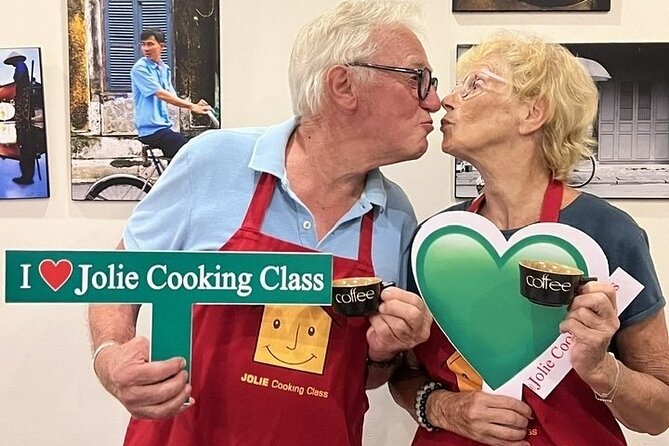
Included:
- Coffee and/or tea
- Banh mi (Vietnamese baguette)
Not included:
- pick up & drop off
That’s a clean package. Because coffee/tea and banh mi are included, you can plan your other meals without worrying about additional food costs during the class. Just remember you’ll still want breakfast or a light snack depending on what time you start—since the class ends at the meeting point rather than transitioning into a full dinner.
Who should book this cooking class in Hoi An?
This is a great fit if:
- you want a hands-on Hoi An banh mi cooking class, not just a tasting tour
- you’re curious about Vietnamese coffee beyond the basics
- you like small groups and guided instruction
- you want something fun for food lovers, solo travelers, and couples
It’s especially worth booking if banh mi is high on your list and you’ve found many cooking classes only cover sauces or assembly. Here, the baguette component is part of the learning, which gives you a more complete “from scratch” experience.
If you’re the type who hates mess and fast hands-on steps, this might feel a bit more active than a simple tasting. But if you’re comfortable rolling up your sleeves for bread and ingredients, it’s exactly the kind of activity that makes a trip stick in memory.
Should you book Coffee Making and Banh Mi Class in Hoi An?
I’d book it if you want a real skills-and-flavor combo that’s easy to understand and fun to do with others. The strongest reasons are simple: you get banh mi from scratch and you taste/brew egg, salt, and coconut coffee. Add Rosie’s energetic teaching style and a small group size, and you’ve got a class that feels both practical and enjoyable rather than purely performative.
Two quick decision checks:
- If you’re okay handling your own transportation to the meeting point (no pick-up/drop-off), you’re good.
- If you want to learn bread-making basics alongside Vietnamese coffee technique, this price makes sense for the amount of instruction you receive.
If that sounds like your kind of travel day, this class is a strong choice in Hoi An—one that leaves you with both a full belly and a few new things you can actually repeat later.
FAQ
How long is the coffee making and banh mi class in Hoi An?
The experience lasts about 2 hours 30 minutes.
What is included in the class?
It includes coffee and/or tea and banh mi (Vietnamese baguette).
Is pick up or drop off included?
No. Pick up & Drop off is not included. The activity starts and ends back at the meeting point.
How many people are in the group?
The class has a maximum of 12 travelers.
Where is the meeting point?
The start location is 16 Lưu Trọng Lư, Tân An, Hội An, Quảng Nam, Vietnam.
What is the cancellation policy?
You can cancel for a full refund if you cancel at least 24 hours before the experience’s start time. If you cancel within 24 hours, the amount paid is not refunded.