REVIEW · HOI AN
The 10 Tastings of Hoi An: Private Street Food Tour
Book on Viator →Operated by Withlocals · Bookable on Viator
Your next meal has a map.
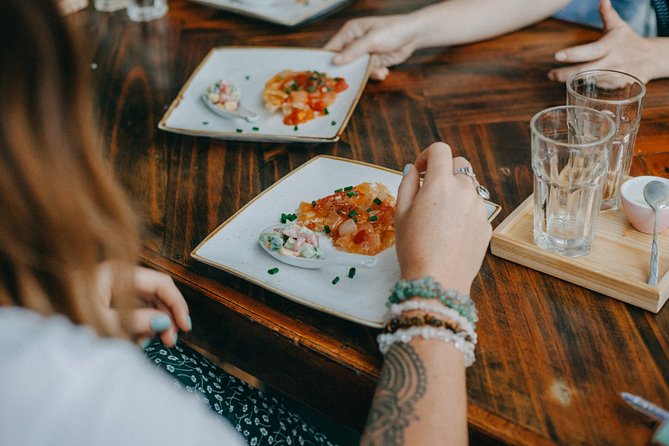
This private Hoi An street food tour packs 10 tastings and drinks into about 3 hours, with a local guide taking you between markets, temples, and classic food stops. I like the private one-on-one setup, so you can ask questions while you eat, and I also like how the route mixes recognizable dishes (like cao lau and banh mi) with smaller, street-level bites that explain what locals actually crave.
One thing to consider: it’s still a walking tour through markets and around sights, and the physical pace is listed as moderate. If you’re hoping for a totally sit-down, slow day, this might feel like a lot.
In This Review
- Quick hits: what makes this tour work so well
- Starting at Nam Quang Pagoda: the tour’s calm cultural warm-up
- What I like about this approach
- Phin coffee at a family-run shop, then shrimp-pork wontons
- The practical takeaway for you
- Pho origins (and how to eat it Vietnamese-style) at the handicraft workshop area
- Cam Nam Bridge and Chaozhou Assembly Hall: why a sea-worship story belongs on a food tour
- Small note on costs
- Cao lau twice: one signature dish, two very different feeding experiences
- When this works especially well
- Central market and fruit stop: learning Hoi An from the people who actually shop
- What you should do mentally
- Banh mi in the yard of an ancient house: street food, but with a softer landing
- Morning glory: a simple dish with a very specific personality
- An almost-1000-year-old well by the Fukian Assembly Hall: the tour slows you down (briefly)
- Ba Le Well area and Ba Van chicken rice: the buttery finish
- Hoi An Theatre finale: black Banh It La Gai and iced Vietnamese tea
- Price, value, and how to judge the $69.93 tag
- Customizing the itinerary: how to make the tour fit your tastes
- Who should book this private street food tour
- Should you book this Hoi An street food tour?
- FAQ
- How long is the 10 Tastings of Hoi An private street food tour?
- How much does it cost per person?
- What’s included in the tour?
- Are hotel pickup and drop-off included?
- Where does the tour start and end?
- Is the tour private or group-based?
- Can you customize the itinerary?
- Are there any admission tickets involved?
- What food options are available for vegetarians?
- What is the cancellation policy?
- Are there any phone or ticket requirements?
Quick hits: what makes this tour work so well
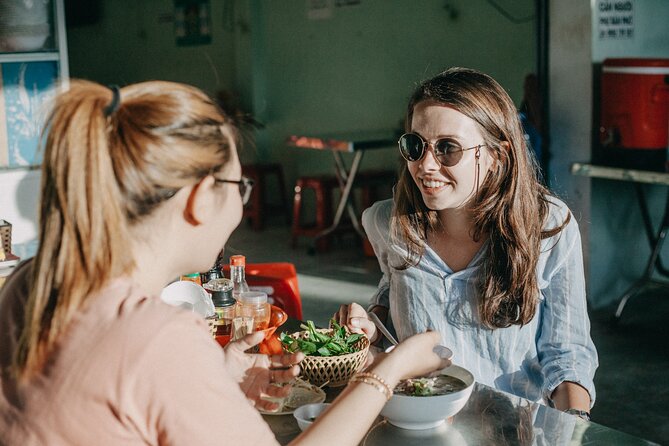
- 10 tastings in ~3 hours keeps you full of variety without turning it into an all-day food binge
- Private guide, private pace means you can ask for swaps and adjust the flow to your tastes
- Phin coffee + street snacks early gives you momentum fast, before the markets get crowded
- Cao lau stop at Precious Heritage by Réhahn focuses on one of Hoi An’s signature dishes
- Market time + fruit tasting shows daily life, not just restaurant food
- Two-part finale at the Vietnam war veteran cafe ties dessert and tea together for a satisfying end
Starting at Nam Quang Pagoda: the tour’s calm cultural warm-up
The route starts at Nam Quang Pagoda, near Aum Yoga Vietnam, where you meet your host and get a quick cultural briefing. This matters more than it sounds. Hoi An can feel like a postcard until someone explains the beliefs and everyday rhythms that shaped what people cook and eat.
You’ll also get a sense of how your guide thinks about the city: the food isn’t treated like a checklist. It’s treated like part of a living neighborhood. That tone carries through the whole 3-hour walk.
You can also read our reviews of more food & drink experiences in Hoi An

What I like about this approach
You don’t jump straight into fried snacks. You get context first, so the later food stops make more sense—especially the stops tied to older cultural influences.
Phin coffee at a family-run shop, then shrimp-pork wontons
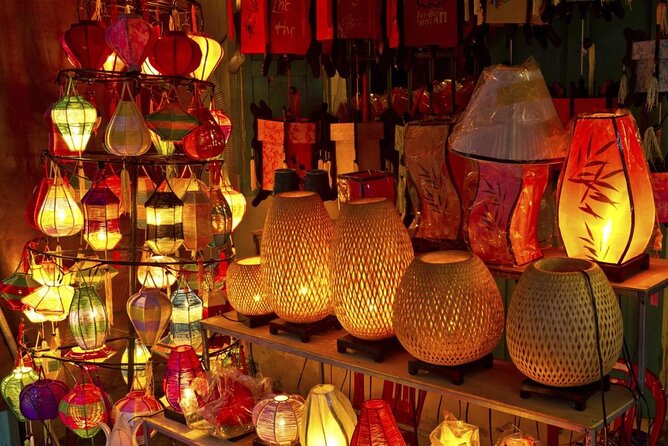
Next up is Hoi An’s coffee culture. Your guide takes you to a family-run coffee shop to watch how phin (Vietnamese coffee) is made, then you taste different coffees to notice the differences. This is a great intro because it trains your palate to pay attention. Instead of just drinking, you’re learning what changes the flavor.
After coffee, you get a bite of a fried wonton made with minced shrimp and pork. The outside is described as a thin layer of local powder, and the tour also notes that while the tasting has Chinese origins, it’s been adapted to local tastes. That explanation helps you read the dish like a story, not just a snack.
The practical takeaway for you
If you’re the type who always asks what something is made of, this stop is for you. It’s also a smart way to start if you’re worried the tour will be all “just eat and go.”
Pho origins (and how to eat it Vietnamese-style) at the handicraft workshop area
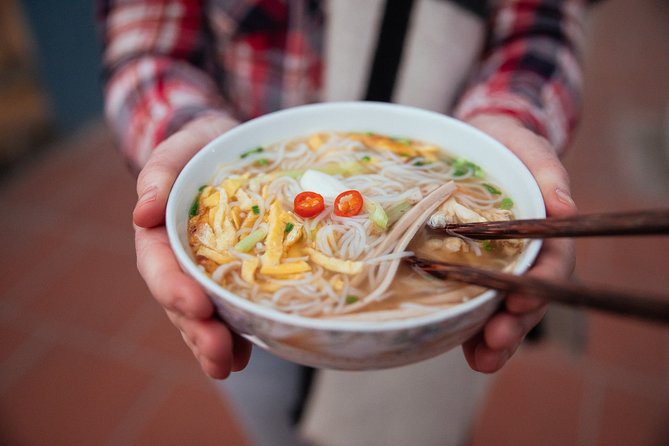
At the Hoi An Handicraft Workshop area, you’ll hear the origins of pho and learn how to eat it the Vietnamese way. There isn’t a lot of detail given about the exact form of pho tasting here, but the purpose is clear: your guide is teaching you the habit and the method, not just the name.
This is a useful detour because pho in Vietnam can feel different from pho elsewhere. You’ll be more prepared when you see it on menus later.
You can also read our reviews of more tours and experiences in Hoi An



Cam Nam Bridge and Chaozhou Assembly Hall: why a sea-worship story belongs on a food tour
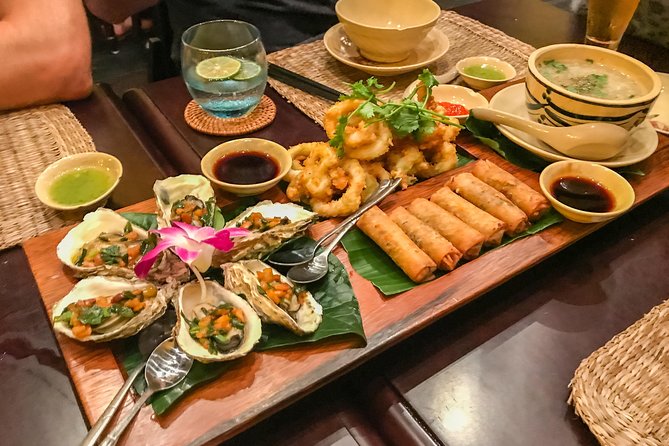
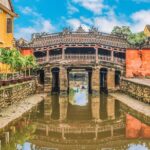
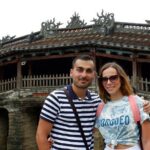
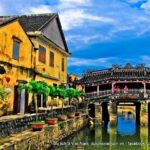
You then head toward Cam Nam Bridge and the Chaozhou Assembly Hall, built to worship General Ma Yuan—believed to have power over the waves. This is one of those “wait, why are we here?” moments that actually pays off.
Hoi An’s food culture was shaped by waves of different communities and trade connections. A stop like this gives you a place to attach that idea to. It turns the city’s mix of influences from a concept into something you can point at.
Small note on costs
Cam Nam Bridge is listed with admission as not included, while many other listed stops are admission-free. If you’re trying to budget tightly, keep that in mind.
Cao lau twice: one signature dish, two very different feeding experiences
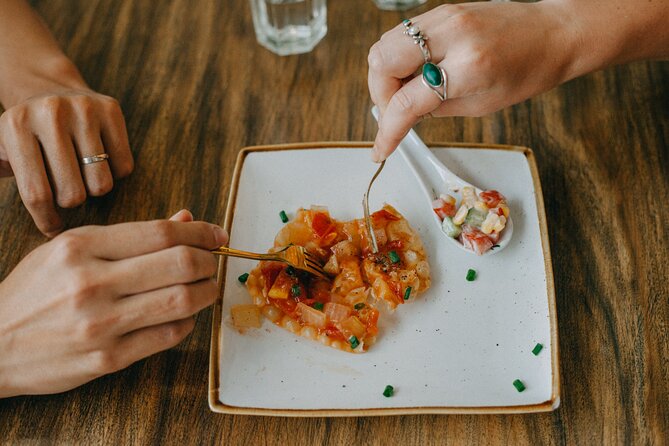
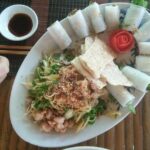
The tour’s heart includes cao lau, one of Hoi An’s most typical dishes and often described as a cultural mix. You’ll taste it at Precious Heritage by Réhahn and again at the Central Market area.
Why is repeating the same dish smart? Because it teaches comparison. You get the dish in a restaurant setting and in a more market-adjacent food environment. Even without extra explanation, you’ll likely notice how serving style and flavor perception change based on where you eat.
When this works especially well
If you’re worried about “one good dish, then nothing,” this is a strong fix. Repetition here isn’t lazy. It’s a lesson.
Central market and fruit stop: learning Hoi An from the people who actually shop
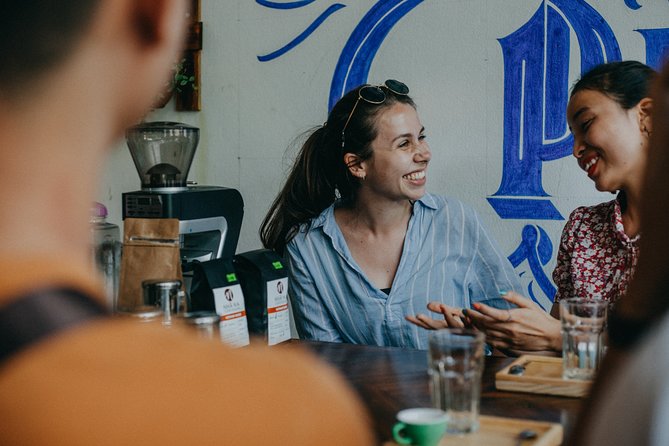
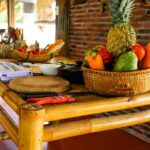
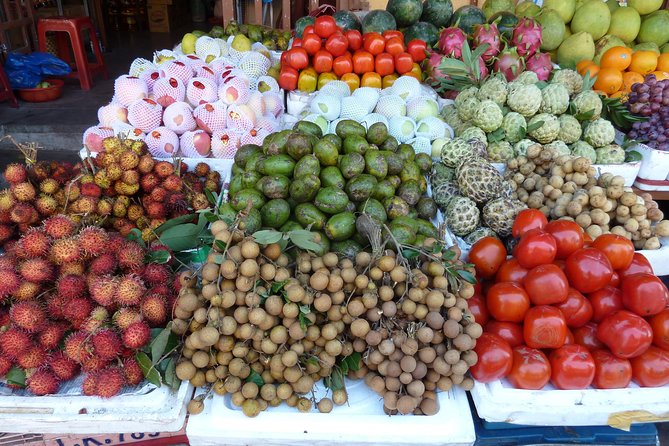
Then you shift into daily life. You taste seasonal fresh fruit from a local vendor—depending on the season, that could include dragonfruit or mango. Your host also explains seasonal fruit from Vietnam, which is a simple but effective way to connect food to the calendar.
After that, you explore the main market atmosphere, with your guide explaining the hustle and how the market fits into the city’s story. This isn’t just looking at stalls. It’s learning how people move, choose, and eat.
What you should do mentally
Go with a “observe first, ask second” mindset. You’ll get more out of the market sections if you treat them like a living classroom rather than a snack pit.
Banh mi in the yard of an ancient house: street food, but with a softer landing
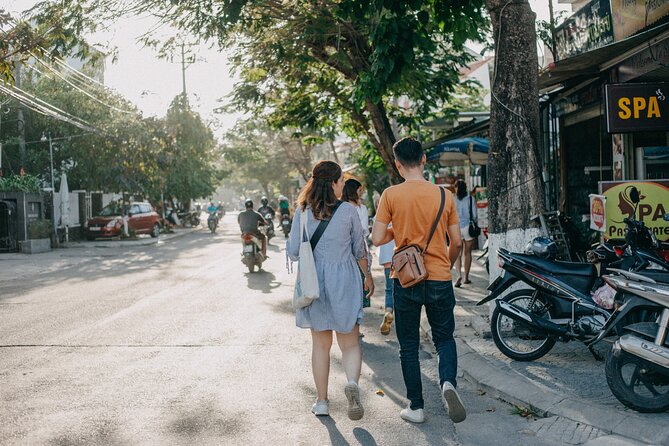
No trip to Vietnam is complete without banh mi—and here you get it in a specific setting: in the spacious front yard of an ancient house.
That detail matters because it changes the experience. You’re not just standing over a counter. You’re stepping into a place with a slower rhythm, which can make the taste feel brighter and more memorable.
Morning glory: a simple dish with a very specific personality
Next comes Morning Glory, a popular dish in Hoi An with a name that sounds cute in English but is tied to a real vegetable-forward flavor. It’s described as made from a veggie and notable both for its name and for the flavor you get from the preparation.
This stop is good for two reasons:
- It balances the heavier fried and meat-heavy tastings earlier.
- It helps you understand how street food can be both casual and deeply intentional.
An almost-1000-year-old well by the Fukian Assembly Hall: the tour slows you down (briefly)
Between tastings, you’ll stop to see one of the most ancient wells in Hoi An, built almost 1000 years ago by Champa people, with a unique architectural style. It’s near the Fukian Assembly Hall.
This is one of those “pause” moments. Food tours can sometimes feel like speed-running. This small break gives your brain a rest while still staying on-theme: Hoi An’s food culture didn’t appear out of nowhere. It grew around long-standing community life and shared spaces.
Ba Le Well area and Ba Van chicken rice: the buttery finish
Near Ba Le Well, you head to a typical Hoi An food vendor for Ba Van chicken rice. The tasting is described as having a rich, buttery, melt-in-your-mouth sensation that you can’t find anywhere else.
Even if you don’t know chicken rice in advance, this is positioned as a standout local specialty. It’s the kind of dish that makes you understand why people come back to a place rather than just ticking it off.
Hoi An Theatre finale: black Banh It La Gai and iced Vietnamese tea
Your last stop is near Hoi An Theatre and includes two tastings in one place.
First, you visit a cafe owned by a Vietnam war veteran and try Banh It La Gai. It’s described as a rice-based treat with a distinctive black color and a refreshing flavor.
Then you add iced Vietnamese tea to close the loop. This is a nice pairing because the tea gives you something cool to reset your palate after the richer bites.
Your host wraps things up by sharing more recommendations for what to do and what to eat in Hoi An.
Price, value, and how to judge the $69.93 tag
At $69.93 per person for a private tour lasting about 3 hours, the value mostly comes down to what you get included: 10 tastings and drinks, plus a local guide, and vegetarian alternatives.
A quick way to think about it: you’re paying for (1) access to multiple food stops you might not find on your own, (2) the guide’s explanations, and (3) the structure that keeps you moving without guessing what’s worth ordering. If you’re a “where should I eat?” person, that structure usually pays off faster than you’d expect.
If your travel style is to wander and snack randomly, you might spend less. But you’ll also miss the comparisons and the context—especially around items like phin coffee and cao lau.
Customizing the itinerary: how to make the tour fit your tastes
This tour explicitly offers the chance to change the itinerary. Tell your guide what you want at the beginning, or contact them after booking. That’s useful because street food can be personal:
- Some people want more veggie-forward bites.
- Some want to stick to the most famous local dishes.
- Some prefer fewer “adventure” foods.
Vegetarian alternatives are included, so you’re not locked into one option set.
Who should book this private street food tour
You’ll probably love this if you want:
- A private guide and a slower, question-friendly pace
- A structured way to try Hoi An classics like cao lau, banh mi, and Morning Glory
- Market time plus food tastings, not just restaurant stops
- A tour that mixes food with city highlights like assembly halls, temples, and ancient wells
You might skip it if you:
- Don’t enjoy walking through markets and between sights
- Prefer fully restaurant-based meals with no street-level pressure
- Want more sit-down time and less moving
Should you book this Hoi An street food tour?
If you’re visiting Hoi An and you want to eat like a local without gambling your meal budget, I’d book it. The standout value is the combination of 10 tastings, two cao lau tastings, phin coffee, and a thoughtful finale at the cafe near Hoi An Theatre.
Choose it especially if you like explanations while you eat and you want your guide to tailor what you try. Just show up hungry, wear comfortable shoes, and treat each stop as both a snack and a clue about why Hoi An tastes the way it does.
FAQ
How long is the 10 Tastings of Hoi An private street food tour?
It runs for about 3 hours.
How much does it cost per person?
The price is $69.93 per person.
What’s included in the tour?
You get a private tour, a local guide, 10 food and drink tastings, and vegetarian alternatives.
Are hotel pickup and drop-off included?
No. Hotel pickup and drop-off are not included.
Where does the tour start and end?
It starts in Hội An, Cẩm Châu, Hội An, Quảng Nam, Vietnam, and ends back at the same meeting point.
Is the tour private or group-based?
It’s private. Only your group participates.
Can you customize the itinerary?
Yes. You can change the itinerary by telling your guide your wishes at the beginning of the tour or contacting them after booking.
Are there any admission tickets involved?
Many stops list admission as free, but Cam Nam Bridge is listed as admission not included. Other stops are noted as free in the itinerary details.
What food options are available for vegetarians?
Vegetarian alternatives are included.
What is the cancellation policy?
You can cancel for a full refund up to 24 hours before the experience starts.
Are there any phone or ticket requirements?
You’ll receive a mobile ticket, and confirmation is received at the time of booking.