REVIEW · HOI AN
Vietnamese Coffee Making Class in Hoi An
Book on GetYourGuide →Operated by hoang thien travel · Bookable on GetYourGuide
Vietnamese coffee starts with smoke and patience. In Hoi An, this class turns that smell into something you can actually taste and recreate, from roasting basics to classic cup styles.
Two things I especially like are the hands-on brewing you do yourself and the small group size (10 people max). One possible drawback: the class can feel a bit fast for anyone craving more background, and making multiple coffees in a short window can hit you with a lot of caffeine richness.
In This Review
- Key things to know before you go
- Finding Trí Long Coffee and Getting Started Fast
- What a Vietnamese Coffee Roasting Demo Really Teaches You
- Phin Filter Coffee: The Slow Drip That Makes the Flavor
- Egg Coffee, Coconut Coffee, and Salt Coffee: Your Choose-Your-Own Tasting
- Egg coffee: creamy, rich, and unmistakably Vietnamese
- Coconut coffee: nutty sweetness with an easy, aromatic vibe
- Salt coffee: a small pinch with big flavor logic
- How the Class Works When You Select 2 or 3 Sessions
- What You Actually Make (and Why It’s More Than a Recipe)
- Small Group Energy: 10 People Max Means You Get Real Attention
- Price and Value: Why $16 Can Be a Good Deal
- Who This Vietnamese Coffee Making Class Is Best For
- Practical Considerations: Making Multiple Coffees Without Regret
- Should You Book This Vietnamese Coffee Making Class in Hoi An?
- FAQ
- How long is the Vietnamese coffee making class in Hoi An?
- How much does it cost?
- Where do I meet the instructor?
- What language is the instructor?
- How many people are in the group?
- What types of coffee can I choose to make?
- Is anything included in the price?
- Is hotel pickup or drop-off included?
- Is the class wheelchair accessible?
Key things to know before you go
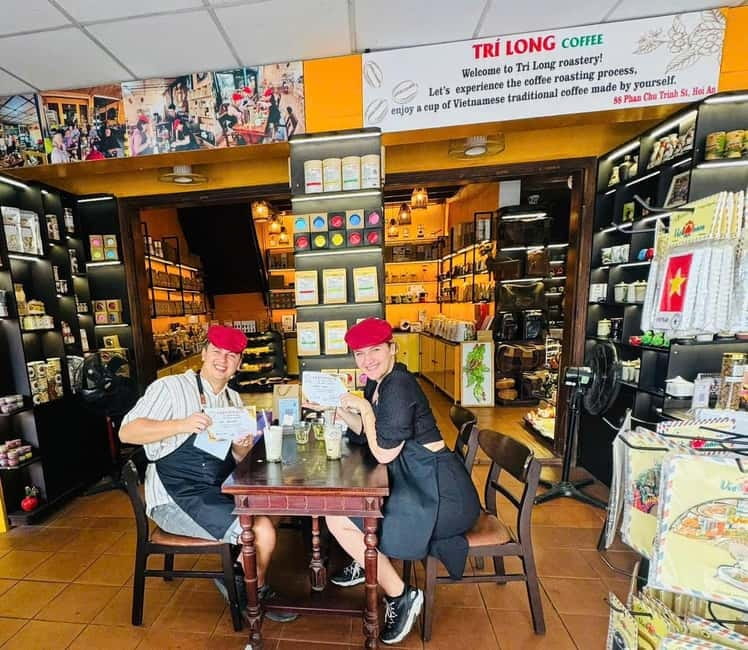
- You choose which coffee styles you make: egg, phin filter, coconut, or salt coffee (your pick)
- Roasting is part of the lesson, so your cup has context, not just a recipe
- You get a traditional Phin slow-drip demo, with the bold bite that makes it famous
- Egg coffee, coconut coffee, and salt coffee are real tasting targets, not just optional extras
- Small group format keeps it interactive, with ingredients and tools provided
- You leave with at least one cup made by yourself, so it is not just watching
Finding Trí Long Coffee and Getting Started Fast
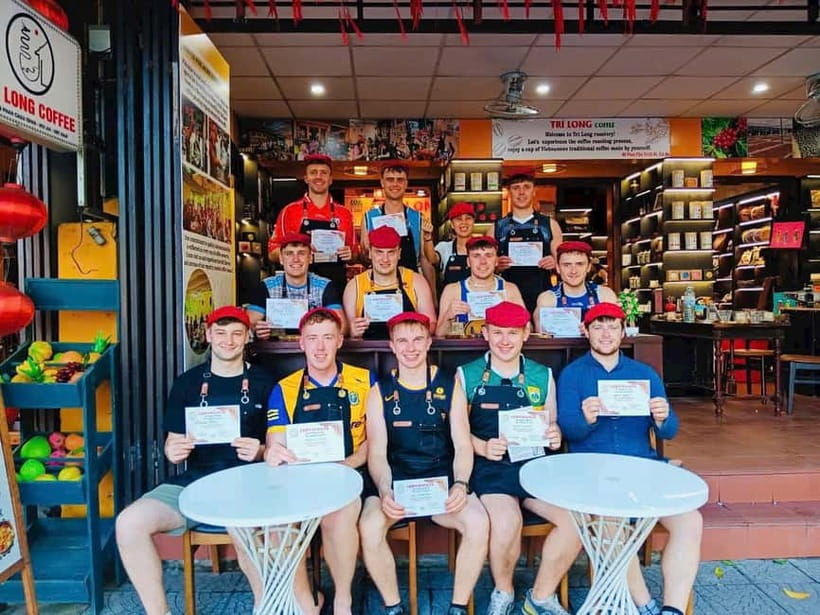
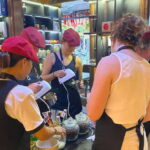
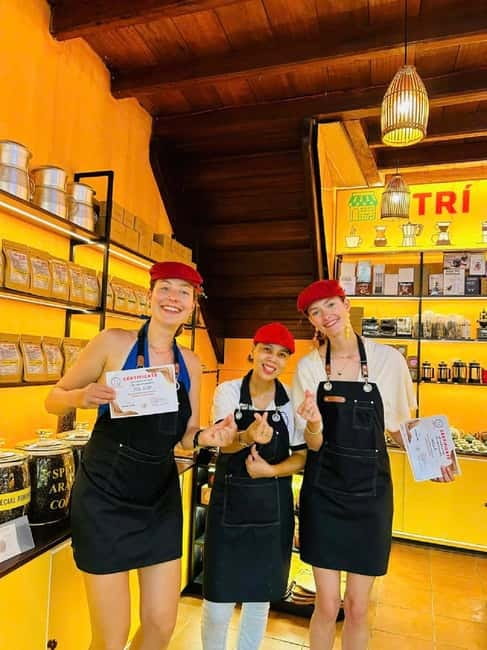
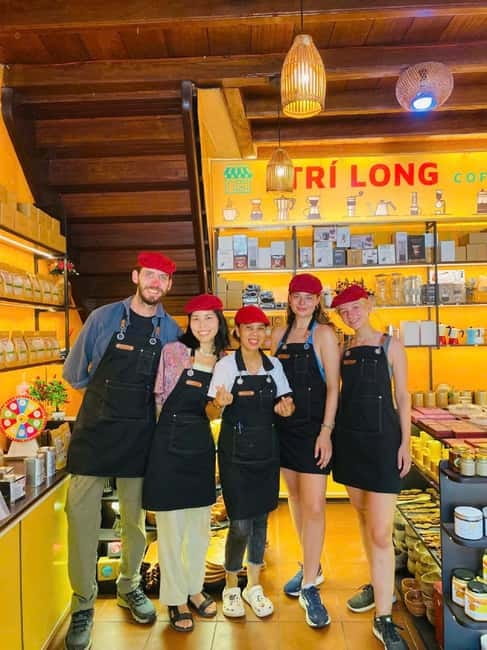
This is a straightforward, downtown setup, which I like when you are in Hoi An and want your time to matter. Your meeting point is Trí Long coffee, 88 Phan Chau Trinh street. Look for a guide standing outside wearing a red hat.
From there, you jump right into the point of the experience: Vietnamese coffee methods and flavors. Since the class runs about 1 hour to 90 minutes, it is the kind of activity that fits well between sightseeing blocks, especially if your day needs something warm and indoor.
Also, it helps that the instruction is in English and aimed at both curious beginners and coffee fans. The course is built around doing, not just listening.
You can also read our reviews of more tours and experiences in Hoi An

What a Vietnamese Coffee Roasting Demo Really Teaches You
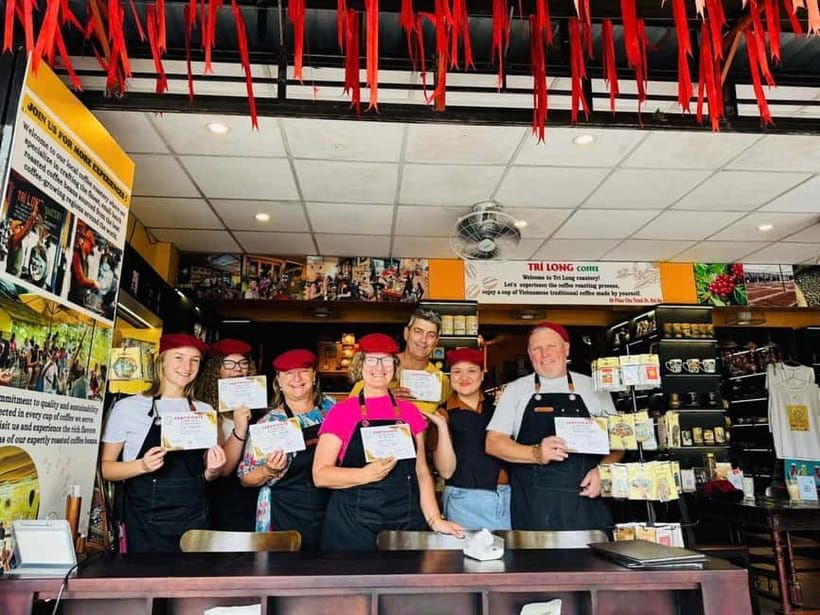
One session option is a roasted coffee demonstration that walks through what happens after raw beans meet heat. You learn about roast levels and how they affect what you taste in the cup.
This matters because Vietnamese coffee often gets judged by bitterness or sweetness, but roast level is the hidden dial behind those flavors. When someone explains how roast intensity changes aroma and taste, you stop treating coffee like a mystery drink and start treating it like a controllable craft.
Even if you only remember one thing from the roasting part, you will be able to taste more intentionally afterward: you can notice when something tastes more smoky, deeper, or more intense, rather than just thinking it is simply stronger or weaker.
Phin Filter Coffee: The Slow Drip That Makes the Flavor
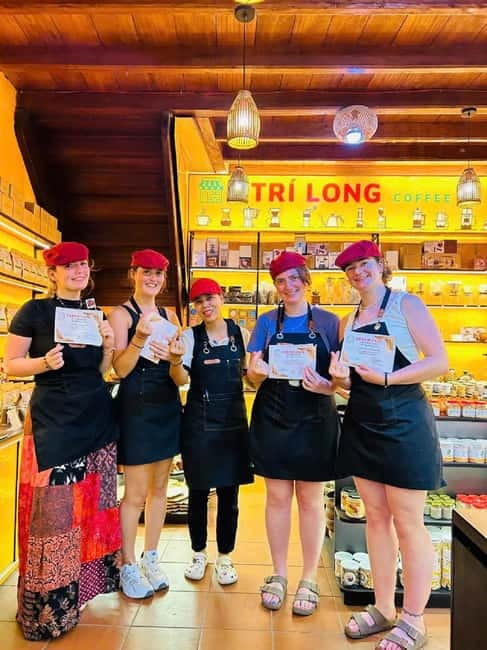
Another core session focuses on Vietnamese Phin filter coffee, the famous slow-dripping style Vietnam is known for.
In class, you typically watch the Phin method as it creates that steady stream. The key idea is time: coffee extracts gradually, and you end up with a brew that feels bold and robust. The balance you hear about—bitterness paired with sweetness—is the signature many people associate with this style.
Why this is valuable: it explains why Vietnamese filter coffee can feel heavier than what you get from faster brewing methods. If you have only had coffee that comes out in a rush, the Phin teaches you that slower extraction can change the personality of the cup.
This is also one of the sessions that tends to click for beginners, because the method is visual. You can literally see the process happening, then compare the result to the taste you expected.
Egg Coffee, Coconut Coffee, and Salt Coffee: Your Choose-Your-Own Tasting
The best part of this class is that you can pick what you want to make. Your options include egg coffee, coconut coffee, and salt coffee, and you can also choose to include the Phin and roasting parts depending on the session selection.
Egg coffee: creamy, rich, and unmistakably Vietnamese
Egg coffee is built around a very specific texture: coffee mixed with egg yolks, condensed milk, and sugar, then whipped into a creamy finish. In class, you watch (and participate in) the process that turns coffee into a velvety, sweet-rich drink.
If you like desserts, you will probably like this. It is coffee with a spoonable feeling. If you do not usually enjoy very sweet drinks, you may want to pair this with something lighter later or limit yourself to one egg coffee per day.
A practical note from real class pacing: one participant reported making three coffees and feeling hit with a lot of richness and caffeine in a short span. If you are caffeine-sensitive or sugar-sensitive, plan your day around it.
You can also read our reviews of more tours and experiences in Hoi An



Coconut coffee: nutty sweetness with an easy, aromatic vibe
Coconut coffee brings in tropical flavor and a different aroma profile. You learn how coconut works in the drink, aiming for that nutty sweetness that feels refreshing.
This can be a great pick if you want Vietnamese coffee flavors without the intensity of the most bitter or pure dark-brew profiles. It is also a nice option when the weather is warm, since it tends to feel lighter than the most indulgent coffee styles.
Salt coffee: a small pinch with big flavor logic
Salt coffee sounds strange until you understand the purpose: a pinch of salt enhances coffee’s natural flavors and helps reduce bitterness.
In class, you learn the idea behind the pairing and then taste the result. It is a good way to expand how you think about seasoning. Instead of using salt to make something salty, the goal is balancing the cup so the coffee tastes smoother rather than harsher.
If you usually find coffee too bitter, salt coffee is one of the smartest ways to test that palate problem in a controlled setting.
How the Class Works When You Select 2 or 3 Sessions
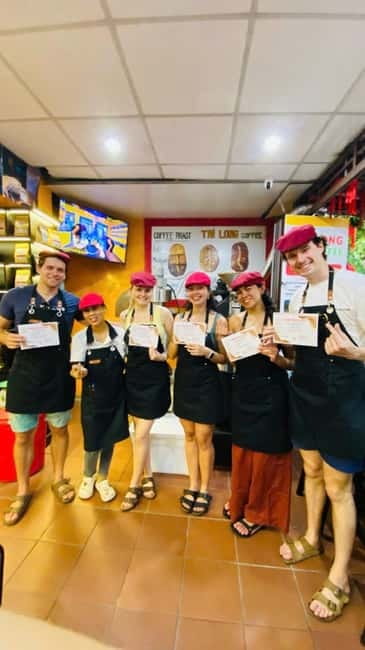
This course lets you choose two or three different sessions so you can tailor the experience. More sessions generally means more drinks and more time tasting and building skills, which can be great—but it can also mean heavier caffeine and richer flavors close together.
A good strategy: pick the session mix based on how you want the day to feel. If you want an energetic coffee crash course, go with more sessions. If you want a relaxed afternoon, choose fewer and savor the learning.
One participant described signing up to make three coffees and liking the hands-on process, but noted it was a lot of caffeine richness in a short period. They were offered a substitute chocolate drink for the last coffee, which is a helpful reminder: if you are worried about going too intense too fast, it is worth asking what alternatives are possible on the spot.
What You Actually Make (and Why It’s More Than a Recipe)
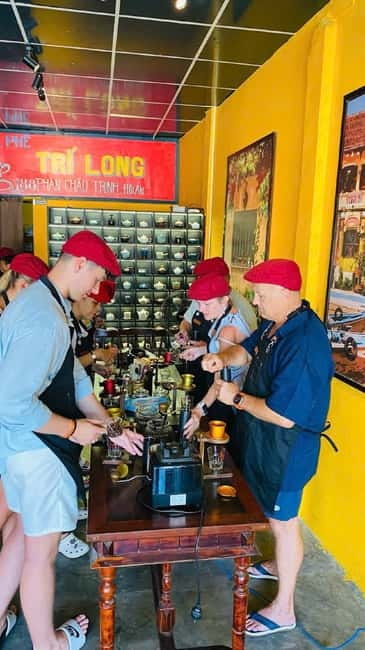
The included experience is not just tasting. The package includes a cup of coffee made by yourself, plus the course, water, and the ingredients and tools.
That is the practical win. You are not just leaving with a description of Vietnamese coffee—you are leaving with the ability to recreate the process, at least in a basic way. When you can make a drink yourself, you also understand what part of the process controls the taste.
And because this class covers multiple methods—roast levels, Phin filter drip, and specialty cup styles—you can compare flavors more clearly. You will start seeing patterns. For example:
- Roasting explains why aromas and bitterness can shift
- Phin slow drip explains why extraction and strength can feel different
- Egg, coconut, and salt coffee explain how ingredients change the perception of bitterness and sweetness
This kind of learning is perfect for travel because it makes your next coffee stop more interesting. You will taste with more context, even if you are not trying to become a barista.
Small Group Energy: 10 People Max Means You Get Real Attention
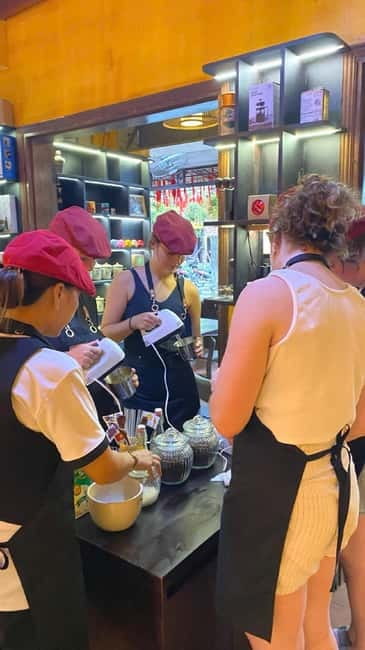
The group is limited to 10 participants, which I appreciate because it tends to keep the pace interactive. You get English instruction and enough room to ask questions without feeling rushed.
This is also part of why a class like this can be a good break from Vietnam travel basics. You are not waiting in a long line or scanning a warehouse of souvenirs. You are focusing on one craft and turning it into a skill.
Even the “rainy afternoon” angle works here. If your day in Hoi An gets weathered by clouds or showers, a coffee class gives you something warm, structured, and productive.
Price and Value: Why $16 Can Be a Good Deal
At $16 per person for a 1 hour to 90 minutes class, this can be excellent value if you care about hands-on food experiences.
Here is what you are paying for, and why that matters:
- The cost includes ingredients and tools, so you are not adding hidden expenses for materials
- You get an English-speaking instructor
- You get at least one cup made by yourself
- You can choose coffee styles (so you are not stuck with a drink you do not want)
Compared to purely tasting experiences where you might only watch, this format gives you more practical output per dollar. The only “cost” is that your session choice affects how much you taste and how intense it feels afterward.
If you do multiple coffees, expect richness. If you want a more gentle experience, choose fewer sessions or ask about alternatives for the last drink.
Who This Vietnamese Coffee Making Class Is Best For
This is a great fit if you want more than a quick coffee photo stop.
You will likely enjoy it if:
- You like food and drink workshops that end with something you can take away (a cup you made, plus a method)
- You are curious about Vietnamese coffee culture and want to understand it through technique
- You enjoy specialty coffees and want to learn egg coffee, coconut coffee, or salt coffee in a structured way
- You want an indoor activity in Hoi An that stays short and doesn’t hijack your day
It may not be the best fit if:
- You hate strong caffeine drinks and do not want to risk multiple coffees in a short time
- You want lots of deep theory and long-form background. One class rating specifically mentioned that they would have liked more background knowledge.
Practical Considerations: Making Multiple Coffees Without Regret
Because you may make 2 or 3 coffees, your main planning factor is how your body handles caffeine and sweetness.
If you pick three sessions, you are choosing intensity. A participant noted it was a lot of richness and caffeine packed into a short period. That is not a dealbreaker, but it is a heads-up.
My advice:
- If you are sensitive to caffeine, choose two sessions.
- If you want to try more variety, consider balancing your day with light meals and water (water is included, which helps).
- If you end up feeling overloaded, it appears the staff can offer a substitute for a coffee option, such as a chocolate drink for the last one.
Should You Book This Vietnamese Coffee Making Class in Hoi An?
I would book it if you want a hands-on Vietnamese coffee experience that stays short, includes tools and ingredients, and teaches you why different cups taste the way they do. For the money, you get both technique and payoff: you learn roasting and brewing concepts, then make drinks like phin filter coffee, egg coffee, coconut coffee, or salt coffee.
Skip it (or choose fewer sessions) if you want a slow lecture with deep background or if you know you do not handle strong, rich coffee well back-to-back.
If you do book, pick your coffee styles based on your palate. Egg coffee and salt coffee are fun contrasts. Coconut coffee is a great “change of mood.” And starting with the roasting and Phin parts gives you context that makes everything after that taste more intentional.
FAQ
How long is the Vietnamese coffee making class in Hoi An?
It runs about 1 hour to 90 minutes, depending on the sessions you choose.
How much does it cost?
The price is $16 per person.
Where do I meet the instructor?
Meet at Trí Long coffee, 88 Phan Chau Trinh street, Hoi An. Look for a guide outside wearing a red hat.
What language is the instructor?
The instructor speaks English.
How many people are in the group?
It is a small group limited to 10 participants.
What types of coffee can I choose to make?
You can choose to make egg coffee, Vietnamese Phin filter coffee, coconut coffee, or salt coffee.
Is anything included in the price?
Yes. You get a coffee made by yourself, the coffee making course, water, an English-speaking instructor, and the ingredients and tools.
Is hotel pickup or drop-off included?
No, hotel pickup and drop-off is not included.
Is the class wheelchair accessible?
Yes, it is wheelchair accessible.