REVIEW · HOI AN
Tra Que Village Cycling And Farming
Book on Viator →Operated by Hoi An Food Tour - Private Day Tours · Bookable on Viator
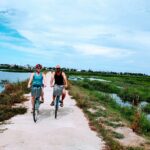
Tra Que Village is a quiet escape by bike. It’s only about 15 minutes out of Hoi An’s old-quarter area, but the scene turns green fast, with rice fields, slow rivers, and water buffaloes in mud. The big draw is Tra Que’s organic vegetable village, run with seaweed-based fertilizing, plus a hands-on morning that feels local rather than staged.
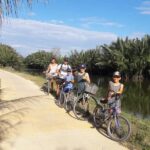
I like that this is an easy, family-friendly small-group tour that’s paced by a local English-speaking guide. You also get real value: a bicycle and helmet when needed, water, activities in the farm, and a light lunch built around local pho.
One thing to consider: even though the ride is generally manageable, the road moments around town can feel a bit tense at first. If you’re not a confident cyclist, start with extra caution and let your guide set the comfort level.
In This Review
- Key highlights at a glance
- Entering Tra Que Village: why this bike ride feels special
- How the timing and bike setup affect your comfort
- The organic vegetable village: seaweed fertilizing and farm views
- Rice paper making: a hands-on skill with real payoff
- Gardening activities: from preparing the land to picking vegetables
- Lunch with local pho: simple food, good energy
- Who this tour is best for (and who should rethink it)
- Price and value: what $25 really buys you
- Practical tips: what to bring for a smooth farm morning
- Should you book Tra Que Village Cycling And Farming?
- FAQ
- What is the starting time for Tra Que Village Cycling and Farming?
- How long is the tour?
- How much does it cost?
- What’s included in the price?
- Is pickup offered?
- How big is the group?
- Will I have to pay entrance fees separately?
- What should I bring for the ride and farm activities?
- Can I cancel for a full refund?
- When will I receive confirmation after booking?
Key highlights at a glance
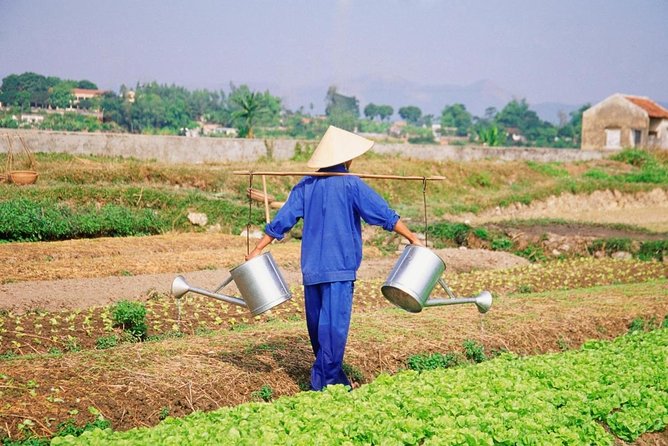
- Organic farming you can actually see, including Tra Que’s seaweed fertilizing method
- Rice paper making, plus time in the garden from land prep to picking vegetables
- Small-group size (max 15) with an English-speaking local guide
- Light pho lunch included, along with water and lots of photo stops
- Easy departure from a central meeting point in Hoi An for a quick countryside break
Entering Tra Que Village: why this bike ride feels special
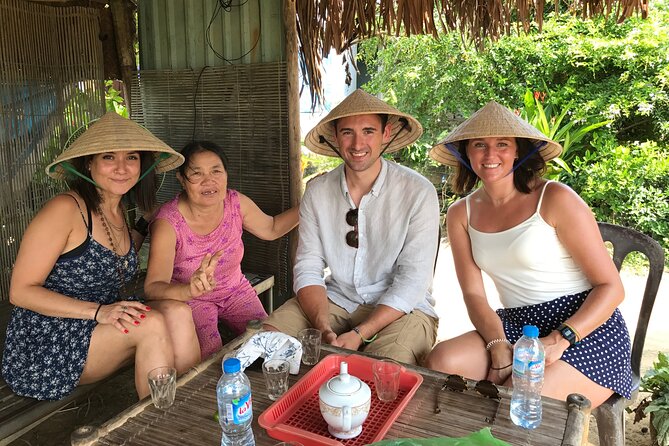
Hoi An can be busy in a hurry. This tour works because it trades crowds for countryside without turning your day upside down. You meet at 119 Tran Quang Khai and then head out early enough to enjoy nicer weather in the green farm zone around Tra Que.
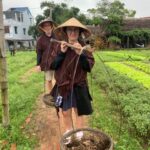
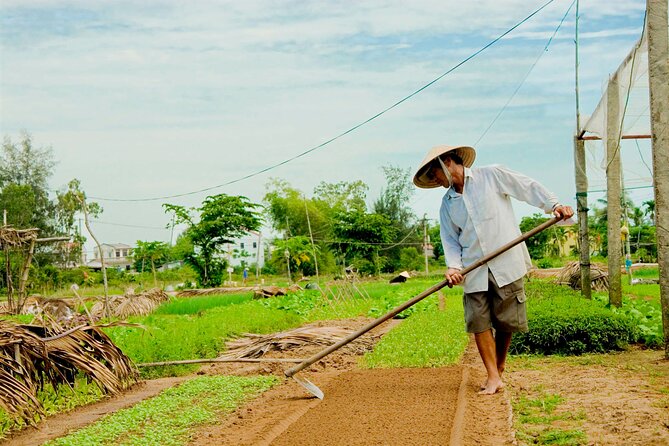
The vibe here is practical rural life: vegetables growing in tidy rows, paths that look like they were made for people who work daily, and farmers who don’t treat you like a spectator. Instead, you’re there to participate—lightly, safely, and at a pace that fits the group.
And it isn’t only about watching. You’ll learn why the village is known for organic practices, including a fertilizing approach based on seaweed. That’s a useful detail, because it changes what you’re seeing: you’re not just looking at produce, you’re hearing how the system works.
You can also read our reviews of more cycling tours in Hoi An

How the timing and bike setup affect your comfort
You start at 8:30 am, and that timing matters. Early morning is when the heat is usually less punishing, and it’s easier to cycle before the day gets loud. The total experience runs about 3 hours 30 minutes (with the main farm portion taking a couple of hours).
The tour provides the bicycle, and helmets are used when required. For most people, that’s a simple win: no hunting for a bike, no dealing with the wrong size, and no guessing whether your helmet will actually be used.
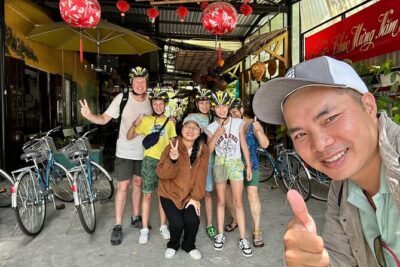
This is also a small-group format with a maximum of 15 people. That number helps in two ways. First, the guide can keep an eye on everyone. Second, it’s less chaotic when you stop for explanations or photo breaks, which makes the whole thing feel calmer.
If you’re thinking about your cycling skills, keep one honest note in mind: the first stretch can include moments where you have to pay attention to traffic around Hoi An. The good news is the tour is designed as an easy ride overall, and the guide can help you keep it comfortable.
The organic vegetable village: seaweed fertilizing and farm views
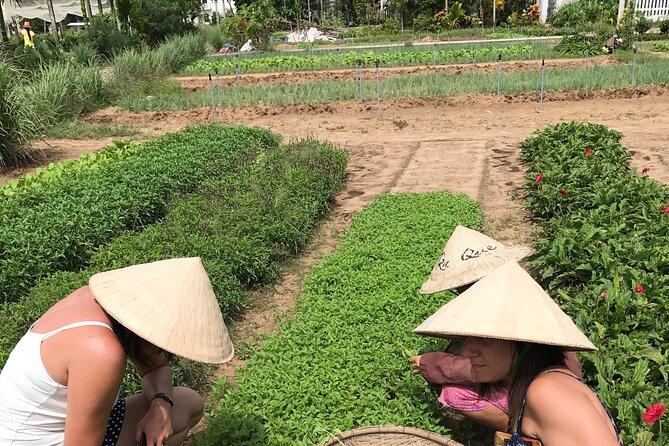
Tra Que’s main farming focus is vegetables, and the standout detail is the seaweed fertilizing method. That’s what you’ll hear and connect to as you walk through the growing areas. Even if you don’t know much about farming, you’ll be able to see what the village is trying to maintain: soil health that supports consistent veggie harvests.
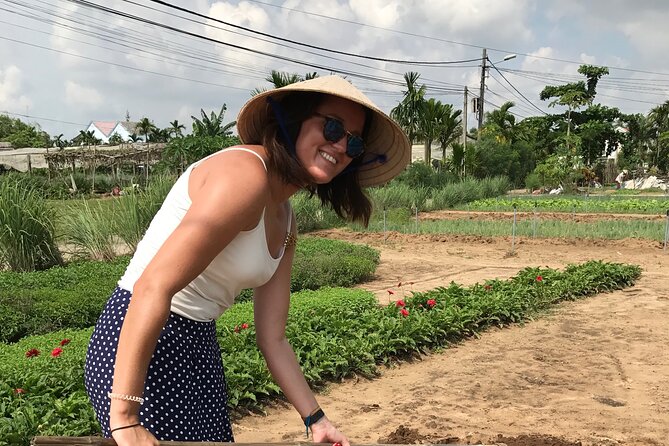
On top of the gardens themselves, you’ll notice the broader farm setting. Expect rice fields nearby, water that looks calm and reflective in parts of the area, and water buffaloes that look like they own the place. You don’t need a drone or a fancy lens to enjoy the scenery. The charm is the daily rhythm—work zones, irrigation-adjacent areas, and paths between crops.
Photo opportunities are built in, but it’s worth treating photos as the bonus, not the mission. The best moments are when you’re standing close enough to see how farmers work and when the guide explains the why behind the practices.
Rice paper making: a hands-on skill with real payoff
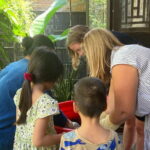
One of the most memorable parts of this tour is traditional rice paper making. It’s the kind of activity that turns food into something you can visualize. Instead of just eating a Vietnamese snack and moving on, you learn how rice paper starts its life and why it’s tied to local cooking.
What I like about this kind of stop is how it works for different ages and comfort levels. You don’t need to be athletic. You just need to be willing to try, listen, and follow the steps.
If you want to ask questions, this is a good moment to do it. A local guide who speaks English can explain the process and connect it to what you’re doing in the fields. In the feedback, guides like Kim and Emma get named for strong English and patient, upbeat coaching—useful if you’re traveling with kids or you’re rusty with communication.
Gardening activities: from preparing the land to picking vegetables
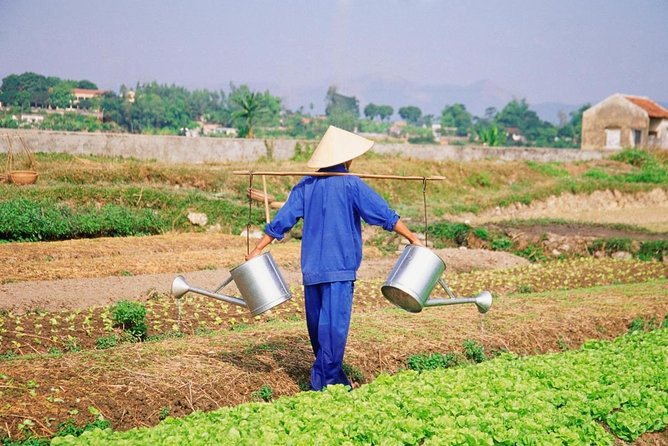
The tour doesn’t just point at crops and move on. You’ll join farmers in gardening activities that can include everything from preparing the land to picking vegetables. That arc is what makes it feel meaningful: you see work that happens before harvest, and you get a taste of the rhythm that keeps the farm producing.
This is also where you get the most “everyday life” context. Farming isn’t only about effort; it’s about timing, soil care, and routines. Even a light hands-on experience helps you understand why the village uses organic methods and why they’re proud of the results.
And because it’s a small group, you can usually get closer without feeling rushed. That matters when you’re standing near beds, tools, and work areas.
You can also read our reviews of more tours and experiences in Hoi An


Lunch with local pho: simple food, good energy
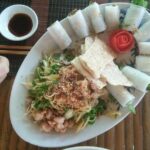
After the farm time, you’ll enjoy a light lunch with pho (beef noodle soup). In a half-day that includes cycling and garden activities, a familiar dish like pho is a smart choice. It’s filling enough to make you happy, but light enough that you won’t feel weighed down before heading back into town.
The tour also includes water, which is practical in farm-area conditions where you may be out in the sun. You’ll probably do a fair amount of standing, walking, and cycling during the morning, so having water included removes a small stress.
This lunch also adds value in a way that’s easy to miss. If you were to do the same day on your own, you’d likely spend on transport, entrance-type fees, and then still find food. Here, the lunch is built into the schedule so you can stay in the flow.
Who this tour is best for (and who should rethink it)
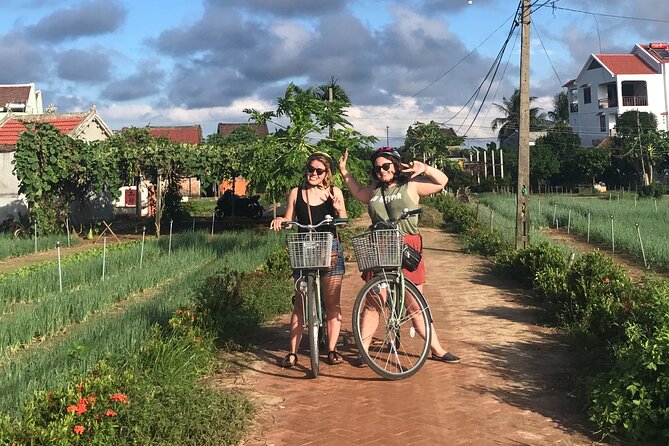
This experience fits well if you want an authentic farm day without making it a full-day project. It’s especially good for families because the pace is gentle, the format is structured, and the activities are simple enough for kids to enjoy with the guide’s help.
In the feedback, families mention taking kids as young as 6 and 8, with the children enjoying both the farm and the cycling portion. That’s a strong sign the tour handles different energy levels well.
It’s also a good fit for first-time cyclists. The ride is flat and described as accessible, and guides are attentive about safety. If you’re the type who’s nervous on busy roads, just know the first minutes can take focus—then it settles into a more rural feel.
If you’re a hardcore cyclist looking for long distances or big climbs, this probably won’t feel challenging enough. But if your goal is scenery, learning, and local life, it’s a solid choice.
Price and value: what $25 really buys you
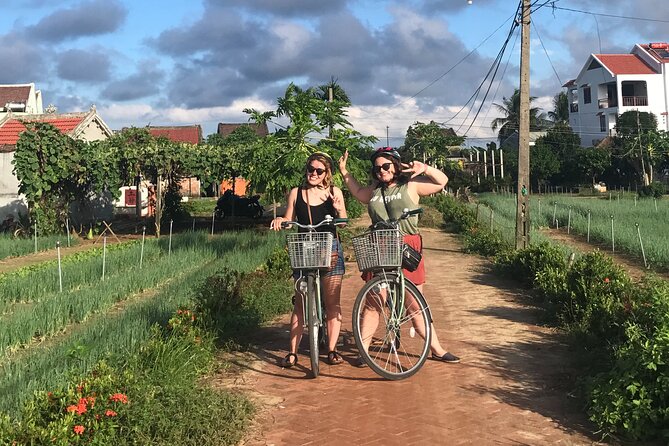
At $25 per person, this tour is priced like a value play—and it earns that label because multiple costs are included. You get:
- a bicycle (and helmets when needed)
- English-speaking local guiding
- water
- activities connected to the farm experience
- a light pho lunch
- entrance fees covered
So you’re not only paying for the ride. You’re paying for guided context, farm participation time, and meal + basic hydration. That’s why this works better than piecing together a DIY bike day with separate admissions and lunch.
Another value point: the group size cap of 15 helps keep the experience personal, and it reduces the risk of feeling like you’re in a long line at photo stops.
Practical tips: what to bring for a smooth farm morning
Even though the ride is short and generally easy, you’ll still want to dress for sun and field conditions. The tour suggests bringing:
- sun protection lotion or cream
- sunglasses
- a cap or hat
- fully charged camera
- comfortable sandals or flip-flops (practical for farm-area movement)
I’d add one personal travel habit: keep your phone secure in a way you can reach quickly for photos, then forget about it during the actual activities. When you’re near crops and doing hands-on steps, it’s better to stay present.
Also, wear something that dries fast. If you run into humidity, you’ll be happier in breathable clothing.
Should you book Tra Que Village Cycling And Farming?
Book it if you want a short, scenic countryside break from Hoi An that includes lunch and real farm activities. The organic focus (including seaweed-based fertilizing) plus rice paper making gives you more than just a view—you leave with knowledge you can connect to Vietnamese food.
Skip it only if you strongly prefer a car-free ride with zero street tension, or if you’re chasing a workout-style cycling route. The ride is meant to be approachable, not extreme.
If your schedule allows, this is an easy yes for families, food lovers, and anyone who wants to see how vegetables get grown close to town without turning it into a major expedition.
FAQ
What is the starting time for Tra Que Village Cycling and Farming?
The tour starts at 8:30 am.
How long is the tour?
It runs about 3 hours 30 minutes.
How much does it cost?
The price is $25.00 per person.
What’s included in the price?
You get a bicycle, helmets on required, an English-speaking guide, activities, water, and a light lunch (pho). Entrance fees are also included.
Is pickup offered?
Yes, pickup is offered.
How big is the group?
The tour has a maximum of 15 travelers.
Will I have to pay entrance fees separately?
No. Entrance fees are included.
What should I bring for the ride and farm activities?
Bring sun protection, a cap or hat, sunglasses, fully charged camera, and footwear like flip-flops or sandals.
Can I cancel for a full refund?
Yes, you can cancel up to 24 hours in advance for a full refund.
When will I receive confirmation after booking?
You receive confirmation at booking time unless you book within 2 days of travel. In that case, confirmation is received within 48 hours, subject to availability.