REVIEW · HOI AN
Farming & Cooking Class in Hoi An – Small Group Tour
Book on Viator →Operated by Cooking Class in Tra Que Organic Vegetable Village · Bookable on Viator
Five hours, real food. This small-group cooking class starts at the Hoi An market, then sends you to the Tra Que organic farm to learn by doing before you cook and eat what you make. What I like most is the market-and-kitchen flow: you select herbs and vegetables up front, then turn them into dishes like green papaya salad and fish in clay pot. I also like that the farming side is not a photo stop. You actually join the work.
You’ll be picked up and guided by an English-speaking chef and local team. In the groups, the chef and hosts can include people like Min, Uyen, or Jessica, and the vibe tends to be friendly and hands-on, not stiff. With a maximum of 15 travelers, you get more personal attention than you’d expect for a short tour.
One thing to plan around: this experience requires good weather. Since you’ll cycle, walk, and spend time in the farm area, a rainy day can change the schedule, or the operator may move you to a different date or refund.
In This Review
- Key highlights you’ll feel in your day
- Market-first in Hoi An: why it matters for what you cook
- Cycling and village lanes: the calm build-up to Tra Que
- Tra Que Vegetable Village farm tasks: hands-on, not staged
- The herb garden walk: the shortcut to better Vietnamese flavor
- Foot massage with medicinal herbs: a reset before the cooking
- The cooking class: learning technique with papaya salad, banh xeo, spring rolls, fish in clay pot
- Lunch and the sit-down payoff
- Small group size, private transport, and timing that works
- Vegetarian and special diets: what you can ask for
- Price and value: what $38 gets you in real terms
- Who should book (and who might want to think twice)
- Should you book the Farming & Cooking Class in Hoi An?
- FAQ
- How long is the Farming & Cooking Class in Hoi An?
- Does the tour include hotel pickup and transportation?
- What dishes will I learn to cook?
- Is lunch included?
- Can they accommodate vegetarian or special diets?
- Is the class size limited?
Key highlights you’ll feel in your day
- Market shopping with the chef so your cooking starts with real choices, not a predetermined list
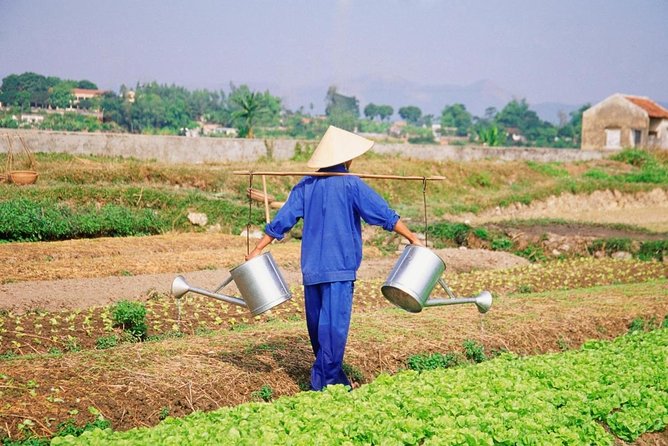
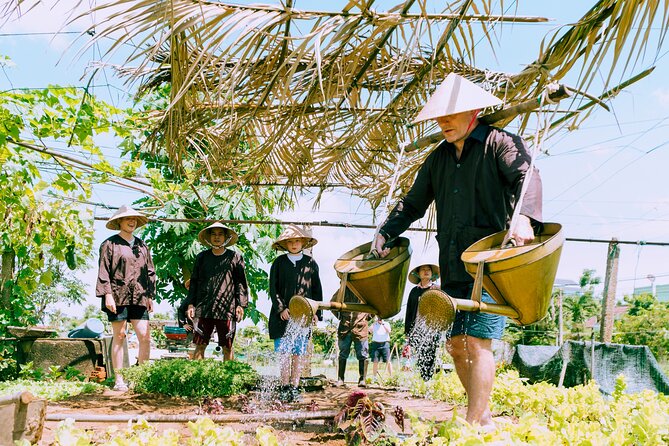
- Tra Que farm work including tasks like hoeing soil, collecting seaweed, transplanting, and watering
- Garden herbs walk where you learn which culinary plants get used in Vietnamese cooking
- Traditional foot massage with medicinal herbs as a breather before you cook
- A full plate of what you make after the cooking lesson, not just samples
- Small-group energy that keeps the class practical and interactive
Market-first in Hoi An: why it matters for what you cook
Most cooking classes begin in a kitchen. This one begins where Vietnamese cooking actually starts: with ingredients. You’ll meet your guide and then head to the local market to browse fresh produce. The point isn’t just buying food. It’s learning what different herbs and vegetables are, how they’re used, and how to spot what’s good.
That market time also makes the cooking portion feel more doable. When you know what you’ve picked and why, recipes like green papaya salad make more sense. You’re not guessing. You’re translating what you saw in the market into flavors you’ll taste in a bowl.
From the chef side, market shopping also creates a smoother class. You’re likely working with familiar ingredients that fit what the local team expects that day. Even if you’ve cooked Vietnamese food before, this helps you refine the basics: balance, texture, and the herb factor.
You can also read our reviews of more cooking classes in Hoi An

Cycling and village lanes: the calm build-up to Tra Que
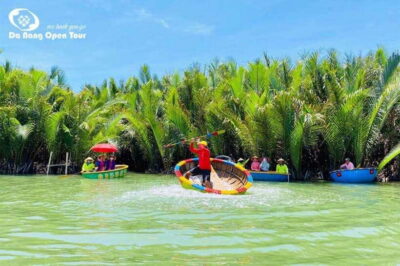
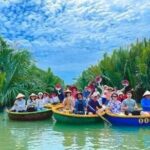
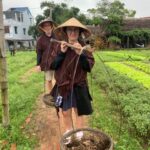
After the market, you’ll travel by cycling through rice fields and peaceful villages toward Tra Que Vegetable Village. The ride is short enough to keep your energy for the farm work, but long enough to slow your brain down. You’ll get a sense of how agriculture is woven into daily life around Hoi An.
This part is more than scenery. It sets context for the next step. When you arrive and start working with the soil, it feels connected rather than random. You understand you’re not touring an attraction; you’re visiting a place built around growing food.
Practical note: because you’ll be outside, you’ll want to dress for real sun or real clouds. If it’s hot, light clothing helps. If the weather turns, you may feel it fast.
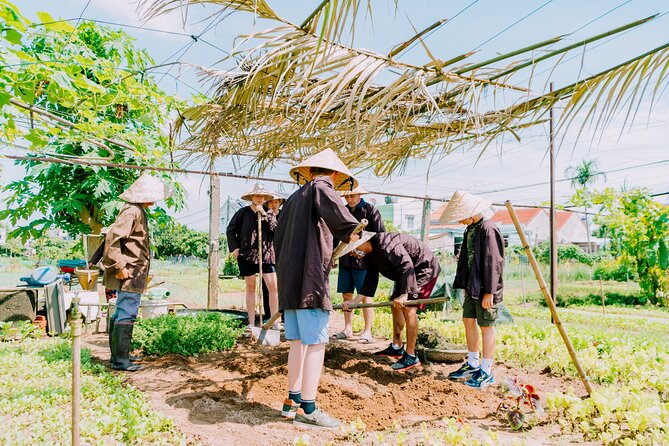
Tra Que Vegetable Village farm tasks: hands-on, not staged
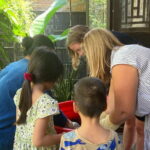
Tra Que Vegetable Village is the heart of this experience. You’ll walk through the garden area to discover culinary herbs and vegetables that you’ll later use in the cooking class. Then you step into actual farm tasks.
Based on what’s included, farm activities can include:
- Hoeing soil
- Collecting seaweed
- Transplanting and watering
That list tells you what kind of experience this is. You’re not just wearing a hat and posing. You’ll get close to the real rhythm of farm life, including repetitive work that makes sense for growing vegetables.
The value for you: you’ll come away with a better understanding of ingredients beyond taste. When you know how plants are handled and watered, you start to appreciate why certain flavors are sharper, softer, or more fragrant. You also learn what matters in farming: timing, simple care, and consistency.
You should also expect practical mess. This is farm work. Even if you’re careful, your hands and shoes might take a hit. Closed-toe footwear is a smart move.
The herb garden walk: the shortcut to better Vietnamese flavor
That garden walk is where a lot of the learning becomes memorable. You’ll discover culinary herbs and vegetables in the garden, and the idea is clear: these are the plants that show up again and again in Vietnamese meals.
If green papaya salad is on your list, this is where the class sets you up for success. If you’ve ever eaten Vietnamese food that tasted fresher than you could recreate at home, herbs are often the reason. Here, you get a chance to connect the plant you’re seeing to the dish you’ll cook.
Even if you’re not a food nerd, it’s useful. You’ll know what to look for at home when you shop. That means you can repeat the experience later instead of keeping it trapped in your photo roll.
Foot massage with medicinal herbs: a reset before the cooking
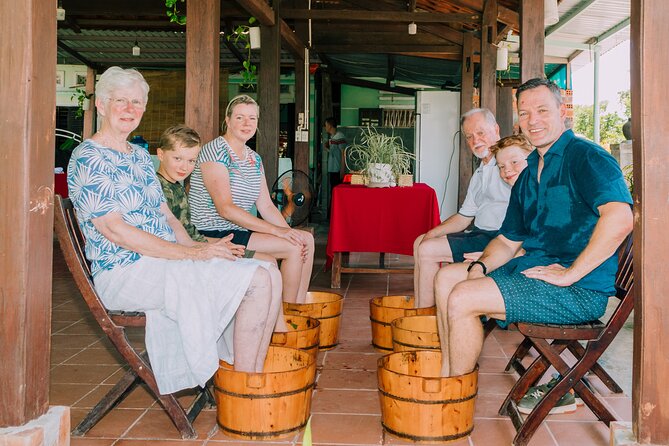
After farming, there’s a break and then a traditional foot massage using medicinal herbs. This is one of those parts you might not think you need on a food tour, but it makes sense.
Farm tasks mean time on your feet. A massage helps you recover before you start chopping, flipping, and stirring. It also gives your day a rhythm change. You’re not rushing from outdoor work straight into a kitchen frenzy.
Keep an open mind here. Traditional medicinal-herb massage is not everyone’s style. If you’re sensitive to smells or have foot comfort concerns, you’ll want to mention it to your guide before it starts so they can guide you through what’s appropriate.
You can also read our reviews of more tours and experiences in Hoi An
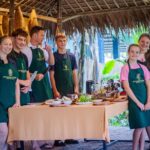
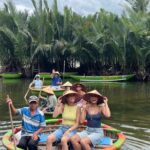

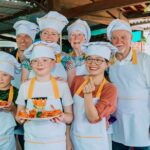
The cooking class: learning technique with papaya salad, banh xeo, spring rolls, fish in clay pot
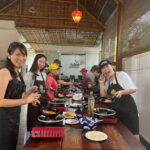
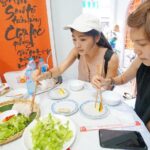
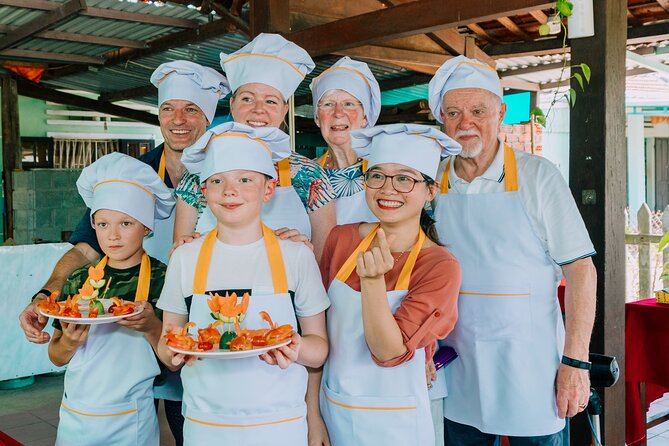
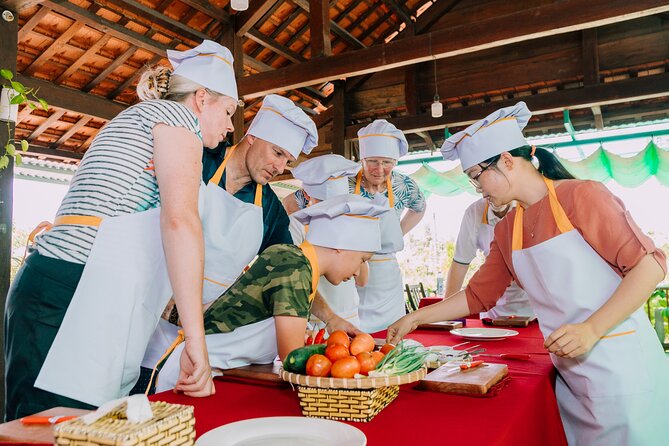
Now you’re in the kitchen stage, where all that market browsing and garden learning becomes something you can taste. The class is designed to be practical and interactive, with an English-speaking local chef guiding you and helping you cook the dishes together.
You’ll learn how to prepare:
- Green papaya salad
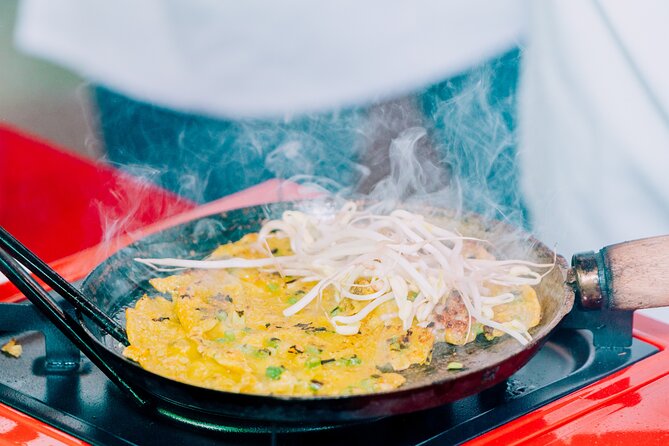
- Bánh Xèo, the Vietnamese crispy pancake
- Spring rolls
- Fish in clay pot
The dishes are a smart mix. You get crunchy, fresh, savory, and saucy. That matters because Vietnamese cooking isn’t one flavor style. It’s a whole system: acid, herbs, heat, and texture in the right places.
What you’ll likely notice during the class:
- Green papaya salad teaches balance. If the dressing is too heavy, it stops tasting bright.
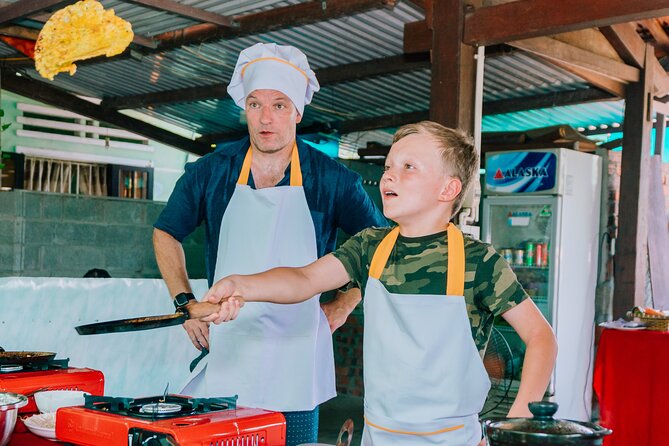
- Bánh Xèo pushes you to think about batter and texture, not just ingredients.
- Spring rolls focus on wrapping and assembly, where details prevent mess later.
- Fish in clay pot is about gentle cooking and letting flavors build without turning into something dry.
You’ll eat what you make afterward. That’s key. Many cooking classes end with watching someone else plate and serve. Here, you cook, then you rest your brain with a meal made by your own hands.
Lunch and the sit-down payoff
The included meal is where your learning becomes real satisfaction. You’ll enjoy the dishes you prepared as part of lunch, then take a rest before heading back to your hotel.
For me, the best cooking-class formula is simple: you should leave with three things—
1) skills you can repeat,
2) flavor you understand,
3) a meal that proves you did it right.
This tour hits all three. You don’t just taste the food. You understand what went into it: the herbs you found, the ingredients you picked, and the cooking steps you practiced.
Small group size, private transport, and timing that works
This experience runs about 5 hours and is offered in the morning or the afternoon. Pickup is included, and transportation is private.
Why that matters for you:
- A shorter tour helps you keep energy for the rest of Hoi An.
- Small group size keeps the cooking class from turning into a queue.
- Private transport means less wandering and fewer transfer hassles.
The operator also includes individualized instruction in a private class format. Even with a group, that’s the goal: you’re not just following a generic script.
A practical planning tip: this is often booked ahead. On average, it’s booked about 21 days in advance, so if you have a specific morning or afternoon you want, don’t wait until the last day.
Vegetarian and special diets: what you can ask for
Good news: vegetarian and special diets are available on your request. That means you should message ahead with what you need before you arrive.
One careful note: the listed dishes include fish and salad components, so substitutions will likely depend on what the kitchen can prepare that day. The tour data says diets can be accommodated, but it doesn’t promise a fully identical menu for every restriction. If you’re strict (no fish sauce, no seafood), be clear when you request your diet so the chef can plan properly.
Price and value: what $38 gets you in real terms
At $38 per person, this tour can feel like good value because you’re not paying just for recipes. Your included list is substantial for a half-day experience:
- lunch
- private transportation
- English-speaking guide and local chef
- bottle of mineral water
- traditional foot massage
- farming with a farmer
Add those up and it becomes more than a cooking workshop. You’re paying for a full sequence: ingredient sourcing, active farm time, a relaxation treatment, and a sit-down meal.
Also, since it’s a small group (up to 15), the per-person experience is less likely to feel rushed than a big bus format. If you want more than another dinner in Hoi An and you enjoy hands-on activities, this price is easier to justify.
Who should book (and who might want to think twice)
This is a great match if you:
- like cooking but also enjoy where ingredients come from
- want a mix of farm work and food skills, not only one side
- enjoy interactive classes where you actually chop, cook, and eat
It might not be the best fit if:
- you strongly dislike outdoor walking and cycling (the tour starts with market time and includes farm work)
- foot massage is a hard no for you
- you want an indoor-only experience regardless of weather (this one depends on good conditions)
If you’re traveling with limited time, the 5-hour format is friendly. If you’re a slower traveler, morning sessions can work well because you’ll still have plenty of day left after lunch and rest.
Should you book the Farming & Cooking Class in Hoi An?
If you want one activity that feels like both Vietnamese food and Vietnamese daily life, I’d book this. The market-to-farm-to-kitchen sequence is the whole point, and it’s designed so you leave with real technique for dishes like green papaya salad, bánh xèo, spring rolls, and fish in clay pot.
Book it especially if you like hands-on learning and you’re comfortable getting involved in farm tasks. If weather is questionable on your dates, have flexibility for a potential date change. And if you need vegetarian or special diet support, request it clearly in advance so the chef can plan.
Overall, for $38 and a half-day schedule, this is one of the more practical ways to turn Hoi An food into something you can recreate at home, using the exact flavors you found in the market.
FAQ
How long is the Farming & Cooking Class in Hoi An?
It runs about 5 hours.
Does the tour include hotel pickup and transportation?
Yes. Pickup is offered, and private transportation is included.
What dishes will I learn to cook?
You’ll learn green papaya salad, bánh xèo (Vietnamese crispy pancake), spring rolls, and fish in clay pot.
Is lunch included?
Yes. Lunch is included, and you eat what you cook.
Can they accommodate vegetarian or special diets?
Yes, vegetarian and special diets are available on your request.
Is the class size limited?
Yes. This experience has a maximum of 15 travelers.