REVIEW · HOI AN
My Son Sanctuary and Hoi An Ancient Town
Book on Viator →Operated by Bravo Indochina Tours · Bookable on Viator
Two UNESCO stops, one long but rewarding day. This full-day tour strings together My Son Sanctuary and Hoi An Ancient Town, taking you from Champa-era temple ruins to heritage streets without logistics headaches. I like that the day is set up with entrance tickets plus hotel pickup and drop-off in both Hoi An and Danang.
The small-group format (maximum seven people) keeps the pacing friendly, and the guides are the difference-maker when it comes to explaining Hindu influences at My Son and the layered architectural clues around Hoi An. One consideration: it’s about an 8-hour outing with real walking in the sun (and sometimes rain), so pack proper shoes and sun protection.
In This Review
- Key highlights to know before you go
- UNESCO in one day: Champa ruins and a trade-port town
- My Son Sanctuary: Hindu influence among Champa ruins
- What makes the morning feel worth it
- Watch-outs at My Son
- The drive: a simple transfer that still adds context
- Lunch and timing: keep your energy up for the afternoon walk
- Hoi An Ancient Town: a walkable route with temples, houses, and a bridge
- The stops that shape the experience
- The pedestrian-only streets factor
- Guide quality makes a real difference
- What’s included in the $73 price—and what that means for value
- Comfort, timing, and what to pack for an 8-hour day
- Rain and weather: when the day feels different
- Who should book this tour (and who might skip it)
- Should you book My Son Sanctuary and Hoi An Ancient Town?
- FAQ
- What time does the tour start?
- Does the tour pick you up in Hoi An or Danang?
- How long is the tour?
- Is lunch included?
- How many people are in the group?
- Are entrance tickets included?
Key highlights to know before you go
- UNESCO combo day: My Son Sanctuary in the morning, Hoi An Ancient Town in the afternoon
- Champa temples explained: Hindu deities and Indian influence in the architecture
- A walkable Hoi An route: Kwan Temple, Phuc Kien Assembly Hall, Tan Ky Old House, Japanese Covered Bridge
- Real extras on the town side: traditional music performance and a handicraft workshop
- Pickup in Hoi An or Danang: included, with air-conditioned minivan transport
- Small group feel: better Q&A and more flexible photo stops
UNESCO in one day: Champa ruins and a trade-port town
Central Vietnam has a talent for mixing old worlds. In the morning, My Son Sanctuary takes you back to the Champa Kingdom, which shaped coastal Vietnam from roughly the 4th to the 13th century. In the afternoon, Hoi An shows what happened when traders and empires met—Chinese, Hindu, and Arab influences show up in architecture, food, and everyday life.
What I like about this tour is that it doesn’t just drop you at monuments. The guide keeps you moving, but also pauses often enough for context. When you understand what you’re looking at—Hindu symbols at My Son, or assembly halls and merchant houses in Hoi An—you get way more out of the time you spend.
Also, the format is built for convenience. You get picked up in Hoi An or Danang, ride in an air-conditioned minivan, and return to your hotel after the walking portion. For a place like Hoi An, where you can easily burn a day figuring things out, that’s a big win.
You can also read our reviews of more tours and experiences in Hoi An.



My Son Sanctuary: Hindu influence among Champa ruins
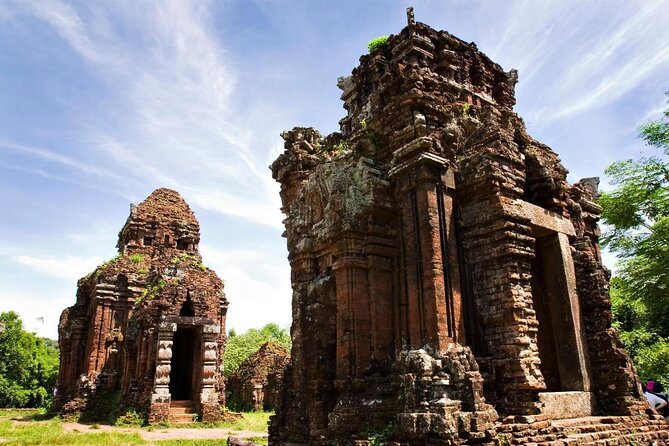
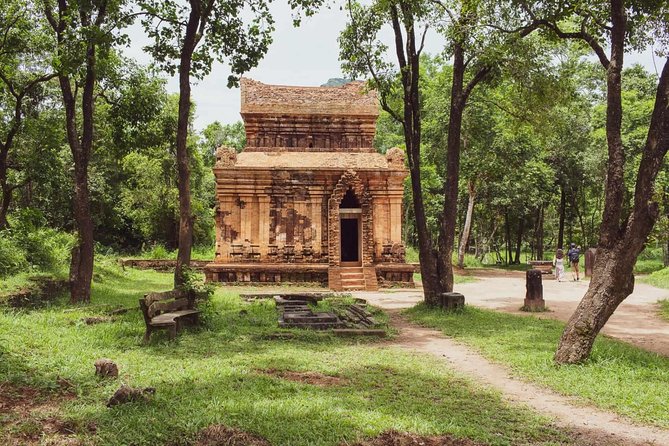
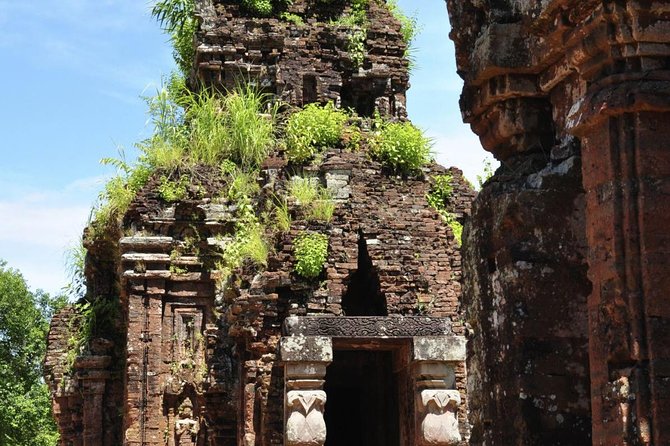
My Son is not a tidy “one temple, one photo” kind of site. It’s a whole complex of monuments that were once the religious and intellectual center of the Champa Kingdom. At its peak, there were about 70 structures, but today only around 20 remain. Some are well-preserved; others have fallen or were damaged, including damage tied to the Vietnam War.
The visit starts with a walk through the complex with your guide. This is the best part of the morning if you like learning while you stroll. You’ll get architectural pointers—how the temples and statues relate to Champa religious life—and you’ll also hear why the site is strongly linked to Hindu traditions. Your guide points out statues of Hindu deities, which helps you connect the details you see on stone to the beliefs behind the design.
What makes the morning feel worth it
My Son can feel intense because it’s spread out. But the pacing matters. This tour gives you about 2 hours at the site, enough time to slow down without rushing past the meaning.
Photo stops are part of the plan, too. Even if you’re not a “temple photography” person, you’ll likely want a few shots. The buildings aren’t all standing straight and perfect, but that’s part of what makes the place feel real. You’re seeing a living historical site, not a reconstructed theme park.
Watch-outs at My Son
You will be walking, likely in uneven terrain. Comfortable shoes matter. Sun protection matters even more. And because this area can see sudden weather changes, bring a light layer or rain cover if you’re traveling during warmer, storm-prone seasons.
The drive: a simple transfer that still adds context
After pickup (typically around the 8:00 am start), you’ll head by air-conditioned minivan to My Son. The distance is about 50 km (30 miles), and you ride a scenic route before you start walking among the ruins.
On paper, it’s just a transfer. In practice, it’s also how the day stays manageable. Without the minivan and included pickup/drop-off, you’d be coordinating transport across two towns and timing your entry tickets yourself. Here, the schedule is set for you, which keeps the morning from turning into a guessing game.

Lunch and timing: keep your energy up for the afternoon walk
The tour builds in lunch after My Son. You stop into a local restaurant for a Vietnamese meal before heading into Hoi An on foot.
Food isn’t listed as included, so treat lunch as pay-as-you-go unless your exact booking states otherwise. Even so, the stop matters because it prevents the afternoon from feeling like a sprint. You’ll be walking through pedestrian-only streets later, plus visiting multiple heritage sites.
If you have dietary needs, it’s smart to flag them when you book. The tour info specifically asks you to advise dietary requirements, and that’s the kind of small step that saves stress later.
Hoi An Ancient Town: a walkable route with temples, houses, and a bridge
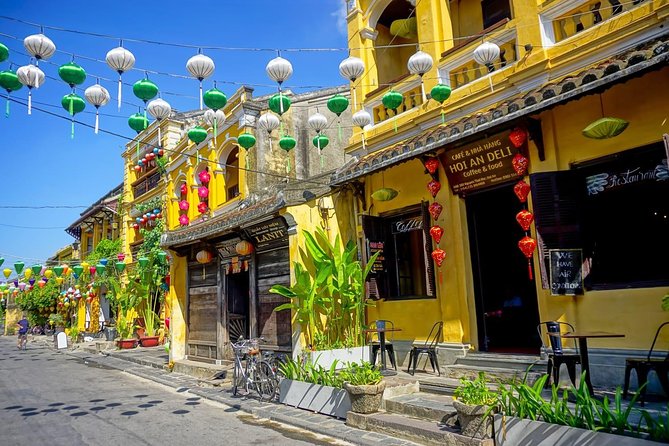
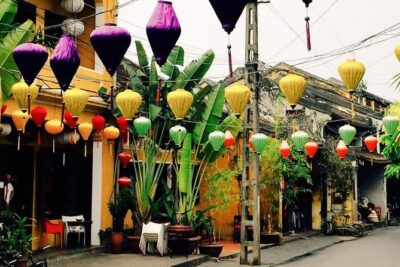
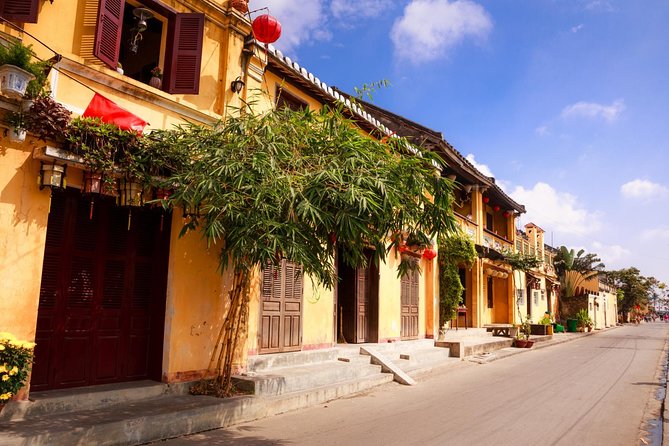
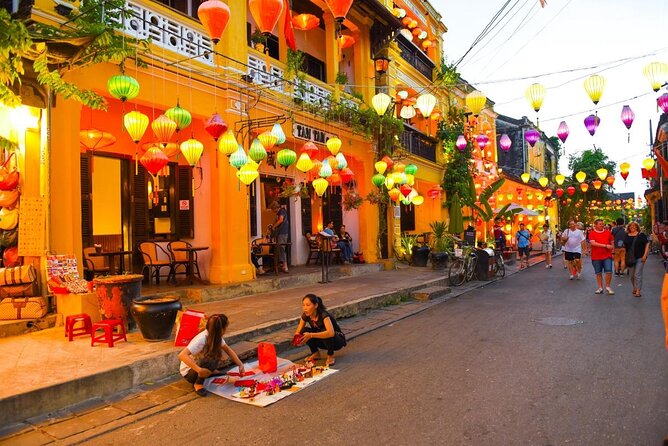
Hoi An Ancient Town is set up for strolling. Once you arrive, your guide takes you through key stops on foot. The World Heritage-listed area started as a port more than 2,000 years ago, and that trade history is visible everywhere—from architecture to food habits to the layout of the streets.
This part of the day is designed like a curated walk: you’re not only seeing famous spots, you’re also getting the “why” behind them.
The stops that shape the experience
You’ll visit highlights such as:
- Kwan Temple
A major spiritual site that signals the Chinese cultural presence in Hoi An’s history.
- Phuc Kien Chinese Assembly Hall
Another strong marker of the role Chinese communities played in trade and civic life.
- Tan Ky Old House
A historic merchant house, useful for understanding daily life and how wealth and commerce were built into architecture.
- Japanese Covered Bridge
One of Hoi An’s most recognizable icons. It’s short, but it’s packed with meaning because it reflects the town’s long connections through trading routes.
- Historic & Cultural museum (as part of the route)
This helps tie the walking stops together so you’re not just collecting photos.
After the guided walk, you also get two added experiences: a traditional music performance and a stop at a handicraft workshop. These add variety to the day. If all you did was temples and old houses, it could start to feel repetitive. The music and craft work add a more human layer—sound and making—so Hoi An doesn’t turn into a museum-only experience.
The pedestrian-only streets factor
Hoi An’s charm is that you can move slowly and still feel like you’re getting somewhere. That said, this is still a walking afternoon. You’ll want shoes that handle cobblestones or uneven pavement. Sun protection also matters again here: the town can look shaded, but you can still end up exposed between stops.
Guide quality makes a real difference
Small-group travel isn’t automatically better, but it often is. Here, the tour is capped as a maximum of seven people, which means your guide can actually manage conversations, not just move a group down a list. That helps a lot at My Son, where Hindu symbolism and Champa architecture aren’t always obvious unless someone explains them in plain terms.
You may also notice that some guides get singled out for energy and clarity. Names like Lee and Tan show up in people’s accounts for their helpful, personal guiding style. Another guide named Mr Andy is also mentioned for being friendly, considerate, and informative. You won’t know who you’ll get until the day-of confirmation, but it’s a good sign that different guides are being recognized for bringing the sites to life.
What’s included in the $73 price—and what that means for value
At $73 per person, this tour isn’t just “transport + two sites.” You’re paying for a full chain of services:
- Hotel pickup and drop-off in Hoi An and Danang
- Air-conditioned minivan transport
- A professional English-speaking guide
- Bottled water
- Entrance fees/tickets for the key stops (My Son, and the Hoi An sites on the route)
- A guided walking experience plus the scheduled extras in town (music and workshop)
When you compare that to building the day yourself—driver, tickets, and a guide who can make the monuments understandable—the price starts to look reasonable. The real value is time saved and explanations delivered, especially for My Son, where you’re not going to naturally decode Hindu deities and Champa architectural choices on your own.
It’s also worth noting that the tour is generally booked about 45 days in advance. That usually means it’s popular during busy seasons, and that’s another reason to plan ahead.
Comfort, timing, and what to pack for an 8-hour day
This is an 8-hour style day, starting around 8:00 am. You’ll spend roughly two hours at My Son, then eat lunch, then move through Hoi An for another guided block.
Here’s what matters most for comfort:
- Comfortable walking shoes (required)
- Sun protection (seriously—both sites can expose you)
- A plan for weather: the area can have strong rain swings
- Keep water handy even though bottled water is provided
Mobile tickets are part of the setup, which is convenient. Still, I like to keep screenshots or offline access on my phone. Vietnamese travel runs smoothly, but having a backup habit keeps you calm if the app signal gets weird.
Rain and weather: when the day feels different
You should expect a flexible day. Hoi An and central Vietnam can move from clear to stormy quickly. On days like that, you’ll likely still visit the sites, but the mood changes. Rain can make the temple area feel dramatic, and wet pavement in town makes footwear even more important.
If you want to be ready, bring a light rain cover (not a huge umbrella). It packs smaller, and it’s easier to manage when you’re moving on foot.
Who should book this tour (and who might skip it)
This is a great fit if you want:
- Two UNESCO sites in one day without juggling schedules
- A guided explanation that turns ruins and old houses into a story
- A pace that feels organized, not random
- A small-group setting (max seven) for better interaction
You might consider skipping or customizing if you:
- Hate structured days with set walking time
- Want complete freedom to wander Hoi An without a route
- Have very limited walking tolerance, since the tour includes an active walking portion in the Ancient Town
If you’re the type who likes to understand what you’re seeing, this tour hits the sweet spot. If you just want snapshots, you might end up wishing you had more free time to roam independently.
Should you book My Son Sanctuary and Hoi An Ancient Town?
Yes, I’d book it—especially for the combination value. You get My Son Sanctuary (with Champa and Hindu symbolism explained), then a guided walking route through Hoi An Ancient Town with multiple heritage stops, plus traditional music and a craft workshop. The pickup/drop-off and entrance coverage make the day feel easier than doing it piecemeal.
I’d only hesitate if you’re extremely sensitive to walking time or weather. If you can handle two guided walks and you come prepared with shoes and sun protection, this is one of the more efficient and meaning-rich ways to spend a day in Hoi An.
FAQ
What time does the tour start?
The start time is listed as 8:00 am.
Does the tour pick you up in Hoi An or Danang?
Yes. Hotel pickup and drop-off in Hoi An and Danang are included.
How long is the tour?
It runs for about 8 hours.
Is lunch included?
Food isn’t listed as included. The schedule includes a stop at a local restaurant for lunch, but you should plan to pay unless your specific booking notes that lunch is included.
How many people are in the group?
The tour is described as a small-group experience with a maximum of seven people. The additional activity info also lists a maximum of 12 travelers, so it’s worth checking your booking confirmation.
Are entrance tickets included?
Yes. Entrance tickets are included for the main sites on the day, and the tour includes admissions for the My Son and Hoi An stops.