REVIEW · HOI AN
From Hoi An: Cooking Class at Organic Farm
Book on GetYourGuide →Operated by Lemon Basil Cookery & Restaurant · Bookable on GetYourGuide
Cooking with herbs in Tra Que feels like a small discovery trip. What I love is the organic, farm-to-table setup and the way the class turns Vietnamese food into something you can actually make at home. I also like the small group pace, where the English-speaking chef can help as you go.
One thing to plan for: there’s no hotel pickup, so you’ll need to get to Lemon Basil Cookery & Restaurant on your own.
In This Review
- Quick reasons this class is worth your time
- Tra Que vegetable village makes this feel local, not touristy
- The 3-hour flow: from garden tour to a shared table
- Stop 1: Introduction to organic ingredients and Tra Que spring rolls
- Stop 2: Kitchen time, where you learn by doing
- Stop 3: Communal dining with what you cooked
- What you’ll actually cook: the four dishes in practical terms
- Tra Que Spring Rolls: fresh filling, real herb character
- Green Papaya Salad: learning balance, not just chopping
- Fish in Clay Pot: method you can repeat later
- Bánh Xèo (Vietnamese Crispy Pancake): the fun, slightly challenging one
- Diets, allergies, and staying comfortable in the process
- The value question: is $27 fair for what you get?
- Getting there: easy access, but you handle your own ride
- Who this class suits best (and who might choose differently)
- Final verdict: should you book Lemon Basil Cookery & Restaurant?
- FAQ
- Where do I meet the cooking class?
- How long is the class?
- Is hotel pickup included?
- What dishes will I learn to cook?
- Is the class taught in English, and how many people are in the group?
- Do I get anything at the end?
Quick reasons this class is worth your time
- Farm tour first: you start with fresh produce and herbs in Tra Que vegetable village, then cook with the same ingredients.
- English-speaking guidance: the chefs explain clearly and keep the vibe friendly and fun.
- Hands-on cooking of 4 classics: Tra Que spring rolls, green papaya salad, fish in clay pot, and bánh xèo (Vietnamese crispy pancake).
- Real flavor-balancing training: you learn how to build taste, not just follow steps.
- Communal meal at the end: you sit down together and eat what you cooked.
Tra Que vegetable village makes this feel local, not touristy
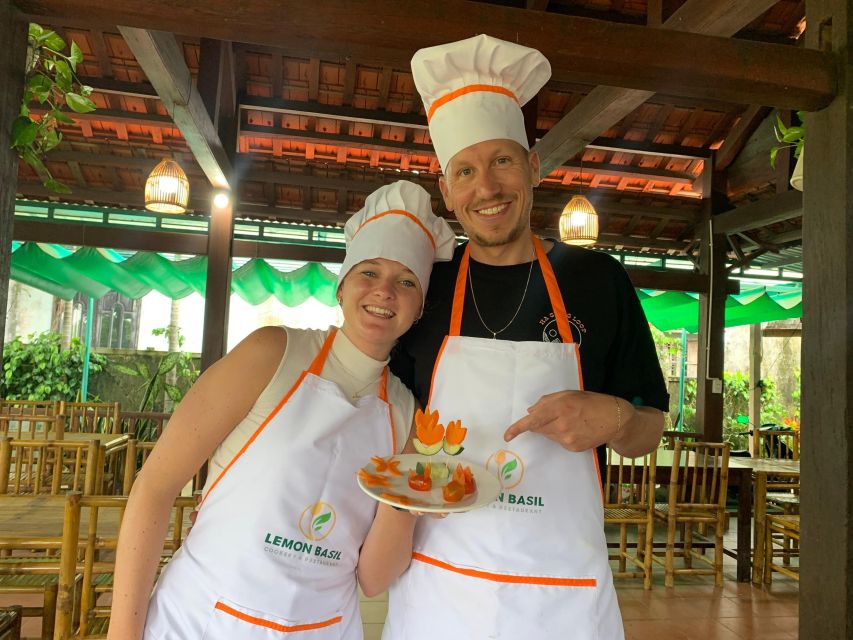
Hoi An has no shortage of cooking classes. The difference here is the setting: this takes place in Tra Que vegetable village, a working farm area that’s built around growing herbs and produce. Instead of just watching a chef plate food, you begin with ingredients that come straight from the garden world you’re standing in.
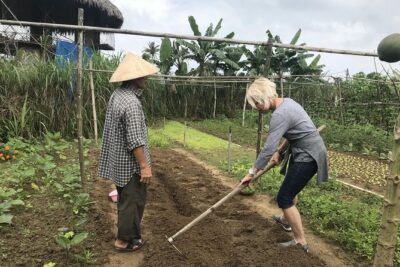
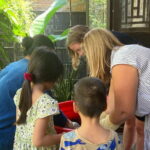
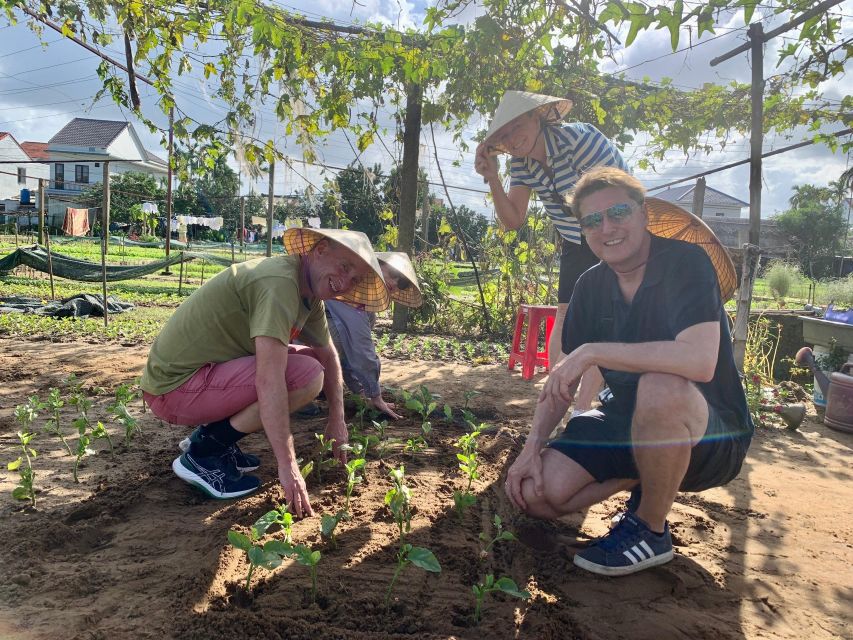
I like that the class is farm-connected in a practical way. You’re not just told about “fresh vegetables.” You’re shown what’s being grown and what’s in season, then you use it. In several reviews, people mention herb varieties, family garden time, and even getting involved with light farm tasks like watering and planting spinach. That kind of hands-on start matters, because it changes how you think about the meal you’re cooking.
You can also read our reviews of more cooking classes in Hoi An

The 3-hour flow: from garden tour to a shared table
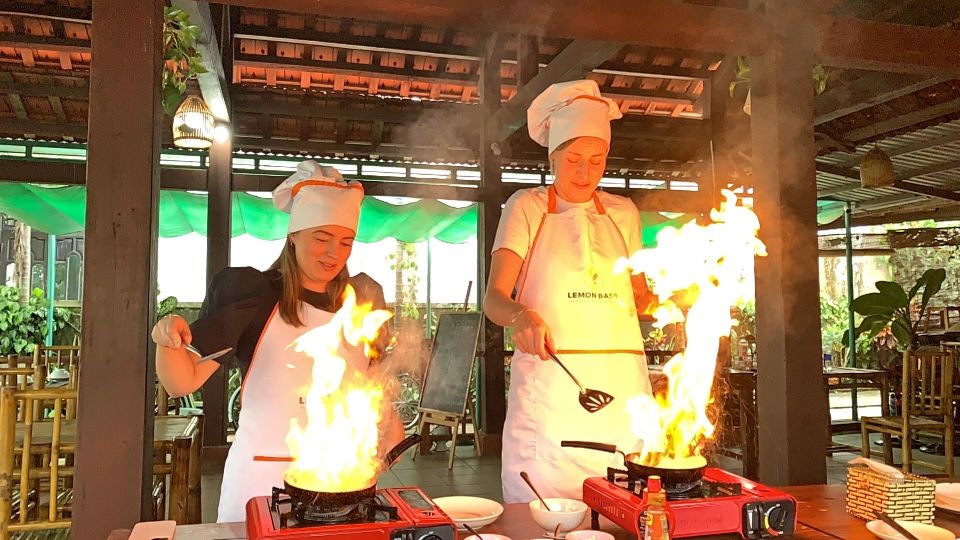
This is a 3-hour experience (listed as about 3 to 3.5 hours depending on the day). You’ll follow a simple rhythm: ingredients and herb learning first, then kitchen work, then eating together.
Here’s how the timing typically feels, with what to watch for at each step.
Stop 1: Introduction to organic ingredients and Tra Que spring rolls
You start with an organic farm tour. The focus is produce and herbs—especially the kind used for Tra Que spring rolls. Expect a guided walk through the growing areas and an explanation of what you’re seeing.
What makes this section useful is that it sets up your later cooking choices. When you know what herb does what, you’re less likely to treat the recipe like a checklist. You start noticing textures too: leafy greens, softer herbs, and how they’re handled before becoming part of a roll.
A few reviews also mention helping with simple tasks like watering crops or planting greens. Even if you don’t do much hands-on farming every time, you’ll still get the “why” behind how ingredients are cared for.
Stop 2: Kitchen time, where you learn by doing
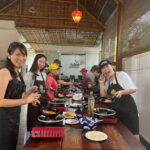
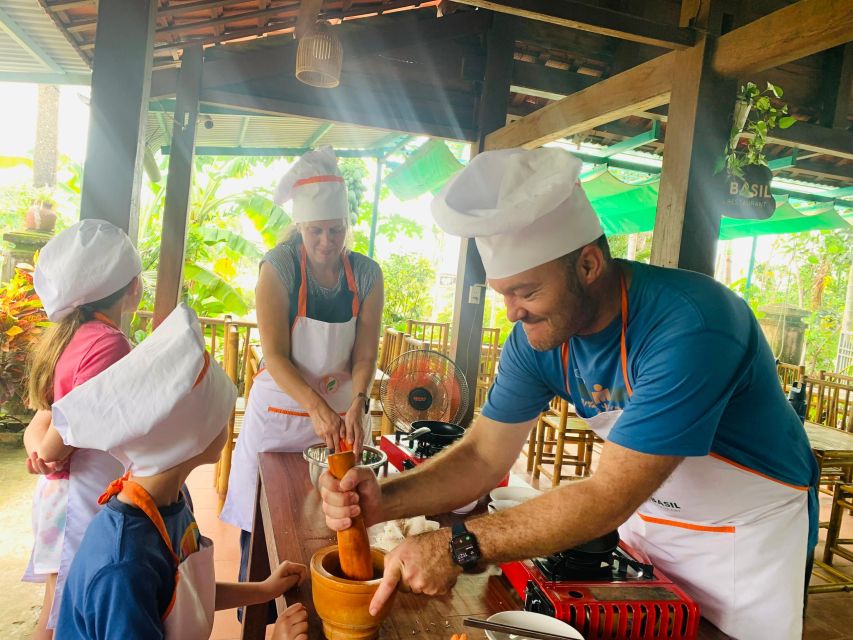
Next you move into the cooking area and get hands-on with the class recipes. This is where the instruction style shows up. In reviews, people repeatedly describe the chef as funny, attentive, and supportive—someone who can explain clearly in English and still make it feel relaxed.
You’ll cook four iconic dishes:
- Tra Que Spring Rolls
- Green Papaya Salad
- Fish in Clay Pot
- Vietnamese Crispy Pancake (Bánh Xèo)
Each dish teaches a different skill set:
- Spring rolls build your assembly and rolling confidence.
- Green papaya salad teaches balance—how sour, sweet, salty, and fresh work together.
- Clay pot fish is about cooking method and timing, with flavors developing in the pot.
- Bánh xèo requires heat control and technique, especially if you’re learning how to handle the batter and aim for that crisp texture.
Stop 3: Communal dining with what you cooked
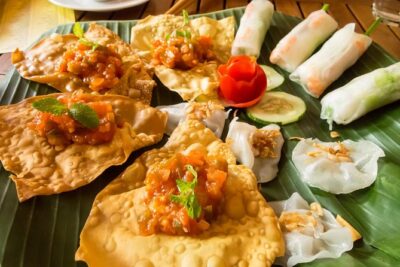
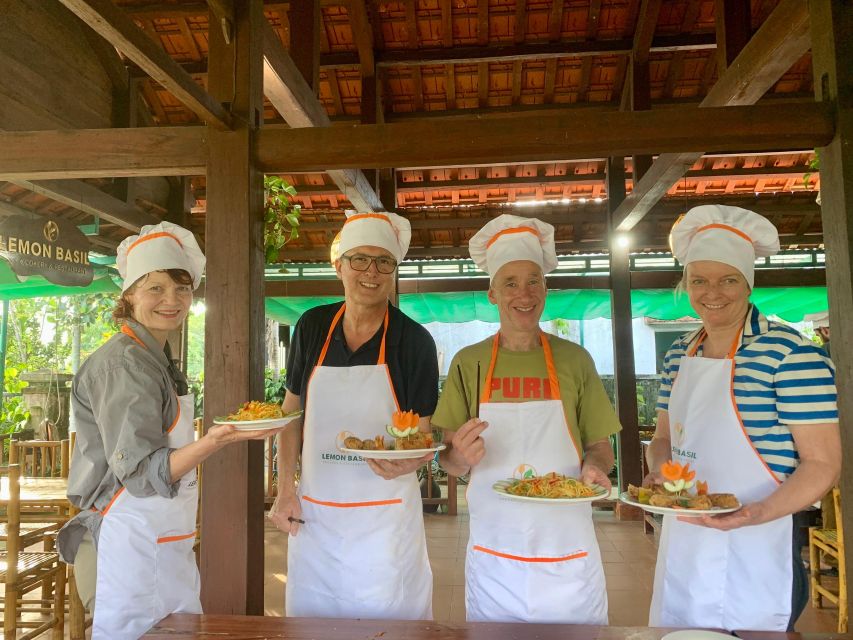
Finally, you sit down for a communal meal and eat the dishes you prepared. This part is surprisingly satisfying. You’re not rushed through a tasting. You get to enjoy multiple plates together, which makes it easier to compare flavors and textures—what turned out crisp, what’s brighter, what needs a squeeze of citrus, that kind of thing.
Several reviewers mention ending the meal with fresh fruit like mango, pink jackfruit, and lychees, and at least one person notes receiving fruit to take away. That’s not guaranteed in your booking details, but it’s a good sign of the overall meal flow and how they like to finish with something light.
After the meal, you’ll receive a certificate of completion, which is a nice touch if you like keeping proof of experiences.
You can also read our reviews of more tours and experiences in Hoi An
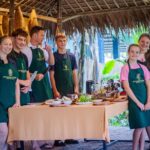
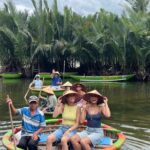

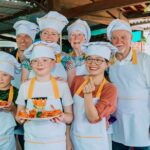

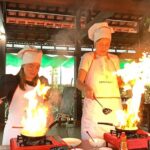
What you’ll actually cook: the four dishes in practical terms
Let’s talk about what these recipes mean for you, not just their names.
Tra Que Spring Rolls: fresh filling, real herb character
These spring rolls connect directly to the farm-to-table theme. You’re working with ingredients from the vegetable village environment, so you’ll taste herbs with more personality than you’d get from generic pantry herbs.
The main “skill” here is assembly and balancing fresh with the right wrapping approach. If you’ve ever struggled with spring rolls being too wet or falling apart, this style of class is set up to prevent that. You get support as you cook.
Green Papaya Salad: learning balance, not just chopping
Green papaya salad is often taught like a formula, but it’s really about flavor tuning. Sour from the papaya, saltiness, sweetness, and the brightness of herbs and aromatics all have to work together.
The class language about learning the nuances of balancing flavors is important. It means you’re not only making one version of the dish. You’re learning what to adjust if it tastes flat or too strong.
If you like spicy food, you’ll probably enjoy how you can tailor heat. The class also signals flexibility for different dietary needs, and reviews specifically mention allergy planning taking into account restrictions.
Fish in Clay Pot: method you can repeat later
Fish in a clay pot cooks differently than a typical stovetop method. The pot helps concentrate flavor and keeps the cooking style more gentle than high-heat frying.
Even if you don’t own a clay pot at home, the learning is transferable: how to build aromatics, how to keep fish moist, and how the pot changes timing and taste.
You’re also making a dish that feels “Vietnam” in the way people recognize and order it—one of those meals you can picture from restaurant memories, but you’ll build it yourself here.
Bánh Xèo (Vietnamese Crispy Pancake): the fun, slightly challenging one
Bánh xèo can go from impressive to chaotic if you don’t understand heat and batter consistency. This is one reason I like this class offering it: you get real technique practice.
In multiple reviews, people mention trying their best at flipping or making it crispy. That tells me the class sets you up to learn without pressure, and the chefs give enough guidance to get you moving in the right direction.
If you want a hands-on “I did that myself” win, this is often the moment.
Diets, allergies, and staying comfortable in the process
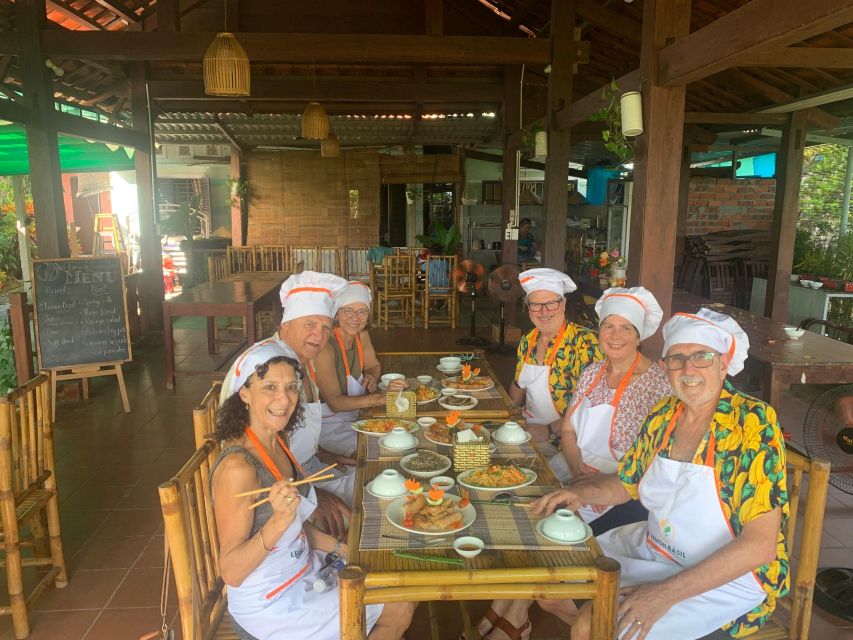
The class is described as flexible for all dietaries, and the practical instruction is straightforward: tell them your dietary restrictions in advance.
In at least one detailed review, a guest who didn’t eat pork says it was handled without issue. Another review emphasizes that allergies and intolerances were taken into account before cooking. That combination matters because it suggests the kitchen actually plans around the needs, not just “we can try.”
So here’s my advice: when you book, send clear details about what you avoid and what’s safe. If you’re vegetarian, gluten-free, or have allergies beyond pork, you can use the same approach—ask what can be adapted, because the class is set up for that kind of communication.
The value question: is $27 fair for what you get?
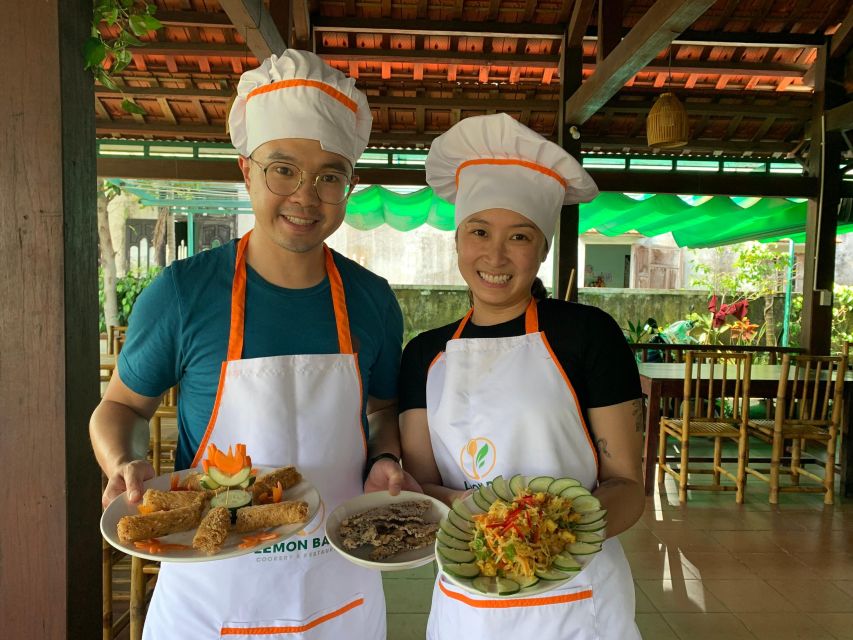
$27 per person for a 3-hour class with:
- an organic farm tour
- hands-on cooking
- ingredients for four dishes
- English-speaking chefs
- communal dining
- and a certificate of completion
…is solid value in my book. Cooking classes in popular destinations often vary, but the best ones include both (1) time and (2) real instruction. Here, you’re not just tasting—you’re making.
What makes it feel like a good deal is the blend: you get farm context plus kitchen time. If you’re paying for a cooking class only to learn recipes, you may feel like you missed the culture. If you’re paying for “farm experience” only, you may never get confident in cooking. This one gives you enough of both to justify the cost.
The one trade-off is that transport isn’t included. If you’re staying far from Tra Que or need a taxi each way, that adds to your effective cost. Still, the activity itself looks priced to deliver a lot for the time.
Getting there: easy access, but you handle your own ride
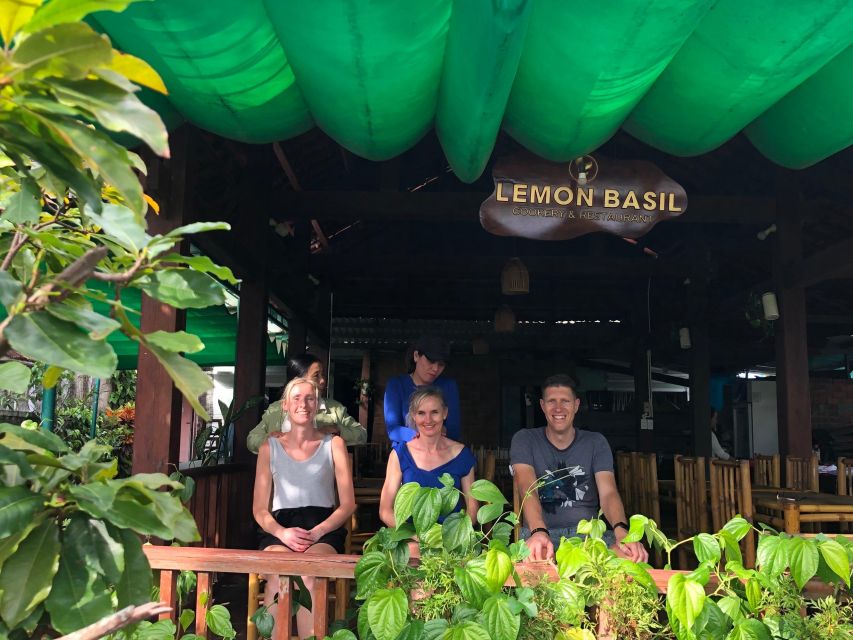
The meeting point is Lemon Basil Cookery & Restaurant, located in the heart of Tra Que vegetable village. You’re asked to arrive 5–10 minutes before the scheduled start.
Because pickup isn’t included, I recommend you plan your route in advance and give yourself buffer time. Tra Que can be easier than big-city navigation, but it’s still better to arrive early than to rush through the farm part at the end of your trip window.
If you’re already biking around Hoi An’s countryside areas, this kind of location can be a nice match. One reviewer even mentions the area as good for biking and grabbing a coffee nearby—so if you enjoy being outdoors between activities, this setting makes sense.
Who this class suits best (and who might choose differently)
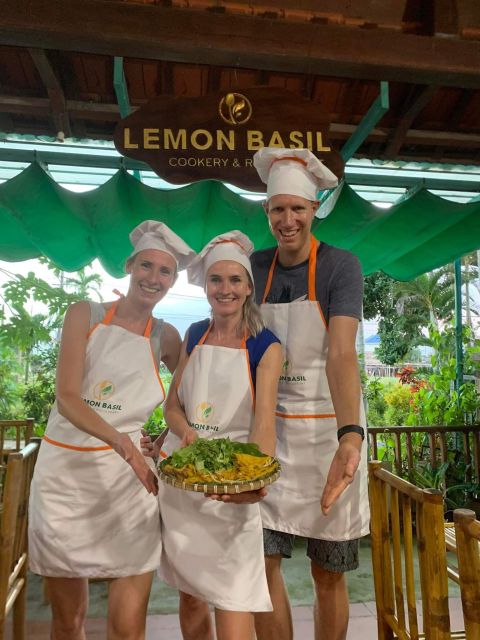
This cooking class is a great fit if you want:
- hands-on Vietnamese cooking with guidance in English
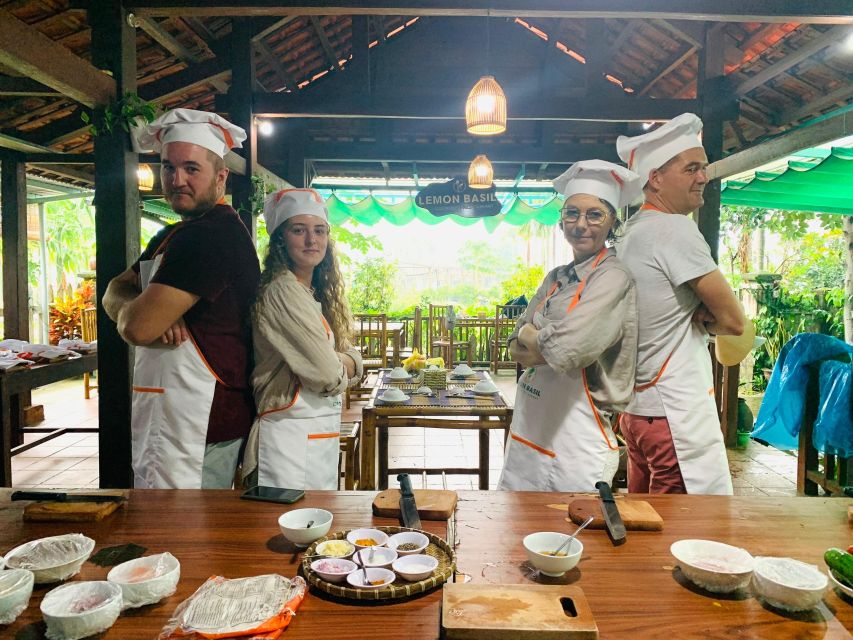
- a small group experience (limited to 10)
- a farm component that actually feeds into the meal
- a mix of classic dishes that represent different cooking styles
It’s also a strong choice for people who want confidence, not just entertainment. Multiple reviews highlight that the chef is accessible for different levels, and the class structure supports beginners who are still learning chopping, mixing, and cooking technique.
You might consider another style of class if:
- you strongly prefer hotel pickup included in the price
- you want a longer, multi-course meal structure (this one is timed to 3 hours)
- you want strict vegetarian/vegan-only dishes and want a totally meat-free menu without discussion (this class is flexible, but the exact lineup for special diets isn’t spelled out in the provided details)
Final verdict: should you book Lemon Basil Cookery & Restaurant?
If you’re in Hoi An and you care about value, this is an easy “yes” for most people. Organic farm tour + four cooked-from-scratch Vietnamese classics + English coaching + small group is exactly the mix I look for when I want a hands-on experience that also feels culturally grounded.
Book it if you:
- like the idea of starting outside in the garden first
- want to learn dishes you’ll remember ordering in restaurants back home
- enjoy a friendly, slightly silly teaching vibe that still gets you cooking
Skip it only if the no-pickup detail would make logistics annoying for your specific schedule, or if you want a very structured vegetarian-only menu without any need to communicate dietary limits.
FAQ
Where do I meet the cooking class?
You meet at Lemon Basil Cookery & Restaurant, located in the heart of Tra Que vegetable village.
How long is the class?
The class duration is listed as 3 hours (about 3 to 3.5 hours).
Is hotel pickup included?
No pickup service is included. You’ll need to arrive independently.
What dishes will I learn to cook?
The class includes ingredients and cooking for four dishes: Tra Que spring rolls, green papaya salad, fish in clay pot, and Vietnamese crispy pancake (Bánh Xèo).
Is the class taught in English, and how many people are in the group?
Yes, it’s taught by English-speaking chefs. The group is small, limited to 10 participants.
Do I get anything at the end?
Yes. You’ll receive a certificate of completion, and you’ll also enjoy a communal dining meal of the dishes you prepare.