REVIEW · HOI AN
My Son Sanctuary with seeing Sunset or Sunrise
Book on Viator →Operated by Billy Vietnam Travel · Bookable on Viator
That late-day light hits differently at My Son. This tour links temple ruins, Apsara dance, and a Hoai River sunset into one easy afternoon, with a small group and an English-speaking guide. I especially like the contrast: stone towers first, then river glow and lantern wishes. One thing to consider is that the timing is built around evening conditions, so you’ll want to be flexible if weather turns ugly.
You also get a stop at Thanh Ha Pottery Village, where the craft is handmade from terra cotta clay taken from nearby riverbeds. I like that it gives you more than “ruins photos”—it adds everyday local material culture before you head to the sacred site. The group stays small (max 10), so you’re not shuffled along like baggage. The main drawback: it’s a short, packed-style visit, so if you want lots of wandering time alone, you may feel lightly rushed.
In This Review
- Key Highlights You’ll Feel Immediately
- My Son at Golden Hour: Why This Ruin Visit Works
- Getting There Without Turning It Into a Full-Day Event
- Thanh Ha Pottery Village: Clay That Connects You to the Region
- My Son Sanctuary: The Towers, the Story, and the Sanctuary Plan
- Apsara Dance Performance: Champa Royal Traditions in Action
- The Boat Ride on Hoai River: Sunset Plus a Wish
- What’s Included, What’s Not, and What That Means for Value
- Practical Notes: Photos, Timing, and Staying Comfortable
- Who This Sunset-Oriented Tour Is For
- Should You Book This Tour?
- FAQ
- What time does the My Son sunset tour start, and how long is it?
- Is pickup offered for this experience?
- How many people are in the group?
- Is admission to My Son Sanctuary included?
- What’s included in the tour price?
- Are tips included?
- What performance do you see during the tour?
- Is the experience using a mobile ticket?
- What happens if the weather is poor?
Key Highlights You’ll Feel Immediately
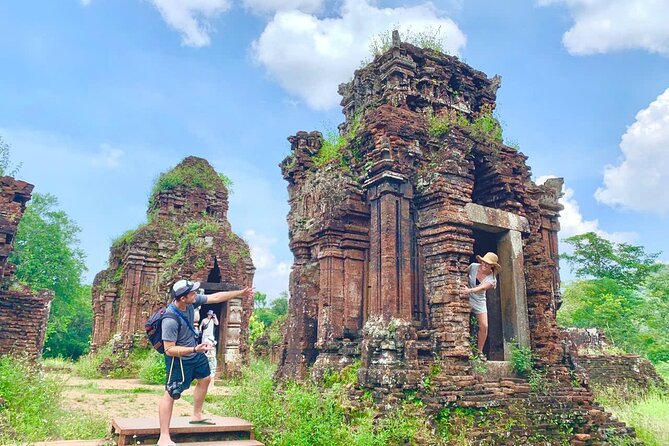
- My Son’s temple towers: dramatic remains from the Champa Kingdom’s religious and political center
- Apsara dance performance: the Ancient Champa Royal dance revived locally
- Hoai River sunset by boat: built into the schedule with time to watch and relax
- Paper lantern release with a wish: a simple, emotional touch that fits the place
- Thanh Ha pottery stop: handmade terra cotta clay craft from nearby riverbeds
- Small group (max 10): easier questions, plus better photo help
My Son at Golden Hour: Why This Ruin Visit Works
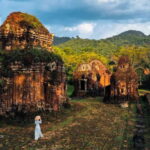
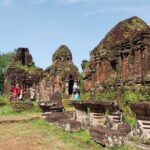
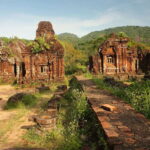
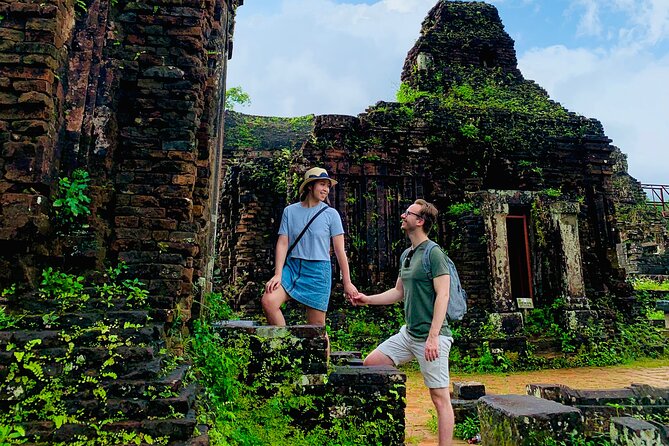
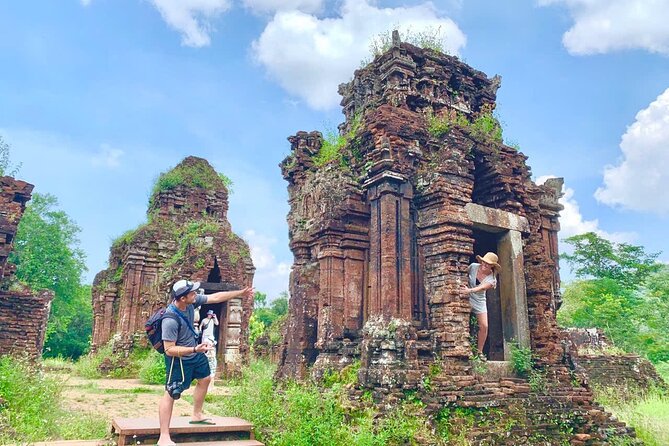
My Son is one of those places where the setting does half the storytelling. You’re surrounded by a dramatic site and lush greenery, and the stone towers feel grounded in their environment instead of dropped into it. The timing matters too. The late-day departure from Hoi An makes it easier to catch softer light on the ruins and keep the day from feeling like a full, exhausting slog.
What makes the experience click is the way you get guided context before you start looking closely. Your local English-speaking guide gives you an overview of the Holy Land region and points out the remaining clusters of temple towers—so you’re not just seeing scattered structures. You’ll also learn about the sanctuary plan and how the culture that developed between the 4th and 13th centuries connected spiritual origins to Indian Hinduism, right on the coast of what’s now Vietnam. That background turns your “pretty ruins” moment into an actual “I get what I’m seeing” moment.
The site is also emotionally easy to enjoy. You can stand in the open and still feel the sense of a former sacred center. And if you’re a photo person, the ruins give you lots of angles that don’t feel staged.
You can also read our reviews of more evening experiences in Hoi An


Getting There Without Turning It Into a Full-Day Event
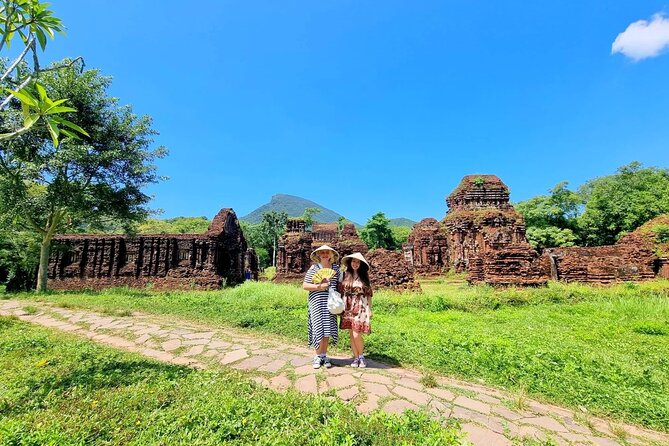
This is a practical afternoon plan. You start at 2:30 pm and reach My Son’s Holy Land in about one hour. That’s a big deal in Hoi An, where heat and traffic can eat your day fast. Instead of spending half your trip just commuting, you get moving, learn on the way, then arrive with enough time to see the key parts.
You’ll ride in an Hoi An private car and have a guide along with you. If you care about comfort, this is one of the reasons the tour feels smooth: the travel time is contained, and the plan keeps pulling you forward.
Group size is capped at 10 travelers, which is another underrated win. It means your guide can pause and answer questions without the “everyone hold up, one person wants a photo” chaos you sometimes get on bigger tours.
Thanh Ha Pottery Village: Clay That Connects You to the Region
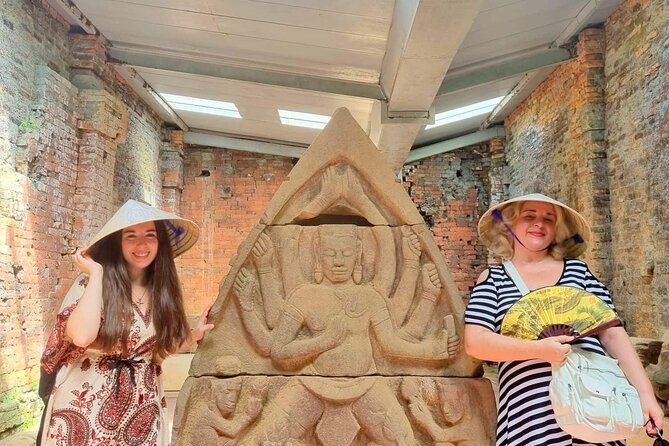
Between the temple time and the river time, you’ll stop at Thanh Ha Pottery Village. The best part isn’t just that pottery exists—it’s how it’s made. You’ll learn that the craft is manually created from terra cotta clay taken from nearby riverbeds. That clay is shipped worldwide, which gives you a neat sense of scale: a local material tradition that traveled far beyond its origin.
Even if you’re not shopping for souvenirs, this stop helps you reset your brain after temple history and before river sunset. It’s hands-on cultural texture. And if you do want to buy something, you’re coming here with context, not just “here’s a shop.”
Time can be a little tight depending on pacing, but it’s long enough to understand what makes Thanh Ha’s pottery distinctive and why it’s worth a visit in a Hoi An itinerary.
My Son Sanctuary: The Towers, the Story, and the Sanctuary Plan
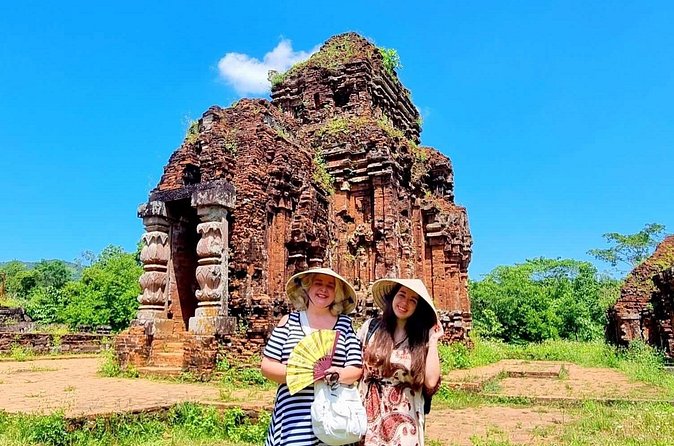
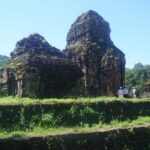
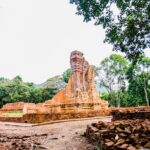
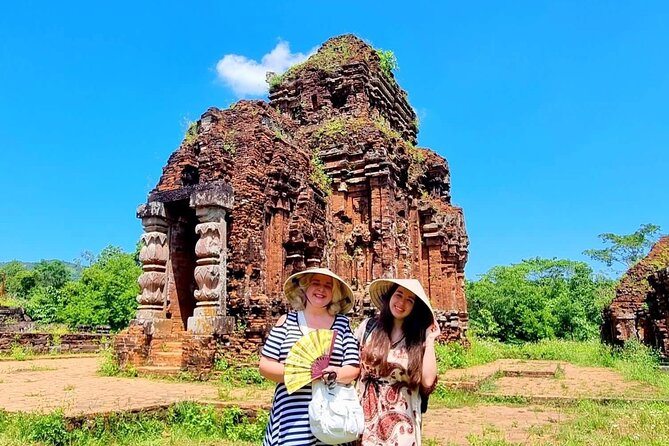
At My Son Sanctuary, you’re stepping into a place tied to the Champa Kingdom’s religious and political life for centuries. The remains are visually clear: you’ll see the tower-temples and a site laid out in a dramatic setting. But the difference between a basic stop and a memorable one is interpretation.
Your guide’s role here matters. You’ll get an overview of:
- the Holy Land region and what’s left today
- remaining clusters of temple towers and how they relate to the overall sanctuary
- the sanctuary plan, so the site doesn’t feel random
You’ll also hear about how a unique culture developed between the 4th and 13th centuries, with spiritual roots connected to Indian Hinduism. That’s useful because without that context, you might miss why the architecture looks the way it does and why the site matters beyond aesthetics.
Also, consider timing and energy. This isn’t a “wander for hours” visit. It’s designed to fit the afternoon-to-sunset arc. So, if you like deep, slow exploration, plan to return to Vietnam’s other heritage sites later in your trip. If you like focused visits with explanations, this hits the sweet spot.
Apsara Dance Performance: Champa Royal Traditions in Action
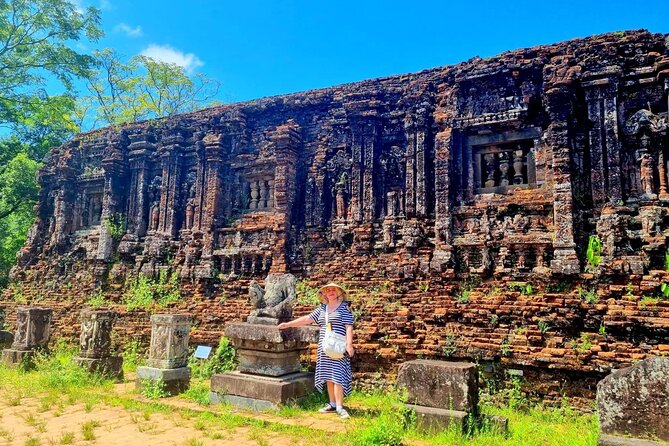
One of the most praised parts of this tour is the chance to watch an Apsara dance performance. This isn’t described as generic dancing. It’s tied to the Ancient Champa Royal dance, revived by local people and supported by the local government.
Why this matters: you’re not just learning from stones. You’re seeing a living cultural piece that matches the historical frame you heard about for My Son. It also adds contrast to the day. Temples are static. Dance is timing, movement, and costume details—so your understanding sticks better.
If you’re the type who thinks, I’ll skip performances, this might be the one exception. When it’s presented as revived royal tradition linked to the same cultural world, it feels less like entertainment and more like a bridge.
You can also read our reviews of more tours and experiences in Hoi An

The Boat Ride on Hoai River: Sunset Plus a Wish
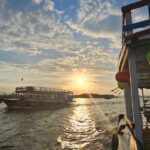
After the sanctuary time, you’ll head back toward the river and switch to a boat heading back along the Hoai River. This is the part designed for the big payoff: you’ll have time to see the sunset from the water.
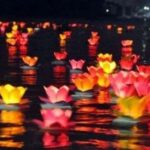
There’s something special about watching the sky change colors from a boat—less dust, fewer crowds in your way, and a slower rhythm that fits the quiet mood of temples. The tour also gives you a gentle activity during the ride: you can release paper lanterns on the river with a wish for your beloved one.
It’s simple, but it’s memorable. And it’s the kind of moment that doesn’t need you to be a “perfect photo person” to feel meaningful. If you’re traveling with someone you care about, this is where the trip turns into a story you’ll keep telling.
Weather can affect comfort here. If it’s rainy, the vibe can shift—but the boat and sunset experience still sits at the center of why this tour is worth doing in the first place.
What’s Included, What’s Not, and What That Means for Value
This tour is priced at $50.29 per person and usually gets booked about 16 days in advance, which tells me it’s a popular, well-timed slot. The value comes from bundling the key costs together instead of nickel-and-diming you.
Included:
- Admission ticket included for My Son
- Bottled water and snacks
- Lanterns
- Hoi An private car
- Local English-speaking tour guide
Not included:
- tips
- personal expenses
Here’s how I think about value: you’re getting private transport, a guided heritage explanation, a craft stop, a cultural performance opportunity, plus the boat ride and lantern materials. That’s a lot packed into 2–3 hours, and the total cost stays reasonable because you’re not paying separate admission and separate transport segments on your own.
If you prefer to travel with minimal logistics, this is where the pricing feels fair. If you’re the type who enjoys fully self-planned days, you might be able to build something similar cheaper. But you’ll likely spend more time coordinating. This tour trades a bit of freedom for a smooth timeline and a guide.
Practical Notes: Photos, Timing, and Staying Comfortable
The tour runs in a tight window, so think in layers. Temple sites can feel bright and hot mid-afternoon, then turn cooler near water at sunset. You’ll also be outside during the sanctuary portion and on the boat, so plan for comfort rather than just aesthetics.
For photos: ruins + lanterns + sunset = great shots, but motion blur happens if you wait too long. Keep your phone/camera accessible. It also helps if you’re okay with your guide helping with picture angles and timing, which can make your photos look less awkward and more like you knew what you were doing.
Also, the tour is designed for most travelers. It’s not described as restricted, and the group stays small, so it tends to work well even for people who don’t love long hikes.
If you’re sensitive to heat, ask your guide about timing preferences in general. There’s experience within this company of suggesting earlier visits to avoid the worst heat, even though this specific schedule is for the late-day sunset arc.
Who This Sunset-Oriented Tour Is For
Book this if you want:
- My Son without turning your day into a logistics problem
- a guided explanation so the sanctuary plan makes sense
- a cultural performance (Apsara) that connects to the same historical world
- a river sunset moment, plus lantern release, as a meaningful finale
- a small group experience with room for questions
Skip it if you:
- want a long, slow, unguided exploration
- hate boat rides in uncertain weather
- need a very flexible schedule that isn’t tied to sunset timing
This is also a good match for couples and friends. The lantern wish moment and the boat timing are easy to share, and it’s an experience that feels different from a standard temple visit.
Should You Book This Tour?
Yes, if you like your heritage with context and your evening with a payoff. The mix of My Son Sanctuary, the Thanh Ha pottery stop, the Apsara dance opportunity, and the Hoai River sunset with lanterns is the kind of itinerary that saves you time while still giving you multiple ways to connect with Champa culture.
If you’re on the fence, do this simple check: can you comfortably spend an afternoon (starting 2:30 pm) outdoors, and can you handle the weather possibly affecting the feel of the sunset/boat portion? If yes, this tour is a strong value for the amount of guided content and included experiences you get in 2–3 hours.
FAQ
What time does the My Son sunset tour start, and how long is it?
The tour starts at 2:30 pm and runs for about 2 to 3 hours.
Is pickup offered for this experience?
Yes, pickup is offered.
How many people are in the group?
The tour has a maximum of 10 travelers.
Is admission to My Son Sanctuary included?
Yes, the admission ticket is included.
What’s included in the tour price?
It includes bottled water, snacks, lanterns, a Hoi An private car, and a local English-speaking tour guide.
Are tips included?
No. Tips and personal expenses are not included.
What performance do you see during the tour?
You’ll have the opportunity to see an Apsara dance performance, described as the Ancient Champa Royal dance revived by local people and government.
Is the experience using a mobile ticket?
Yes, it includes a mobile ticket.
What happens if the weather is poor?
This experience requires good weather. If it’s canceled due to poor weather, you’ll be offered a different date or a full refund.