REVIEW · HOI AN
Hoi An Countryside Discovery Tour By Motorbike – Local food
Book on Viator →Operated by TC Hoi An Travel · Bookable on Viator
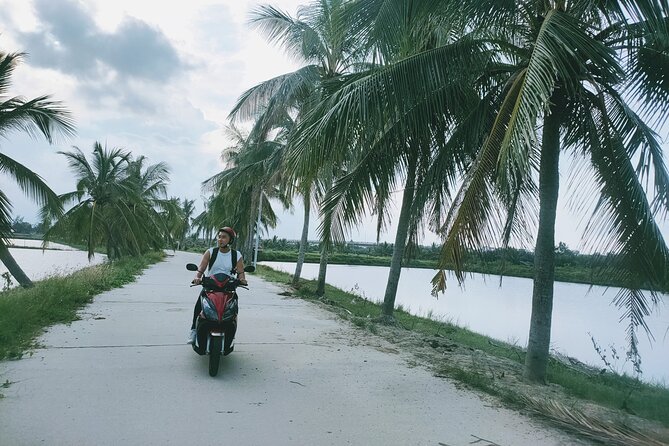
Hoi An looks different once you leave the river. This half-day Thu Bon River delta tour gets you off the Old Town paths and into real village routines, using a chauffeur-driven motorbike to reach lanes bigger vehicles can’t. You’ll do hands-on crafts, get on the water, and end with a home meal that feels like you’re visiting someone local—not just passing through.
Two things I really like are the purple crab fishing experience and the maker-style stops for rice paper (plus mat weaving). You’re not just watching; you’re participating in small, practical steps that connect food and daily life in this part of Vietnam. A possible drawback: it runs on good weather and you’ll be riding a motorbike (with a professional driver), so it helps to have a moderate fitness level and comfort with the pace.
In This Review
- Key highlights at a glance
- Why the Thu Bon River delta beats staying in Hoi An Old Town
- Your half-day schedule: what 4 hours feels like
- Kim Bong carpentry village: woodworking you can touch
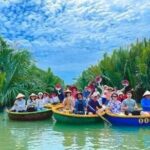
- Cam Thanh basket boat ride: slow water movement, local rhythms
- Purple crab fishing from a bamboo boat: the delta’s best hands-on moment
- Mat weaving experience and rice paper making: turning daily life into craft
- The home meal: what the light lunch is really for
- The guide factor: Tai and Cường set the tone
- Price and value: is $55 a fair deal?
- Who this tour suits best (and who should consider alternatives)
- Should you book this Hoi An countryside discovery tour?
- FAQ
- How long is the Hoi An countryside discovery tour?
- Is pickup from my hotel included?
- What activities are included during the tour?
- What’s included in the price?
- Do I need a certain fitness level?
- Is travel insurance included?
- What happens if the weather is bad or I cancel?
Key highlights at a glance
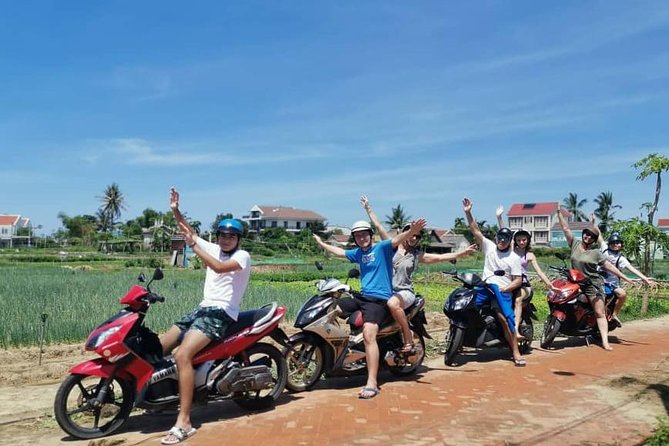
- Motorbike access to narrow countryside lanes you can’t reach any other way
- Purple crab fishing from a bamboo boat in the delta waters
- Basket boat ride in Cam Thanh village for a slower, watery view
- Rice paper + mat weaving with hands-on practice alongside local families
- Kim Bong carpentry stop where you can carve your name on wood
- A light home-cooked meal served with a local family
Why the Thu Bon River delta beats staying in Hoi An Old Town
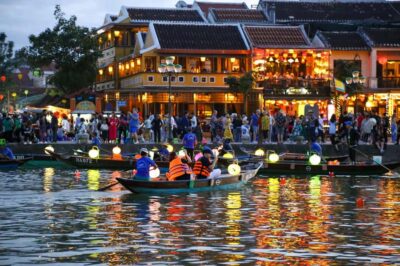
The value of this tour is simple: you get out into the Thu Bon River delta and see what life looks like when the tourist centers go quiet. Hoi An is lovely, but the Old Town gets busy fast. Here, the focus is calmer—waterways, craft work, and small family businesses that keep running day after day.
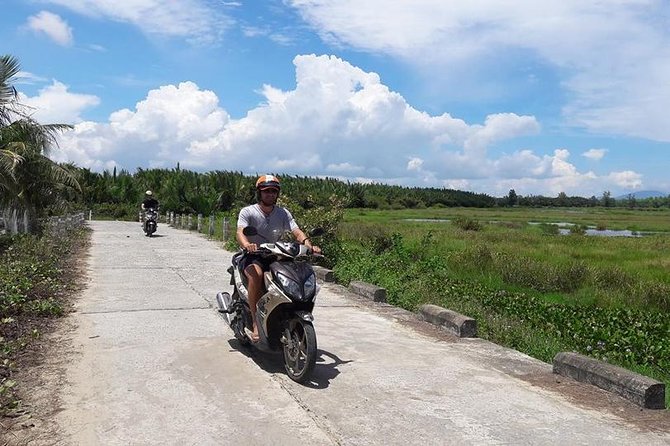
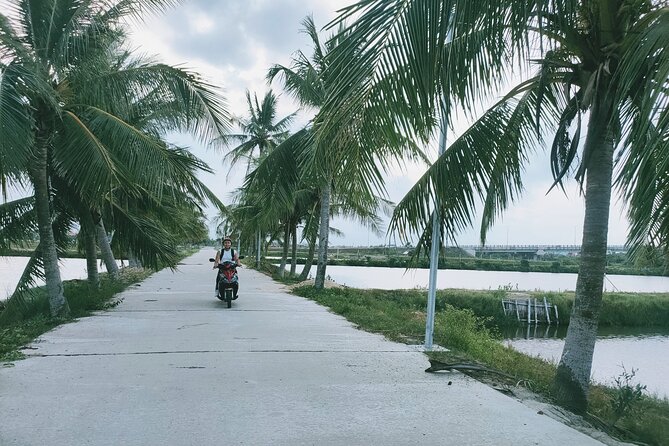
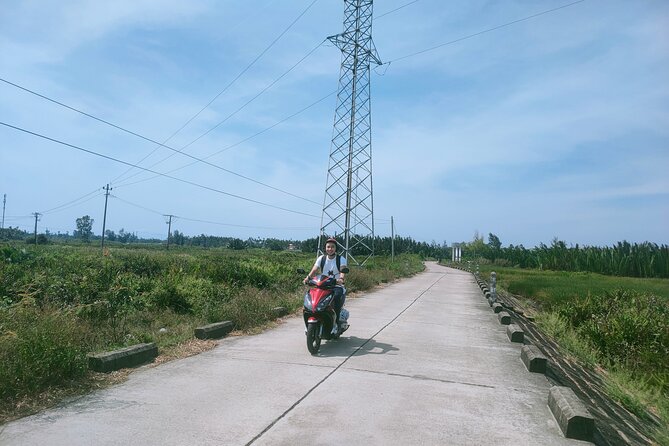
The motorbike format matters more than it sounds. Riding with a professional driver lets you move quickly between village stops while still getting into the kind of lanes where you’d never end up on your own. You trade big-group sightseeing for a closer look at how people earn a living.
And because you’re doing multiple activities, the countryside doesn’t feel like a single photo stop. It becomes a sequence: workshop → village waterways → hands-on food practice → a meal at home.
You can also read our reviews of more food & drink experiences in Hoi An

Your half-day schedule: what 4 hours feels like
This is an approx. 4-hour experience with pickup offered from your central Hoi An hotel area, plus a relaxed return back to your hotel at the end. You’ll also get bottled water during the tour, and there’s an English-speaking guide with you throughout.
Plan to ride behind the driver during the motorbike portions. That’s part of the fun for many people, but it’s also why a moderate fitness level helps—mainly for sitting comfortably, moving between stops, and handling some uneven or rural surfaces.
Timing is steady, not rushed. The tour includes several short, meaningful activities rather than one long performance. You’ll spend enough time at each stop to do something yourself—carve, weave, fish, or cook-style prep—then move on before the day turns into one blur.
One more practical note: the tour requires good weather. If conditions are poor, you’ll either get a different date or a full refund, so keep an eye on the forecast if you’re booking for a specific day.
Kim Bong carpentry village: woodworking you can touch
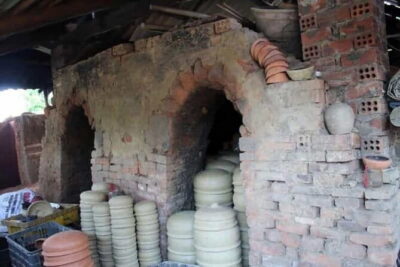
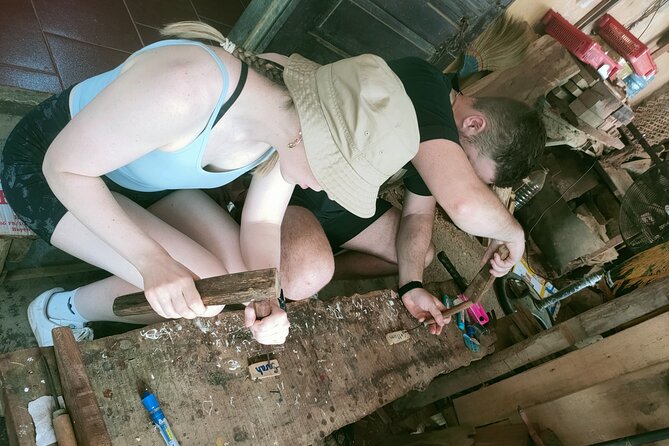
One of the best parts here is that you start with real craft work instead of only scenic stops. The tour visits a traditional woodworking village in the Kim Bong area, where you can observe local artisans at work and try a small keepsake activity by carving your name on wood.
That detail matters because it turns “watching” into “making.” You get to understand the rhythm of woodworking—cut, shape, and finish—without needing a workshop background. Even if you only carve a name, it’s still a hands-on souvenir that feels connected to the place.
There’s also something grounding about seeing craftsmanship in a working environment. You’re not just viewing artifacts behind glass. You’re watching people do the same sort of tasks that support everyday family life in the area.
Possible consideration: woodworking is visual and tactile, so if you’re expecting a purely cultural talk, you might want to ask your guide extra questions. The guide is there for English support, and it helps to use that time.
Cam Thanh basket boat ride: slow water movement, local rhythms
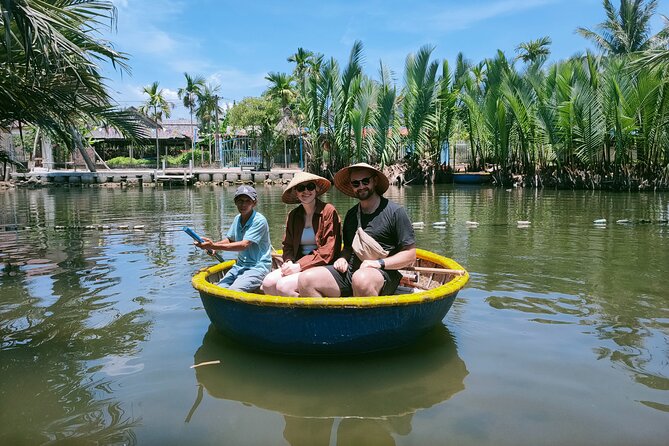
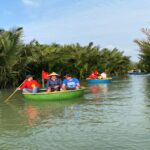
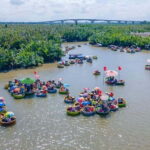
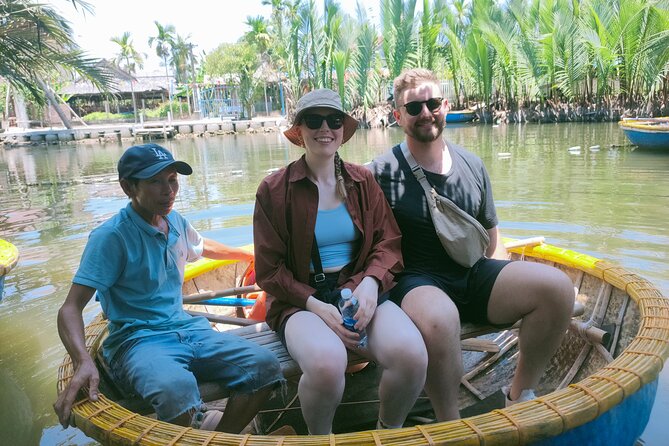
After the carpentry stop, you head toward the village waterways. In Cam Thanh village, you’ll take a basket boat ride, which is a great contrast to the road travel.
This is the kind of activity that changes your perspective. From the water, you notice how villages are shaped by channels and seasonal water movement. The pace feels different too—less road noise, more quiet scenery, and more time to look around at how people live close to the delta’s water system.
A basket boat ride also fits the tour’s overall style: practical, not performative. You’re experiencing a local method of boating rather than sitting in a “tour boat” that feels generic.
What to watch for: if you’re someone who gets easily motion-sick on small boats, bring that up ahead of time. The tour description doesn’t specify roughness or wetness, so you’ll want to rely on your comfort level and your guide’s safety guidance.
Purple crab fishing from a bamboo boat: the delta’s best hands-on moment
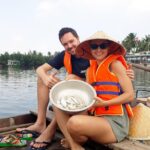
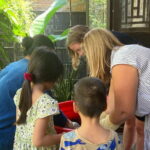
The most memorable action for many people is fishing for purple crabs from a bamboo boat. This is exactly the kind of activity that makes the countryside feel alive—hands in, eyes sharp, and quick teamwork even if you’re not fishing for a living.
You’ll learn as you go, and the setup is simple enough to be approachable. The practical joy is that you’re doing an activity tied directly to local food and daily work, not a staged “look at this” stop.
This is also a photo-and-story moment. Even if you don’t land a crab instantly, you’ll remember the feeling of being on the water during the work cycle.
Consideration: crab fishing can mean getting closer to water and getting a bit wet depending on how it’s run. The tour includes bottled water, but it doesn’t mention extra gear like ponchos, so wear footwear and clothing that you don’t mind getting damp.
You can also read our reviews of more tours and experiences in Hoi An



Mat weaving experience and rice paper making: turning daily life into craft
Two workshop-style stops are the heart of the “local food” theme: mat weaving and rice paper making.
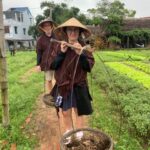
First, you’ll explore and participate in the mat weaving process with a family that keeps this craft going. The emphasis is on doing, not just observing. As you work with the materials, you start to understand why weaving matters here—because it’s practical, saleable, and usable in everyday settings.
Then comes rice paper. You’ll learn how rice paper is made in a traditional way. Rice paper isn’t just a product in a package; it’s a technique that has supported local families for generations in the area.
Why I think this is more valuable than a cooking class that only teaches a final dish: you learn the “why” behind the food. When you understand rice paper’s steps, the Vietnamese cuisine you eat afterward makes more sense—not just as flavors, but as methods and textures.
Practical note: the tour includes weaving a sleeping mat and making rice paper. If you have limited hand mobility or don’t like repetitive fine-motor tasks, tell your guide at the start. They can often pace you so you can still participate comfortably.
The home meal: what the light lunch is really for
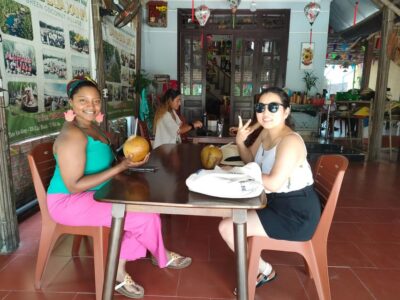
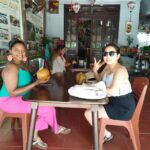
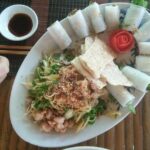
At the end, you’ll enjoy a light meal at a local family’s home. The tour description calls out special local dishes, and this is the time where the whole morning clicks together.
A home meal on this kind of tour is useful for two reasons. First, you’re eating the local food ecosystem you just learned about through rice paper and weaving stops. Second, it’s a relaxed wrap-up—less museum energy, more everyday conversation and shared food.
Because the meal is described as light, it’s meant as a satisfying finish, not a heavy full restaurant lunch. I suggest treating it as part of your itinerary calories, then planning a simple dinner afterward.
If you’re picky or have dietary concerns, this is the one place you should be clear ahead of time when you book. The tour data doesn’t list dietary accommodations, so messaging your needs early is the safest bet.
The guide factor: Tai and Cường set the tone
The biggest consistent praise around this tour is the guide experience. Names that come up include Tai and Cường, both recognized for English communication and for making the tour feel relaxed instead of scripted.
I love this approach because countryside tours can go two ways: either you feel rushed through stops, or the day feels human. When a guide is patient and flexible—especially with families—your time at the crafts and on the water becomes easier to enjoy.
One more thing: guides who can explain what you’re doing (why rice paper takes shape a certain way, what mat weaving materials mean, how the woodworking village works) help you notice details you’d otherwise miss.
If you want a more personal experience, ask questions while you’re actually at each stop. The best moments happen when you’re hands-on and the guide can tie your activity back to local life.
Price and value: is $55 a fair deal?
At $55 per person for about 4 hours, this tour can be good value, mainly because several costs are included. Your price covers bottled water, an English-speaking guide, fuel, entrance fees, the hands-on craft activities, and the light meal.
That matters because countryside tours often add up when you pay separately for boat activities, workshop fees, and local entry points. Here, the structure is built around doing multiple paid experiences in one half-day.
Also, the motorbike transportation isn’t just “getting there.” It’s part of why the tour works—access to narrow lanes and local routes. When transport is bundled with the actual activities, you get more time doing the fun stuff instead of planning it all yourself.
How to think about the price: if you want a single organized morning that combines crafts, water time, and a home meal, you’re paying for convenience plus access. If you’d rather travel slowly by yourself and only pick one activity, then you might compare costs—but for a planned half day with variety, $55 looks reasonable.
Who this tour suits best (and who should consider alternatives)
This works especially well if you like active sightseeing. You’ll be on a motorbike, riding a basket boat, doing bamboo boat crab fishing, and joining mat weaving and rice paper making. That blend keeps it from feeling like a checklist.
It also seems family-friendly in practice. People have done it with teens and mixed ages and still found it enjoyable, largely because the tour is structured around short hands-on experiences rather than long walking marathons.
I’d consider it less ideal if:
- You don’t feel comfortable riding a motorbike for part of the day
- You dislike water activities or you’re very sensitive to getting wet
- You prefer a purely relaxing sightseeing day with minimal effort
The good news is that the tour is designed for participation. Even if you’re not a “craft person,” the activities are the kind where curiosity and willingness beat skill.
Should you book this Hoi An countryside discovery tour?
I’d book it if your priority is local life outside the Old Town. The combination of craft practice, water-based delta activities, and a home-cooked meal gives you a full-sensory snapshot of what people in this region actually do.
I’d skip—or at least rethink—if you want only scenic photo stops, because this tour is intentionally hands-on. It also depends on weather, so check conditions close to departure.
If you can ride comfortably, enjoy learning from a guide, and don’t mind getting a little involved, this is one of the smarter ways to spend a morning around Hoi An.
FAQ
How long is the Hoi An countryside discovery tour?
The tour lasts about 4 hours.
Is pickup from my hotel included?
Yes. Pickup is offered from central Hoi An, and the tour returns you back to your hotel.
What activities are included during the tour?
You’ll tour the Thu Bon River delta by motorbike, visit a traditional woodworking village, do a mat weaving experience, learn to make rice paper, ride a basket boat, and fish for purple crabs from a bamboo boat.
What’s included in the price?
The price includes bottled water, an English-speaking guide, fuel, all entrance fees, motorbike riders (you sit behind the driver), mat weaving and rice paper making materials/activities, and a light meal.
Do I need a certain fitness level?
The tour recommends a moderate physical fitness level.
Is travel insurance included?
No. An insurance fee is not included.
What happens if the weather is bad or I cancel?
The tour requires good weather. If it’s canceled due to poor weather, you’ll be offered a different date or a full refund. You can cancel for a full refund up to 24 hours in advance.