REVIEW · HOI AN
Hoi An: Hands-on Vietnamese Coffee Making Class with Long
Book on GetYourGuide →Operated by Thao Nguyen Travel Company · Bookable on GetYourGuide
Vietnamese coffee tastes better when you make it. In Hoi An, the Tri Long Coffee shop class with instructor Long turns small-batch roasted beans into whichever drink you choose—phin filter, egg coffee, salt coffee, or coconut coffee—plus you get the stories behind how Vietnamese coffee became café culture.
I especially like the hands-on brewing, because you’re not just watching. You’re mixing, filtering, and tasting your way toward better coffee choices. One thing to consider: it’s not suitable for wheelchair users or people with mobility impairments, so plan accordingly.
In This Review
- Key things you’ll like
- Tri Long Coffee Shop: where you start in central Hoi An
- Learning Vietnamese coffee: the crop-to-cup story that makes the drinks click
- Pick your style: phin filter, egg, salt, or coconut
- Hands-on brewing in about an hour: what happens during the class
- Coffee taste vs. coffee technique: why you’ll remember this
- Price and value: $15 for a one-hour coffee workshop that teaches more than a drink
- Getting the most from your experience
- Who should book (and who should skip)
- Should you book this Hoi An coffee class?
- FAQ
- How long is the Vietnamese coffee making class in Hoi An?
- What does the class cost?
- Where do I meet the guide?
- Is hotel pickup included?
- What coffee types can I choose to make?
- What languages are available?
Key things you’ll like

- Tri Long Coffee shop location on 88 Phan Chau Trinh, easy to reach in central Hoi An
- Small-batch roast focus, so you taste how roasting changes the cup
- Long’s crop-to-cup storytelling, connecting coffee-growing to café culture
- Choose your style, like traditional Phin Filter coffee, egg coffee, salt coffee, or coconut coffee
- You leave with recipe cards, so you can repeat your favorites at home
- English live guide in a relaxed, music-filled atmosphere
Tri Long Coffee Shop: where you start in central Hoi An
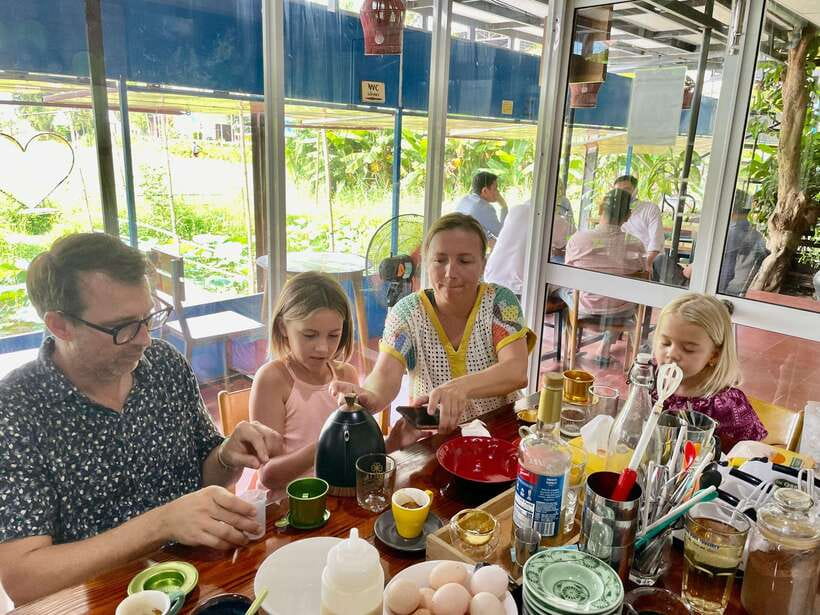
This class meets at Tri Long Coffee shop, 88 Phan Chau Trinh. That matters more than it sounds. Hoi An can feel like a maze of lantern-lit lanes, and having a straightforward meet point in the middle of town makes the experience stress-free. If you’re walking from most central hotels, you’ll likely be able to get there on foot or with a quick short ride.
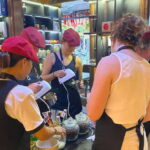
The setting is a local roastery, not a staged “tour room.” You’ll see the coffee side of the operation—especially the small-batch roasted beans—and that’s what keeps the class from feeling generic. It also means you can smell coffee while you’re learning, which is a small detail that actually helps you pay attention to aroma and flavor.
Practical note: the class runs about 1 hour, so you’ll want to arrive with enough time to settle in before you start brewing.
You can also read our reviews of more tours and experiences in Hoi An

Learning Vietnamese coffee: the crop-to-cup story that makes the drinks click
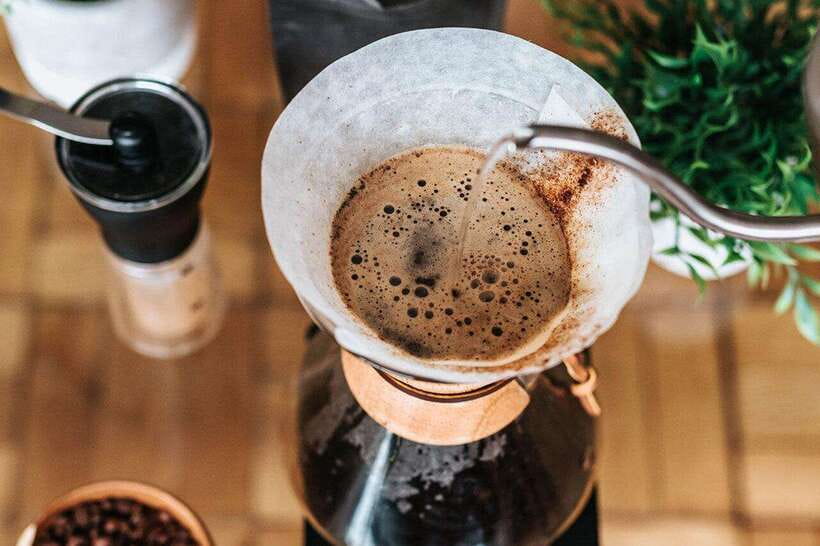
The heart of the class is learning how Vietnamese coffee works from coffee plant to cup. You’ll hear from Long about where the beans come from and how roasting and preparation affect what’s in your glass. It’s not just “facts.” The way it’s taught connects coffee to the broader story of Vietnamese cafés—how people drink it, why certain styles became popular, and what makes them different from other coffee cultures.
One of my favorite parts of this kind of class is the moment you stop treating coffee as one thing. After the crop-to-cup explanation, phin filter coffee starts to make sense as a method—not a gimmick. And egg coffee, salt coffee, or coconut coffee stop being odd-sounding menu items and start feeling like flavor systems with reasons behind them.
You’ll also build an understanding of roasting and bean choice. The activity focuses on small-batch roasted beans, which is exactly the kind of thing you’ll notice when you taste side by side and pay attention to aroma, strength, and aftertaste.
Pick your style: phin filter, egg, salt, or coconut
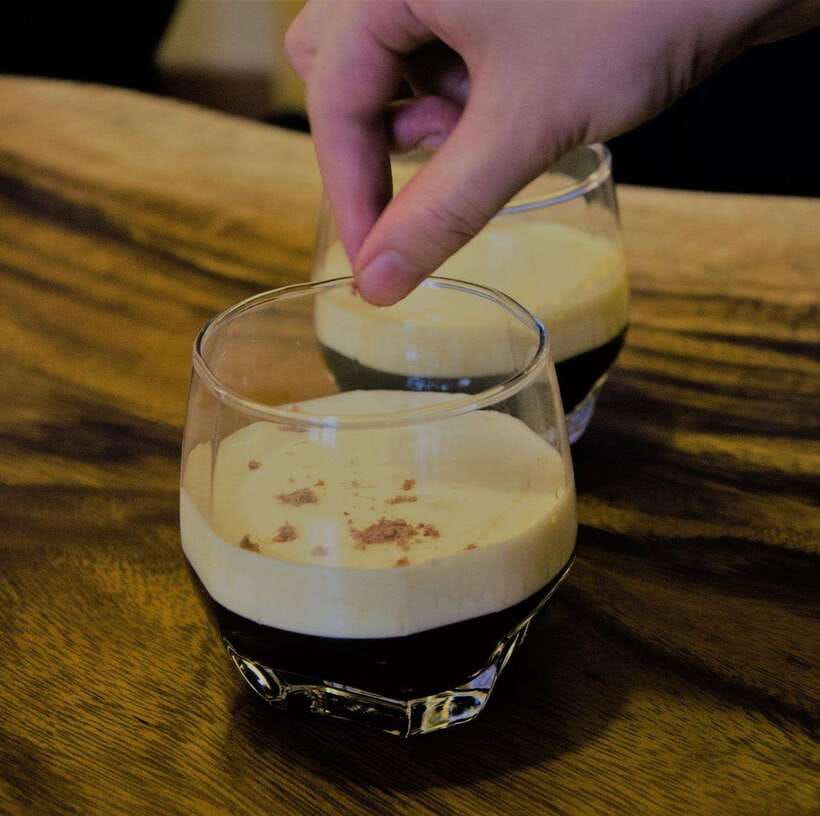
You get to choose the traditional coffees you’ll make and taste during the hands-on portion. Options include:
- Phin Filter coffee
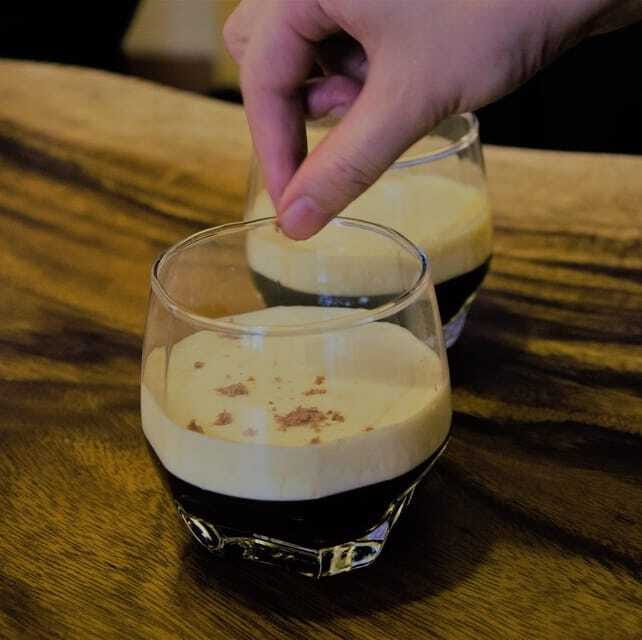
- Egg Coffee
- Salt coffee
- Coconut coffee
This is a smart setup if you’re picky—or if you’re traveling with a coffee curious friend who wants variety. Instead of being locked into one recipe, you choose what you’d actually like to drink later.
Here’s how to think about choosing your styles:
- If you want the most “classic Vietnamese” experience, start with phin filter.
- If you like dessert vibes and thick sweetness, go for egg coffee.
- If you’re open-minded and like salty-sweet flavor contrasts, salt coffee is the fun experiment.
- If you want something lighter or tropical, coconut coffee can be a crowd-pleaser.
A key detail: the class isn’t just tasting. You’re also practicing the steps for the drink you pick, which helps you remember not only what it tastes like, but why.
Hands-on brewing in about an hour: what happens during the class

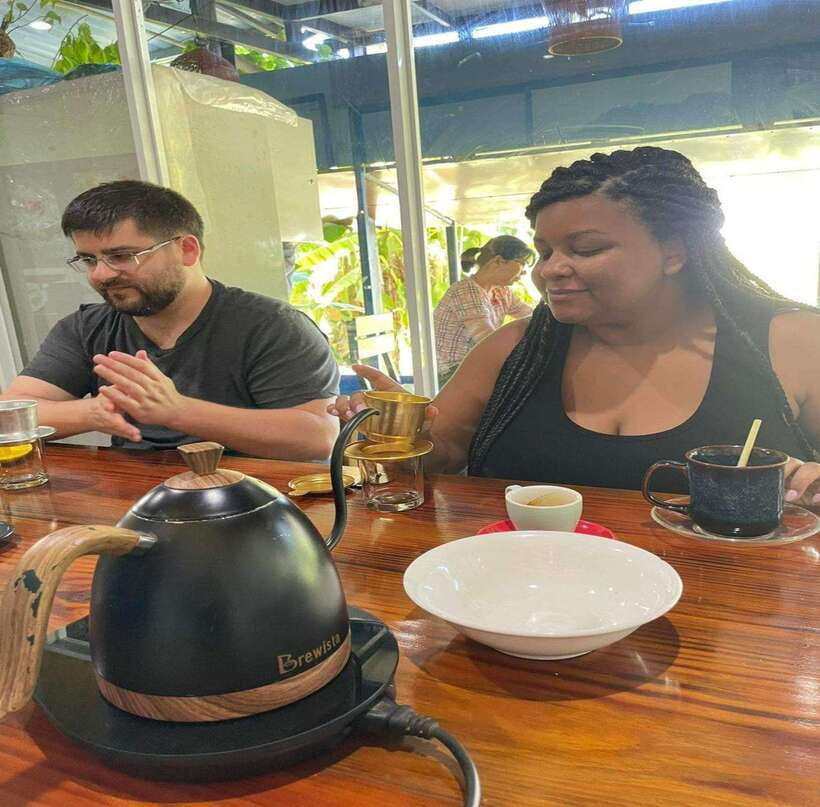
The experience includes all the equipment and ingredients you need. That’s important in Hoi An, where coffee shops are everywhere but the “how” isn’t always explained. Here, you get the tools you’ll use so there’s no awkward improvising.
A typical flow looks like this:
- Welcome at the roastery and introduction to the coffee focus for the day
- Explanation time: roast basics, Vietnam coffee traditions, and the steps behind your chosen drinks
- Hands-on making: you follow along, then you do the brewing yourself
- Tasting: you drink what you made while the atmosphere stays relaxed, with music playing
- Take-home support: you receive recipe cards so you can recreate the coffees
One small but meaningful detail shows up in the experience design: you make two coffee styles. Even within a one-hour window, that gives you enough variety to compare flavors and methods without turning the class into a long lecture.
Also, you’re not stuck standing the whole time. The room is comfortable, and there’s time to sip and reset after the brewing. That’s good if your day is already packed with Hoi An walking, temples, and market stops.
Coffee taste vs. coffee technique: why you’ll remember this
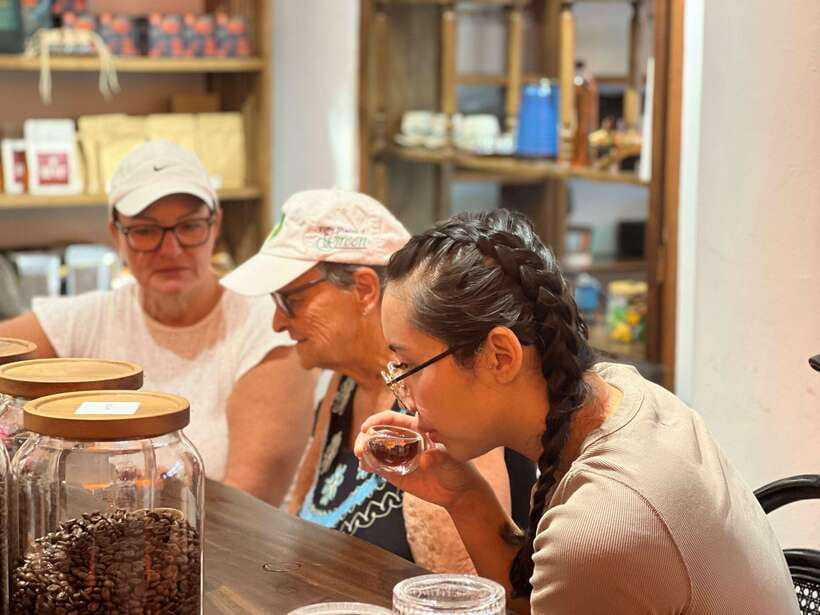
A lot of coffee classes end at tasting. This one goes further because it trains technique. When you learn a phin filter method, for example, you start understanding variables like extraction strength and how the process changes the cup. That’s what makes “I liked it” turn into “I can make it again.”
And for the more unusual styles, technique is even more valuable. Egg coffee, salt coffee, and coconut coffee rely on specific ingredient handling and serving style to work. Even if the flavors sound familiar, the method is what creates the balance.
When you leave with the recipe cards, you’re not just holding paper. You’re holding a framework. The next time you’re shopping for coffee beans or mixing ingredients at home, you’ll have a map for what matters most.
You can also read our reviews of more tours and experiences in Hoi An



Price and value: $15 for a one-hour coffee workshop that teaches more than a drink
At $15 per person for about one hour, the value comes from what’s included:
- all ingredients and equipment
- access to the local roastery
- hands-on making plus tasting
- a coffee specialist/guide
- English support
- coffee recipe cards to take home (from the class experience)
What’s not included is straightforward: no hotel pickup/drop-off, no meals, and no extra drinks beyond what the class provides.
So is $15 worth it? In my opinion, yes—if you like practical learning. This isn’t a “look and sip” activity. You walk away with two recipes you can recreate, plus you understand the role of roasting and preparation. If you’re already comfortable ordering Vietnamese coffee and you mainly want a quick drink, then spending $15 may feel unnecessary. But if you enjoy hands-on cooking-style classes and want to bring something real home, it’s a solid deal.
Getting the most from your experience

A coffee class only works well if you engage during the explanation part. Come with curiosity:
- Ask what makes each roast style different
- Pay attention to aroma before your first sip
- Notice how the method changes texture and strength
Also, plan your schedule like a one-hour workshop. If you’ve got back-to-back tours, make sure you’re not rushing so you can actually enjoy tasting after brewing.
One more practical tip: if you booked through a third-party method, you may want to confirm your plan with the shop when you arrive. Some people run into confusion about what they booked, and it’s easy to fix with a quick check on site—especially since the meeting point is clearly stated.
Who should book (and who should skip)
This is a great fit if you:
- want hands-on learning, not just a guided tasting
- love Vietnamese coffee culture and want the “why” behind the drinks
- like leaving with instructions you can use later
- prefer small, practical sessions with an English-speaking guide
You should think twice if:
- you use a wheelchair or have mobility limitations, since it isn’t suitable for wheelchair users
- you only want a quick coffee stop and don’t care about technique or recipes
- you’re sensitive to strong coffee flavors, since you’re tasting the coffee you brew
Should you book this Hoi An coffee class?

Book it if you want a short, memorable experience that turns into something useful later: two Vietnamese coffee recipes you can make at home, plus a clearer understanding of how roasting and methods shape the cup. The $15 price makes sense because you’re not just paying for a drink—you’re paying for hands-on practice with equipment, ingredient guidance, and an English specialist.
Skip it if you’re traveling with tight mobility needs, or if you already know how you like your coffee and simply want to order and move on. In that case, a café visit might be better value.
If you’re on the fence, choose based on one question: do you want to learn and recreate, or just taste once? If the answer is learn, this class is a strong pick in Hoi An.
FAQ
How long is the Vietnamese coffee making class in Hoi An?
The class lasts 1 hour.
What does the class cost?
It’s listed at $15 per person.
Where do I meet the guide?
Meet at Tri Long Coffee shop, 88 Phan Chau Trinh street, Hoi An.
Is hotel pickup included?
No. Hotel pickup and drop-off are not included.
What coffee types can I choose to make?
You can choose traditional styles such as Vietnamese Phin Filter coffee, Egg Coffee, salt coffee, or coconut coffee.
What languages are available?
The class offers a live tour guide in English.