REVIEW · HOI AN
Hoi An: City Tour, Banh my and Coffee
Book on GetYourGuide →Operated by HOI AN FOOD TOUR · Bookable on GetYourGuide
Hoi An tastes better on a walking tour. This 3-hour city walk pairs must-see old-town sights with banh mi and a focused stop for Vietnamese coffee culture, so you get orientation and a food win in one go. It’s a smart first-day plan when you want to see the classic places without building a whole route from scratch.
I also like that the tour stays practical: you get an English-speaking guide, bottled water, and just enough time at key spots like the Japanese Covered Bridge and nearby meeting halls. One possible drawback is that if you’re hoping for lots of funny, story-driven banter, the vibe can feel more straightforward than playful.
In This Review
- Key highlights at a glance
- Why a 3-hour food-and-sights format makes sense
- Walking the Hoi An Old Town loop: what you’ll actually see
- Japanese Covered Bridge and Chinese Assembly Halls: more than photos
- Hoi An Museum, Ancient Houses, and a handicraft workshop
- Hoi An Center market stop: a reality check (in a good way)
- The banh mi and coffee part: included, and worth it
- Price and logistics: what you pay for (and what to budget)
- Who this tour is best for
- How to get the most out of your 3-hour walk
- Should you book the Hoi An city tour with banh mi and coffee?
- FAQ
- How long is the Hoi An City Tour with banh mi and coffee?
- How much does the tour cost?
- What’s included in the tour price?
- Are there any extra entrance fees?
- Does the tour include pick up and drop off?
- What are the main sights visited?
- Is the tour in English?
- Is it wheelchair accessible?
- Is free cancellation available?
- Can I book without paying right away?
Key highlights at a glance
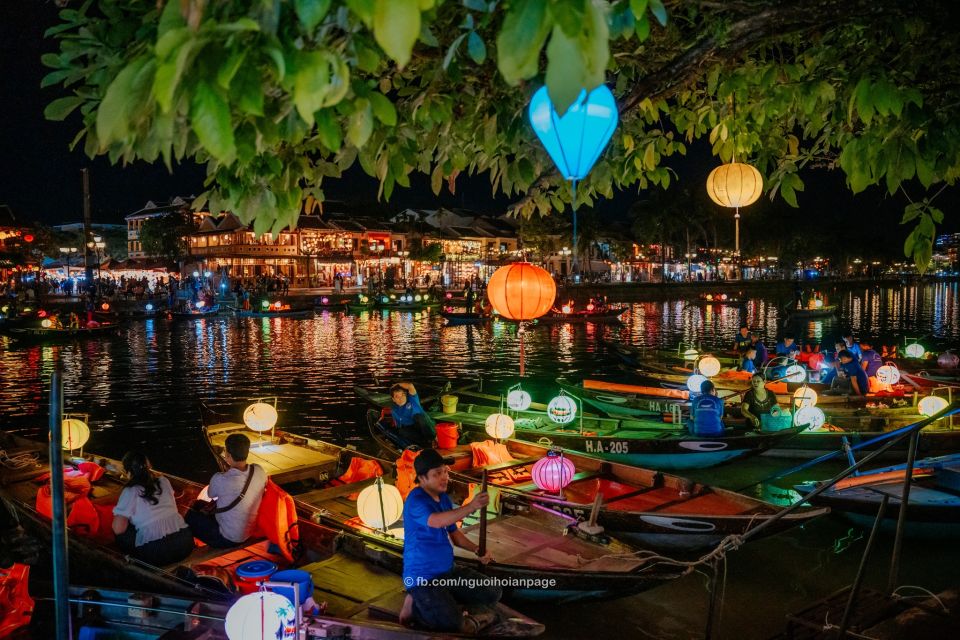
- Japanese Covered Bridge + Chinese Assembly Halls: two of Hoi An’s most recognizable trading-port landmarks in one route
- Old town orientation on foot: a leisurely stroll that helps you learn how the town is laid out
- Hoi An Museum and Ancient Houses: a look at the city’s built environment, not just street scenery
- Handicraft Workshop and Hoi An Center market: practical stops that show everyday local life
- Banh mi and coffee, included: the food part is part of the itinerary, not an add-on
Why a 3-hour food-and-sights format makes sense
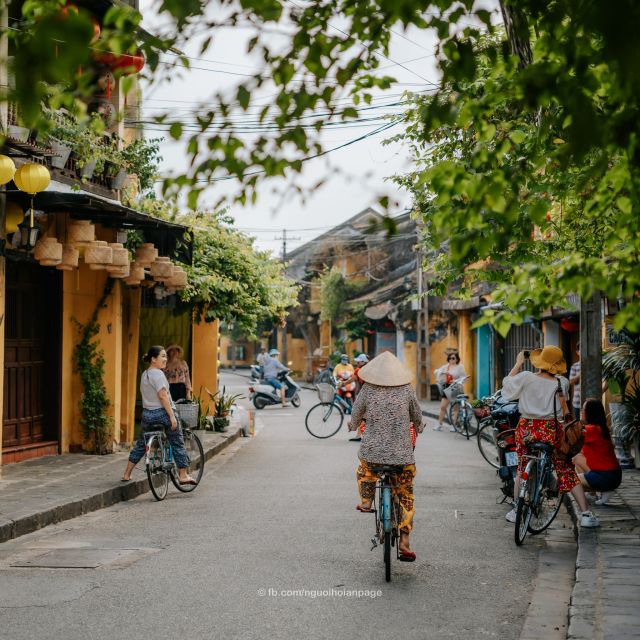
Hoi An is small, but it’s easy to get distracted. You see one street, then another, then you’re hunting for a specific bridge or hall without a plan. This half-day format solves that with a fixed route and a guide who ties the pieces together.
The big value here is pacing. Three hours is long enough to notice patterns in the architecture and learn what to look for next, but short enough that you won’t feel wrecked after. Since the tour includes banh mi and coffee, you don’t have to guess where to eat before you’ve even figured out where everything is.
You’ll also get a simple cultural angle beyond food. The coffee stop isn’t just about ordering something—it’s framed as Vietnamese coffee culture, which helps you understand why people drink it the way they do.
You can also read our reviews of more city tours in Hoi An



Walking the Hoi An Old Town loop: what you’ll actually see

The tour route is built around Hoi An’s signature blend of influences—Chinese and Japanese elements, plus later European touches you can spot in the architecture and street layout. That’s exactly what makes this town feel unusually preserved compared to many Vietnamese cities.
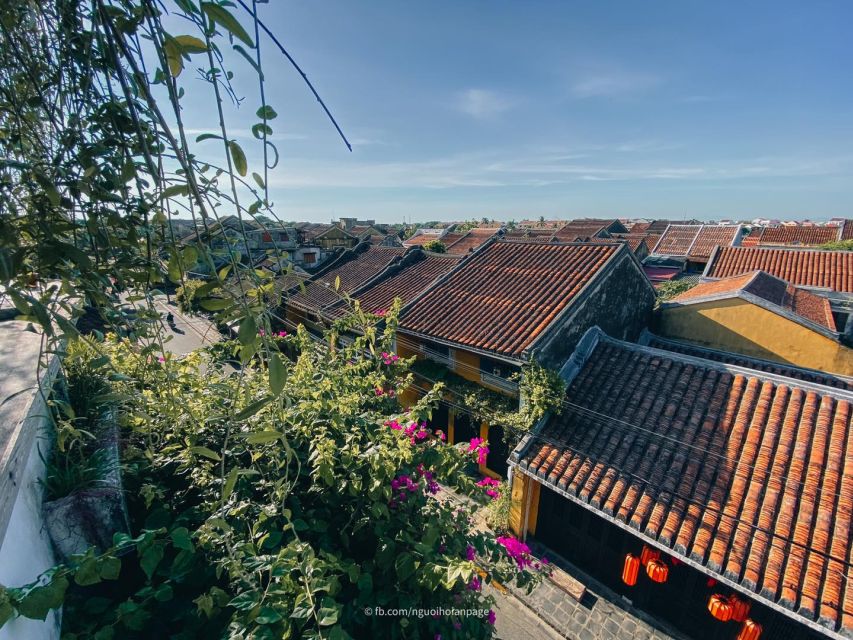
You start with a leisurely stroll around Hoi An old town, which is the right way to begin. If you jump straight into the big sights without a warm-up, you miss the little clues: how narrow lanes funnel you toward landmarks, how old houses face the street, and how community spaces sit close to trade areas.
From there, the itinerary includes several anchor stops that cover different sides of the town:
- Japanese Covered Bridge (the icon most people come to see)
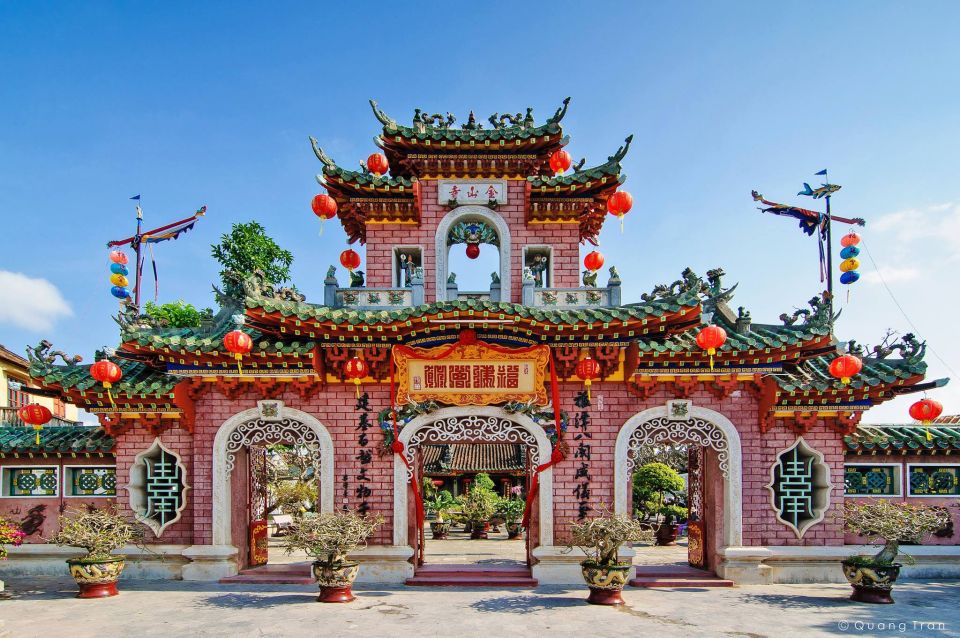
- Chinese Assembly Halls (the social and cultural heart of different groups)
- Hoi An Museum and Ancient Houses (built environment and heritage details)
- Handicraft Workshop (craft practice and local production)
- Hoi An Center market (everyday life and local commerce)
Japanese Covered Bridge and Chinese Assembly Halls: more than photos

The Japanese Covered Bridge is often treated like a quick photo stop. But in a guided walking route, it becomes a gateway to how Hoi An functioned as a trading port. You get context on why these kinds of structures show up where they do—close to trade routes, community organizations, and the flow of visitors and merchants.
Next come the Chinese Assembly Halls, and this is where your understanding usually clicks. These halls aren’t random buildings; they represent organized groups tied to trade, support networks, and community identity. Even if you’re not a “museum person,” these stops help you connect the architecture to real social life.
A practical tip for you: pace yourself at these stops. The exterior details are the easy part. Spend a little extra time on entrances, interior layouts where accessible, and the way the buildings relate to the street. That’s where the story lives.
Hoi An Museum, Ancient Houses, and a handicraft workshop
After the major icons, the tour shifts toward heritage and everyday craft—still within walking distance. The Hoi An Museum and Ancient Houses are useful because they give you a sense of how homes and community spaces were designed when Hoi An was at its peak as an Asian trading port.
The Ancient Houses segment matters for a simple reason: Hoi An isn’t only about sightseeing. It’s about scale, materials, and the way people historically lived. Even a short stop can help you spot features that you’d otherwise overlook—older construction styles, how courtyards and rooms are arranged, and why certain entrances face the street.
Then you move to a Handicraft Workshop. This is one of the places where you can get more value by being curious rather than rushed. Ask questions through your guide if you can, and pay attention to the process rather than only the final product. If you’re the kind of traveler who likes to understand how things are made, this part will feel rewarding.
Hoi An Center market stop: a reality check (in a good way)
A market stop can feel like a detour unless it’s timed right in your route. Here, it works because you’ve already seen a few heritage anchors. Now you get the contrast: Hoi An’s old-town style is still part of daily routines.
The Hoi An Center market gives you a chance to see local commerce in action and to understand how the town feeds itself, not just how it performs for visitors. It’s also a handy way to reset your eyes after older architecture—different colors, different energy, and a more modern pace.
If you want to enjoy this stop, keep your expectations simple: you’re not trying to shop your way through the entire market. Instead, use it to notice what people buy and how vendors organize their goods.
You can also read our reviews of more tours and experiences in Hoi An



The banh mi and coffee part: included, and worth it
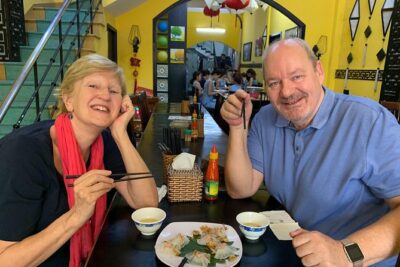
Let’s talk about the reason many people book this tour: food. You get banh mi and coffee included, and that matters because it’s part of the plan, not something you have to hunt for later.
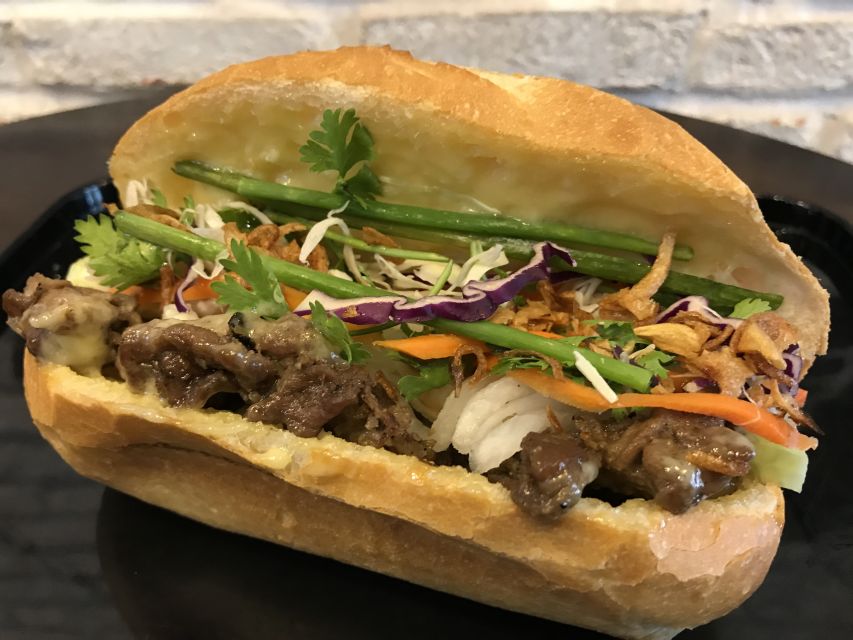
The banh mi stop is framed as the best banh mi in town. Even if you’ve eaten banh mi before, this is a good chance to try Hoi An’s version in a guided setting where you can focus on the details: bread texture, balance of flavors, and how the sandwich fits local tastes.
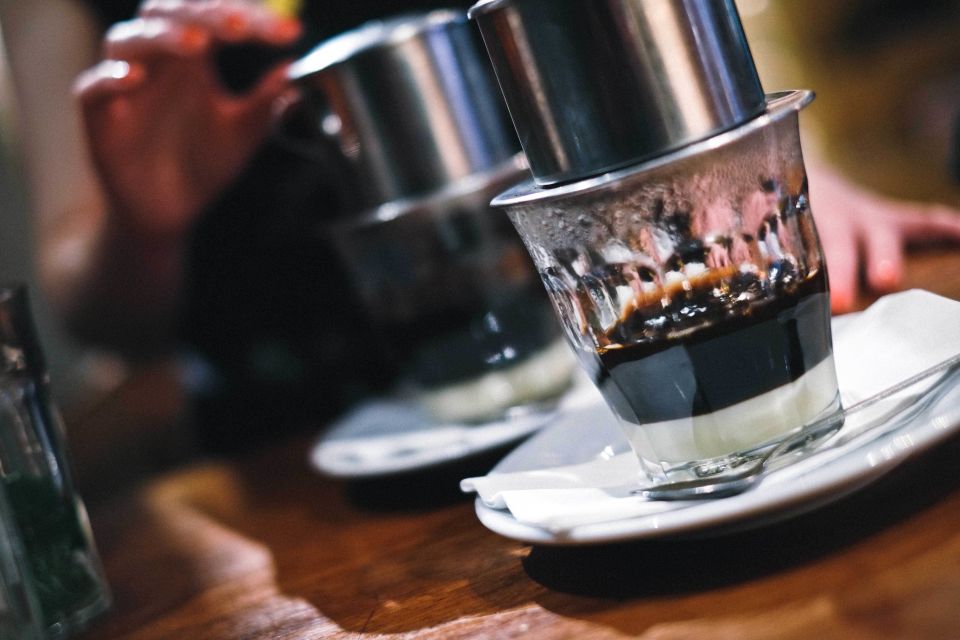
Then there’s the secret coffee stop and Vietnamese coffee culture angle. This is the part that’s easy to undervalue if you don’t drink coffee much. But a guided explanation usually makes you pay attention—how coffee is prepared, how it’s served, and why it’s a common social and daily habit in Vietnam.
Practical move for you: after you finish the coffee, take a couple minutes to walk it off. The tour’s food stops give you a needed break from the sun and walking, and a short post-coffee stroll helps you keep energy for the last sights.
Price and logistics: what you pay for (and what to budget)
The price is $16 per person for a 3-hour tour with an English-speaking guide, bottled water, and the banh mi and coffee. For a walking tour that also covers multiple landmarks and includes food, that’s strong value.
There are two cost points to know:
- Entrance fee is not included: 120,000 VND per person
- Pickup and drop-off service is not included
That last part matters. If you’re staying far from the old town center, you’ll want to plan how you’ll get to the meeting point on your own. Also, if you know you’ll be sensitive to heat, it helps to build in buffer time so you arrive before you’re wiped out.
Who this tour is best for
This tour fits you best if:
- You want a first-day orientation to Hoi An old town, not a random checklist
- You enjoy architecture and heritage stops like Japanese and Chinese landmark sites
- You care about food quality and want banh mi plus coffee culture in the same morning or afternoon
- You like a calm, structured walking pace
It may be less ideal if you’re expecting constant fun storytelling. One review noted the guide was kind and informative, but the overall tone felt a bit slow, especially if you prefer a more entertaining, joke-heavy style.
How to get the most out of your 3-hour walk
A short tour rewards planning. A few small choices make a big difference:
- Wear comfortable shoes. You’re walking through old-town lanes, and surfaces can be uneven.
- Bring a little patience for pacing. This route includes multiple stops, so you’ll move steadily.
- With the museum and houses, don’t rush. Even brief time helps you recognize what you’re seeing later while wandering on your own.
- At the coffee stop, ask your guide about what makes Vietnamese coffee different. The point is understanding, not just drinking.
If you do it right, you’ll leave with a mental map: where the main landmarks sit, how the old port district connects, and what to revisit later at a slower pace.
Should you book the Hoi An city tour with banh mi and coffee?
I think you should book this tour if you want a straightforward, efficient way to see classic Hoi An landmarks and still eat well without extra planning. The included banh mi and coffee make it feel complete, and the old-town route helps you learn the layout fast.
I’d reconsider if you’re after nonstop entertainment or quirky, funny storytelling. If that’s your style, you might prefer a different guide-led format that leans harder into lively anecdotes rather than structured sightseeing.
FAQ
How long is the Hoi An City Tour with banh mi and coffee?
It lasts about 3 hours.
How much does the tour cost?
The price is $16 per person.
What’s included in the tour price?
An English-speaking tour guide, bottled water, banh mi, and coffee are included.
Are there any extra entrance fees?
Yes. Entrance fee is 120,000 VND per person and is not included.
Does the tour include pick up and drop off?
No. Pickup and drop-off service are not included.
What are the main sights visited?
You’ll see highlights including the Japanese Covered Bridge, Chinese Assembly Halls, Hoi An Museum, Ancient Houses, a handicraft workshop, and Hoi An Center market.
Is the tour in English?
Yes, the live tour guide speaks English.
Is it wheelchair accessible?
Yes, the tour is listed as wheelchair accessible.
Is free cancellation available?
Yes. You can cancel up to 24 hours in advance for a full refund.
Can I book without paying right away?
Yes. Reserve now & pay later is available.