REVIEW · DA NANG
Early My Son tour/transfer to avoid crowd and the heat
Book on GetYourGuide →Operated by Hoi An Da Nang Hue private tour · Bookable on GetYourGuide
My Son feels different when you arrive early. I like how this 4-hour early tour gets you into the valley before the buses show up, so the ruins feel calmer and easier to take in. I also love the English-guided walk that connects the carvings to Champa Kingdom life, not just dates on a sign. The one catch: even at the start time, central Vietnam can be hot, so you’ll need serious sun protection.
You leave with a clearer sense of why these temples were built here in the first place—surrounded by mountains, set into a green valley, and shaped by religious ideas that mattered to the Champa people. For the price, it’s a practical way to get real context without turning your day into a long logistics puzzle: you get a comfortable ride, a focused visit, and a short performance that brings the spiritual theme to life.
In This Review
- Key highlights I’d plan around
- Why the early start in Hoi An and Da Nang changes everything
- The 1-hour ride to My Son: farms, village rhythms, and real context
- Entering the My Son Sanctuary valley: what to expect on arrival
- The guided temple walk: Champa Kingdom stories and the building mystery
- Consider adding extra time in My Son if you like to linger
- The short Champa performance: a calm way to feel the spiritual theme
- Your money: what the $27 price really buys (and when you’ll pay more)
- Comfort and timing: how to survive the heat without turning it into a chore
- Who should book this early My Son tour (and who should skip it)
- Should you book early My Son now?
- My quick decision rule
- FAQ
- What time does the early My Son tour start?
- Where can I get picked up and dropped off?
- Is the My Son entrance ticket included?
- Is an English-speaking guide included?
- How long is the visit to My Son?
- What’s included in the tour price?
- What extra charges should I expect?
- What should I bring for the tour?
- Is the tour suitable for older travelers?
- Is this tour wheelchair accessible?
Key highlights I’d plan around
- Early arrival so you can enjoy My Son with fewer people and less midday heat stress
- Hoi An/Da Nang pickup by air-conditioned vehicle, plus optional private transfer for simpler budgets
- Temple walk with local context on Champa Kingdom religion, history, and how temples were built
- Champa-themed performance on-site after the walking portion
- You can choose your pace with options like adding extra time in My Son (when available)
- Small comfort wins like bottled water, toilets on site, and places to cool down
Why the early start in Hoi An and Da Nang changes everything
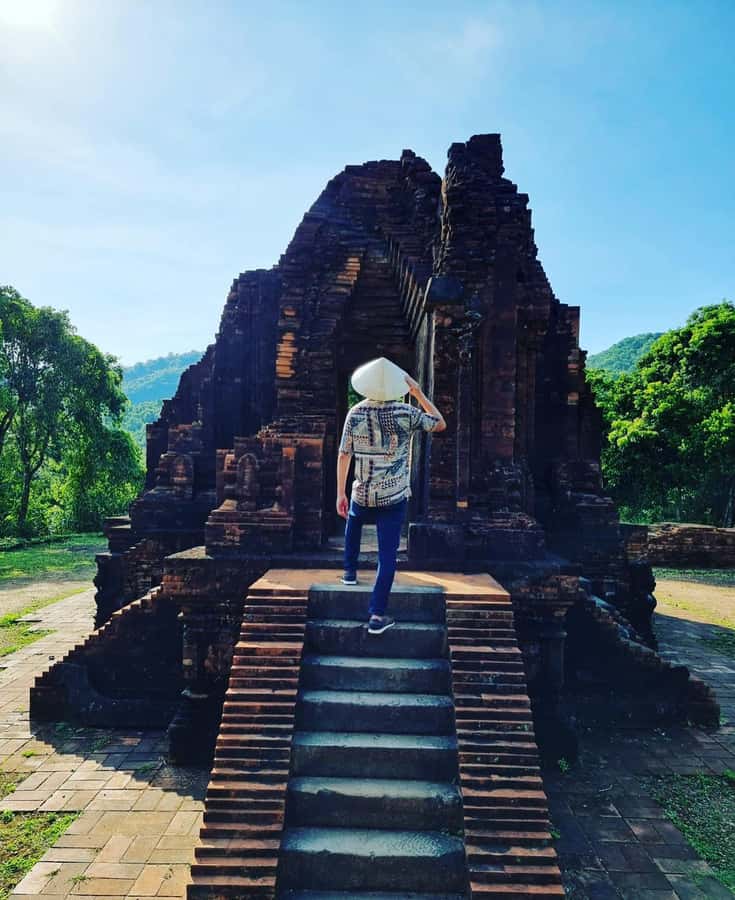
If you’re visiting My Son from Hoi An or Da Nang, the main challenge is simple: heat plus crowds. This tour attacks both by starting early, when the valley still feels awake and the site is much less crowded. You don’t just arrive earlier on the clock; you arrive earlier emotionally. Photos come easier, the carvings are clearer, and you’re not trying to interpret history while swatting sweat.
I also like that the tour keeps the day moving at a sane pace. It’s long enough to matter—about two hours walking inside the sanctuary area—but short enough that you can still feel human when you return to your hotel. And yes, it will still be warm, but you’re not stuck in the worst part of the day.
One more practical win: the driving portion gives you a buffer. During the ride, you’re not wasting time in a hotel lobby—you’re already getting guided context about daily life and farming around central Vietnam.
The 1-hour ride to My Son: farms, village rhythms, and real context
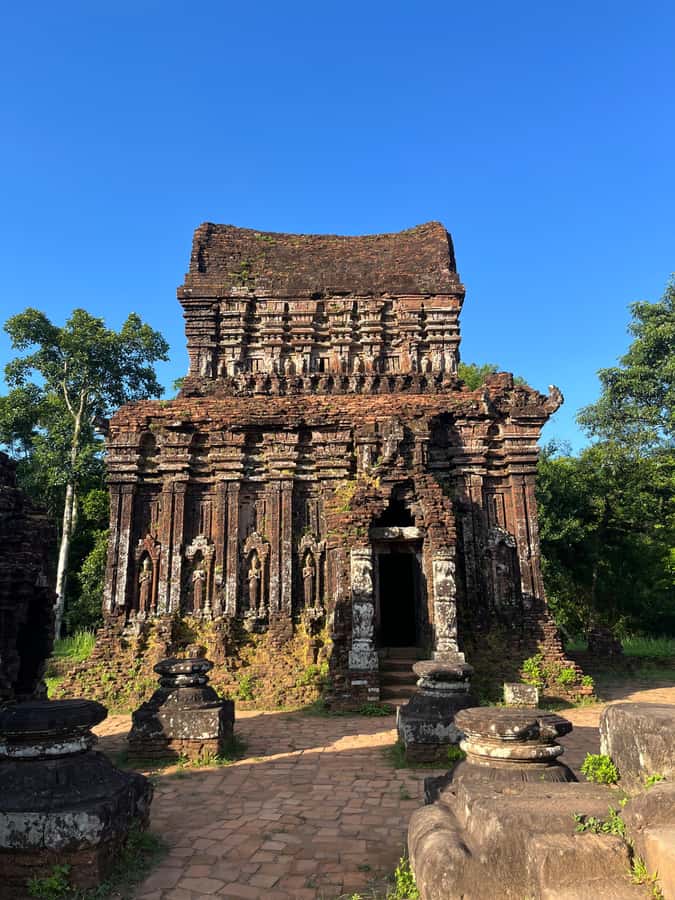
The tour starts with an about 1-hour drive from Hoi An to My Son. As you travel, you’ll have a chance for photo stops and a slow look at how local people work and live. The guide explains daily life and even touches on farming methods in central Vietnam—so when you reach the sanctuary, you’re not arriving cold.
This part matters more than you might think. My Son is a temple complex, but the setting is rural and agricultural, not museum-like. When you understand the land and local routines around it, the ruins feel less like a “sight” and more like something connected to a living region.
Also, the vehicle is air-conditioned, which is a big deal when you’re going early but still stepping into tropical humidity. The transport has a strong satisfaction record too—many people rate the ride highly for comfort and how smoothly it runs.
Entering the My Son Sanctuary valley: what to expect on arrival
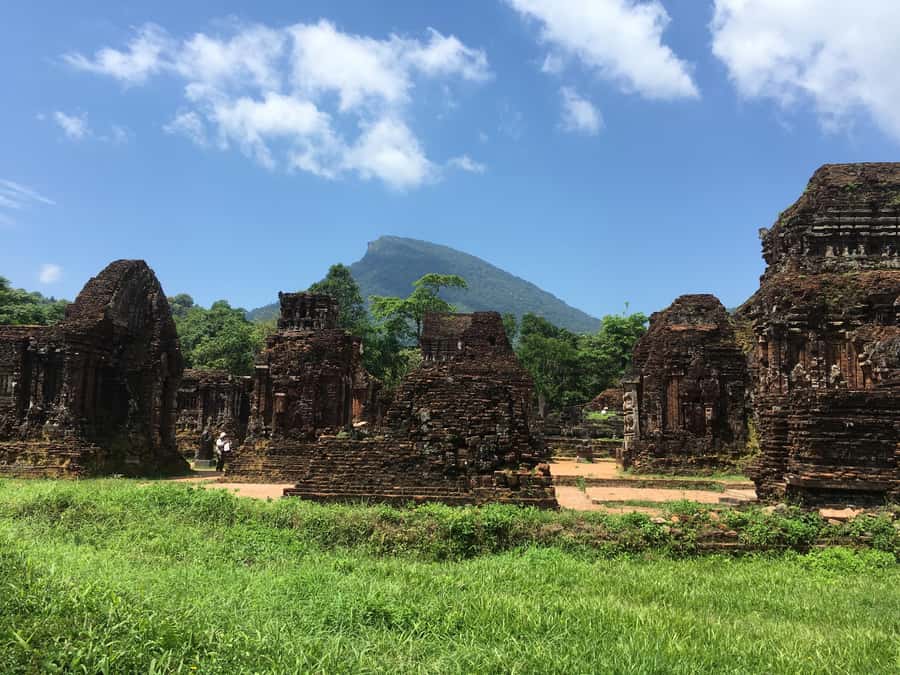
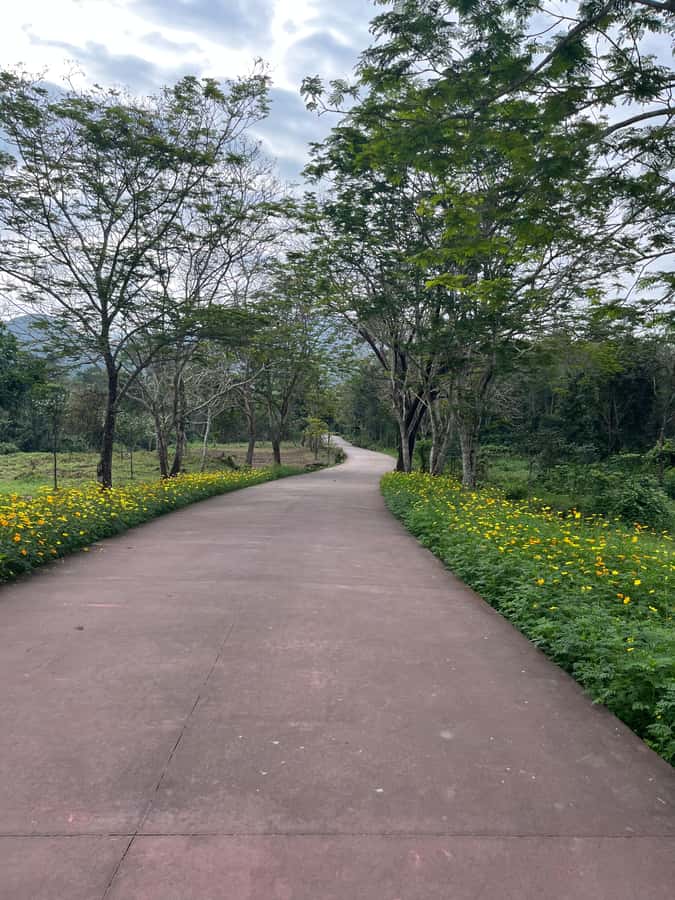
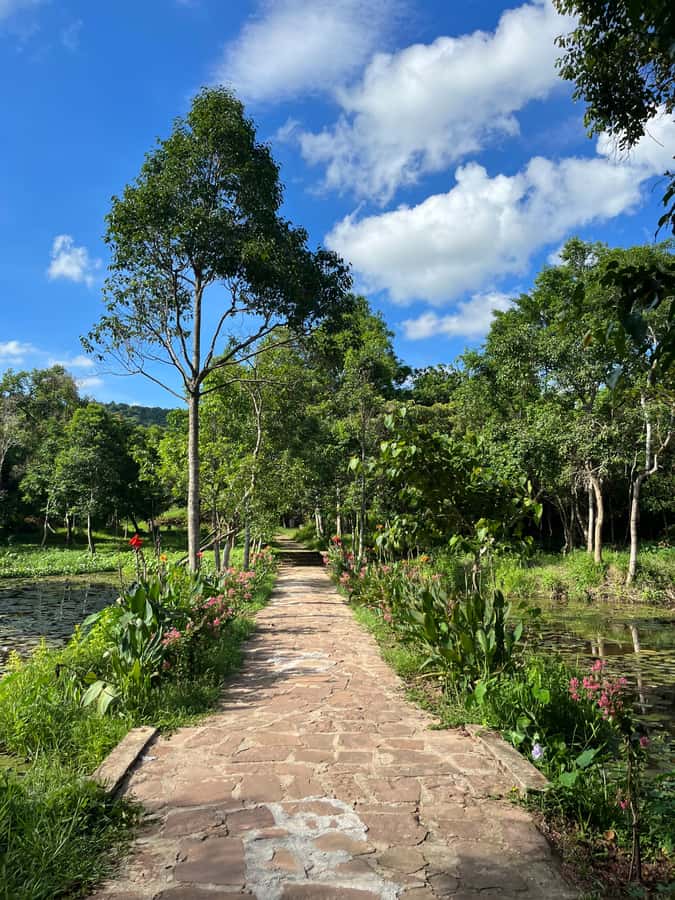
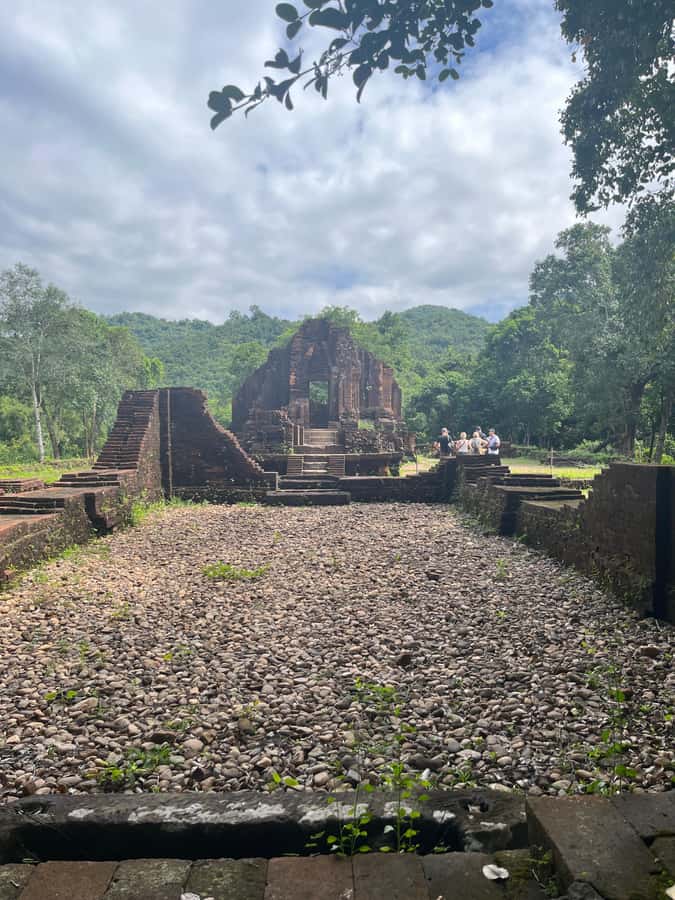
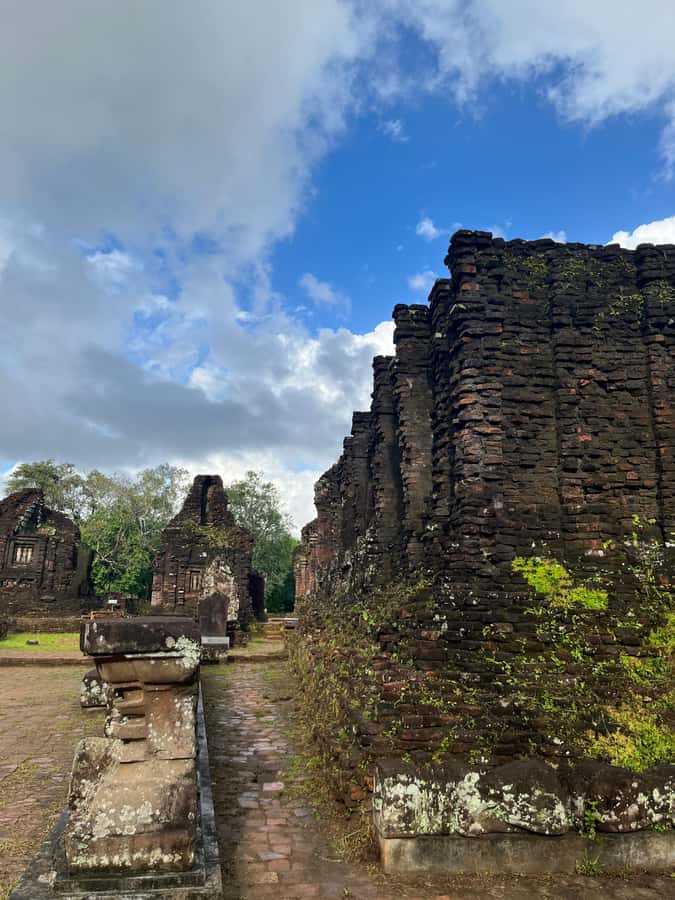
When you get to My Son, the first thing you notice is the location. The temples sit in a valley surrounded by mountains and green nature. In the early hours, this setting feels peaceful instead of overwhelmed.
Then comes the guided walking portion. You’ll move through the sanctuary area with a local guide who helps you identify what you’re looking at and why it mattered to Champa culture. The guide’s job here isn’t to recite facts. It’s to connect the visible details—structures, carvings, layout—with the beliefs behind them.
Practical note: the tour is designed for a steady visit, not a long hike day. Walking time is listed as around 2 hours, and the experience is described as wheelchair accessible. Still, you should plan for outdoor paths and sun exposure once you step out of the vehicle.
The guided temple walk: Champa Kingdom stories and the building mystery
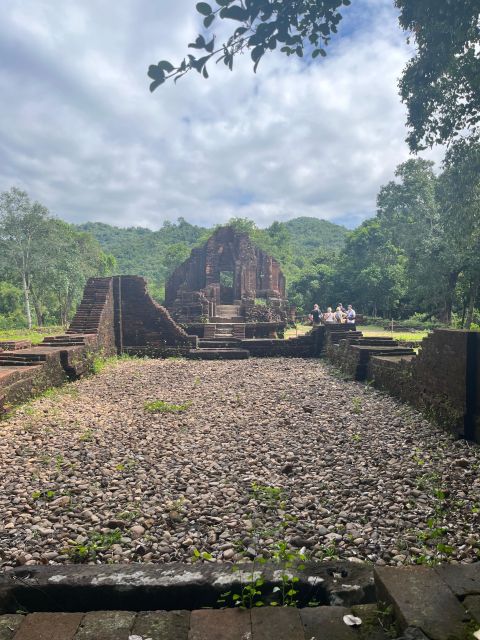
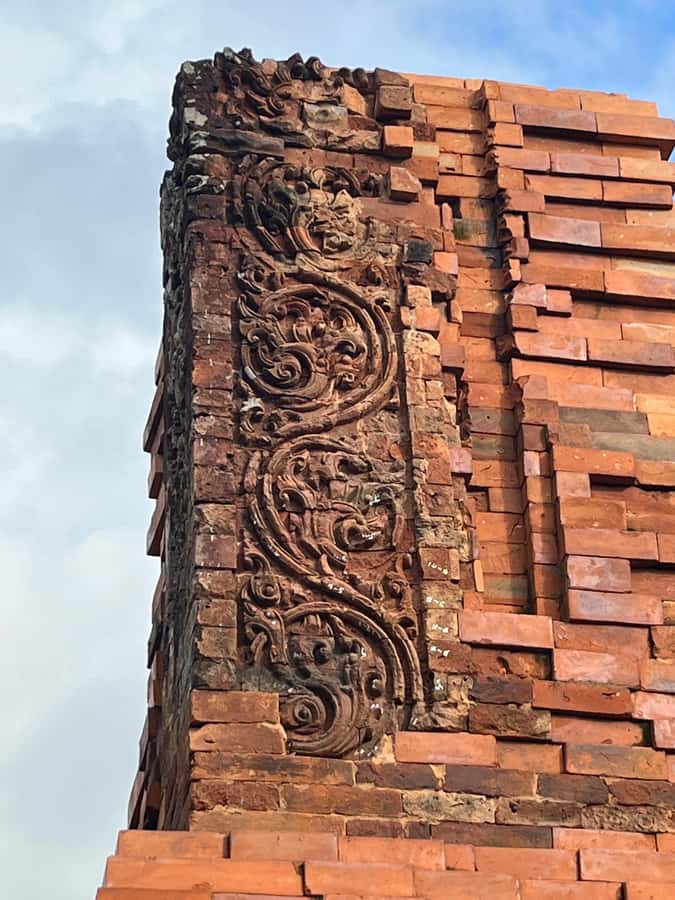
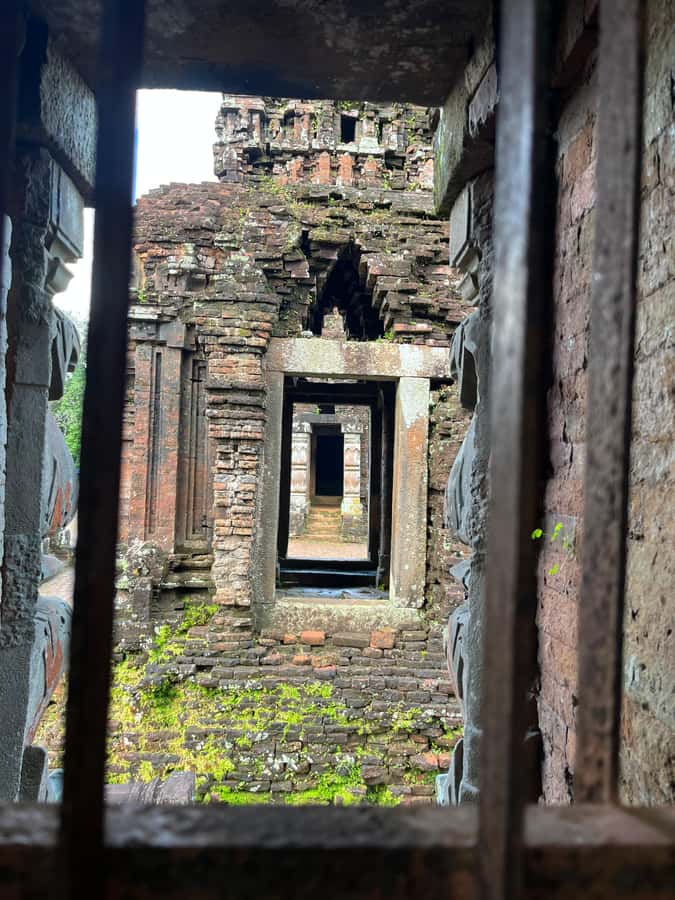
This is where the value lives. The walking tour explains the Champa Kingdom’s presence in central Vietnam before the 15th century and focuses on the religious meaning of the site. You’re not just looking at ruins; you’re learning the significance of what remains.
What I find especially useful is the way the guide frames the temples as human projects with a process behind them. The tour description calls out an undiscovered-like explanation of how temples were built thousand years ago. Even if you only catch the big ideas, it changes your perspective. These aren’t random broken stones; they’re the result of careful planning and belief-driven construction.
You’ll also have a chance for a photo-oriented visit. In the early hours, people report that it’s easier to get angles without other tourists in the frame. One practical tip from real tour experience: if you’re the kind of person who spots camera opportunities fast, tell your guide. They can help you maximize viewing spots so you don’t miss key carvings and viewpoints.
Comfort details that make the walk easier:
- the site has toilets at the entrance and within the sanctuary
- there are places to sit and cool down
- there’s time to move slowly rather than sprint from one ruin to the next
Even on hot days, those small breaks help you stay focused on the story instead of just enduring the sun.
Consider adding extra time in My Son if you like to linger
A few people mention paying for an extra hour at My Son, and they found it worthwhile because it removes the rush. If you’re a slower explorer or a detail photographer, consider it. For history and religion sites, being rushed can flatten the experience.
The short Champa performance: a calm way to feel the spiritual theme
After the walking portion, you’ll go to a small stage to see a performance reflecting spiritual life of the Champa people. It’s short, and that’s a good thing. You’re already warm, and you’ve already walked among ruins—this gives you a human, cultural “bridge” without turning your morning into an all-day theater session.
I like that the performance comes after the temple walk. You’re not watching it blindly. You’ve just been told stories about religion and meaning, so the performance lands with context rather than feeling random.
Your money: what the $27 price really buys (and when you’ll pay more)
At $27 per person for a roughly 4-hour experience, this tour is mostly paying for two things: logistics and interpretation. You’re getting an air-conditioned vehicle, an on-site English-speaking guide (in guided options), bottled water, and the My Son entrance ticket (in standard guided options).
Where things can change is in the options you pick:
- Private tour / join small group: typically includes the English-speaking guide, plus the entrance ticket.
- Private transfer without guide + entrance ticket: cheaper, but you’re on your own for interpretation and admission. This only makes sense if you already have your own guide plan or you’re comfortable exploring with your own info.
Then there are two extra-cost situations you should budget for:
- 500,000 VND surcharge if you’re picked up from the Da Nang Intercontinental resort or Tien Sa port area (because it’s outside central Da Nang).
- 37 USD surcharge for public holidays in Vietnam (amount can vary by option).
For value, here’s the balance I’d use to decide: if you want the stories and meaning, go with the guided option. If you’re strictly optimizing budget and don’t mind less context, the transfer-only option can work.
Comfort and timing: how to survive the heat without turning it into a chore
Even with an early start, you’re outdoors. So treat this like a sun-focused outing.
Bring:
- sunglasses
- a sun hat
From practical experience shared by others who did this in real conditions, I’d also consider:
- sunscreen
- an umbrella
- bug spray (if you’re sensitive to bites)
- a light fan if you run hot
The good news: the itinerary limits how long you’re exposed. You return to your hotel after the visit—about another 1-hour drive back—so you’re not trapped at the site for half the day.
Also, if you’re sensitive to walking, the early timing helps. It’s easier to keep a steady pace when it’s cooler, and it can make the difference between enjoying the carvings and feeling like you’re just surviving the sun.
Who should book this early My Son tour (and who should skip it)
This tour fits best if you:
- care about history and local religion
- want an organized, guided visit that doesn’t drag on
- are staying in Hoi An or Da Nang and want a clean half-day plan
- feel strongly about avoiding crowds and midday heat
You might choose the transfer-only option if you:
- already have your own way of understanding the site
- prefer flexibility without a guide
- are trying to lower the total cost
One important limitation: it’s not suitable for people over 95 years. Also, even with wheelchair accessibility mentioned, this is still an outdoor ruins visit. If mobility is limited, you’ll want to factor in sun and walking surfaces.
Should you book early My Son now?
I’d book this if you want My Son to feel meaningful, not miserable. The early start is the big advantage: it gives you calmer ruins, better photos, and a shorter exposure to the worst heat. The guided walk adds value because it translates religious and Champa Kingdom context into what you’re actually seeing.
Don’t book it blindly if you’re trying to keep costs ultra-low and you know you won’t use a guide. In that case, the transfer-only option may fit better—just remember you’ll be responsible for your own interpretation and the entrance process.
My quick decision rule
- Choose the guided option if you want stories and significance.
- Choose early timing no matter what, because heat and crowds are the real enemy here.
FAQ
What time does the early My Son tour start?
The tour is designed as an early departure (commonly around 7am to 8am based on available timings), which helps you avoid crowds and the hottest hours.
Where can I get picked up and dropped off?
You can typically choose pickup and drop-off locations in Hoi An or Da Nang.
Is the My Son entrance ticket included?
Yes, the entrance ticket is included in the standard guided tour option. If you choose a private transfer, the entrance ticket is not included.
Is an English-speaking guide included?
In guided options, yes. In the private transfer option, you won’t have a tour guide.
How long is the visit to My Son?
The My Son sanctuary portion is listed at about 2 hours of walking and guided touring, with additional driving time before and after.
What’s included in the tour price?
Included are an air-conditioned vehicle, an English-speaking guide (for guided options), a bottle of water, and the My Son entrance ticket (for guided options). Beverages are not included.
What extra charges should I expect?
If you’re picked up from the Da Nang Intercontinental resort or Tien Sa port, there is a 500,000 VND surcharge. On Vietnam public holidays, there may be a 37 USD surcharge depending on the option.
What should I bring for the tour?
Bring sunglasses and a sun hat. It’s also wise to protect against sun and heat since you’ll be outdoors.
Is the tour suitable for older travelers?
It’s stated that the tour is not suitable for people over 95 years.
Is this tour wheelchair accessible?
Wheelchair accessibility is mentioned as part of the activity details.