Cooking with farmers beats restaurant tours. I love the Hoi An market stop where you learn fruit, vegetables, and how locals use plants for medicine, and I love the hands-on family kitchen approach that teaches you to cook and plate like you live there, not like you’re watching. Guides Duyen and Hai help keep everything clear and fun, even if your Vietnamese is still in the starting phase.
One thing to think about: the day includes cycling on small roads and a herbal foot massage, so if you’re not into that combo of light exercise plus strong herbal scents, you may prefer a more sit-down food tour.
In This Review
- Key Highlights You’ll Feel Immediately
- Entering Hoi An’s Morning Market: Food Names, Medicine Uses, and Street Snacks
- The Bicycle Ride Out of Town: Rice Fields, Buffalo, and Peace-Quiet Roads
- Tra Que Vegetable Village and Traditional Growing Methods: Organic by Choice, Not Marketing
- Vegetable Carving and Table Decorating: Making Your Meal Look Like Hoi An
- Hands-On Cooking With the Family: The Dish Lineup You’ll Learn
- Herbal Foot Massage and the Real Meaning of Comfort Food
- Price and Value: What You Get for $35 in Hoi An
- Getting the Timing Right: Start Time, How the Day Feels, and Who It Fits
- Should You Book This Hoi An Local Family Cooking Class?
- FAQ
- FAQ
- What time does the tour start?
- How long is the experience?
- How much does it cost?
- Is pickup offered?
- What group size should I expect?
- What’s included in the lunch and cooking?
- Do you visit Tra Que Vegetable Village and go to a local market?
- Is there herbal foot massage?
- What isn’t included in the price?
- Is free cancellation available?
Key Highlights You’ll Feel Immediately
- Tra Que Vegetable Village: see how long-standing growers keep their beds productive
- Market-to-medicine plant talk: learn what to name and what locals do with it
- Quiet countryside cycling: small winding roads with buffalo, rice, shrimp, and ducks in view
- Table decoration skills: carrot and tomato carving that makes the meal look special
- Herbal foot massage: leaves like lemongrass, ginger, and basil on tired feet
- Fire-pan and pancake juggling: practical cooking fun with a performance flair
Entering Hoi An’s Morning Market: Food Names, Medicine Uses, and Street Snacks
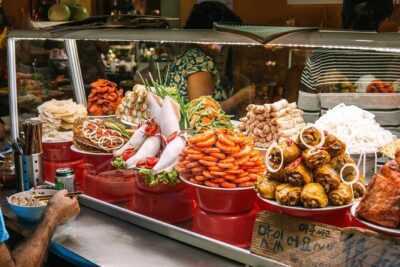
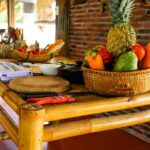
This tour starts with a market that’s not just about shopping. You’re guided through common fruits and vegetables, then shown how local people actually use plants beyond cooking, including their role in traditional medicine. That context makes the rest of the day click. When you later handle green papaya, herbs, and leafy greens, you’ll understand why locals reach for specific ingredients first.
I also like that the market time isn’t rushed. It’s built for tasting and noticing, not for you to speed past everything on a photo mission. You’ll get a clearer sense of what Vietnamese families buy often, what’s seasonal, and what flavors are considered everyday staples.
If you’re worried about language, that’s where your local English-speaking guide helps. Duyen and Hai are the kind of hosts who use simple explanations, plus plenty of joking, so the experience feels human rather than lecture-like.
You can also read our reviews of more cooking classes in Hoi An
The Bicycle Ride Out of Town: Rice Fields, Buffalo, and Peace-Quiet Roads
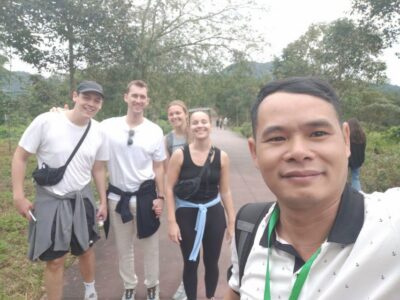
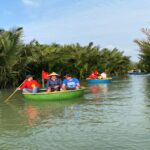
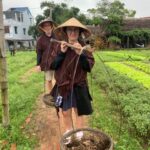
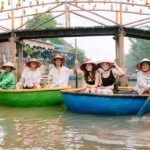
After the market, the day shifts into countryside mode with a bike ride on small, winding roads. The big win here is pace. You’re away from busy traffic and you can actually look around: buffalo grazing, farmers working rice fields, and nearby farms raising shrimp and ducks.
This is the part that turns the cooking class into a cultural day. You’re not just learning recipes; you’re seeing where the ingredients come from. You’ll notice how vegetables and water-friendly crops fit into the farming rhythm, and that helps when you’re later trying to recreate flavors at home.
A practical note: cycling means you’ll want comfortable footwear and a calm mindset. This isn’t a mountain-bike adventure, but it does involve real movement. If you’re traveling with kids, it’s smart to go in with realistic expectations and plan for breaks, especially if your group includes younger riders.
Tra Que Vegetable Village and Traditional Growing Methods: Organic by Choice, Not Marketing
One of the best stops is Tra Que Vegetable Village, a long-standing craft and farming area known for growing vegetables for Hoi An meals. This is where you learn manual vegetable growing methods, including the way traditional farmers use organic fertilizers and pesticides. That matters because it explains the flavor differences you’ll notice later.
I like how this part stays grounded. Instead of treating farming as a postcard, it turns into practical knowledge: what farmers do in daily routines, how they maintain beds, and how they think about healthy harvests. It’s also a strong reminder that vegetables aren’t just “ingredients.” They’re the end result of soil, water, and consistent care.
From there, you visit one of four traditional craft villages (as part of the program). The goal is the same: you see how local skills support daily life and how food is part of a larger working culture.
Vegetable Carving and Table Decorating: Making Your Meal Look Like Hoi An
Before you start cooking, you’ll learn how to decorate the table and present food in a way that looks right at home in Hoi An. This includes carving vegetables into simple flower shapes, such as flowers made from carrots and tomatoes.
This is more than a fun extra. Table decoration teaches you cutting techniques you’ll use again in the kitchen. Cleaner slices cook more evenly, and consistent shapes help with texture and presentation. Plus, once you know the basics, it’s the kind of skill you can repeat at home with whatever vegetables you can find.
This part also gives the day a satisfying rhythm. After the market and countryside riding, carving is calm and creative. You’re not just collecting information. You’re doing something with your hands, and that makes the cooking lessons stick.
Hands-On Cooking With the Family: The Dish Lineup You’ll Learn
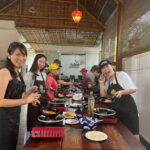
The core of the experience is a cooking class at a local’s house with a chef and hosts who teach step by step. You’ll cook and eat multiple items from a set menu that includes classics from Hoi An and the surrounding region.
Here’s what’s included in your meal:
- Vietnamese pancake
- Hoi An spring roll
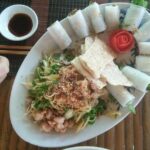
- green papaya & banaba flower salad
- chicken in clay pot
- morning glory stir-fried with garlic
- rice
- dessert
What I like about this menu is balance. You get crunchy, fresh flavors (like the papaya salad), savory and comforting mains (like clay pot chicken), and everyday greens (morning glory) that show how families build a plate.
You also get the chance to actually practice key cooking motions, not just watch. One of the fun additions is the fire pan performance, plus pancake juggling. Even if you don’t copy the juggling perfectly, it reinforces heat control and timing. In real life, those are the differences between a pancake that’s good and one that’s great.
If you’re worried about comfort with cooking, the class format helps. You’re not expected to know Vietnamese cooking techniques already. The program is designed for normal people who can follow directions, ask questions, and learn by doing.

Herbal Foot Massage and the Real Meaning of Comfort Food
After the cooking, you get foot massage using herbal leaves like lemongrass, ginger, and basil leaves. This is one of those activities that feels both practical and cultural.
Practically, it’s a reset after the day’s walking and cycling. The tour also provides cold towels and a welcome drink earlier, so you start and end with comfort in mind. Culturally, it fits the theme of the day: plants aren’t only for dishes, and the host family’s view of wellness is part of everyday life.
I’ll be honest: the herbal scent is strong. If you’re sensitive to fragrances, you might want to take it slow and let your feet adjust. But if you like earthy herbal smells, this is the kind of finishing touch that makes the day feel complete.
Price and Value: What You Get for $35 in Hoi An
At $35 per person for about 3 hours of programming, this tour is priced like a full food-focused experience, not a cheap snack stop. You’re paying for structure and hands-on time: market guidance, countryside cycling, village visits, and a cooking class where you eat what you cook.
What makes it good value is the bundle:
- lunch is included (not a small portion either, since it includes several dishes)
- private transportation is included
- bottled water is included
- cold towels and a welcome drink are included
- a local English-speaking guide is included
- foot massage is included
What’s not included is also clear. Coffee and/or tea, alcoholic beverages, and soda/pop aren’t part of the package. So if you usually pay for drinks during tours, add a little extra budget.
Finally, the group size tops out at 10 travelers, which usually means you get more attention during the cooking and carving parts. If you’re the type who likes to ask questions at the stove, that small limit helps.
Getting the Timing Right: Start Time, How the Day Feels, and Who It Fits
The tour starts at 9:00 am, which is early enough to beat the harsher parts of the day. That early start also helps the countryside part feel calm rather than rushed.
The day has multiple transitions: market to bike ride, bike ride to village learning, then carving and cooking, then massage and food time. If you like variety, you’ll enjoy it. If you prefer long stretches of one activity type, this may feel busy because it packs a lot into a half-day slot.
This experience is especially suited for:
- people who want an authentic cooking class, not a demo
- food lovers who like learning ingredient stories
- travelers who enjoy gentle countryside movement
- families who can handle a small group day with a flexible program (the class can be adjusted to keep kids happy)
Should You Book This Hoi An Local Family Cooking Class?
If you want more than recipes, book it. The combination of market knowledge, Tra Que vegetable farming, and a hands-on cooking session gives you a full picture of how local food happens. The foot massage and the fire-pan pancake show are also memorable extras that make the day feel special without turning it into a theme park.
I’d hesitate only if cycling is a problem for you, or if the idea of an herbal foot massage with strong scents sounds unpleasant. Otherwise, this is a solid choice for travelers who want to leave with both confidence and practical skills.
FAQ
FAQ
What time does the tour start?
It starts at 9:00 am.
How long is the experience?
It runs for about 1 day 3 hours (approx.).
How much does it cost?
The price is $35.00 per person.
Is pickup offered?
Pickup is offered, and the tour includes private transportation.
What group size should I expect?
The maximum group size is 10 travelers.
What’s included in the lunch and cooking?
Included meals are Vietnamese pancake, Hoi An spring roll, green papaya & banaba flower salad, chicken in clay pot, morning glory stir with garlic, rice, and dessert.
Do you visit Tra Que Vegetable Village and go to a local market?
Yes. You visit Tra Que Vegetable Village and you also tour the local market.
Is there herbal foot massage?
Yes. The experience includes foot massage using herbal leaves such as lemongrass, ginger, and basil leaves.
What isn’t included in the price?
Not included: coffee and/or tea, alcoholic beverages, and soda/pop.
Is free cancellation available?
Yes. Free cancellation is available if you cancel up to 24 hours in advance for a full refund.