REVIEW · HOI AN
Authentic Vietnamese Coffee Making Experience in Hoi An
Book on Viator →Operated by Hoi An Scooter Adventures · Bookable on Viator
A great cup starts with the right method. This 2-hour class in Hoi An walks you through Vietnamese coffee roasting and how baristas build flavors with simple tools. You’ll learn the famous phin filter drip style, then make two coffees you choose.
I like that it’s practical, not just talk. You get an English-speaking instructor, coffee-making tools, and you take home the recipe for what you make.
One thing to consider: there’s no pickup or drop-off, so you’ll need to get yourself to the meeting point at 88 Đường Đ. Phan Chu Trinh, Phường Minh An, Hội An.
In This Review
- Key things that make this coffee class worth your time
- How the phin filter shapes Vietnamese coffee (and why you’ll notice)
- Choosing two coffees: the real value is getting your hands dirty
- Egg coffee in practice: creamy, rich, and built with egg yolk and condensed milk
- Salt coffee: the pinch that reduces bitterness and tweaks the flavor
- Coconut coffee: nutty sweetness with an aromatic, sunny feel
- What the course certificate and recipe do for you after you leave
- $18 for 2 hours: is it good value in Hoi An?
- Where to meet and how to plan your timing
- Mobile ticket and WhatsApp: small details that save stress
- Who this class suits best (and who might not love it)
- The teaching style: why hosts like Van and David get good marks
- What to try first: choosing your two coffees
- Quick tips for enjoying your cups in the moment
- Should you book this Vietnamese coffee making class in Hoi An?
- FAQ
- How long is the Vietnamese coffee making experience in Hoi An?
- What coffees can I choose to make?
- Does the tour include pickup and drop-off?
- What’s included in the price?
- Where do I meet for the experience?
- Do I need WhatsApp for booking?
Key things that make this coffee class worth your time
- Pick two coffees you want to make: you’re not stuck with a one-size-fits-all lineup.
- Hands-on Vietnamese brews: Phin drip, plus egg, coconut, and salt coffee styles.
- English instruction and a small cap: a maximum of 50 people keeps it from feeling chaotic.
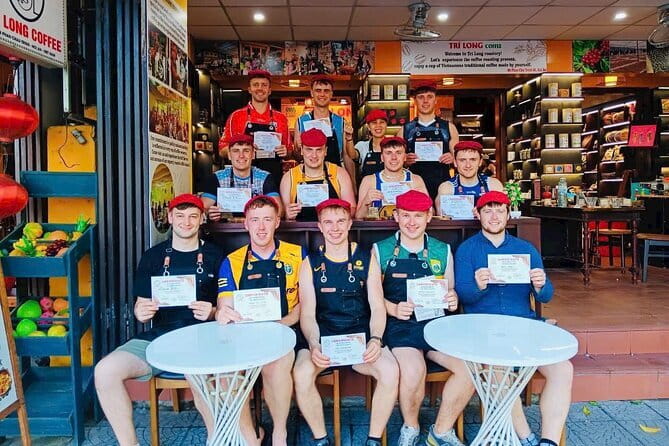
- You leave with more than a drink: a course certificate and the recipe for your chosen coffees.
- Clear, friendly teaching: past sessions praised hosts like Van and David for explaining without rushing.
How the phin filter shapes Vietnamese coffee (and why you’ll notice)

The star idea here is simple: Vietnamese coffee often tastes the way it does because of the way it’s made. The traditional tool is the phin filter, which forces slow-drip brewing. That slower pace helps produce a brew that feels bold and robust, not thin or watery.
In class, you’ll get to see the demonstration first—then you’ll understand the logic behind it. If you’ve ever had coffee that tasted either too bitter or too flat, learning the method helps you spot what’s causing the flavor. In a short 2-hour session, that’s a lot of payoff.
Also, this isn’t just coffee trivia. When you learn how the filter controls flow, you start tasting what “strength” actually means in real life. You’ll get a sense of why people in Vietnam treat coffee like a crafted drink, not a quick caffeine hit.
You can also read our reviews of more tours and experiences in Hoi An



Choosing two coffees: the real value is getting your hands dirty
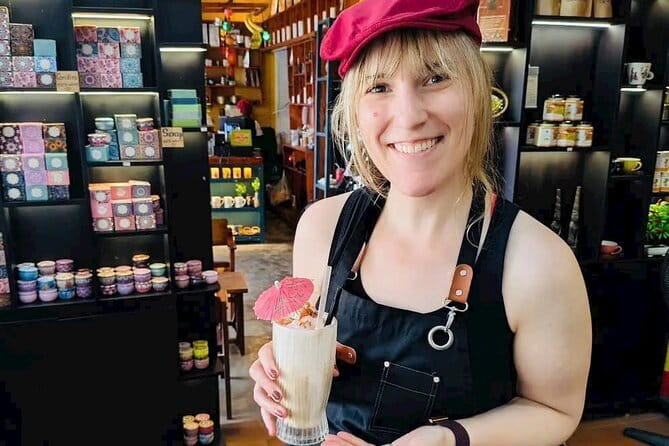
Your class isn’t a single demo you watch from start to finish. You choose two coffee types you want to make, and you’ll actively go through the steps. That matters because coffee is chemical and physical—technique changes taste fast.
From the options available, egg coffee and salt coffee are the most famous “wait, what?” choices. But coconut coffee is also there for people who want something lighter and more aromatic. And if you want the classic foundation, phin filter coffee is the approach you’ll be learning to control.
You’ll also get coffee and/or tea as part of the experience. That’s helpful because it keeps the session feeling like a tasting moment, not only a class. Expect to end by drinking what you made, not just taking photos and leaving.
Egg coffee in practice: creamy, rich, and built with egg yolk and condensed milk
Egg coffee is one of Vietnam’s best-known specialties. Here, the instruction focuses on how it’s made and why it turns out so smooth. The basic build you’ll learn includes egg yolks, condensed milk, and sugar, whipped into a creamy top that feels velvety in the cup.
Egg coffee can be polarizing if you only think of coffee as black and bitter. In this class style, the point isn’t to convince you by hype—it’s to show you the process so you can understand the texture. Once you see the whipping and the ingredient balance, it makes more sense why it tastes rich instead of eggy or harsh.
A practical tip for how to approach it: take small sips at first. Egg coffee’s sweetness and creaminess can hit quickly, especially if you’re used to less sweet drinks. After a couple bites of taste, you’ll start picking up the coffee base under the creamy layer.
Salt coffee: the pinch that reduces bitterness and tweaks the flavor
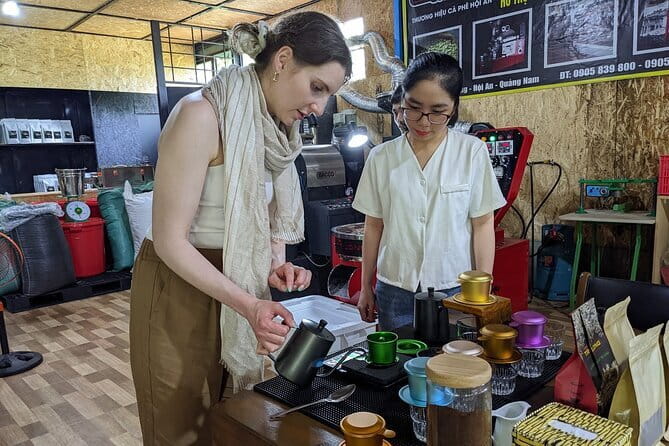
Salt coffee sounds like a stunt until you learn the idea behind it: a small pinch can enhance coffee’s natural flavor and reduce bitterness. In class, you’ll get a quick explanation of the science behind the pairing, so it’s not just a “trust us” moment.
When you make it yourself, you’ll notice salt changes more than one thing. It can shift bitterness and help the coffee taste more rounded instead of sharp. That’s the kind of insight that’s hard to get from a café experience, because you’re not controlling variables.
If you’re sensitive to sweetness, salt coffee may feel like a middle ground—still special, but not necessarily sugary-heavy. If you love bold flavors and want something that feels like it has a point beyond gimmick, this one is a strong pick.
Coconut coffee: nutty sweetness with an aromatic, sunny feel
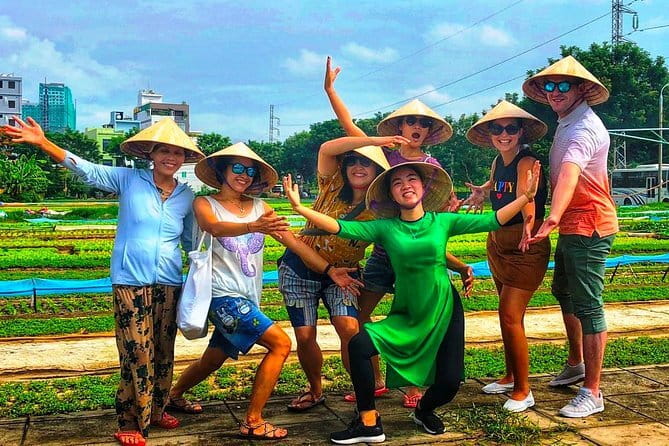
Coconut coffee brings a tropical twist to the Vietnamese coffee world. The way it’s described in the class is simple: you learn how to infuse the nutty sweetness of coconut into your coffee to create an aromatic beverage that’s refreshing, especially on a warm day.
This is a good choice if egg coffee feels too rich or salt coffee feels too experimental. Coconut often reads as smoother and easier to drink, mainly because you’re adding a flavor that feels rounded and familiar rather than a contrast like salt.
Practical approach: try coconut coffee when you want coffee flavor but with a softer edge. It’s a nice option if you’re traveling with someone who wants coffee variety without going all-in on the most unusual styles.






What the course certificate and recipe do for you after you leave
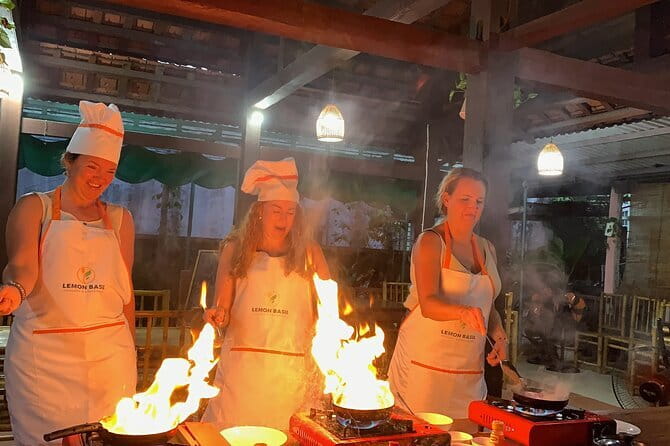
I love that this class doesn’t end at tasting. You get a course certificate, plus the recipe of the coffee you make. That’s genuinely useful if you want to recreate the drink at home without guessing.
Most cooking classes are either purely instructional or purely fun. This one tries to do both, and the recipe helps you keep the flavor consistent later. If you’ve ever tried to recreate a drink you loved and ended up with something totally different, you’ll appreciate having the exact method handed to you.
The certificate is also a nice touch if you like collecting proof that you actually learned something. It’s not necessary, but it does make the experience feel official—like a real skill session, not a casual stop.
$18 for 2 hours: is it good value in Hoi An?
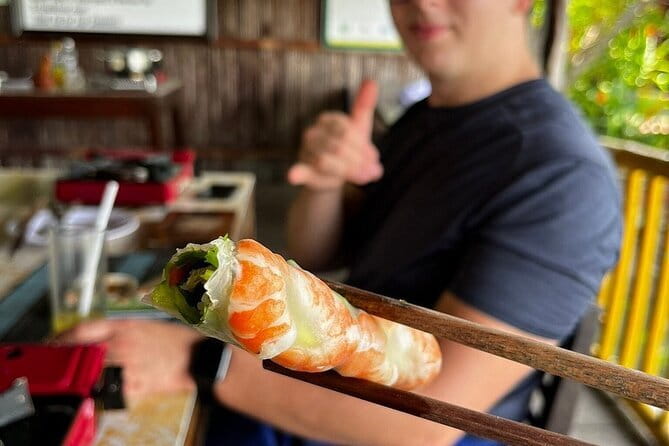
At $18 per person for about 2 hours, the value comes from what’s included: tools, English instruction, certificate, recipe, and coffee and/or tea. For a city where you can spend less on a coffee and more on a tour, this sits in the sweet spot—especially if you care about technique.
The best part is that you choose two coffees. That gives you a wider return on the time and effort. If you had to watch a single demo, the price would feel less justified. But making two drinks makes it more like a hands-on workshop.
Small group size helps too. The tour lists a maximum of 50 travelers, which usually means more attention per person than a big bus-style activity. Even if it’s not intimate, it’s built to stay manageable.
Where to meet and how to plan your timing
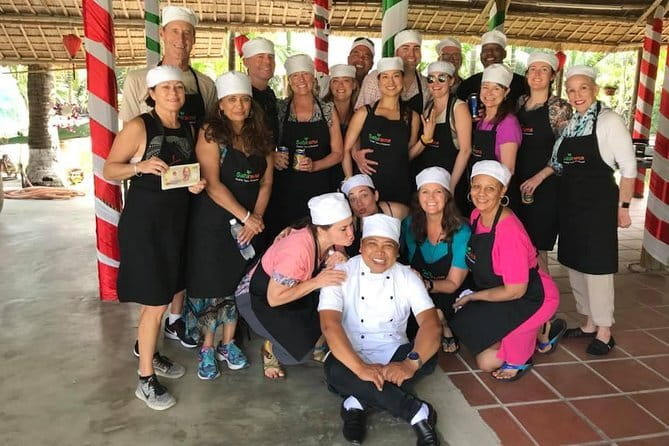
You’ll start at 88, Đường Đ. Phan Chu Trinh, Phường Minh An, Hội An, Quảng Nam, Vietnam. The activity ends back at the same meeting point, so you’re not dealing with a long route or complicated logistics afterward.
There’s no pickup or drop-off included, so plan to arrive on your own. The good news is that it’s noted as being near public transportation, which makes it easier if you’re not riding a scooter that day.
Timing-wise, it’s about 2 hours. Choose a time when you’re not rushing across town and when you can stay for the full session. If you’re visiting in hot weather, your best bet is to schedule it earlier in the day or when the heat is less intense, so you can enjoy the tasting part without feeling wiped.
Mobile ticket and WhatsApp: small details that save stress
You’ll get a mobile ticket, which is straightforward. The one extra detail that matters: you’re asked to provide your WhatsApp number when booking. That usually helps the operator coordinate quickly if anything changes.
This matters because coffee courses can shift based on group timing. Having a messaging channel keeps communication smooth and reduces last-minute confusion.
Also, confirmation is received at booking time. That helps you plan without waiting around for a response thread.
Who this class suits best (and who might not love it)
This works especially well if you fall into one of these categories:
- You love learning by doing, not just watching.
- You want Vietnamese coffee culture in a short time.
- You’re traveling with a partner and want something interactive you’ll both enjoy.
- You want to take a recipe home so the experience stays with you.
It may not be the best match if you’re only interested in one specific coffee type and don’t care about method. Since you choose two drinks, it’s better when you’re open to experimenting. Also, if you hate standing at a station for an extended period, it’s worth considering whether a 2-hour practical class fits your style.
That said, the atmosphere sounds friendly and fun. Previous sessions praised hosts for keeping things relaxed and not rushed. If that’s your priority—good vibe plus clear instruction—this class fits the bill.
The teaching style: why hosts like Van and David get good marks
Several write-ups highlight how clearly the instructors explain coffee culture and the prep steps. Names that came up include Van and David, both described as making the session easy to follow and enjoyable.
The practical implication for you: don’t worry if you’re new to Vietnamese coffee. The course is structured to walk you through tools and flavor choices, then give you a chance to create your own cups. Clear English instruction helps a lot here, especially when you’re dealing with multiple brewing styles in one session.
You can think of it as learning the “why” behind the “how.” That’s what turns a fun class into something you can use later.
What to try first: choosing your two coffees
If you’re deciding between options, use this simple logic:
- Choose egg coffee if you want creamy texture and a dessert-like feel.
- Choose salt coffee if you want coffee to taste less bitter and more balanced.
- Choose coconut coffee if you want aroma and sweetness without going full creamy.
- Choose phin filter coffee if you want the classic method and control of the brew.
Many people pick egg and salt because together they show two extremes—rich and smooth vs. scientific and savory-shifted. Pairing coconut with either one can also feel more varied, especially if you want one “comfort” cup and one “wow” cup.
If you’re unsure, pick one classic comfort (egg or coconut) and one flavor-curiosity (salt or phin filter). That mix usually keeps the experience fun without feeling overwhelming.
Quick tips for enjoying your cups in the moment
Even without extra guidance, you’ll get the value by paying attention to small cues:
- Taste in small sips first, especially with egg coffee.
- Notice how bitterness changes in salt coffee compared to your expectations.
- Smell matters with coconut coffee; take a moment before the first sip.
- If you’re a coffee nerd, watch how the phin controls flow while you learn the method.
You’re not just drinking—you’re building memory for how each style should feel. Later, that’s what helps you replicate it at home with the recipe.
Should you book this Vietnamese coffee making class in Hoi An?
If you want a short, hands-on way to understand Vietnamese coffee, I’d say yes. For $18, you get two made-to-order drinks (based on your choices), plus the tools, English instruction, certificate, and recipes you can use later. That’s a strong mix of fun and practicality for Hoi An.
Book it if you:
- want an interactive class in a small setting
- like egg coffee or want to try a coffee with real technique behind it
- want the recipes, not just the experience
Consider skipping if you can’t handle a 2-hour practical session or if you need pickup and drop-off included (it’s not included). Also, if you’re extremely picky and only like one coffee style, remember you must choose two to get the most out of the class.
If you’re staying in Hoi An and you enjoy learning with your hands, this is a solid choice. It’s one of those activities that actually follows you home—because you’ll have a recipe, not just a photo.
FAQ
How long is the Vietnamese coffee making experience in Hoi An?
The class lasts about 2 hours.
What coffees can I choose to make?
You choose two types of coffee you want to make. The options listed are Vietnamese phin filter coffee, egg coffee, coconut coffee, and salt coffee.
Does the tour include pickup and drop-off?
No. Pick up and drop off are not included, and the activity ends back at the meeting point.
What’s included in the price?
It includes coffee making tools, an English-speaking instructor, a Vietnamese coffee making course certificate, the recipe of the coffee you make, and coffee and/or tea.
Where do I meet for the experience?
You meet at 88, Đường Đ. Phan Chu Trinh, Phường Minh An, Hội An, Quảng Nam, Vietnam.
Do I need WhatsApp for booking?
Yes. You’re asked to provide your WhatsApp number when booking. Confirmation is received at booking time.