REVIEW · HOI AN
Pottery Making with the Locals in Thanh Ha Village
Book on Viator →Operated by Hoi An Eco Cooking Tour · Bookable on Viator
Making pottery beats shopping any day. In Thanh Ha Pottery Village, you get a front-row look at a craft kept alive for centuries—and you’re not standing in a glass studio watching someone else work. I love the handmade feel here (no molds) and the way the experience is run like a family activity, with locals who genuinely want you to try.
The session is short but structured: you get a welcome at the craftsman’s home, learn the basics from an instructor, and make a small ceramic item you can take home. One consideration: with the whole thing running about 1 hour, it’s more about trying and learning than turning out a flawless, museum-level piece.
In This Review
- Key things I think you’ll like
- Thanh Ha Pottery Village: A Family Craft Close to Hoi An
- Meeting the Craftsman’s Home and Seeing Products Up Close
- Handbuilding Without Molds: Why Thanh Ha Feels Different
- The 20-Minute Pottery Class: Clay, Technique, Drying, Trimming, and Painting
- A practical tip for better results
- Your Take-Home Ceramic: Gift + Souvenir You Actually Made
- Visiting Xuan My Communal House and Nam Dieu Temple on Your Own
- Price, Time, and Logistics That Make Sense
- Who This Experience Is Best For
- Should You Book Pottery Making with the Locals in Thanh Ha Village?
- FAQ
- How much does Pottery Making with the Locals in Thanh Ha Village cost?
- How long does the experience last?
- Is there a pottery class, or is it just watching?
- What’s included in the price?
- Do I get to paint or decorate my pottery?
- Are soft drinks included?
- Where does the experience start?
- How big is the group?
- Is it suitable for most people?
- What happens after pottery making?
Key things I think you’ll like
- Handbuilt pottery without molds: you shape clay by hand and foot pedal, so every item has its own character.
- A real family workshop setting: you’re welcomed into a local craftsman’s home, not a warehouse factory.
- Clear step-by-step instruction: clay choice, technique, making, drying, trimming, then painting and decorating.
- Short class, real outcome: in about 20 minutes of class time, you’ll end up with a finished keepsake.
- A low price that includes the work: you’re paying for instruction plus a souvenir gift, not just watching demonstrations.
- Optional village sightseeing after the class: you can visit nearby pottery-founder sites on your own and wander at your pace.
Thanh Ha Pottery Village: A Family Craft Close to Hoi An
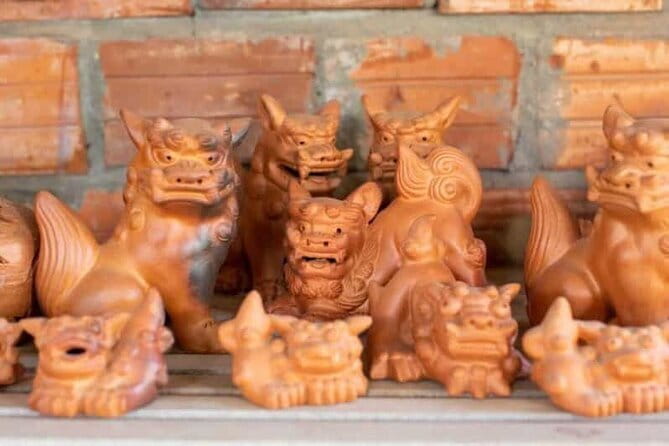
Thanh Ha is about as close as you can get to the real rhythm of Hoi An without needing a long day trip. The village sits just a short ride from the Hoi An ancient town area, and the vibe is calmer the moment you arrive. This isn’t pottery as a staged souvenir-photo factory. It’s pottery as something people do because it’s part of family life.
What makes Thanh Ha special is that it’s been kept going for more than five centuries. Villagers make useful pieces—cups, jars, bowls, pots—and the craft is passed down through generations. You can feel that continuity in how the class is taught: it’s practical, repeatable, and grounded in technique, not just decoration.
You’ll also notice that Thanh Ha pottery doesn’t depend on molds. Many pottery studios use standardized shapes so the results all look identical. Here, artisans shape each piece by hand and with a foot pedal. That’s why your finished item may look slightly different from what you imagined at the start—in a good way. It means the craft is personal.
You can also read our reviews of more tours and experiences in Hoi An.



Meeting the Craftsman’s Home and Seeing Products Up Close
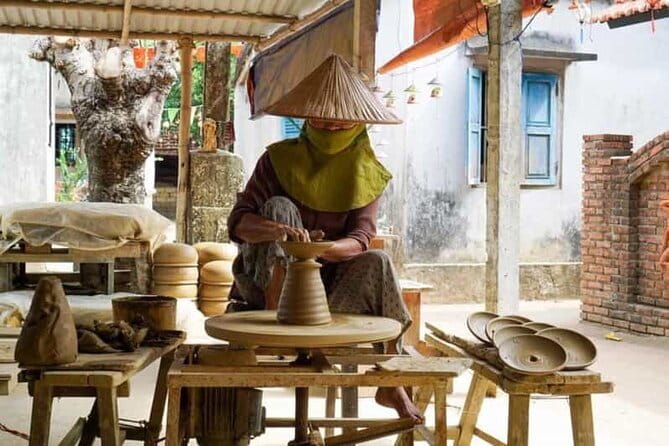
Your experience starts at Cơ sở trải nghiệm gốm Nguyễn Sáu (Nguyen Sau pottery village), Phạm Phán, Thanh Hà, Tp. Hội An, Quảng Nam, Vietnam. From there, you head into the space where the work happens. You’ll be welcomed into the home of a local craftsman and get a chance to look at local pottery products before you start making.
This part matters more than you might think. When you’ve seen the types of items made in Thanh Ha—useful ceramics, practical shapes—it becomes easier to understand what the instructor is guiding you toward. Pottery stops being abstract and starts looking doable.
You’ll also get to see the craft culture in motion. Even if you’re not making anything yet, you’re watching tools, materials, and the working style locals use. It’s a quick way to get oriented so the 20-minute class later doesn’t feel rushed or mysterious.
Handbuilding Without Molds: Why Thanh Ha Feels Different
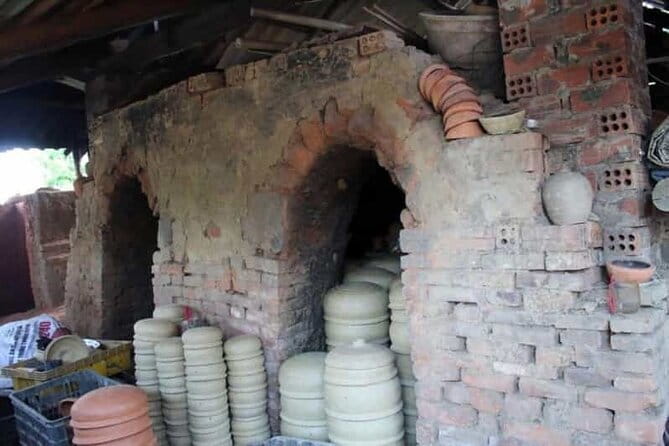
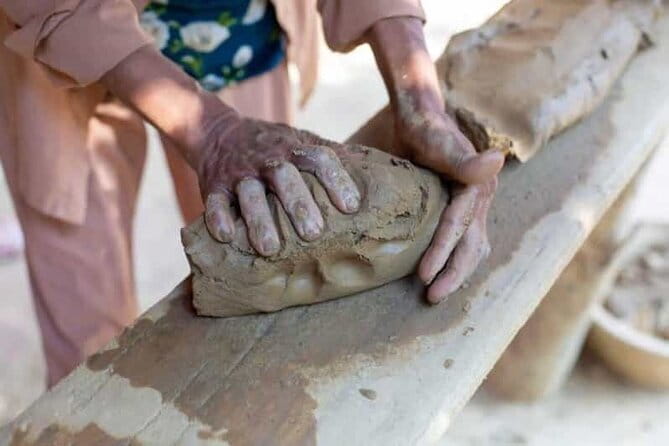
The biggest technical hook of Thanh Ha is the handbuilding method. The artisans shape pieces without molds, using hand techniques and a foot pedal. That combination affects everything: the texture you end up with, the thickness of the walls, and how the form comes together as you press and shape the clay.
For you, the payoff is simple: your piece won’t look like it came from the same machine as everyone else’s. Even if you choose a common design, the process creates natural variation. That’s part of the charm—and it’s also part of why the souvenirs here feel more earned.
Another thing I like: the experience doesn’t act like clay work is magic. You’re taught how to make decisions—what to do first, what to watch during making and drying, and how decoration fits after the forming stage. The instruction is focused on steps, not vague inspiration.
The 20-Minute Pottery Class: Clay, Technique, Drying, Trimming, and Painting
The whole tour runs around 1 hour, but the hands-on class is about 20 minutes. That’s your real workshop time with an instructor (a local craftsman instructor who shows the way).
Here’s what you learn during the class:
- Choosing the clay
- Choosing a pottery-making technique
- Making the pottery
- Drying
- Trimming
- Painting and decorating
Even with short class time, the sequence is meaningful. You’re not only shaping. You’re also learning why ceramics can’t be rushed in one step. Drying and trimming are part of getting the piece to the paint stage and keeping it looking clean and intentional.
From the kinds of items people make here, you might find yourself shaping things like a small vase or bowl, and some people also create small animal-style pieces such as a turtle whistle (the exact item can vary depending on what’s available and how you choose your design). The important part is that you’re not just stamping a flat design. You’re building a form and then decorating it.
A practical tip for better results
Go in expecting it to be hands-on and a little bit messy. Clay has a way of teaching patience. If you can keep your focus during the shaping stage, the rest flows faster. And if your piece looks slightly different than the model you saw earlier, that’s normal here—this is mold-free work.



Your Take-Home Ceramic: Gift + Souvenir You Actually Made
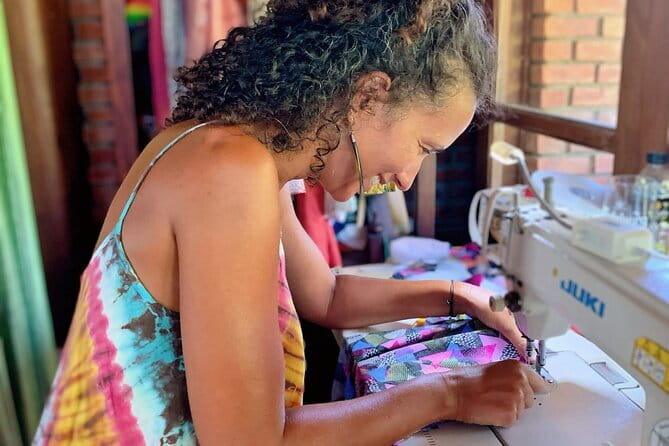
At the end, you receive a small ceramics gift and a pottery souvenir made by yourself to take home. This is a key part of the value. Many low-cost craft activities charge you for the session, then you buy the finished item separately. Here, your participation ties directly to what you bring home.
The souvenir part is especially important if you’re visiting Hoi An mainly for food and walking. A short pottery stop gives you something tangible without eating the whole day. It also gives your trip a story. You don’t just have a purchase. You have the memory of making it: choosing the clay, shaping it, then painting the final look.
If you’re planning to travel with your souvenir, treat it carefully once you get it. Even when it’s completed for gift/pickup, ceramics are still ceramics. Pack it so it won’t get knocked around during the rest of your day.
Visiting Xuan My Communal House and Nam Dieu Temple on Your Own
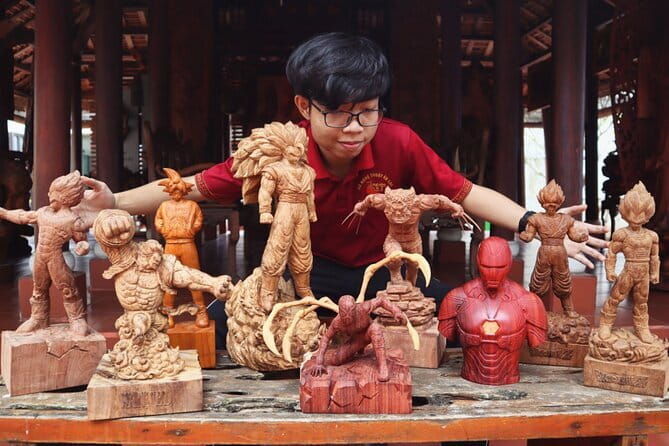
After the class, the schedule includes time for a self-guided visit to The Xuan My Communal House and Nam Dieu Temple, connected to the pottery founders. You go on your own after the pottery-making session.
I like this structure. You get the hands-on understanding first, then you can connect it to place and tradition without a forced script. When you visit later, it’s easier to appreciate why pottery matters to the community—not just as craft, but as identity.
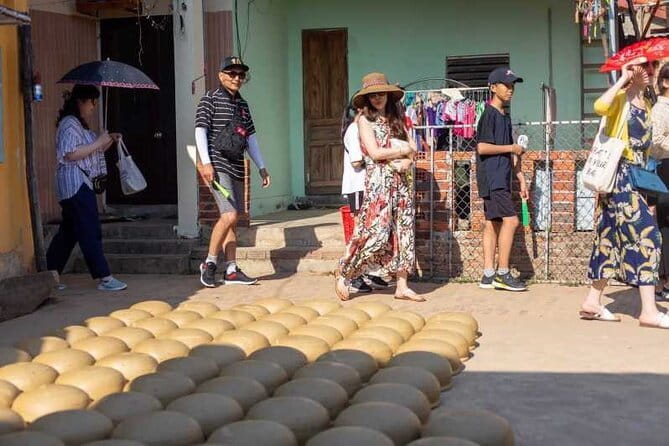
You also get time to wander around the village and enjoy the quiet atmosphere of traditional crafts at your pace. That calm walk is a good match for the kind of experience Thanh Ha delivers. You’re not there to sprint through stops. You’re there to slow down for a craft-focused hour.
Price, Time, and Logistics That Make Sense
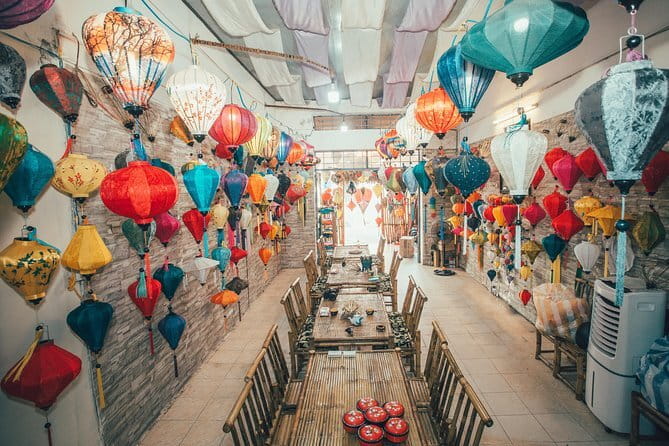
Let’s talk value, because the price is where this gets interesting. At $10 per person, you’re not paying for an extended tour. You’re paying for:
- an instructor,
- an experience making pottery,
- a small gift,
- and a take-home souvenir you made.
For Hoi An, that’s a very reasonable bundle. Especially because the group size is capped at 10 travelers, you’re less likely to feel like you’re part of a giant conveyor belt. The class is also timed to be easy to fit into a day: about 1 hour total.
One small logistical point: the activity doesn’t include soft drinks. If you want water or a cold drink, plan for it separately.
And since it uses a mobile ticket, you won’t be hunting for paper confirmations. That’s handy when you’re bouncing between sights in the ancient town area.
Who This Experience Is Best For
This pottery session is a great match if you:
- want a hands-on craft experience without committing to a half-day tour,
- like watching real local process and then trying it yourself,
- are traveling with limited time but still want something memorable beyond photos,
- enjoy small-group activities with friendly instruction.
It’s also a good “reset” activity for Hoi An. After walking and eating in town, the quieter village environment feels like a change of pace. And because the class is structured around steps, it works well even if you’ve never touched clay before.
If you’re the kind of traveler who wants expert-level technical training or long studio time, you may find the 20-minute class short. But if your goal is to try, learn basic stages, and take home a real piece, this hits the sweet spot.
Should You Book Pottery Making with the Locals in Thanh Ha Village?
Yes, I’d book it if you want a meaningful craft experience at a fair price. The combination of handbuilt work without molds, a short but structured class, and a take-home souvenir plus a small gift makes this a solid deal. It also gives you a calm, village-side contrast to Hoi An’s busy streets.
I’d skip or rethink it only if you need a longer workshop to really master a technique, or if you strongly prefer tours with a fixed guided commentary for every stop. Here, part of the experience is intentionally self-paced after the class.
FAQ
How much does Pottery Making with the Locals in Thanh Ha Village cost?
It costs $10.00 per person.
How long does the experience last?
The pottery-making activity is about 1 hour (approx.).
Is there a pottery class, or is it just watching?
There is a pottery-making class. The class portion is around 20 minutes.
What’s included in the price?
Included are a local instructor, the experience making pottery, one little gift, and one pottery souvenir made by yourself to take home.
Do I get to paint or decorate my pottery?
Yes. The class includes painting and decorating as part of the process.
Are soft drinks included?
No, soft drinks are not included.
Where does the experience start?
The start point is Cơ sở trải nghiệm gốm Nguyễn Sáu (Nguyen Sau pottery village), Phạm Phán, Thanh Hà, Tp. Hội An, Quảng Nam, Vietnam.
How big is the group?
The activity has a maximum of 10 travelers.
Is it suitable for most people?
The activity says most travelers can participate.
What happens after pottery making?
You can visit The Xuan My Communal House and Nam Dieu Temple on your own, and you also have time to explore the village area by yourself.