REVIEW · HOI AN
Hoi An Cooking Class with Local Chef
Book on Viator →Operated by Happy Tour · Bookable on Viator
Three hours, five Vietnamese flavors. This Hoi An cooking class is built for momentum: you learn key local dishes fast, then sit down for lunch or dinner right after. I like the small-group feel (up to 10 people) because you get more time with the chef, not just a quick demo. I also like the menu mix, which targets Hoi An favorites like bánh xèo, papaya salad, and crispy spring rolls.
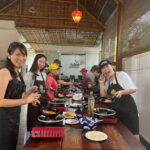
The main thing to consider is style and expectations. One negative note said the class felt more like meal preparation in a restaurant than the photos suggest—so if you’re hoping for a very hands-on, home-kitchen vibe, it’s smart to ask what the setup is like before you go.
In This Review
- Key Things I’d Mark on Your Mental Map
- A 3-Hour Hoi An Class With Lunch, Not Just Cooking Demos
- Starting Point in Cam Thanh: Easy Location, No Pickup Needed
- How the Chef Teaches: Fast, Friendly, and Focused on Local Choices
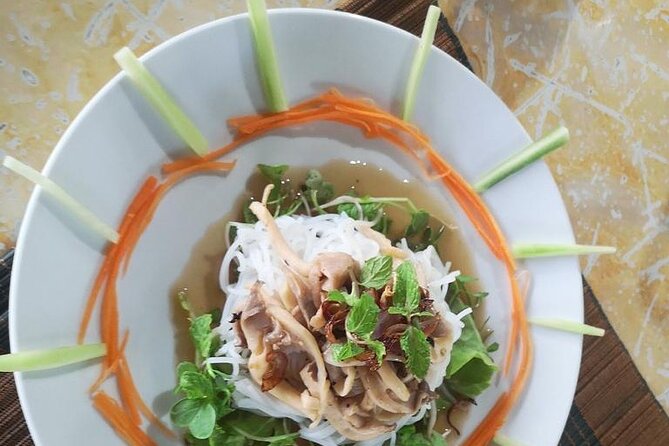
- What You’ll Cook: Bánh Xèo, Papaya Salad, and More
- Bánh xèo: The Crispy Hoi An Signature
- Papaya salad: Crunch plus tang
- Fried spring rolls: Deep-fried, not shy
- Chicken with lemongrass: Fragrant and straightforward
- Clay-pot pork or fish with steamed rice: Comfort, Vietnamese style
- Seasonal fruit
- Evening Session (18:00): Menu Changes the Next Day, Then You Roll With It
- Vegetarian Option: Planned Swaps, Not Just Skipping
- Where the Value Really Comes From: Included Meal + Recipe Book
- The One Thing That Can Go Wrong: Expectation vs. Reality
- Who This Cooking Class Is Best For
- Should You Book This Hoi An Cooking Class?
- FAQ
- How long is the Hoi An Cooking Class?
- What dishes will I learn to cook?
- Is lunch or dinner included?
- Does the price include pickup or drop-off?
- Is there a vegetarian option?
- Is the class size small?
- Where do I meet for the class?
- Will the menu be the same for the 18:00 session?
- What happens if the weather is bad?
- Can I change or cancel after booking?
Key Things I’d Mark on Your Mental Map
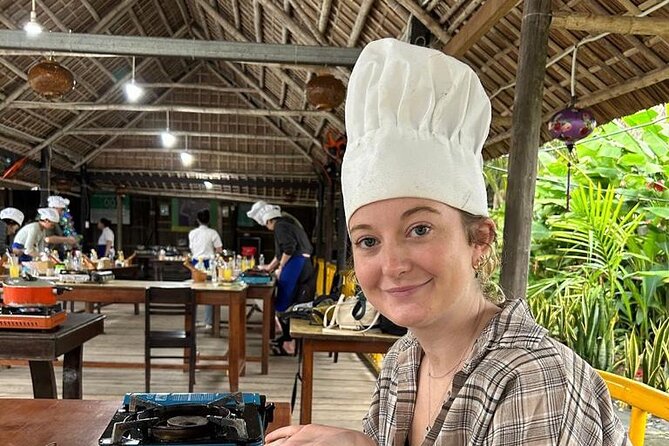
- Up to 10 people, chef-led attention: Smaller groups help the instructor keep track of each station and answer questions.
- A real meal is included: You cook, then you eat a local lunch or dinner plus seasonal fruit.
- Hoi An classics in one session: Bánh xèo, papaya salad, fried spring rolls, lemongrass chicken, and clay-pot pork or fish are on the typical list.
- Ingredient tips, not just recipes: The chef shows how to choose ingredients and even explains interesting Vietnamese names.
- Vegetarian adjustments are planned: If you’re vegetarian, ingredients can switch to mushrooms, tofu, or eggplant.
- You leave with a recipe book: Handy if you want to repeat the dishes at home.
A 3-Hour Hoi An Class With Lunch, Not Just Cooking Demos
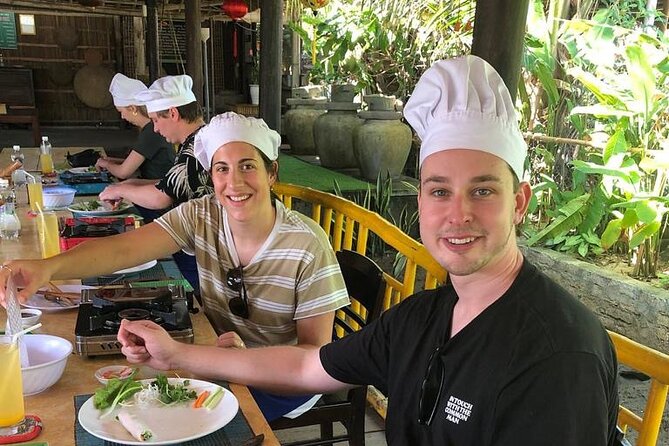
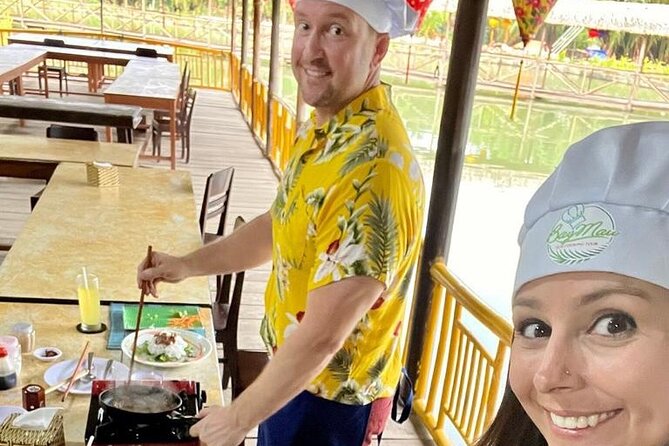
For $22 per person, you’re paying for more than a recipe lesson. You’re buying a 3-hour block of instruction plus the outcome: food on your plate. That matters in Vietnam, where a lot of “cooking experiences” turn into watching someone else work while you do a quick wrap or stir. Here, the class is structured around cooking multiple dishes in a short time, so you get something practical at the end of it.
The timing also fits how you’ll likely travel through Hoi An. A 3-hour activity is easy to slot into a day without wrecking your schedule. And because it ends back at the meeting point, you’re not stuck with an all-day logistics plan.
You can also read our reviews of more cooking classes in Hoi An

Starting Point in Cam Thanh: Easy Location, No Pickup Needed
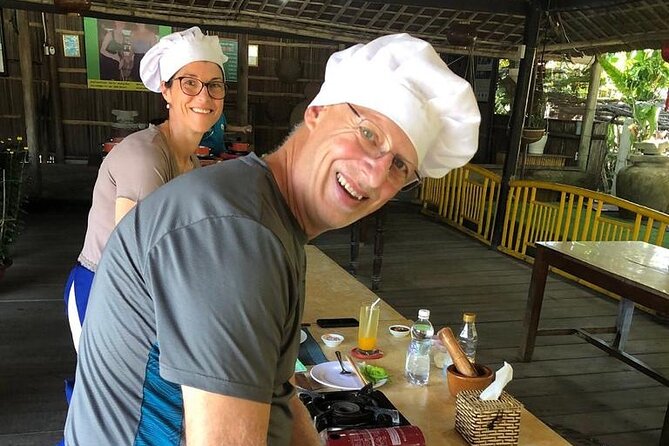
The session starts at Villa Hoa Vừng (Bartonia Villa), in Cẩm Thanh, Hoi An (meeting point is listed at V9M9+C6R). There’s no pickup or drop-off included, so you’ll want to plan to arrive there on your own.
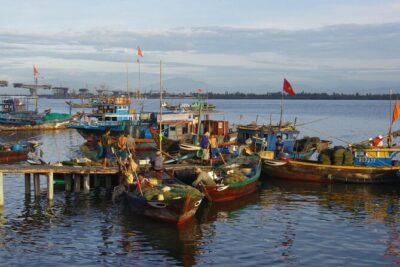
One practical upside: it’s noted as near public transportation. That’s useful if you don’t want to rely on a private driver for a single activity. Also, the activity is labeled with Cam Thanh as a stop, which gives you that sense of being in the wider Hoi An area rather than only a city-center kitchen.
How the Chef Teaches: Fast, Friendly, and Focused on Local Choices
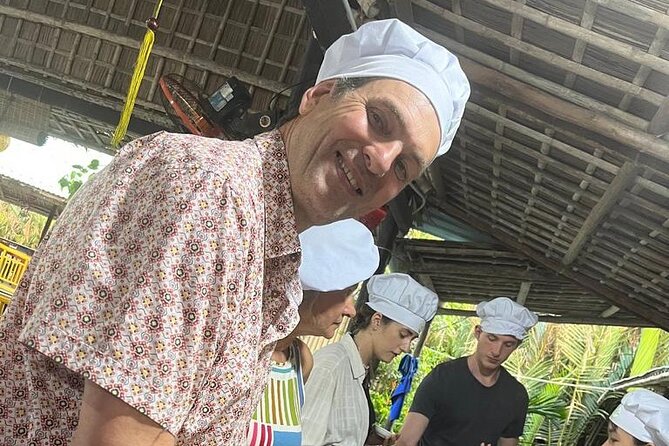
The teaching style is described as friendly and enthusiastic, and that shows up in the way the class is laid out. The chef prepares all ingredients, but you still learn key decision points—like how to pick good items and why certain ingredients matter. The “Vietnamese name” piece is more than trivia. It helps you connect what you cook with what you’ll see at markets and menus afterward.
I like that the chef-led approach is built for beginners. One of the strongest themes in the feedback is that the instruction feels approachable, with steps explained clearly enough to follow even if you’ve never cooked Vietnamese food before.
Also, the course format is designed to keep moving. You’re not stuck on one dish for the full time. That’s important if you want variety without spending your whole afternoon chopping, frying, and simmering at a slow pace.
What You’ll Cook: Bánh Xèo, Papaya Salad, and More
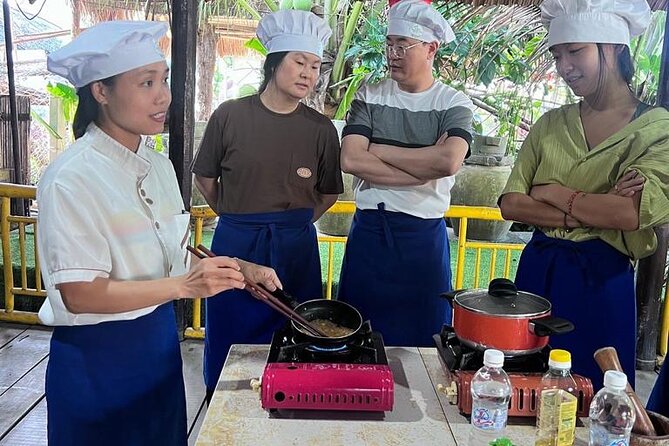
The class menu is designed to hit several textures and flavor styles: crispy, fresh, sour-sweet, and savory. The sample menu includes:
- Bánh xèo (rice pancake with fresh salad)
- Papaya salad with shrimp cracker
- Fried spring roll
- Chicken with lemongrass
- Clay pot pork or fish with steamed rice
- Seasonal fresh fruits
Bánh xèo: The Crispy Hoi An Signature
Bánh xèo is a rice pancake that’s famous for crisp edges and a thin, savory base. You typically serve it with fresh salad and herbs, so it’s not just fried-on-a-pan food. It’s also a “build your bite” dish—herbs and greens matter, not optional.
This class specifically frames it as rice pancake with fresh salad, which tells you the goal isn’t only to make something that looks right. It’s to build the full eating style.
You can also read our reviews of more tours and experiences in Hoi An




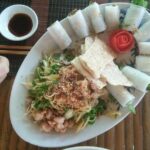
Papaya salad: Crunch plus tang
Papaya salad is all about balance: fresh crunch, sour brightness, and a savory backing. In this menu, it’s paired with a shrimp cracker. That gives you a crunchy contrast, so you’re not eating one uniform texture.
For anyone new to Vietnamese cuisine, this is a great choice because you can taste the flavor logic quickly. You understand the idea of sour, sweet, salty, and spicy instead of memorizing steps blindly.
Fried spring rolls: Deep-fried, not shy
The fried spring roll is deep-fried spring rolls in the list of dishes. That means you’ll likely focus on rolling technique and frying timing—two things that separate soft and greasy from crisp and satisfying.
If you’ve had spring rolls that tasted fine but weren’t crisp, this is where you learn why crispness happens.
Chicken with lemongrass: Fragrant and straightforward
Lemongrass shows up in a lot of Vietnamese cooking because it brings strong aroma without needing fancy ingredients. The menu includes chicken with lemongrass, which usually means you learn how Vietnamese cooking treats fragrance as flavor, not just scent.
Clay-pot pork or fish with steamed rice: Comfort, Vietnamese style
This dish is listed as pork or fish in a clay pot with steamed rice. Clay pots are used for a reason: heat holds and transfers differently than thinner cookware. Even if you don’t get a chemistry lesson, you’ll taste the result—often deeper savory notes with rice that soaks up the sauce.
Seasonal fruit
This class includes seasonal fresh fruits at the end of the meal service. It’s a small detail, but it’s one of the best “finishers” because you end up eating lighter after fried or saucy dishes.
Evening Session (18:00): Menu Changes the Next Day, Then You Roll With It
The night session (18:00) changes and is confirmed 1 day in advance. That’s normal for cooking classes using seasonal ingredients and shifting availability, but it’s worth planning around.
If your schedule is tight and you’re set on specific dishes, keep an eye on the session you booked. During the day, you should expect the sample menu pattern. For 18:00, treat the menu as “similar category, different exact items.”
Vegetarian Option: Planned Swaps, Not Just Skipping
Good news if you eat vegetarian: the class says ingredients for cooking will be changed into veggies, specifically mushrooms, tofu, and eggplant.
That’s a practical approach. You’re not left with a token plate of side items while others cook meat dishes. You get to practice Vietnamese cooking methods with substitutions that fit the cuisine. It’s also a relief for picky eaters who want to avoid guesswork at the end of a long lesson.
Where the Value Really Comes From: Included Meal + Recipe Book
Let’s talk value in a way that helps you decide. You’re paying $22 for a 3-hour cooking class, and the price includes:
- Local lunch or dinner
- A recipe book
You aren’t paying extra for the meal outcome. And because there’s a recipe book, you’re not walking away with only photos and memories. It gives you a way to recreate the dishes later—important if you travel and want to keep the experience alive at home.
What’s not included: drink, pickup, and drop-off. That means if you’re used to tours that roll in transfers and water bottles, you’ll want to budget a little for local drinks on your own. But overall, $22 is still a strong deal for cooking instruction plus a full meal.
The One Thing That Can Go Wrong: Expectation vs. Reality
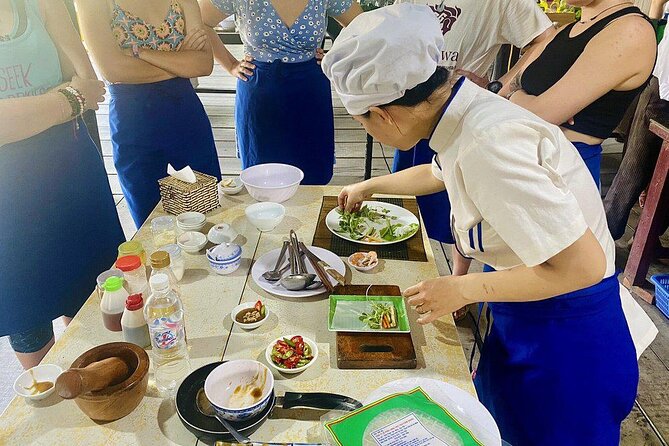
One lower rating focused on mismatch with pictures and described the experience as meal preparation in a restaurant rather than what the photos suggested. That doesn’t mean the class is bad. It does mean you should go in with clear expectations:
- You’ll cook, learn steps, and get a meal.
- The chef-led portion is central.
- The environment/setup might vary.
If your motivation is specifically a home-style setting, I’d ask the provider what the kitchen setup looks like. It’s the simplest way to avoid disappointment.
Who This Cooking Class Is Best For
I’d steer you toward this class if:
- You want a quick, structured way to learn Vietnamese dishes without a long day.
- You like small-group learning because you’ll likely have more chances to ask questions.
- You’re a beginner and want steps explained clearly, especially for making dishes like bánh xèo and spring rolls.
- You want a meal that’s part of the lesson, not just a separate restaurant stop.
I’d consider skipping (or at least asking questions first) if you’re hunting for a very specific filming-style scene from marketing photos, where the whole vibe is a “hands-on home kitchen” story. The cooking is the point here, and the setup may be more functional than cinematic.
Should You Book This Hoi An Cooking Class?
If you’re looking for value, hands-on learning, and a meal you helped make, this is an easy yes. The class format is built around a tight 3 hours with real dishes, and the inclusion of lunch or dinner plus a recipe book turns it into more than a short activity. Add a vegetarian-friendly option and an instructor who teaches in a friendly, energetic way, and you have a solid plan for getting to know Hoi An flavors fast.
Before you book, only do one extra thing: confirm what the experience environment looks like for your session. That small check is the difference between a fun cooking lesson and a mild letdown.
FAQ
How long is the Hoi An Cooking Class?
It runs for about 3 hours.
What dishes will I learn to cook?
The sample menu includes bánh xèo, papaya salad with shrimp cracker, fried spring rolls, chicken with lemongrass, and pork or fish in a clay pot with steamed rice, plus seasonal fresh fruits.
Is lunch or dinner included?
Yes. Local lunch or dinner is included.
Does the price include pickup or drop-off?
No. Pickup and drop-off are not included.
Is there a vegetarian option?
Yes. If you’re vegetarian, ingredients will be changed into veggies such as mushrooms, tofu, and eggplant.
Is the class size small?
Yes. It has a maximum of 10 travelers.
Where do I meet for the class?
The meeting point is Villa Hoa Vừng (Bartonia Villa), located in Cẩm Thanh, Hội An (V9M9+C6R).
Will the menu be the same for the 18:00 session?
No. The night session menu is different and is confirmed 1 day in advance.
What happens if the weather is bad?
The experience requires good weather. If it’s canceled due to poor weather, you’ll be offered a different date or a full refund.
Can I change or cancel after booking?
This experience is non-refundable and cannot be changed for any reason.