REVIEW · HOI AN
Hoi An: Cooking Class + basket boat (free transfer in Hoian)
Book on GetYourGuide →Operated by Sanna Tour · Bookable on GetYourGuide
Hoi An cooking starts with a coconut boat. You get hands-on Vietnamese cooking plus a Bay Mau forest ride, so the day feels like food and nature working together. It’s a simple format with clear steps: shop, ride, cook, then eat what you made.
What I like most is how you learn the why, not just the motions. You’ll cook four Central Vietnam favorites (spring roll, Vietnamese pan cake, papaya salad, and pho), and you also get time to chat with fellow food-minded people in a small-group class. One highlight I’d repeat is the energy from the guide—Jennifer can keep things moving and fun, even when it’s raining.
One possible snag: some sessions can feel a bit rushed, and the coconut-boat portion may depend on which part of the morning you do. If boat time is a must for you, match your schedule to the slot that clearly includes the ride after the market.
In This Review
- Key things to know before you go
- Central Vietnam Flavors, Built for Beginners
- What You’ll Cook: Spring Roll, Vietnamese Pan Cake, Papaya Salad, Pho
- Spring Roll
- Vietnamese Pan Cake
- Papaya Salad
- Pho
- Market to Kitchen: Why the Morning Ingredient Run Matters
- Bay Mau Coconut Forest by Basket Boat: Fun, Scenic, Weather-Friendly
- The Cooking Room: How a Small Group Changes Everything
- Lunch and Eating Your Results: Where the Day Clicks
- Price and Value: Is $25 a Good Deal?
- Timing Options: Pick the Slot That Matches Your Priorities
- Where You Meet and How Transfers Work in Hoi An
- What to Bring (and What Not to)
- Should You Book This Hoi An Cooking Class + Basket Boat?
- FAQ
- How long is the Hoi An cooking class and basket boat experience?
- What dishes will I cook?
- Is lunch included?
- Does the tour include hotel pickup and drop-off?
- Where is the meeting point?
- What should I bring?
Key things to know before you go
- Four dishes, real technique: spring roll, Vietnamese pan cake, papaya salad, and pho
- Bay Mau coconut forest ride: a basket boat through the waterways
- Market shopping first: you pick up ingredients you’ll cook with later
- English guide + small-group feel: easier questions and more interaction
- Cooking receipt on your timing: you can get the recipe sheet whenever you like
Central Vietnam Flavors, Built for Beginners
Hoi An is one of the easiest places in Vietnam to learn cooking because the food here sits right at the crossroads. Central Vietnamese cuisine has influences from Southeast Asia and France, and you see that mix in flavor balance: herbs and brightness alongside deeper, savory notes.
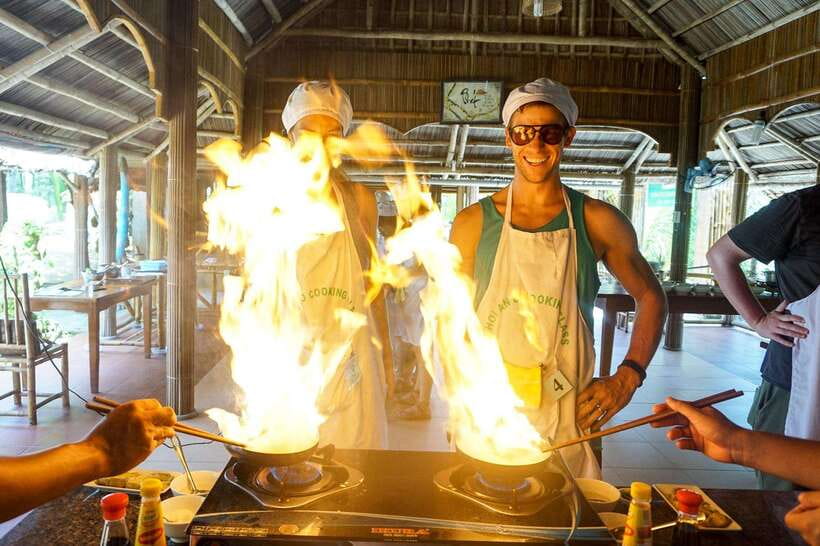
In this class, the goal is practical. You’re not just watching someone cook—you’re doing the steps that create texture and balance. That matters if you want to cook again later, not just remember what the dish tastes like.
You also get a guide who speaks English, so you can ask questions as you go. I like that because Vietnamese dishes often hinge on small details—how herbs are cut, how sauces are balanced, and when to stop cooking. When you can ask those questions, you leave with more than a meal.
You can also read our reviews of more boat tours in Hoi An
What You’ll Cook: Spring Roll, Vietnamese Pan Cake, Papaya Salad, Pho
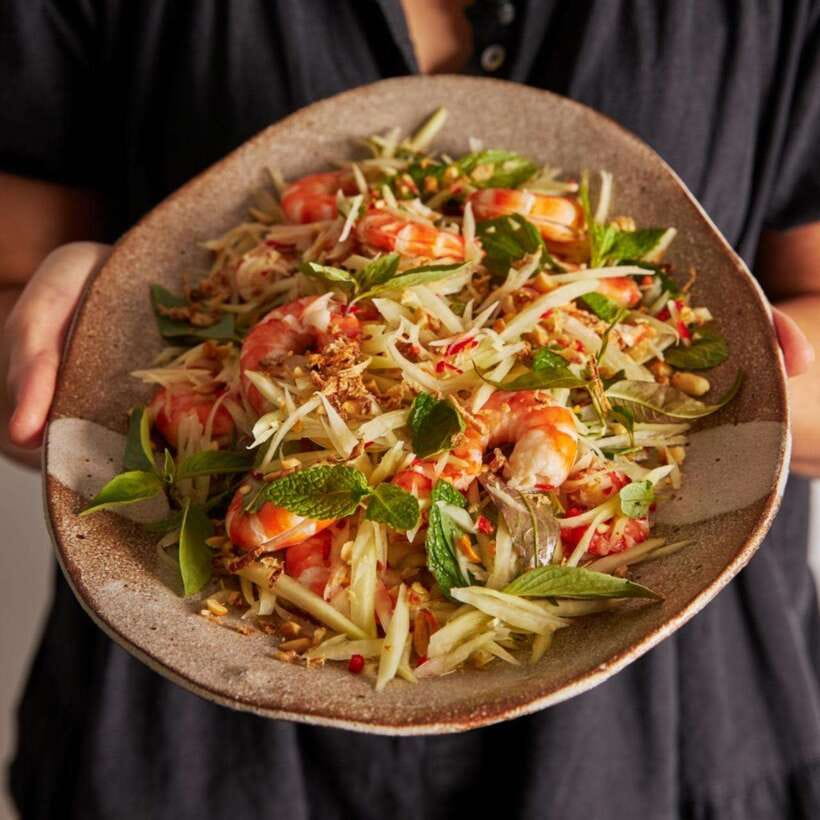
This experience is built around four dishes. That’s a good ratio for a 2-hour-style class length, because each one teaches a different skill set instead of repeating the same thing four times.
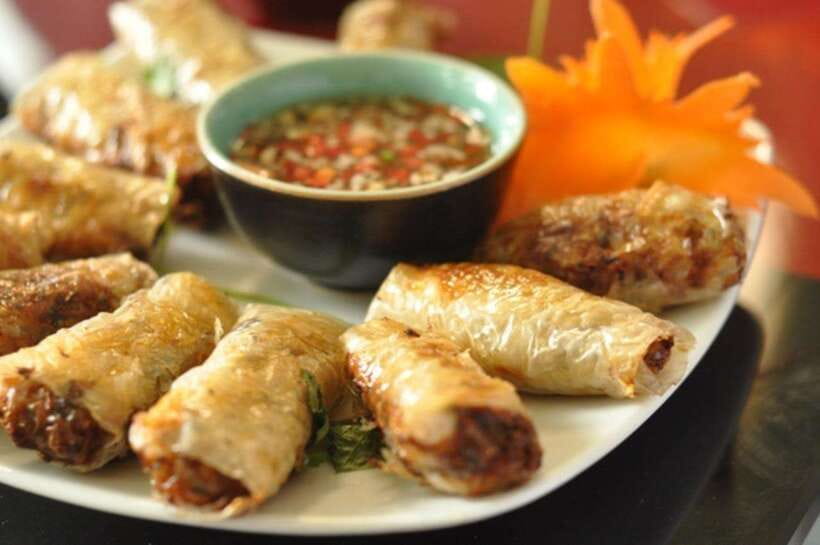
Spring Roll
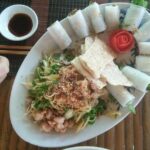
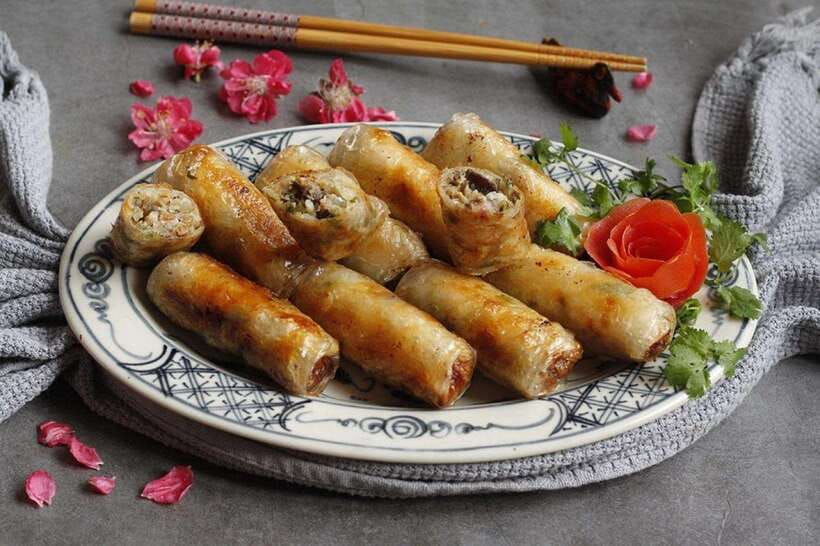
Expect a hands-on session that shows you how fillings and wrapping work together. Spring rolls are a great starter because they teach you proportion and handling—too much filling or the wrong folding can ruin the result.
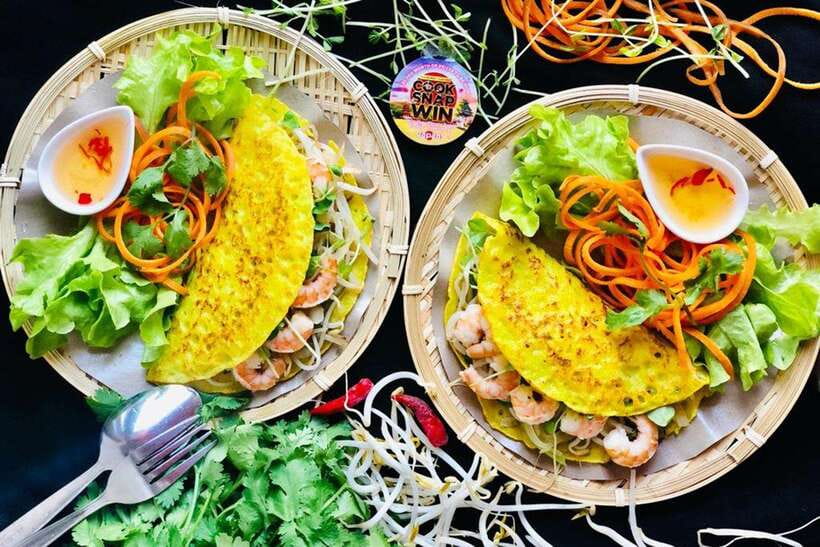
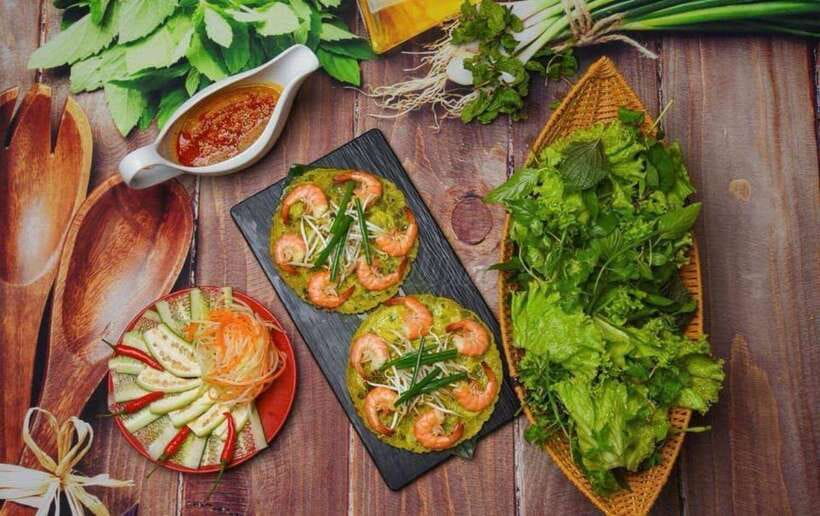
Vietnamese Pan Cake
This is often the dish people remember most, because it combines a savory batter with toppings and the idea of crisp edges. You’ll learn how to manage the pan heat and timing so it doesn’t go soggy.
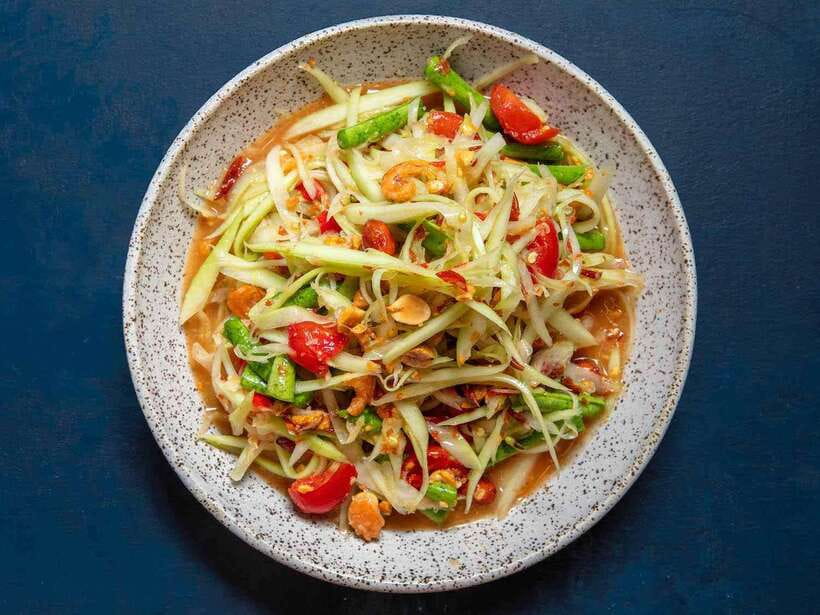
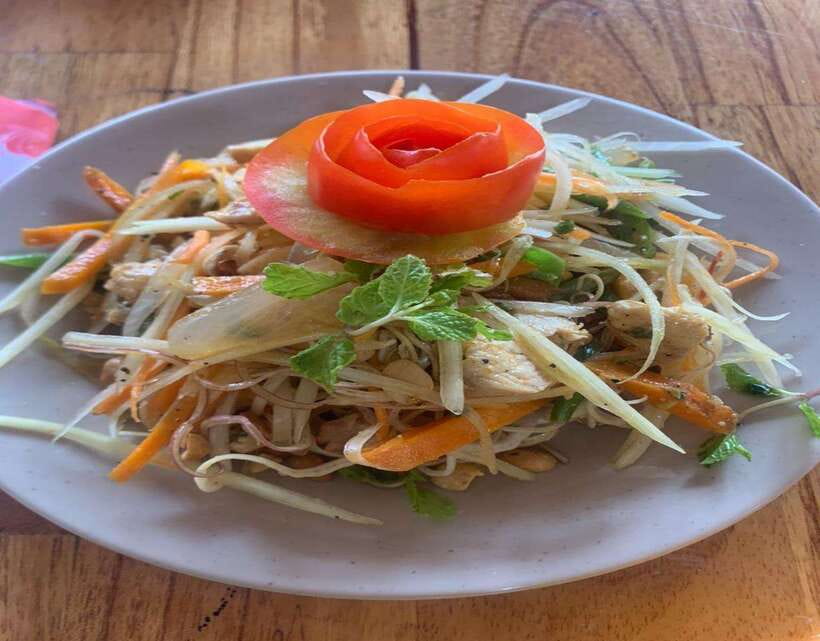
Papaya Salad
Papaya salad is all about the balance: salty, sour, sweet, and herb freshness. Even if you’ve had it before, this class format helps you understand why the salad tastes the way it does—especially the role of dressing and how you prep ingredients.
You can also read our reviews of more cooking classes in Hoi An
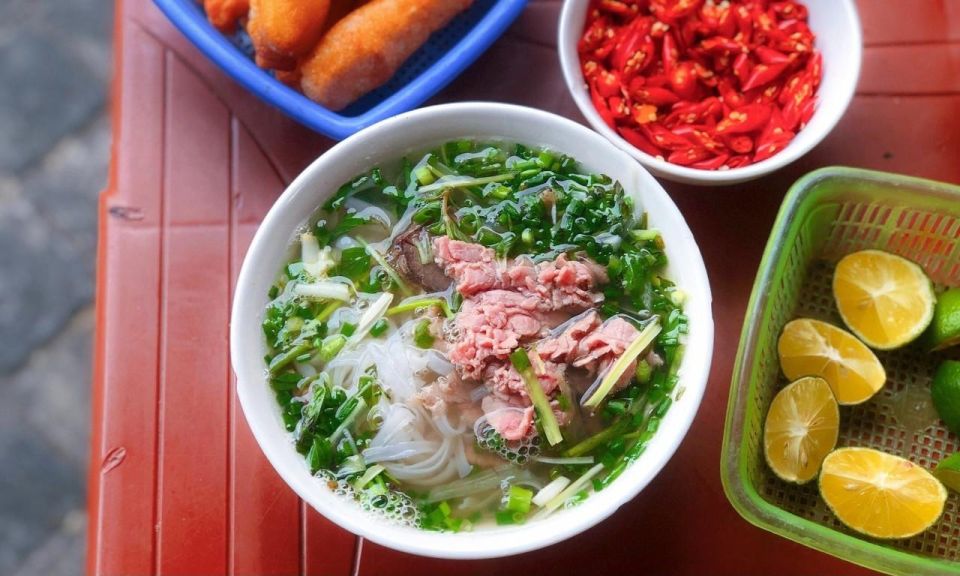
Pho
Pho is a big dish to tackle, but in a cooking class setting it’s usually about learning the key steps and flavor approach. You’ll get the chance to make and taste it immediately, which is the fastest way to understand how the components fit together.
If you’re a foodie who likes variety, this lineup is smart. You move from crunchy + savory (spring roll and pan cake) to herb-forward and tangy (papaya salad), then to warm comfort (pho).
Market to Kitchen: Why the Morning Ingredient Run Matters
When your schedule includes the market stop, you’ll do more than “see where food comes from.” You actually shop for what you’ll cook. That’s one of the best parts of this kind of class, because it makes the flavors feel personal.
The market timing is designed for momentum. You’ll go shopping around 9:30 AM in the morning option that pairs market and boat, and those ingredients become your lesson plan. Later, when you’re chopping, mixing, and assembling, you’ll know what each item is doing in the dish.
Practical note: if you’re picky about ingredients or want specific herbs/seasoning, a market step is when you’ll notice the differences. Even if you don’t plan to recreate everything at home, shopping makes the class feel grounded in real Vietnamese cooking.
Bay Mau Coconut Forest by Basket Boat: Fun, Scenic, Weather-Friendly
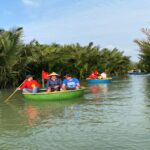
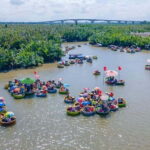
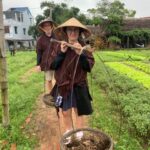
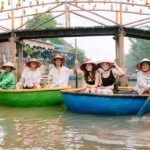
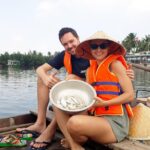
The boat ride is through the Bay Mau Coconut Forest, using a basket-style boat. It’s not a long expedition—think of it as a nature break that also sets the tone for the day.
Why it’s worth your time: Vietnam’s waterways and coconut landscapes are part of daily life in the region. The ride gives you a sense of where ingredients and inspiration come from, without turning the day into a full-day tour.
Also, it’s surprisingly doable even in bad weather. In at least one recent run, the boat was still fun in the rain, which tells me the operators plan for real conditions, not perfect postcards.
One thing to watch: in some scheduling setups, the coconut boat portion may depend on doing the morning market/site segment. If you care most about the boat, choose the time slot that explicitly includes the boat ride after the market rather than the cooking-only portion.
The Cooking Room: How a Small Group Changes Everything
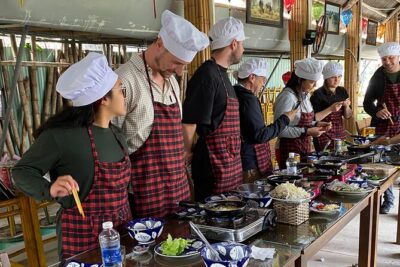
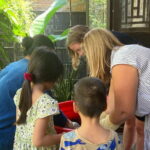
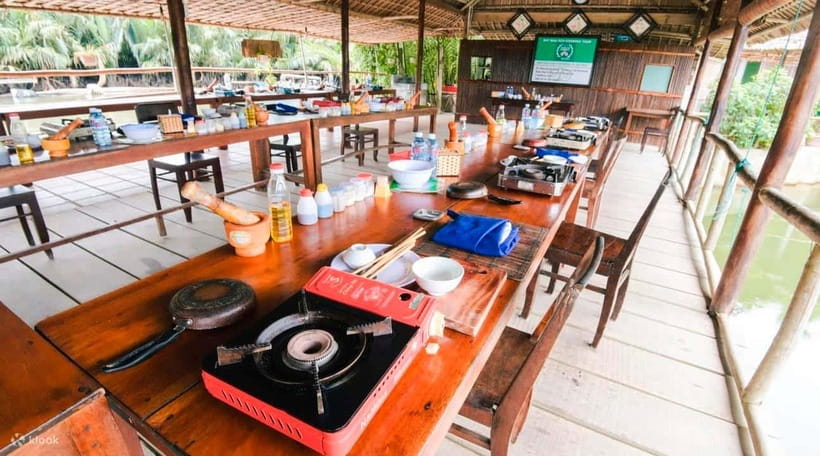
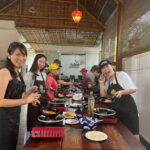
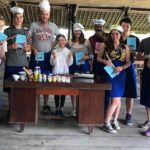
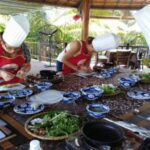
The class has a small-group feel, which makes a big difference for learning. In a big group, you can end up watching while other people get hands-on time. Here, you’re more likely to get enough attention to actually correct what you’re doing.
You’ll also be cooking four meals and then eating what you make. That keeps the class from feeling like an instruction video. It’s more like a workshop where the reward is immediate.
If you enjoy interaction, you’ll probably like the pace too. Recent feedback highlighted a guide with energy—Jennifer came up as especially strong at making the activity entertaining while still teaching. Good energy matters in a cooking class because concentration drops fast when you’re rushed.
Lunch and Eating Your Results: Where the Day Clicks
You’re served lunch as part of the experience, and it’s tied directly to what you cooked. That’s one of the simplest ways to judge whether you actually learned something. If the food tastes balanced and satisfying, you did the hard part right.
Eating on-site also helps you reset before going back outside. After a cooking session, you’re usually ready for a little quiet time—even if it’s just sitting for a meal and comparing notes with the people next to you.
One bonus detail: you can take your cooking instructions with you later. The class includes a cooking receipt you can receive whenever you like, which is great if you want to look at it after you’ve had time to remember what you liked most.
Price and Value: Is $25 a Good Deal?
At $25 per person for about 140 minutes, this is priced like a value-focused activity. The key question isn’t just the cost—it’s what’s bundled into that time.
You’re getting:
- Pickup and drop-off service
- English-speaking guide
- Ingredients used for cooking
- Lunch plus a bottle of water
- The cooking class portion
- In the sessions that include it: the coconut basket boat ride
For Hoi An, that’s a lot packed in. Cooking classes can easily cost more when you add transfers, ingredients, and meal. Here, your money is mainly buying coordination and teaching, plus the food you eat.
The value depends on whether your chosen time slot includes the boat portion. If you’re booking for the coconut-forest ride as much as the cooking, double-check your schedule matches the run that explicitly includes it.
Timing Options: Pick the Slot That Matches Your Priorities
This experience runs multiple windows, including pickups at 8:30 AM, 10:30 AM, 1:30 PM, and 2:45 PM.
The clearest pairing of market + boat + cooking is the earlier route starting around 8:30 AM:
- You’re picked up at your hotel
- You go to the market around 9:30 AM
- You ride the coconut basket boat around 10:30 AM
- You cook and have lunch around 11:00 AM to 12:30 PM
- You’re dropped back around 1:00 PM
There are later options that focus more on the cooking block. Because the written schedule changes by start time, I recommend choosing the slot that lines up with what you care about most:
- If you want the boat: choose the session that includes the ride after the market segment
- If you want cooking with less extra movement: a cooking-focused afternoon slot can still be worth it
If you’re trying to plan the rest of your day, treat the schedule as a real commitment. This isn’t a slow, wandering experience—it’s a structured half-day activity.
Where You Meet and How Transfers Work in Hoi An
If your hotel is in central Hoi An, pickup is part of the deal. If it’s not in the area, you’ll need to go to the meeting point yourself.
The meeting point is:
Trần Nhân Tông, Cẩm Thanh, Thành phố Hội An, Quảng Nam
This matters because Vietnam neighborhoods can be a little spread out. If you’re unsure whether your hotel counts as central Hoi An, check before you go so you’re not waiting around.
Also, keep in mind that the experience is wheelchair accessible, so the operators are used to supporting different needs.
What to Bring (and What Not to)
For a smooth day, pack lightly and dress for moving:
- Sunscreen
- Comfortable clothes
The tour doesn’t allow alcohol and drugs, which is standard for a shared group cooking setting.
If you tend to get warm quickly in a kitchen, wear something breathable. You may be doing hands-on work before you eat, and you’ll want to feel comfortable during chopping and mixing.
Should You Book This Hoi An Cooking Class + Basket Boat?
I think you should book it if you want an efficient way to understand Central Vietnam through food. The mix of market learning, cooking instruction, and (for the right slot) a basket boat through the Bay Mau Coconut Forest makes the day feel like more than just another “make a dish” activity.
Skip or reconsider if:
- You’re booking mostly for the boat and you’re not sure your time slot includes it
- You don’t like structured schedules and feel rushed easily—this experience moves, and not every run will feel relaxed
Best fit:
- Food lovers who want four dishes instead of one
- Travelers who like learning by doing
- People who enjoy small-group energy and guided explanations in English
If your goal is to leave Hoi An with actual cooking skills and a memory tied to flavor, this is a strong pick.
FAQ
How long is the Hoi An cooking class and basket boat experience?
The duration is listed as 2 hours – 140 minutes, depending on the selected time slot.
What dishes will I cook?
You’ll cook four meals: spring roll, Vietnamese pan cake, papaya salad, and pho.
Is lunch included?
Yes. Lunch is included, along with a bottle of water and the cooking ingredients.
Does the tour include hotel pickup and drop-off?
Yes, it includes pickup and drop-off service if your hotel is in central Hoi An. If your hotel is not in Hoi An, you should go to the meeting point by yourself.
Where is the meeting point?
The meeting point is Trần Nhân Tông, Cẩm Thanh, Thành phố Hội An, Quảng Nam.
What should I bring?
Bring sunscreen and comfortable clothes.