REVIEW · HOI AN
HOI AN Biking River Islands, Village Crafts PRIVATE TOUR
Book on GetYourGuide →Operated by Local Buddy Tours Vietnam · Bookable on GetYourGuide
Rural lanes, craft stops, and local stories in one easy half day. I like that this tour mixes active biking with hands-on village work, not just photo stops, and that guides like Trung, Kha, and Lanh help you talk with people as you go. One thing to consider: you’ll cycle about 17 kilometers (10 miles) at a moderate pace, so it’s not ideal for low-fitness days or slow, stops-every-2-minutes sightseeing.
What makes it work well is the flow. You cross over to the quieter side of Hoi An (Cam Kim Island), then you move through working villages where crafts and food are part of everyday rhythm. The price also feels fair for what you get: bike, helmet, an English-speaking guide, and entry/fees are covered.
In This Review
- Key points before you pedal
- Hoi An by bike: why Cam Kim and the villages feel more real
- Meeting point and the “easy day” biking reality
- Cam Kim Island: bridge views, fishing lanes, and farm life
- Rice paper, rice grinding, and the surprise of homemade food
- Rice wine making: the workshop moment you’ll remember
- Tra Nhieu straw mats: reeds, weaving, and a whale worship temple detour
- Kim Bong Carpentry Village: wood and seashell in the same breath
- Coffee break, optional river meal, and the boat ride finish
- Price and value: what $38 covers and why it feels fair
- Who this tour fits well (and who should think twice)
- Tips to make your day smoother
- Should you book this Hoi An craft bike tour?
- FAQ
- How long is the tour?
- How far do we cycle?
- Is pickup from my hotel included?
- What’s included in the tour price?
- Is a meal included?
- What should I bring, and what’s not allowed?
Key points before you pedal
- Cam Kim Island crossing: a scenic start that puts you away from the crowds fast
- Rice paper + local treats: you see the steps in a home setting and get to taste
- Rice wine process: watch how it’s made, with chances to sample
- Tra Nhieu straw mats: learn how reeds become the woven mats used in village life
- Kim Bong carpentry demo: see wood and seashell craftsmanship up close
- Optional meal and boat return: a practical end to an active half day
Hoi An by bike: why Cam Kim and the villages feel more real
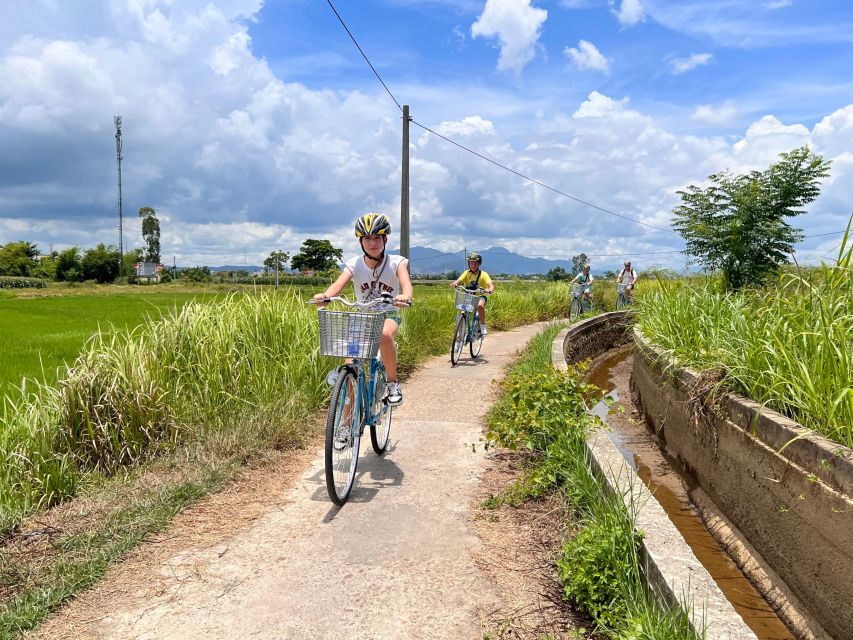
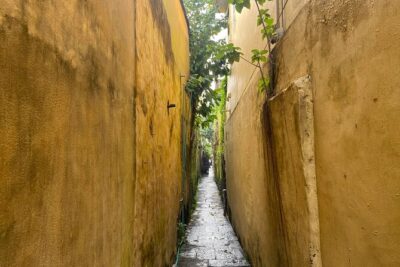
The big payoff here is that you’re not stuck in town. Once you head toward Cam Kim Island, the scenery shifts to fishing areas, rice fields, and farmed water where prawn farms sit alongside daily work. It’s the kind of change you feel in your legs and your attention.
This tour is also built around contact. You’re not just watching from the roadside. You step into homes and workshops where rice processing and craft-making are normal jobs, and your guide translates so you can ask the basic questions that make the experience click.
You can also read our reviews of more cycling tours in Hoi An


Meeting point and the “easy day” biking reality
You start at the Local Buddy Tours Booking Office inside Song Thanh restaurant on Tran Quang Khai street in Hoi An (Cam Chau Ward). There’s no hotel pickup or drop-off, so you’ll want to be ready to meet on time and then get back where you started.
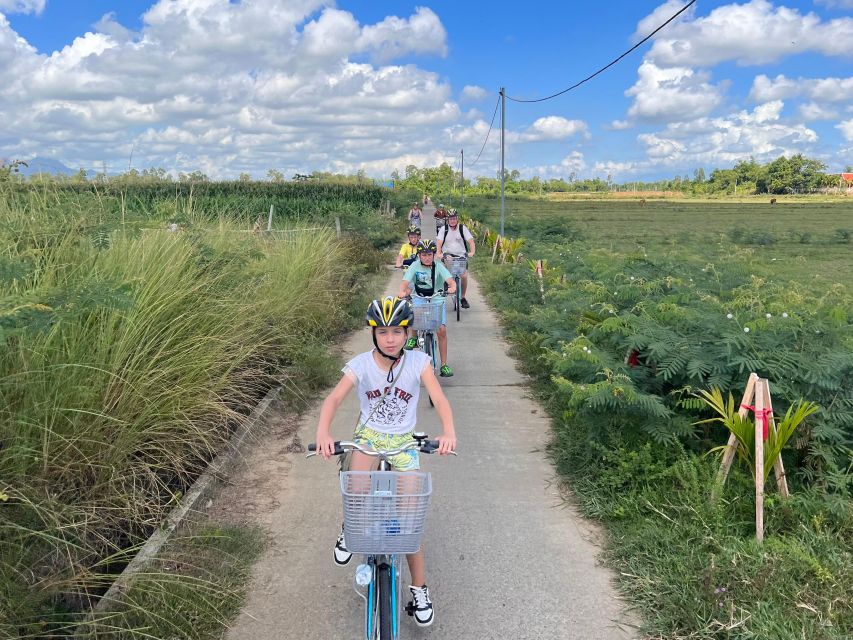
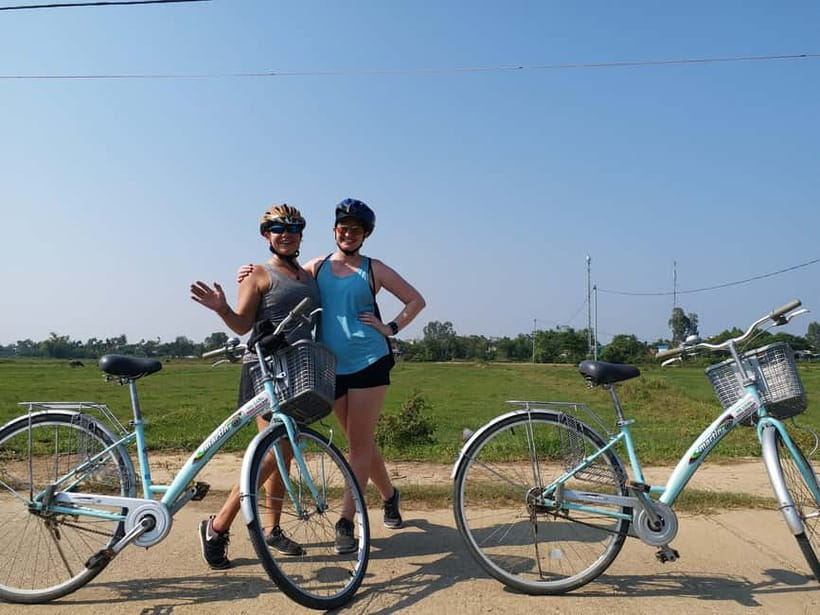
The ride is listed as about 17 kilometers / 10 miles, with a moderate fitness requirement. That’s usually manageable for many visitors, but it helps to understand what “moderate” means in Vietnam countryside: there can be uneven road surfaces, turns around fields, and a steady rhythm even when you’re stopping often.
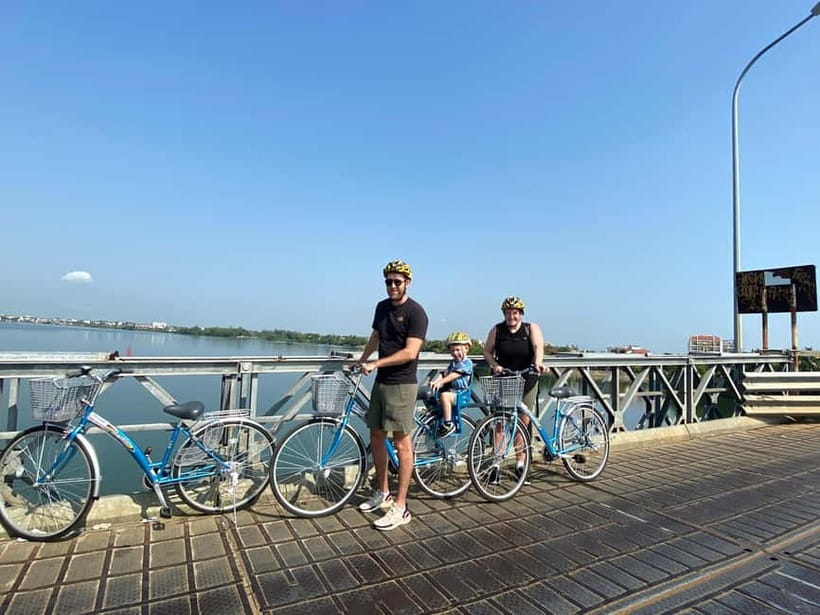
You’ll get a good quality bike and helmet, which matters. A comfortable bike reduces the risk of your tour turning into a sore-seat story. Also, you’ll want comfortable shoes and biking-friendly clothing, since jeans and high-heeled shoes are not allowed.
Cam Kim Island: bridge views, fishing lanes, and farm life
Crossing the bridge to Cam Kim Island is one of the best “start-up moments.” The route pulls you away from central Hoi An quickly, so the countryside feels like a real place—not just a background for landmarks.
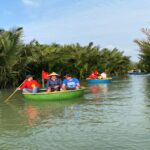
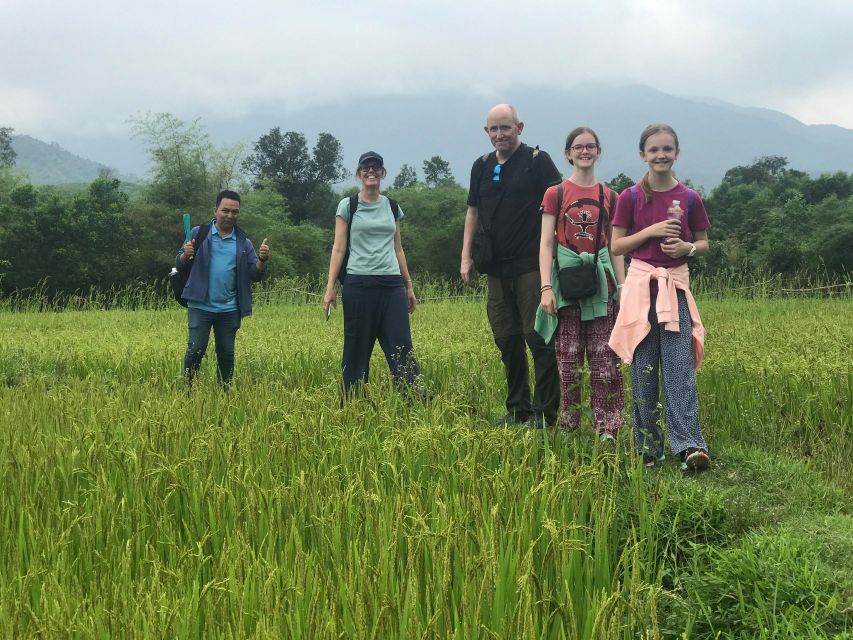
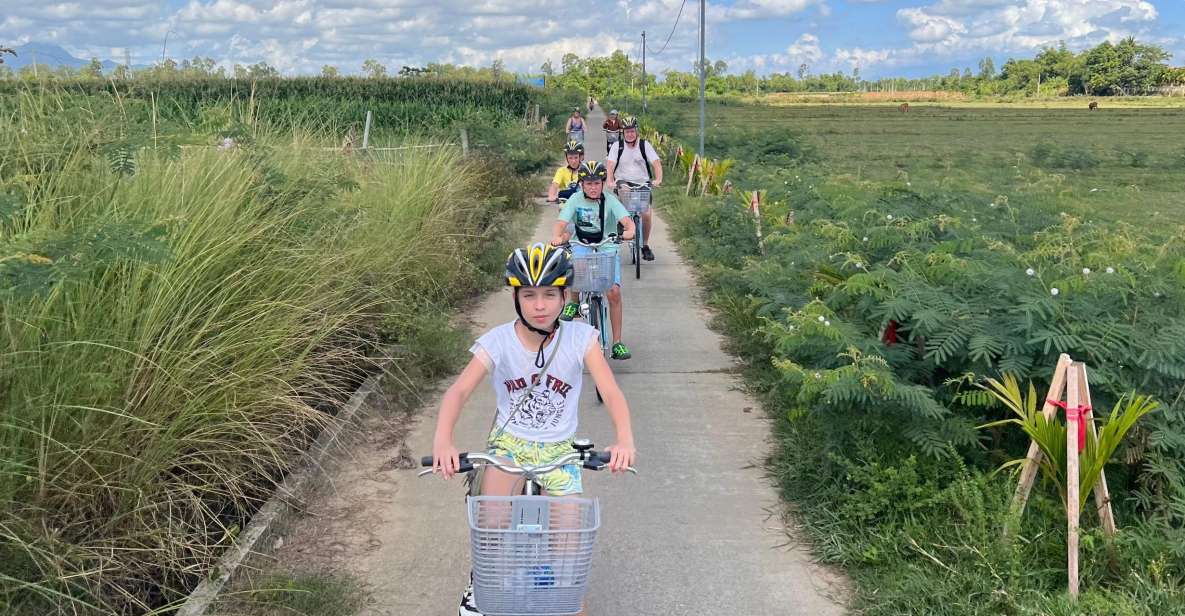
Once there, you cycle through fishing villages and areas tied to water work, plus stretches of rice paddies and prawn farms. Even if you don’t know the farming rhythm yet, you’ll see the logic: water access, nets and tools, and work happening in small, practical steps.
Stops along the way are designed for conversation and context. With guides like Trung and Kha (both noted for making it easy to chat with locals), you get more than “this is pretty.” You get names, roles, and why certain foods and crafts exist where they do.
Rice paper, rice grinding, and the surprise of homemade food
One of the most memorable parts is the home visit where rice is processed. You’ll see people grind rice, make rice paper, and sample local treats. This isn’t a quick “look then leave” stop. It’s paced so you can watch, understand the steps, and ask questions through your English-speaking guide.
Why I think this matters: rice processing is one of those tasks that many visitors only recognize as a final product (paper sheets in a package, bánh tráng in a shop). Seeing the work behind it turns the food into something you can actually connect to the landscape and the labor.
You’ll also have a better appreciation for what goes into Vietnamese comfort foods. Even your taste of local treats feels more meaningful when you’ve already watched the work happening just minutes before.
Rice wine making: the workshop moment you’ll remember
This tour includes a stop focused on the rice wine making process. You’ll watch how it’s made, and you may get a chance to taste it. The tone tends to be friendly and curious—less like a formal demonstration, more like someone showing how their craft connects to everyday life.
This is one of the points that helps the day feel different from other tours. Instead of collecting stamps on a checklist of “culture stops,” you get a food-related craft with steps and ingredients you can actually picture later.
If you’re cautious about trying alcohol, you can still appreciate the process. Just plan to be present and learn first, taste second if it feels right for you.
You can also read our reviews of more private tours in Hoi An



Tra Nhieu straw mats: reeds, weaving, and a whale worship temple detour
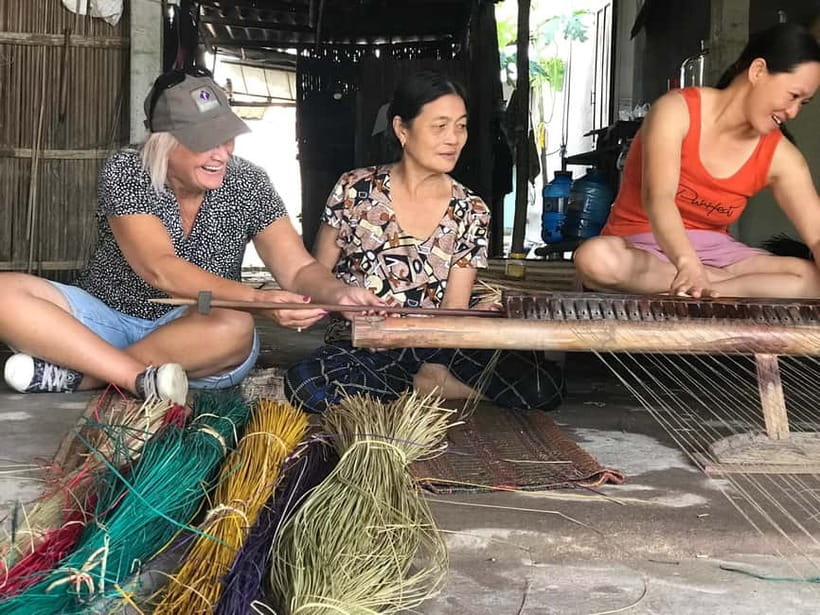
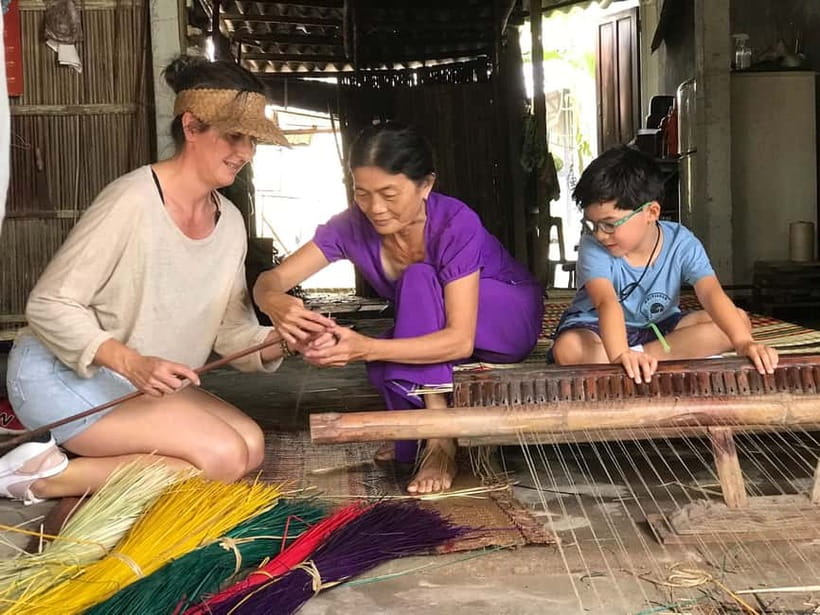
Tra Nhieu village is where the tour leans into another everyday craft: straw mat weaving. You’ll learn about how reeds become the woven mats used in village life, and you’ll see the process up close rather than as a souvenir-only concept.
It’s one of those stops that’s both hands-on and quietly impressive. The work looks simple until you watch how careful the weaving has to be, especially when the maker wants a practical mat that lasts.
You’ll also visit a quirky whale worship temple in the area. It’s not just a quick photo stop. It gives context to why coastal communities in Vietnam pay attention to maritime spirits and protection—an idea that fits naturally with the fishing lanes you biked earlier.
Kim Bong Carpentry Village: wood and seashell in the same breath
After fields and food, the day shifts again with craftsmanship in Kim Bong Carpentry Village. Here, artisans transform wood and seashells into furniture and decorative pieces.
This stop feels like a payoff for the earlier craft moments. Rice paper and straw mats show the “soft” side of village industry. Carpentry shows the “hard” side—materials worked into objects you’d recognize in a modern room, but made with traditional techniques.
Kha is specifically praised for explaining local crafts and the history of Hoi An alongside what you’re seeing. That kind of guidance helps you notice details you might otherwise miss, like how different materials get used for visual contrast and finish.
Coffee break, optional river meal, and the boat ride finish
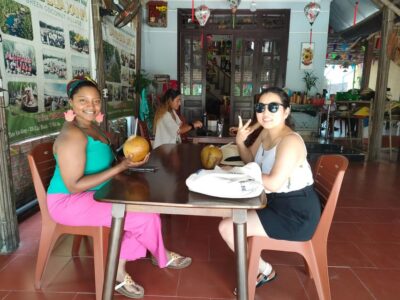
There’s a coffee stop built in, and it’s not just a caffeine grab. You’ll get to enjoy Vietnamese coffee during a pit stop with a view. It’s also a good time to catch your breath after the cycling portion.
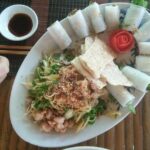
If you choose the longer option, you’ll end with a mouthwatering Vietnamese meal by the river. The tour information notes that meal inclusion depends on the duration you book, so you’ll want to check the option you select.
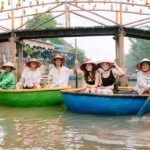
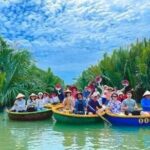
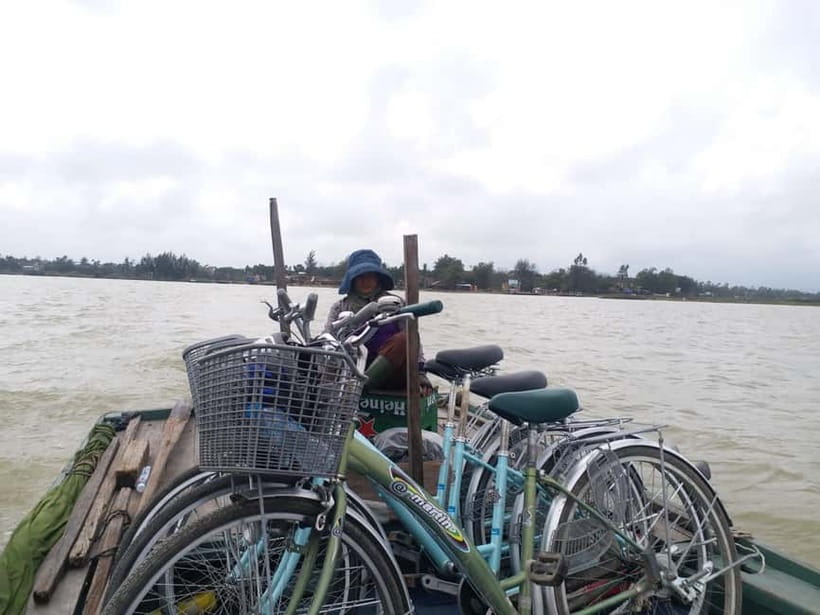
The finish includes a boat ride back to town, which is a smart touch. After biking, your body wants a change of pace, and a river ride lets you shift from “pedal mode” to “take in the scenery mode” before you wrap up at the meeting point again.
Price and value: what $38 covers and why it feels fair
At $38 per person, this tour offers good value if you want more than basic sightseeing. You’re paying for the full package: a solid bike and helmet, an English-speaking local guide, bottled water, and coverage for taxes, tickets, and entrance fees.
You’re also paying for access and translation. The guide isn’t just steering you between points; they help you talk to craftspeople and households. That’s often the difference between a tour that feels like a drive-by and one that turns into real conversation.
Don’t overlook the “donations at local homes” part either. The tour includes them, which means community stops don’t feel purely extractive. It’s one reason the experience often lands as respectful rather than transactional.
If you’re comparing options, think about what you’d spend separately for bike rental, guide time, and entry fees. This tour tends to stack those costs into one simple rate while keeping the route cohesive.
Who this tour fits well (and who should think twice)
This is suitable for all ages, but it still has a fitness requirement. If you’re comfortable cycling for about 17 km / 10 miles on a moderate pace, you’ll likely enjoy the day without rushing.
You should skip it (or look for a different format) if you have low fitness, because the cycling is part of the experience, not an optional extra. It’s also not suitable for wheelchair users, and there’s a weight limit listed at over 297 lbs (135 kg), plus an upper age limit of over 95 years.
Sensible clothing matters here too. Jeans and high-heeled shoes aren’t allowed, and you won’t want oversize luggage. The tour also prohibits alcohol and drugs, which helps keep the day focused on the ride and the craft visits.
Tips to make your day smoother
You’ll enjoy it more if you show up prepared. Bring sunscreen and a hat, and keep a phone/camera ready for bridge and river moments. The tour also notes you should have comfortable clothing for cycling.
Water is included during the tour, but you’ll still want to treat hydration seriously since you’ll be biking in the sun. One practical note from the guidance you’ll hear on this kind of ride: you’ll feel fine at the start, then the heat reminds you later. So start early with sunscreen.
Finally, keep your mindset open. Some stops are practical demonstrations, not staged performances. The best moments often come when you ask a simple question and let the guide translate the back-and-forth.
Should you book this Hoi An craft bike tour?
If you want a half-day in Hoi An that mixes countryside cycling with real village crafts—rice paper, straw mats, carpentry, and even rice wine—this is a strong choice. It’s especially worth it when you value translation and guided context, not just scenery.
I’d skip it only if cycling distance worries you or if you want zero work involved and only short, flat walking breaks. Otherwise, this tour hits a rare balance: active enough to feel like you explored, structured enough to feel comfortable, and craft-focused enough that you’ll remember more than photos.
FAQ
How long is the tour?
The tour is offered as a half-day option (about 4 hours), and there’s also a longer option that adds a meal for an extended experience (about 5 hours). You can check the specific duration and price option when booking.
How far do we cycle?
You should be comfortable cycling for about 17 kilometers (10 miles), at a moderate fitness level.
Is pickup from my hotel included?
No. Hotel pickup and drop-off are not included, and the tour ends back at the meeting point.
What’s included in the tour price?
Included items are a good quality bike and helmet, an English-speaking local guide, bottled water, and all taxes, tickets, and entrance fees. The tour also includes donations at local homes on the route.
Is a meal included?
An included or excluded meal depends on the price and duration option you choose when booking. If you select the longer option, you’ll have a Vietnamese meal by the river.
What should I bring, and what’s not allowed?
Bring comfortable shoes, sunscreen, a hat, and cycling-friendly clothing (plus a phone or camera). Jeans, high-heeled shoes, oversize luggage, alcohol and drugs, and bare feet are not allowed.