REVIEW · HOI AN
Hoi An:Cycling,Traditional Farming & Fishing Life Experience
Book on GetYourGuide →Operated by an's travel · Bookable on GetYourGuide
Follow the river routes of everyday Hoi An life. This Cam Thanh cycling and farming-and-fishing experience trades old-town sightseeing for real village routines, from paddling coconut-lined waterways to learning how local livelihoods work on the ground. I especially love how you spend time with families and see the day-to-day rhythm of Cam Thanh, and I also like the hands-on bamboo basket boat moments that turn the water into part of the lesson.
One thing to consider: this is a working countryside visit with a bit of real riding, about 6–7 km on a bicycle, so plan for heat and take it easy if you’re not used to pedaling.
In This Review
- Key takeaways before you go
- From Hoi An to Cam Thanh: the bike ride that sets the tone
- Rice, shrimp farms, and hands-on fieldwork
- Water buffalo time and palm-thatched house life
- Meet a fisherman’s family and learn local food
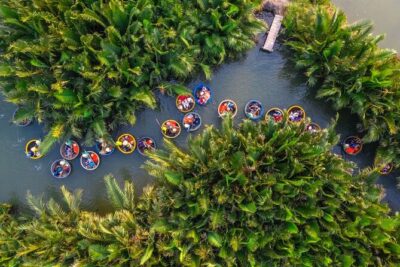
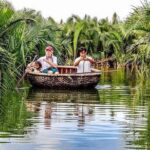
- Crabs, bamboo basket boats, and paddling the old techniques
- Lunch on land: the meal that ties the whole day together
- Practical details: pace, weather, and who this suits
- Should you book this Hoi An cycling tour?
- FAQ
- How long is the Hoi An: Cycling, Traditional Farming & Fishing Life Experience?
- What times do the tours run?
- Where does the tour take place?
- How much do I cycle?
- What activities are included besides cycling?
- Is lunch included?
- Do I need to know Vietnamese?
- What’s included in the price?
- Is pickup available from any hotel?
- What if I can’t cycle?
Key takeaways before you go
- Cam Thanh village is about 5 km from the old town, so it feels like a step outside the tourist bubble.
- Rice, fish, and shrimp farms show you how food is grown and raised locally.
- Water buffalo riding and feeding makes the farming side feel memorable.
- Palm-leaf souvenir making adds a practical craft to the day.
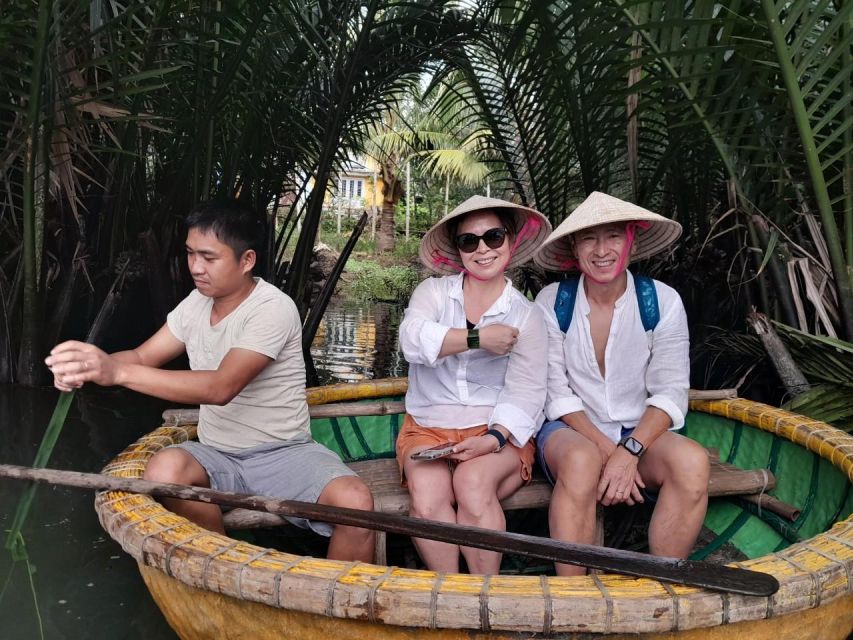
- Bamboo basket boat paddling and net fishing bring local fishing techniques to life.
From Hoi An to Cam Thanh: the bike ride that sets the tone
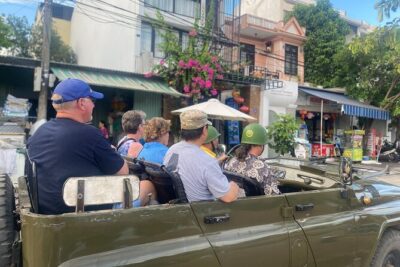
Your day starts with pickup from central areas in Hoi An and nearby parts of Da Nang, with options that can include Ngũ Hành Sơn and Điện Dương (plus other listed locations in the area). Two time windows run through the day: the morning tour goes from about 8:30am to 1:00pm, and the afternoon tour runs roughly 2:00pm to 6:30pm. This matters because it changes the feel of the ride—earlier is calmer, later can be hotter and brighter.
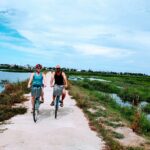
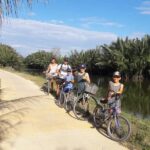
Once you meet your English-speaking guide, you cycle out toward Cẩm Thanh (Cam Thanh), a village roughly 5 km from Hoi An’s old town. The route is on narrow roads with a countryside pace, which is exactly what you want on a cultural tour like this. You’re not just traveling from A to B. You’re transitioning from the riverfront tourist zone into the working area where people raise rice, seafood, and everyday supplies that keep the region fed.
If you prefer walking, this isn’t built as a stroll tour. You’re on a bicycle for part of the morning or afternoon, and the operator notes the ride is around 6–7 km total. The good news: the cycling distance is manageable for most people who can ride comfortably at a slow pace.
You can also read our reviews of more cycling tours in Hoi An

Rice, shrimp farms, and hands-on fieldwork
Cam Thanh is known for producing a lot of what the surrounding area eats—seafood, fresh vegetables, and rice. That reputation becomes real when the tour takes you through the farming side of village life. After a photo stop and guided time around Cẩm Thanh, you get moving again with a focus on fields and farms rather than sightseeing stops.
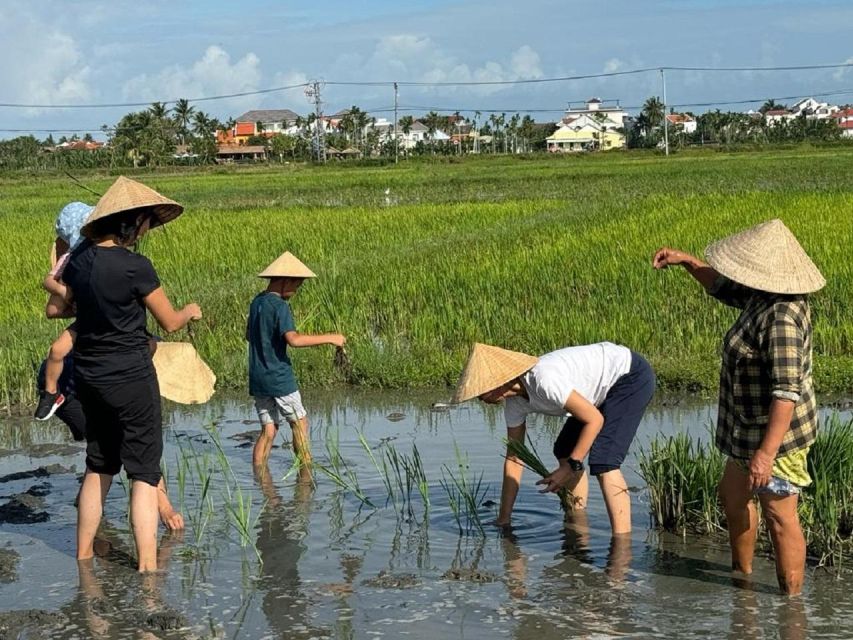
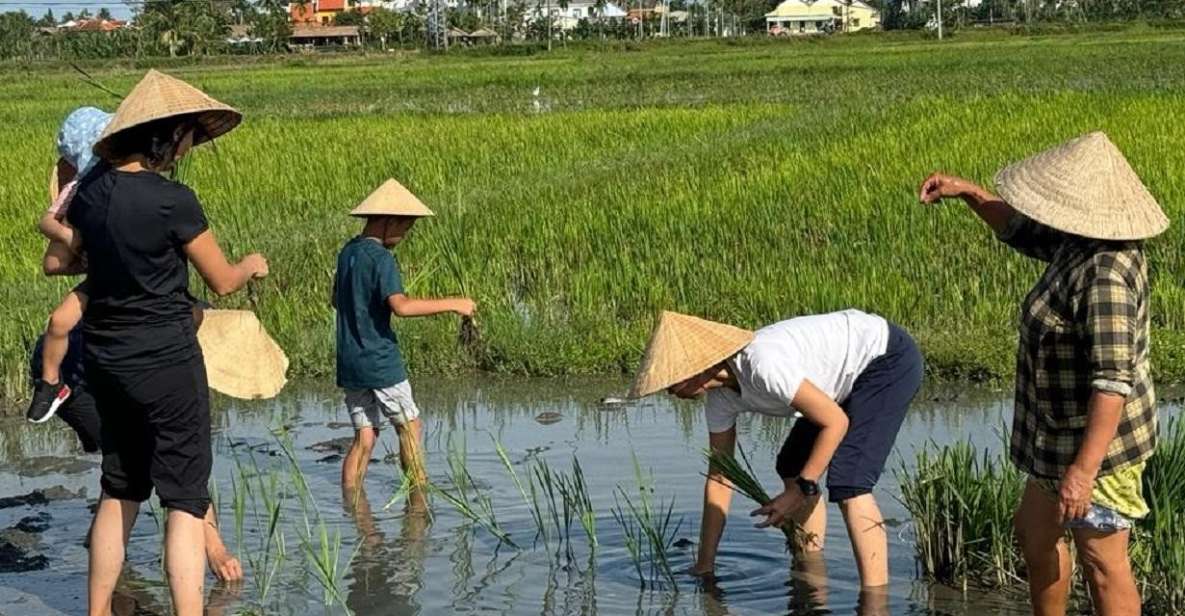
One of the most engaging parts is the chance to meet working farmers and understand how they prepare land and plant rice. You’ll stop around rice paddy areas and fish and shrimp farms, then join in with farm activities such as ploughing/field preparation and planting baby rice in the section you helped get ready. You don’t need farming skills to do this. You just need to be willing to get your hands a little dirty and follow directions.
A big value here is that the work isn’t presented like a performance. You see the logic of the place: water management matters, timing matters, and the food chain is local. When you later catch something from the water, the day feels connected rather than like separate photo ops.
Practical drawback inside this segment: you may spend time outdoors around active farm spaces. That’s great for authenticity, but you should come with sun protection and expect uneven ground around field edges. If you’re thinking about comfort, wear clothes you don’t mind getting scuffed.
Water buffalo time and palm-thatched house life
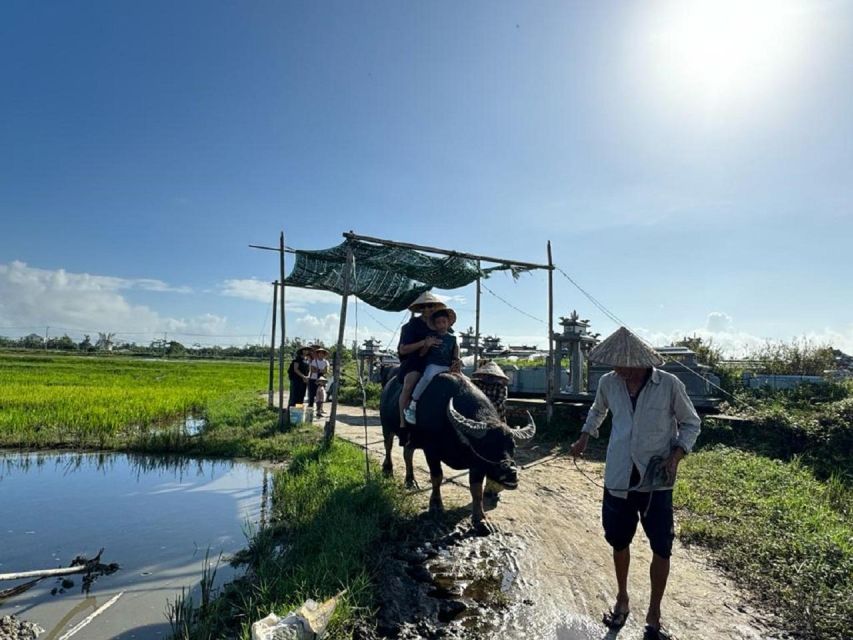
The highlight that grabs most people first is the water buffalo ride and feeding. It’s playful, but it also anchors you back to the farming backbone of the village. Buffalo are part of the everyday labor system here, not just a novelty. The tour gives you a close, guided way to interact while still keeping the moment structured and safe.
After that, the experience connects farming to traditional building culture. You’ll see local people working with palm-thatched houses—the kind of practical construction that matches the materials around you. Even if you only get to watch for a short time, you come away understanding that homes here are built with what the region naturally provides.
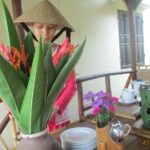
Then there’s the craft component: making souvenirs with palm leaves. This is one of those stops that helps the whole day stick in your memory. When you leave with something you made yourself, it becomes a tangible reminder of the route you took and the routines you learned about.
If you’re the type who likes action over lectures, this section delivers. It’s also family-friendly in spirit because it mixes gentle animal interaction, hands-on farm work, and simple craft steps.
Meet a fisherman’s family and learn local food
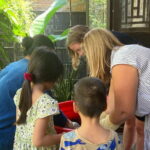
A key part of the day happens at a fisherman home. Here you get a shift from farm fields to the human side of fishing life. You’ll meet family members, and the tour includes chances to taste local items like coconut jam and tea. Small as it sounds, food tastings like this are where the story turns personal.
This home stop also gives context for why the fishing techniques matter. You learn not just what to do, but why people do it in particular ways tied to the local waterways and how the day’s catch supports meals. You’ll likely hear real explanations of methods, plus the kind of stories locals remember from living this way.
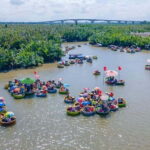
The tour also takes time to explore the water palm coconut paradise area—an environment where fishing, harvesting, and daily travel overlap. It’s also where you start to see why the village became known for seafood and how the waterways support the broader food supply around Hoi An.
One practical thought: because this is a home visit and tasting moment, be ready for a slightly slower pace than a typical group excursion. It’s worth it. This segment makes the day feel like you’re being shown around, not rushed through.
Crabs, bamboo basket boats, and paddling the old techniques
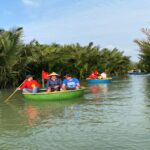
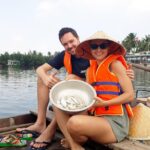
Now you get to the water part of the story. You’ll learn fishing in a way that’s tied to local tools and local timing. The tour includes catching fish and purple crabs using unique fishing nets, then pairing that with boat work in the classic style: you’ll paddle the traditional bamboo basket boat.
Even if you’ve never used a basket-boat setup before, the guide-led format makes it approachable. You’ll be taught how it works and what to watch for while you’re out on the water. This is where the earlier farming stops pay off emotionally. You go from learning about what’s raised on land to seeing how the water environment supplies food and income.
Another layer you’ll hear about is how the village connects to wartime history. The area served as a shelter during the American-Vietnam war, and the tour shares interesting and true stories about what happened there. Later, you see why the place is calmer now—and why it’s become a destination once again. That contrast is one of the reasons this tour can feel more than just scenic. It gives you a sense of change over time while still respecting the present-day working village.
This is also one of the more active segments of the day. If you’re prone to motion sickness, take it easy around the water portion and stay hydrated, since the tour includes cold water but you’ll still be out in the sun.
You can also read our reviews of more tours and experiences in Hoi An
Lunch on land: the meal that ties the whole day together
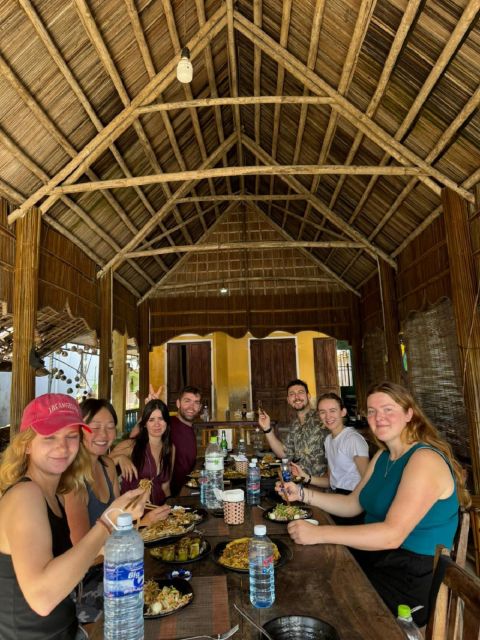
After time on the water and fieldwork moments, you’ll have lunch at the local home, included in the experience. The operator describes it as a traditional lunch (or dinner depending on the session), and that makes sense: you’ve just spent hours seeing where ingredients come from.
This is when you understand the tour’s real value. You’re not just consuming meals. You’re connecting food to place. Cam Thanh’s reputation for seafood, vegetables, and rice isn’t an abstract claim once you’ve watched planting and heard about local fishing routines.
Also, taking lunch at a local home helps keep the day from becoming purely activity-based. It slows things down long enough to process what you saw: palm tools, farm routines, water fishing techniques, and how families fit everything together.
If you’re sensitive to the idea of interacting closely with home environments, just go in with an open, respectful mindset. You’re part of their daily rhythm for a few hours, so be ready to follow the guide’s pace and cues.
Practical details: pace, weather, and who this suits
This tour is built for people who like hands-on cultural experiences. If you enjoy learning through doing—planting rice, watching practical construction, paddling a bamboo basket boat—this is a strong match. It’s also noted as fun and suitable for people of all ages, which usually means the activities are structured to be accessible rather than extreme.
The time commitment is clear: 4.5 to 6 hours, depending on the session and pacing. You cycle around 6–7 km, which is usually manageable, but you still need to consider Central Vietnam’s sun and heat. Wear breathable clothes, use sunscreen, and bring something to protect your feet. The tour provides cold water, but you’re still outdoors in a countryside setting.
Group size has a minimum of 2 travelers. If the minimum isn’t met, you’ll be offered a different date/experience or a full refund. That’s helpful for planning if you’re traveling solo or in a small group.
Pickup matters, too. Pickup is available in the Hoi An area, but it’s not offered from certain resorts like Vinpearl Resort Golf Nam Hoi An, Hoiana Resort, Bliss Resort, Tui Blue Resort, or similar areas. If you’re staying outside the pickup zone, you may need to arrange the meeting point with the operator beforehand.
Should you book this Hoi An cycling tour?
I think this is worth booking if you want a day that feels like village life, not a checklist of landmarks. The strongest selling points are the combination of hands-on farming, water buffalo moments, and bamboo basket boat fishing, all tied to real local families and meals. For a single price point—$34 per person—you get a lot of direct experience plus the practical inclusions like an English-speaking guide, transportation (bicycles and basket boat), entrance fees, and lunch.
You might skip it if you want mostly low-effort sightseeing. You’ll be outdoors, you’ll ride a bicycle, and you’ll spend time in working village areas. Also, if animals aren’t your thing, reconsider the water buffalo section.
If you’re torn, choose based on your travel style: this is ideal for curious people who like learning by doing and who don’t mind a little farmyard mess along the way.
FAQ
How long is the Hoi An: Cycling, Traditional Farming & Fishing Life Experience?
The tour runs about 4.5 to 6 hours, and the start time depends on availability.
What times do the tours run?
There are two main sessions: from around 8:30am to 1:00pm, and from about 2:00pm to 6:30pm.
Where does the tour take place?
It centers on Cẩm Thanh (Cam Thanh) village, about 5 km from Hoi An’s old town, with cycling and water-based activities there.
How much do I cycle?
You’ll cycle around 6–7 km.
What activities are included besides cycling?
You’ll have activities such as rice paddy field work, visiting fish and shrimp farm areas, water buffalo riding and feeding, learning about fishing, and paddling a traditional bamboo basket boat. You can also make souvenirs with palm leaves.
Is lunch included?
Yes. Lunch is included, served at a local home as a traditional meal.
Do I need to know Vietnamese?
No. The tour includes an English-speaking guide.
What’s included in the price?
Included items are the traditional lunch or dinner, cold water, an English-speaking tour guide, bicycles and basket boat transportation, hotel pickup/drop-off in the Hoi An area, and entrance fees.
Is pickup available from any hotel?
Pickup is available for many accommodations in the Hoi An area, but it is not available from certain resorts such as Vinpearl Resort Golf Nam Hoi An, Hoiana Resort, Bliss Resort, and Tui Blue Resort or similar areas.
What if I can’t cycle?
If you want to join but cannot cycle, let the operator know and they will look for another solution.
If you want, tell me your travel dates and where you’re staying in Hoi An/Da Nang, and I’ll help you pick the best session time (morning vs afternoon) based on your schedule.