REVIEW · HOI AN
Hoi An: Vegetarian Cooking Class w Local Family and transfer
Book on GetYourGuide →Operated by Viet Nam Happy Travel · Bookable on GetYourGuide
Cooking here tastes like home. In Hoi An, this vegetarian cooking class places you in a hands-on Vietnamese kitchen inside the Cam Thanh Coconut Village area, with step-by-step help from an English-speaking chef. I also love the local-family feel: you cook together, then sit down to share what you made and swap notes over your meal.
One thing to plan for: the cooking and dining space is set up outdoors near a river, so it can feel warm and you’ll want to come ready for bugs. It’s also not suitable for wheelchair users, so pick this one only if stairs and outdoor ground are fine for you.
In This Review
- Key things I’d bet on
- Cam Thanh Coconut Village: why the setting matters
- Hotel pickup and the meeting point you should save now
- The cooking class itself: 4 dishes, taught step-by-step
- Meal time: you eat what you cooked, together
- Vegetarian-friendly, with real-world group mixing
- The optional basket boat ride: when it’s worth adding
- Price and value: is $23 really fair?
- Who should book this class, and who should skip it
- Should you book it?
- FAQ
- What dishes will I learn in the class?
- Is the class suitable for vegetarians?
- Does the price include food?
- How long does the experience take?
- Is hotel pickup and drop-off included?
- Is it wheelchair accessible, and what about young children?
Key things I’d bet on
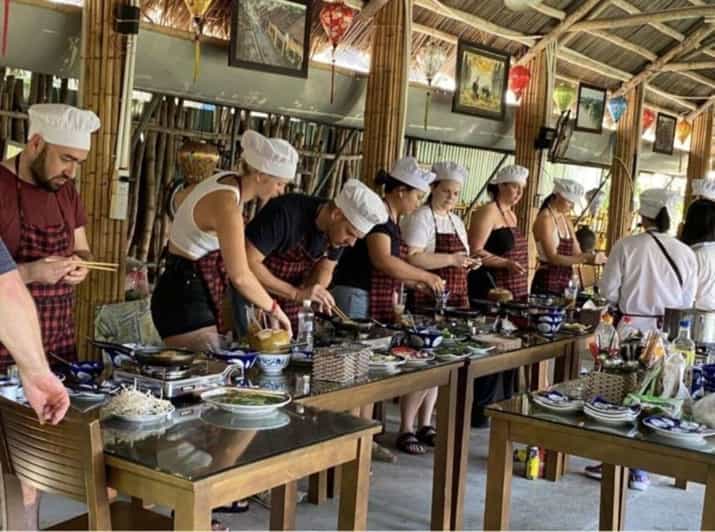
- Cam Thanh Coconut Village location: you learn Vietnamese food in the setting it actually belongs to.
- Step-by-step cooking of 4 dishes: including Hoi An rice pancake, Hoi An spring rolls, and papaya salad.
- Vegetarian-first groupings when possible: they try to keep vegetarian participants together.
- Lunch or dinner included: you eat what you cook, not just watch.
- Optional basket boat ride: for a slower, countryside-water break.
- Small group and English support: you’re not lost in a crowd.
Cam Thanh Coconut Village: why the setting matters
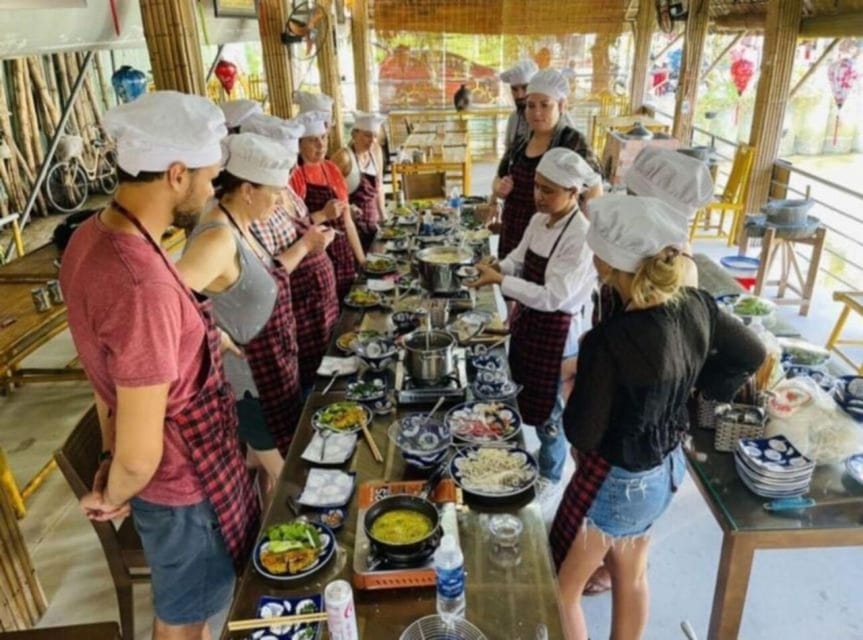
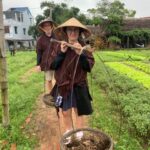
Hoi An’s best food experiences aren’t just about recipes. They’re about getting the rhythm right. This class starts in the Cam Thanh Coconut Village area, where coconut palms and water shape daily life. That matters because Vietnamese cooking is very much about balance: crisp vs. soft, sour vs. sweet, fresh herbs vs. deep stir-fry flavors.
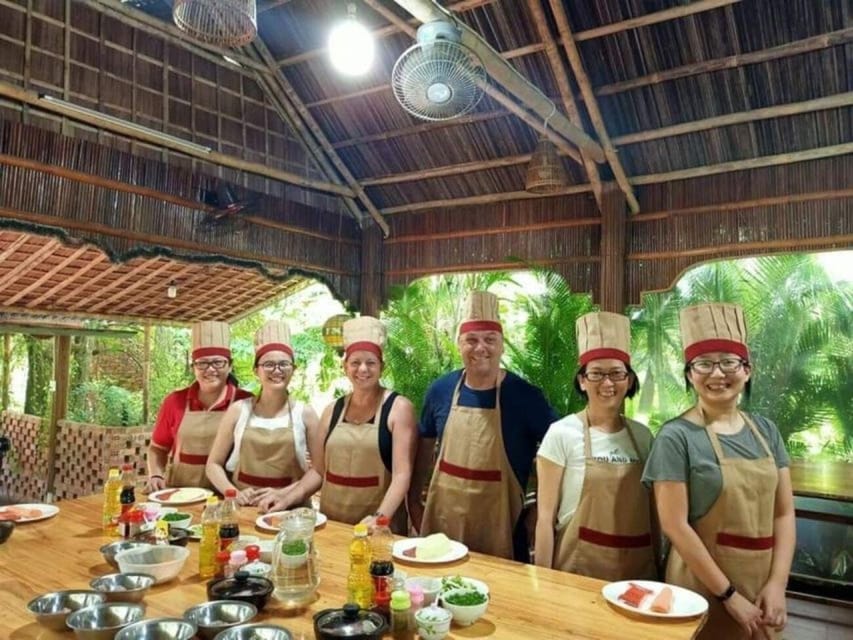
When you arrive, there’s usually a welcome moment first. Expect a welcome drink and time to reset before you cook. The kitchen-and-meal setup is typically a covered outdoor space by the river, which helps with comfort, but it also means you should expect heat and humidity, especially later in the day.
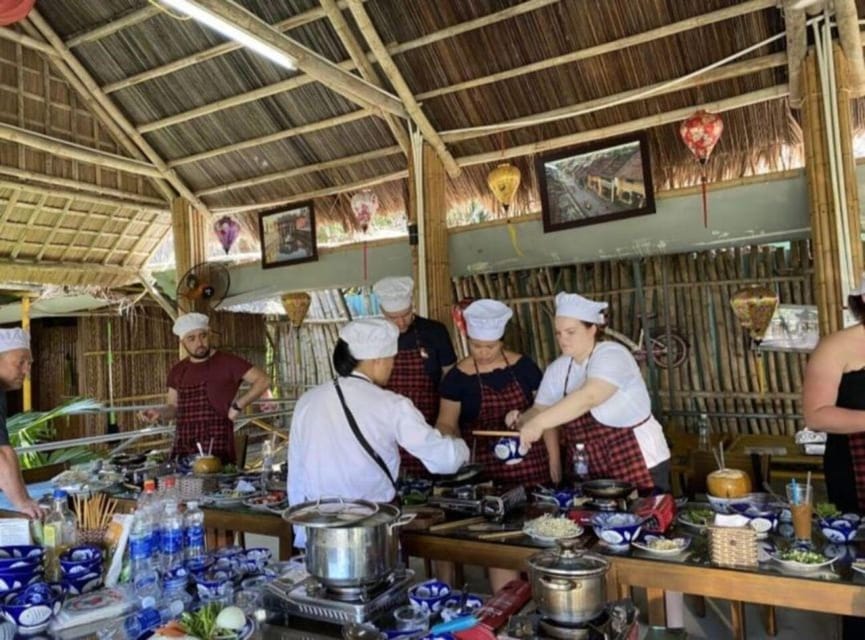
The good news: the vibe tends to feel calm and relaxed. You’re not stuck in a formal demo where the chef does everything. You get your hands in the food early, and that keeps the time from dragging. A few people also mention the staff moving smoothly, cleaning up as you go, so the whole thing stays organized even when multiple groups are cooking.
The practical catch: bring bug spray. One of the clearest tips is that the kitchen/dining area is right next to a river at night, and insects show up. If bugs bother you easily, it’s worth arriving prepared so the cooking stays the focus.
You can also read our reviews of more cooking classes in Hoi An

Hotel pickup and the meeting point you should save now
You’ve got two ways to do this. If you choose hotel pickup, the transfer runs from hotels in the Hoi An old town center, and you’ll be dropped back at the end. If you don’t pick up, you’ll want the exact meeting point saved before you go.
The meeting point is in a narrow alley next to Villa Hoa Vung, in To 5 Hamlet, Vong Nhi, Cam Thanh, Hoi An. Because it’s a narrow lane, it helps to have a precise location pin. The organizer specifically asks for a WhatsApp number so they can send the exact spot.
If you’re using the transfer, expect a short walk on local paths once you’re dropped off. Some routes involve stepping off at street level and then walking up a narrow path toward a pond area before you reach the cooking location. It’s not complicated, but it’s the kind of detail that makes the difference between smooth and stressful, especially at dusk.
So I’d do this: message them your pick-up details ahead of time, and have your phone ready with the location pin. In Hoi An, a “close by” address can still be hard to find without the exact point.
The cooking class itself: 4 dishes, taught step-by-step
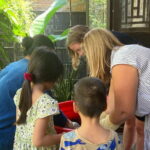
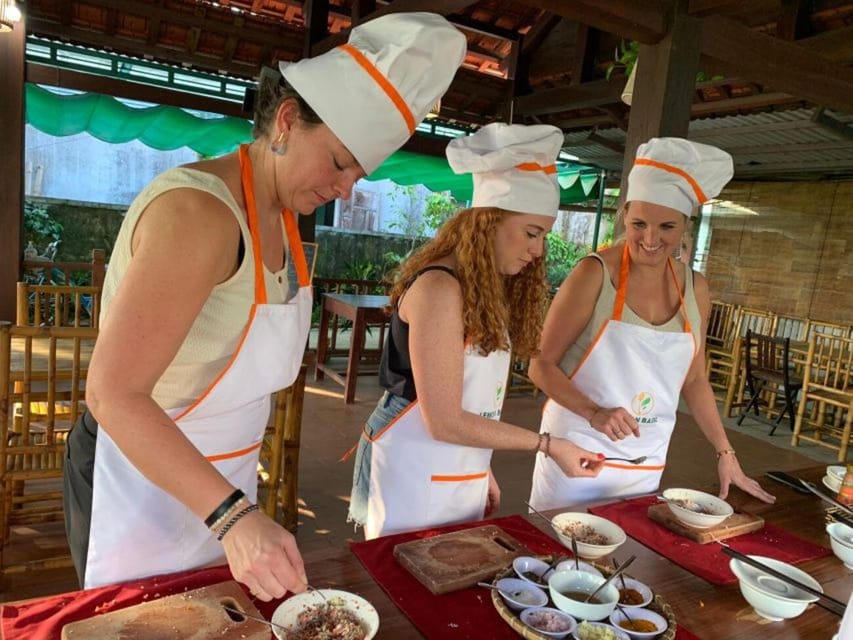
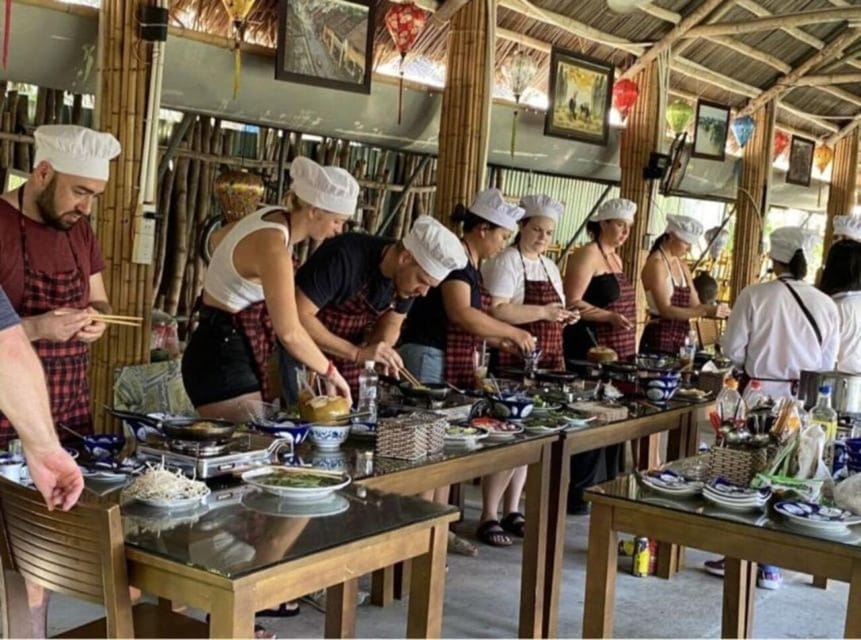
This is a true hands-on class with an English-speaking chef guiding you through the whole process. The lesson is structured so you can follow along without guessing. You’re not just learning what to do; you learn why it works, like how the dough texture changes, how the filling should be seasoned, and how to time the cooking so everything comes out together.
You’ll cook 4 local dishes. The dishes listed include:
- Hoi An rice pancake
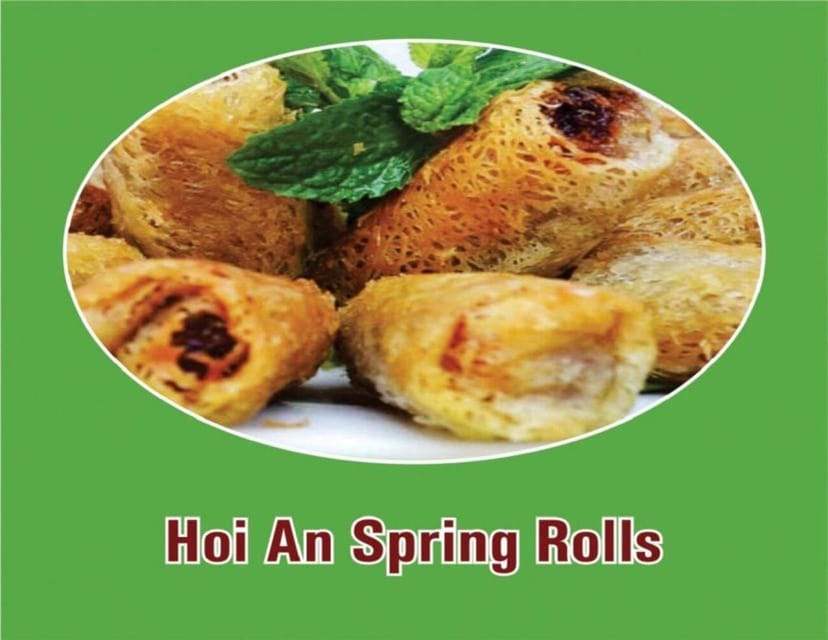
- Hoi An spring rolls
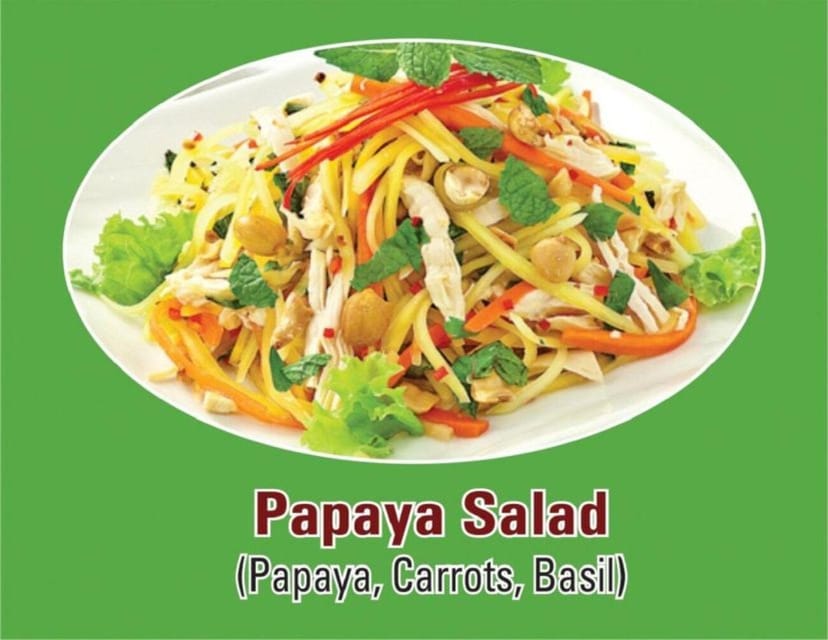
- papaya salad
Your fourth dish is another classic Vietnamese item, and the exact menu can vary by class. Reviews also hint that some groups may add dishes such as rice milk, stir-fried morning glory, and tofu-friendly options depending on what the chef plans for that session.
Vegetarian accommodation is a real part of the experience, not an afterthought. People describe the chef adjusting ingredients so vegetarian cooking stays satisfying, even when the group isn’t fully vegetarian. In some sessions, tofu shows up as a main component, and flavors stay Vietnamese: herb-forward, citrusy, and balanced between sweet, salty, and sour.
A nice bonus is participation. The class is run in a way that tends to pull everyone into the action, from prep to cooking to plating. And it’s not just serious skills training. Many instructors bring humor to keep the atmosphere light, and you’ll likely laugh while you learn.
Also, plan for the reality of cooking with live heat. A couple of reviews mention rooms feeling hot and fans not always being enough when there are open flames involved, so wear breathable clothes.
Meal time: you eat what you cooked, together
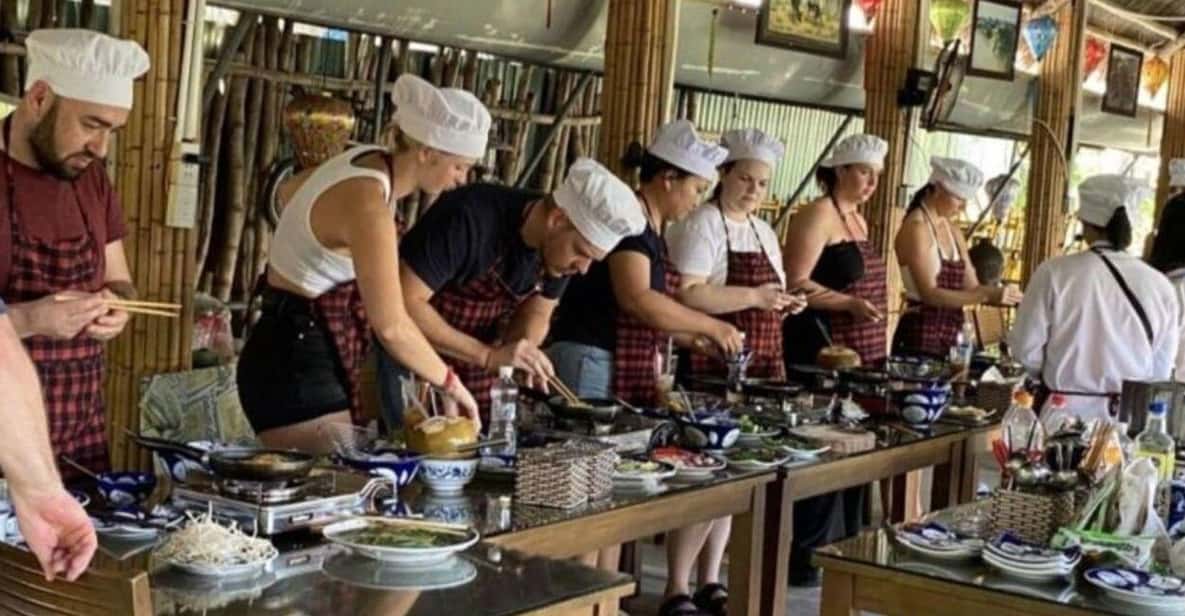
Once the cooking ends, you sit down and enjoy what you made. This is one of the biggest reasons I like these classes. You don’t leave hungry, and you can compare your version directly to what others created.
There’s also time to chat with the group. You share the meal and sample each other’s cooking. That turns the class into something more social than instructional. You’ll also pick up small technique clues just by watching how someone else tackled the same step.
Depending on the chef and the group, you might also receive recipe materials. Several people mention getting a recipe sheet to take home, and at least one person notes that paper copies can be a preference issue. If you want printed recipes, ask ahead of time if you’ll get them in paper form. If not, make sure you’re ready to capture steps on your phone while you cook.
One more practical note: water is often provided during the experience. Drinks beyond that are not included, so if you like something specific, plan to buy it separately.
Vegetarian-friendly, with real-world group mixing
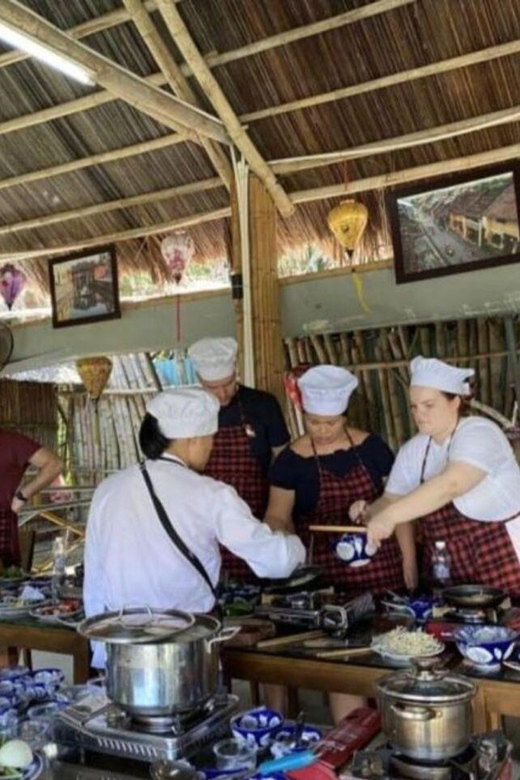
Hoi An has plenty of vegetarian food, but cooking it the right way takes technique and seasoning. The organizer aims to keep vegetarian participants together, and they specifically mention that while the class can combine with meat eaters, they will try to arrange only vegetarian participants in the same group.
In practice, that usually means you’ll feel comfortable with the plan. People who are vegetarian describe the chef catering well, including for solo vegetarians in mixed-age or mixed-nationality groups. Even when there’s meat in the overall menu, your station and ingredients can be adjusted so your meal stays fully vegetarian.
What you should do: if you have strict dietary rules beyond vegetarian (like avoiding egg or dairy), you should mention it to the organizer before the class. The class data says they can adjust ingredients to suit preferences, so giving clear guidance upfront will help them set up your cooking accordingly.
If your group is vegetarian-only, you’ll still get the full Vietnamese experience. Dishes like papaya salad are perfect for this kind of class because they rely on the sauce and the balance of flavors, not on meat for complexity. Spring rolls and rice pancakes also translate well into vegetarian versions when the fillings are seasoned properly and cooked at the right heat.
You can also read our reviews of more tours and experiences in Hoi An


The optional basket boat ride: when it’s worth adding
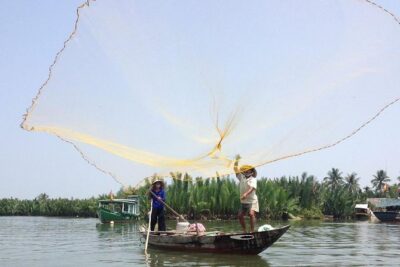
Some bookings include a basket boat ride (if you select it). This is part of the Cam Thanh area experience and it’s a good match for the class timing: a calmer, scenic interlude that breaks up the hands-on cooking.
Reviews describe the boat ride as fun, and one person highlights it as a full, enjoyable activity. I’d treat it as a nice add-on if you want more than just kitchen time. It also helps you see why coconut village cooking feels different from cooking in a city classroom.
Even if you’re not a big boat person, it can be a refreshing pause before you return to the hotel. Just dress for humidity and bring a light layer in case it cools down after sunset.
Price and value: is $23 really fair?
At $23 per person, the value is strong because you’re getting far more than a recipe lesson. You’re paying for:
- an English-speaking chef
- all ingredients for the class
- lunch or dinner included (based on the time slot)
- hotel pickup and drop-off in Hoi An old town center if you chose that option
- optional basket boat ride (if selected)
Cooking classes often feel expensive when they’re mainly demo-based or when meals and ingredients are extra. Here, the included meal is a key part of the cost-to-value equation. You eat what you cook, and that makes the time feel worthwhile even if you’re not a confident cook.
The only thing to watch is drinks. Drinks are not included, so if you plan to order beverages, budget a little extra.
You should also consider what you’re gaining beyond cooking: comfort with Vietnamese techniques. One of the clearest benefits is learning a step-by-step method you can replicate at home. Instead of memorizing a single dish, you learn how to approach textures, seasoning, and timing.
Who should book this class, and who should skip it
This class is a great fit if:
- you want vegetarian Vietnamese cooking in a hands-on format
- you like small group pacing and clear English instructions
- you enjoy eating what you cook
- you want a cultural setting beyond a standard kitchen studio
It may not be the best choice if:
- you need wheelchair accessibility (it’s not suitable for wheelchair users)
- you’re sensitive to outdoor heat and bugs, especially at night (bring bug spray and dress light)
- you strongly prefer a strictly formal tone. Some instructors are funny and playful, and a few people mention the humor can get a bit edgy at times.
For families, there’s a specific note: children under 3 years old are free, but they won’t join in the cooking and they share services with their parents. So it’s workable for very young kids, but it’s still primarily an activity built for participating adults.
Should you book it?
I’d book this if you want a practical Vietnam cooking experience: a real kitchen, a local-style setting in Cam Thanh, and a menu that’s actually vegetarian-friendly. The $23 price makes sense because ingredients and your meal are included, and the class is guided in English with small-group attention.
Book it with a small checklist:
- choose the pickup option if you don’t want navigation stress
- save the meeting point details and use WhatsApp for the exact pin
- bring bug spray and wear breathable clothes
- if printed recipes matter to you, ask about recipe sheets in advance
If your goal is to come home able to cook Vietnamese dishes you recognize, this class hits the mark.
FAQ
What dishes will I learn in the class?
You’ll learn 4 local Vietnamese dishes with step-by-step instructions. The class includes options such as Hoi An rice pancake, Hoi An spring rolls, and papaya salad.
Is the class suitable for vegetarians?
Yes. The class can combine with meat eaters, but the organizer tries to arrange only vegetarian participants in the same group. The chef can also adjust ingredients to suit vegetarian needs.
Does the price include food?
Yes. Lunch for the morning slot or dinner for the afternoon slot is included, along with the ingredients used in the cooking class. Drinks are not included.
How long does the experience take?
The duration is 3 to 4 hours.
Is hotel pickup and drop-off included?
Pickup and drop-off from hotels in Hoi An old town center are optional and included if you select that option.
Is it wheelchair accessible, and what about young children?
It is not suitable for wheelchair users. Children under 3 years old are free of charge, but they won’t join the cooking and will share services with their parents.
If you want, tell me your preferred time slot (morning or afternoon) and whether you’re choosing hotel pickup, and I’ll help you pick the best option for your day in Hoi An.