REVIEW · HOI AN
Hoi An Bicycle And Cooking Class Tour
Book on Viator →Operated by Tin Basket Boat Tour · Bookable on Viator
A half-day bike ride turns into a full Hoi An experience. You’ll pedal from town into the countryside, learn real farming at Tra Que vegetable village, row a basket boat in the coconut forests, then cook and eat the meal you helped make. What I like most is that it’s small-group and hands-on, not a sightseeing checklist. One thing to consider: the cycling portion can feel bloody hot on bright days, so plan your comfort accordingly.
The schedule is tight but not rushed. You’ll start with hotel pickup, move through market life, then shift from farming to fishing-village scenery, ending with a practical cooking lesson and a big lunch. If you’re looking for something active that still finishes with real food and local context, this one fits well.
In This Review
- Key things that make this Hoi An bicycle and cooking class work
- A 4-hour Hoi An loop: bike, basket boat, and a full lunch
- Tra Que vegetable village: learning farming the Hoi An herb way
- The bike ride to the countryside: scenic, but plan for sun
- Hoi An market stop: where your cooking ingredients start making sense
- Cam Thanh coconut forest and the basket boat: rowing with local fishermen
- Coconut harvest and souvenirs: a small moment with real payoff
- Cooking Hoi An-style food with a village chef: you actually do it
- Lunch: big, local, and tied to what you learned
- Price and value: what you’re really paying for at about $30
- Who should book this Hoi An bicycle and cooking class
- Practical tips to make the morning easier
- Should you book Hoi An Bicycle And Cooking Class Tour?
Key things that make this Hoi An bicycle and cooking class work
- Small group up to 10 people, so the guide can actually explain and correct what you’re doing.
- Tra Que hands-on farming—you’re learning techniques tied to the herbs used in daily meals in Hoi An.
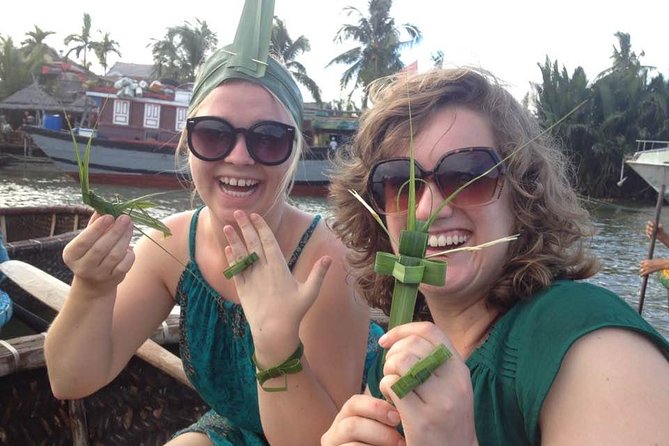
- Cam Thanh basket boat with local fishermen, plus harvesting water-coconut fruit and getting a coconut-leaf souvenir.
- Market stop that sets up your cooking, including a guided look at vegetables and seafood before you cook.
- You prepare the whole Hoi An-style meal, not just watch while someone else does it.
A 4-hour Hoi An loop: bike, basket boat, and a full lunch
This is a half-day tour designed like a mini day-off from city life. You get hotel pickup and return, then a local English-speaking guide takes you out to the countryside in stages. The route is built around three different skills: farming, water-forest fishing culture, and cooking.
The practical advantage of this format is time. In about 4 hours, you cover places that normally take longer to reach and connect. And because the activities are hands-on—cycling with guidance, rowing in a basket boat, and cooking your own meal—you’re not just passing through. You’re doing.
Also, the cost is surprisingly approachable for what’s included: bike, basket boat, lunch, market + cooking instruction, plus drinks and a few small extras like the conical hat and coconut-leaf souvenir. At $30.47 per person, the value mainly comes from the mix of paid activities bundled together, rather than just the sightseeing.
You can also read our reviews of more cooking classes in Hoi An

Tra Que vegetable village: learning farming the Hoi An herb way
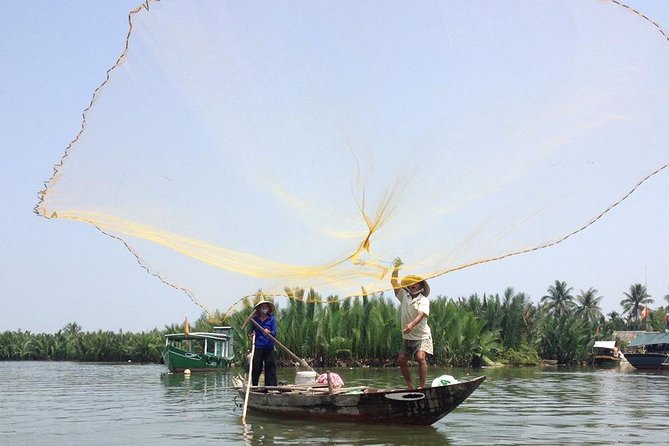
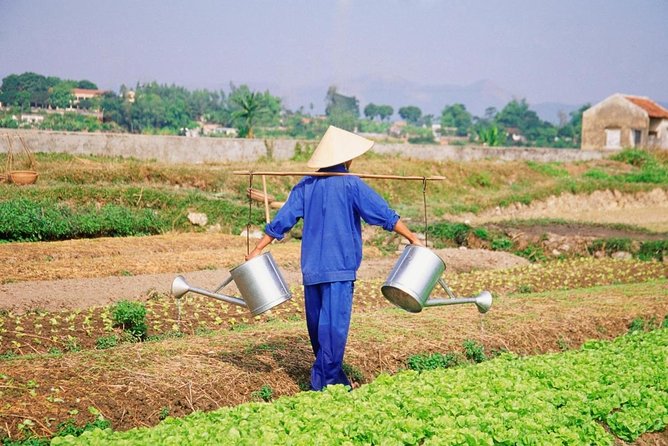
Tra Que vegetable village is where the tour slows down just enough to feel educational. The whole point is to show you how vegetables and herbs grow in a way that supports local cooking. The village itself is named after sweet-scented herbs—think mint, coriander, and basil—used every day in Hoi An meals.
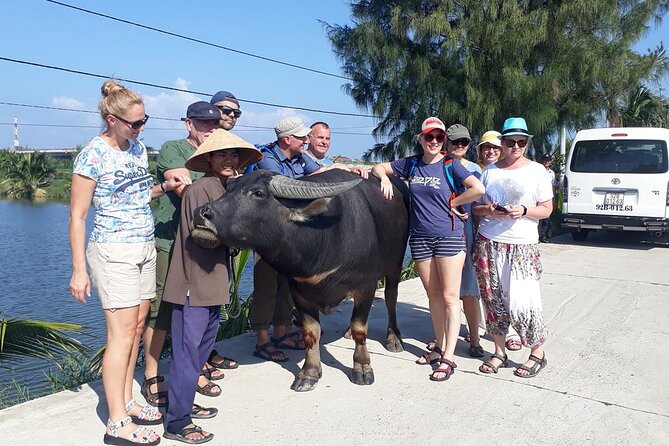
What you can expect here is less like a museum stop and more like a working-farm lesson. You’ll be taught traditional farming methods, and you’ll see the rhythms of fields outside the city. The experience is also a good cultural reset: you’ll notice paddy fields, water buffalos, and farmers working even when everything feels “quiet” from the roadside.
A key benefit for you: the tour connects farming to food. Instead of thinking of vegetables as background, you start to understand why these herbs matter. That makes the later cooking class click.
One practical note: you’ll get to Tra Que by bike. Even if you’re comfortable on two wheels, plan for sun and heat. A review summed it up with a blunt truth—cycling can get brutally hot—so wear breathable clothes and protect your face and neck.
The bike ride to the countryside: scenic, but plan for sun
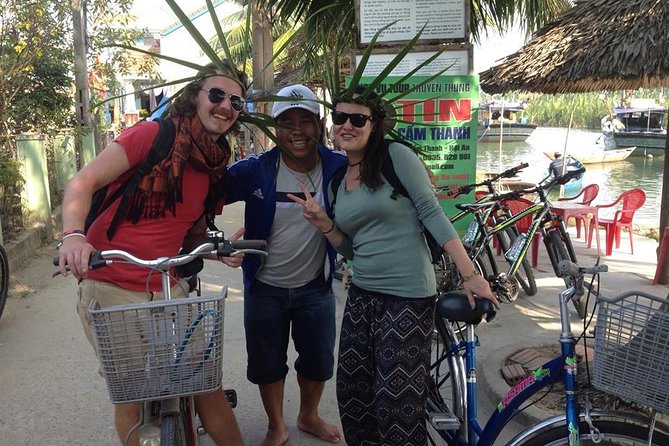
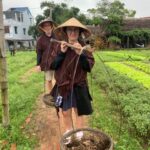
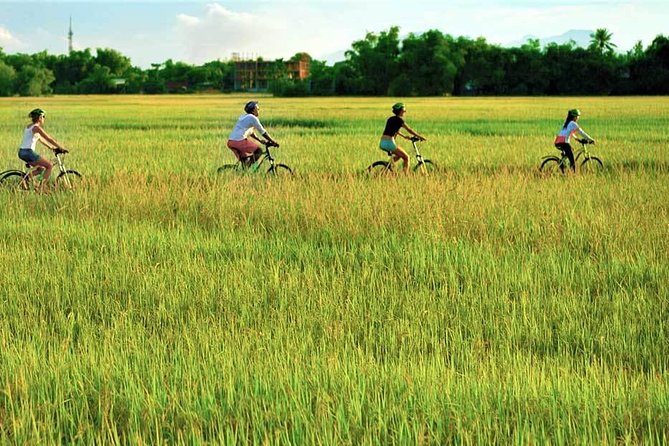
The ride starts after pickup, with the group heading out through countryside roads. Along the way, you’ll pass rice fields and water buffalo, and you’ll watch farmers working. It’s the kind of route that makes Hoi An feel less like lanterns and more like a living agricultural landscape.
Why this matters: it’s not just a transport segment. The biking piece is part of how you experience the area at a human pace. It also helps you arrive at Tra Que ready to pay attention, because you’ve already seen the surroundings from the bike route.
What to consider before you go:
- If you’re heat-sensitive, bring extra water with you beyond what’s provided.
- If you prefer minimal exertion, pace yourself. The tour is only about 1 hour of cycling to that first stop, but it can still feel intense in midday sun.
The upside is that the roads around Hoi An are generally manageable for a beginner-friendly group activity. The bigger challenge is the weather, not the technical skill.
Hoi An market stop: where your cooking ingredients start making sense
Before the countryside lesson fully kicks in, you’ll visit Hoi An Market. This stop is small but important, because it gives you a guided lens on what you’re going to cook later.
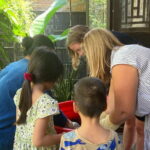
In the market, your guide takes time to show different vegetables and seafood, including meat options. This isn’t just for photos. It helps you understand what the ingredients look like and how they fit into Hoi An-style cooking—flavors, textures, and what might be used together.
For you, the payoff is confidence. When you get to the cooking lesson, you’re not staring at a kitchen line-up of mystery ingredients. You already recognize them, and you know why the guide highlighted them.
A simple tip: if you have dietary preferences, this is the time to mention them to your guide. The data here doesn’t promise custom menus, but a market visit gives you the best moment for clear communication.
Cam Thanh coconut forest and the basket boat: rowing with local fishermen
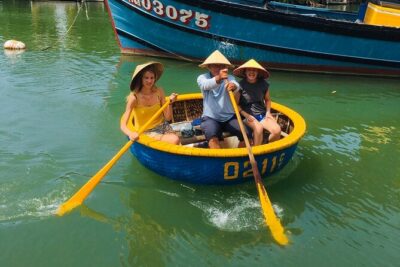
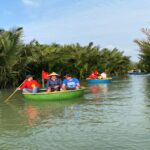
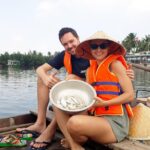
After Tra Que, the tour shifts to water. You transfer to the Bay Mau / Cam Thanh (water coconut) area and then go rowing in a basket boat with local people. This part is about scenery and community, but it’s also hands-on.
What you’ll do:
- Ride the basket boat in the palm-water landscape
- Explore the water coconut palm forest
- Harvest water-coconut fruit
- Collect a coconut palm souvenir as part of the experience
This stop works well because it changes the “muscle memory” of the morning. You’ve been biking through fields; now you’re gliding through a watery landscape that feels like it belongs to another era. And because it’s with local fishermen, you’re more likely to hear practical context than a scripted pitch.
Also, this is a great moment to slow down and take in the area. On hot days, the shaded pockets on the water can feel like a break. Still, you’ll likely get sun exposure, so stay sensible.
You can also read our reviews of more tours and experiences in Hoi An


Coconut harvest and souvenirs: a small moment with real payoff
Harvesting water-coconut fruit isn’t just a photo moment. It gives you a physical sense of how the landscape provides food and materials. You also get a souvenir made from coconut leaves, which is a nice touch because it connects the boat trip to something you can actually bring home.
These details matter because the tour avoids the “watch and leave” pattern. Even the souvenir is tied to activity you did, not something handed to you without context.
Cooking Hoi An-style food with a village chef: you actually do it
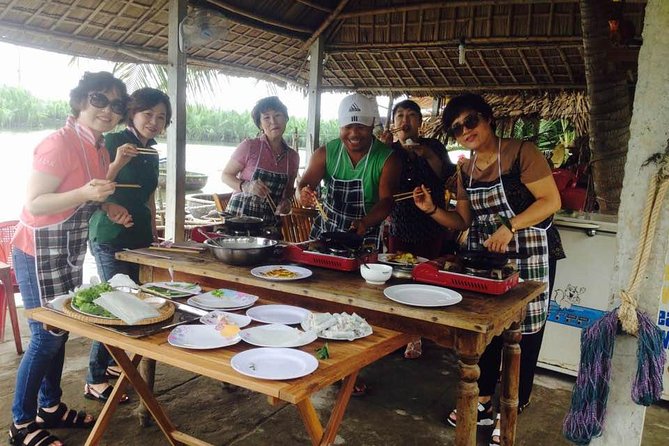
At around 11:30, you assist the chef and learn the traditional way of preparing Hoi An-style food. This is the core “value engine” of the tour because it turns a morning of learning into something you can recreate later.
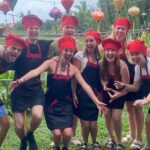
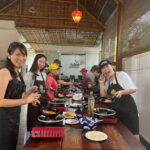
You can expect a guided cooking lesson where you prep the meal and then cook together. One review highlighted that the experience felt like home-cooking by the river—meaning the atmosphere is practical and food-centered, not lecture-style.
Here’s what’s included with the meal experience:
- The meal you prepare and cook
- Sweet cakes and water (as part of the food/snack flow)
- Fruits juice and mineral water
- Cool tissue for after the kitchen heat
The most useful way to approach the cooking class is to pay attention to process, not just ingredients. Ask the guide about technique—cutting, timing, and how the flavors are built—because those are the details that help you cook the dish again later.
And yes, go in hungry. One comment was blunt: make sure you don’t eat breakfast. The lunch is described as enormous, and your morning activities will likely make you feel the same.
Lunch: big, local, and tied to what you learned
Lunch is not an add-on here. It’s the point where the trip stops being “activities” and starts being a finished Hoi An meal.
Since you’re preparing the ingredients and the cooking steps, you’ll get more satisfaction than if lunch is just delivered to the table. You’ll know what you did and why the herbs and flavors matter. That connection is what keeps the tour from feeling like a standard bike-and-boat combo.
You also get drinks and water, plus sweets like sweet cakes. That makes it easier to keep your energy up for the ride back into town.
Price and value: what you’re really paying for at about $30
At $30.47 per person, you’re paying for a bundle that normally costs more when booked separately. Here’s the value logic:
- Transport support: hotel pickup and return
- Two major paid experiences: bicycle activity and basket boat rowing
- Instruction: English-speaking guide plus a cooking lesson with a village chef
- Feeding you: lunch plus juice, mineral water, and snacks
- Small extras that make the day feel complete: conical hat and a coconut-leaf souvenir
This pricing makes sense if you want one organized package instead of piecing together market time, farming visits, boating, and cooking all on your own. The booking window is also telling: it’s typically booked about 25 days in advance on average, which suggests people find the timing and inclusions practical.
You do lose one thing: travel insurance isn’t included. That’s common, but it’s still something to consider if you like to travel covered.
Who should book this Hoi An bicycle and cooking class
This tour fits best if you want:
- A hands-on half-day in the countryside
- Cultural learning tied directly to food
- Active time (bike ride) without committing to a full-day excursion
- A small group experience with an English-speaking guide
It’s especially good for couples, friends, and solo travelers who like structured activities but still want authenticity—like seeing working farmland and then cooking with ingredients you encountered earlier.
If you hate heat or don’t do well with sun exposure, you might want to avoid the hottest parts of the day. The tour depends on good weather, and cycling is part of the fun.
Practical tips to make the morning easier
Based on how the day’s activities work, here’s how you’ll get the most comfort:
- Plan for heat during the bicycle portion; use sunscreen and a hat style you like (you do get a conical hat).
- Wear breathable clothes and comfortable shoes you can walk in after biking and moving between stops.
- If you’re sensitive to humidity, take it slow on the bike.
- Go with an appetite; the lunch is described as very filling.
- Bring your questions to the market stop, because it sets up ingredients for the cooking lesson.
Should you book Hoi An Bicycle And Cooking Class Tour?
I’d book it if you want a compact, local day that mixes countryside movement with real skills: farming techniques at Tra Que, basket boat experience in the coconut forest, and an actual cooking lesson where you help prepare the meal.
Skip it only if you know you can’t handle sun and heat on a bike, or if you’re not interested in cooking. For the right traveler, this is one of those tours that feels worth it because it gives you something to do, something to eat, and something you can try again at home.