REVIEW · HOI AN
Hoi An: Silk Process, Lantern Making Workshop & Local Food
Book on GetYourGuide →Operated by Viet Nam Happy Travel · Bookable on GetYourGuide
Hoi An is one of Vietnam’s best places to see craft work up close. This silk and lantern workshop takes you through the real steps behind traditional sericulture and then lets you build a lantern you can take home. I especially love watching how silk goes from cocoon to thread, and I love that you make a lantern with your own hands instead of just taking photos. One thing to consider: the visit isn’t set up for wheelchair users or people with mobility impairments.
If you’re lucky, you’ll get a guide with the kind of energy that makes the details stick. My favorite part was learning from Thu, who was kind, patient, and very clear while walking you through the process. You’ll also eat well: the included meal features Cao Lau plus deep-fried spring rolls and fruit, so the day doesn’t end with a hard stop.
In This Review
- Key Highlights That Make This Workshop Worth Your Time
- Where This Workshop Starts: Hoi An Silk Village, Nguyen Tat Thanh
- Quang Nam’s Craft Sericulture Story: Traditional House Stop
- Mulberry Gardens and Silkworm Breeding: Where the Process Starts
- Unraveling House: From Cocoon to Silk Thread
- Weaving With Champa–Dai Viet Traditions and Textile Craft Knowledge
- Spotting Real Silk: The Pure vs Fake Lesson Before You Shop
- Lantern Making Class: History, Stages, and Your Take-Home Lantern
- Lunch in Hoi An: Cao Lau, Spring Rolls, and Fruit
- Price and Value: What $22 Buys You (and the Public Holiday Note)
- Who This Workshop Is For (and Who Should Reconsider)
- Should You Book This Silk Process and Lantern Workshop?
- FAQ
- How long is the Hoi An silk process and lantern workshop?
- What’s included in the price?
- What food do you get for lunch?
- Can I keep the lantern I make?
- Where is the meeting point?
- Is hotel pickup and drop-off included?
- Is this workshop suitable for wheelchair users?
- What happens on Vietnamese public holidays?
Key Highlights That Make This Workshop Worth Your Time
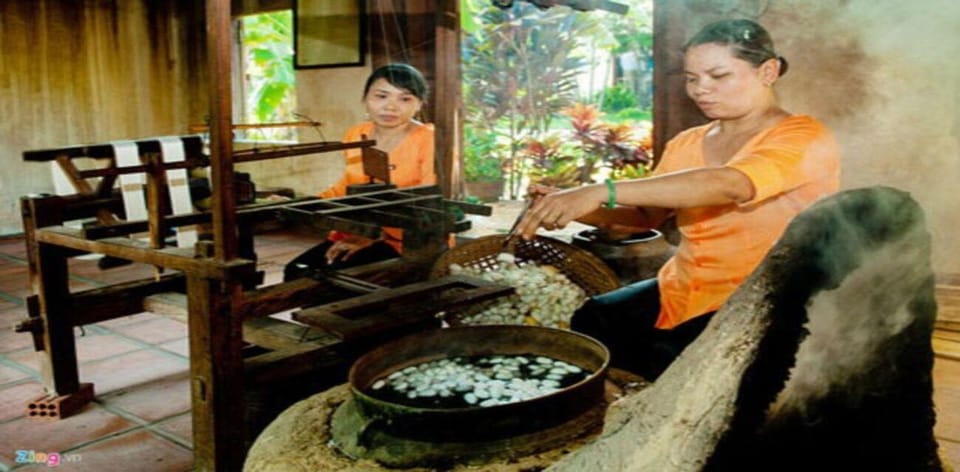
- Cocoon-to-thread viewing through a hands-on Unraveling House stop
- Mulberry gardens and silkworm breeding where you see (and help with) feeding
- Pure silk vs fake silk training so you shop smarter in Hoi An
- Lantern-making with take-home results—you keep one lantern per person
- Local food included with Cao Lau and spring rolls
- Materials and tools provided, so you’re not scrambling during the class
Where This Workshop Starts: Hoi An Silk Village, Nguyen Tat Thanh
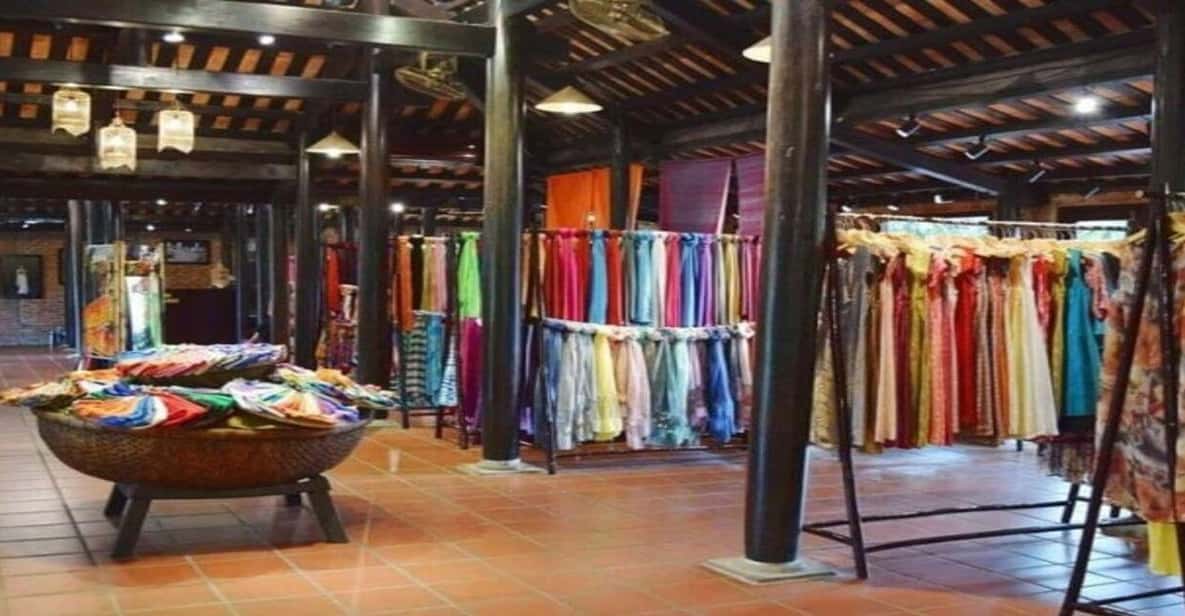
Your experience meets at 28 Nguyen Tat Thanh Street, inside Hoian Silk Village. This matters because you don’t waste time crossing town or waiting on pickups. You’ll check in, get your welcome drink, and then slide straight into the working-craft side of Hoi An.
The format is built for people who like doing more than browsing. In about 150 minutes, you’ll see multiple stages of silk production and then shift gears to lantern construction. That mix is the sweet spot: silk shows you how Vietnam turns nature into material, while lanterns show you how people turn material into culture.
You can also read our reviews of more food & drink experiences in Hoi An



Quang Nam’s Craft Sericulture Story: Traditional House Stop
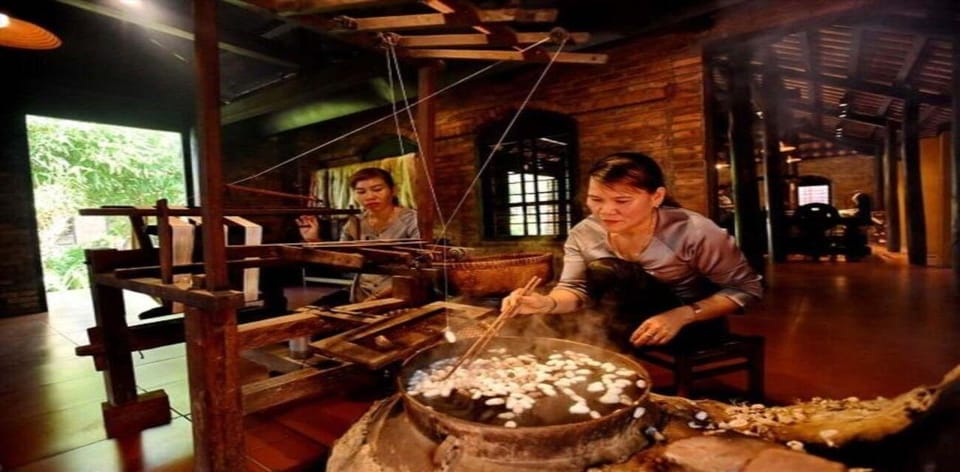
Before you start touching anything, you get a guided introduction to silk-making as a craft tradition in the Quang Nam area. You visit a traditional house and hear the story of craft sericulture—how people historically worked these systems to produce silk.
This first stop gives you a framework. Without it, you’d just see rooms and tools. With it, you start noticing relationships: silkworms rely on mulberry sources, cocoons become thread, and the thread becomes fabric. It turns the day from a neat demo into a chain you can follow.
If your English is a must (or your questions are detailed), plan to ask simple, direct questions as you go. The tour is in English, but your understanding will depend on how clearly your specific guide speaks.
Mulberry Gardens and Silkworm Breeding: Where the Process Starts
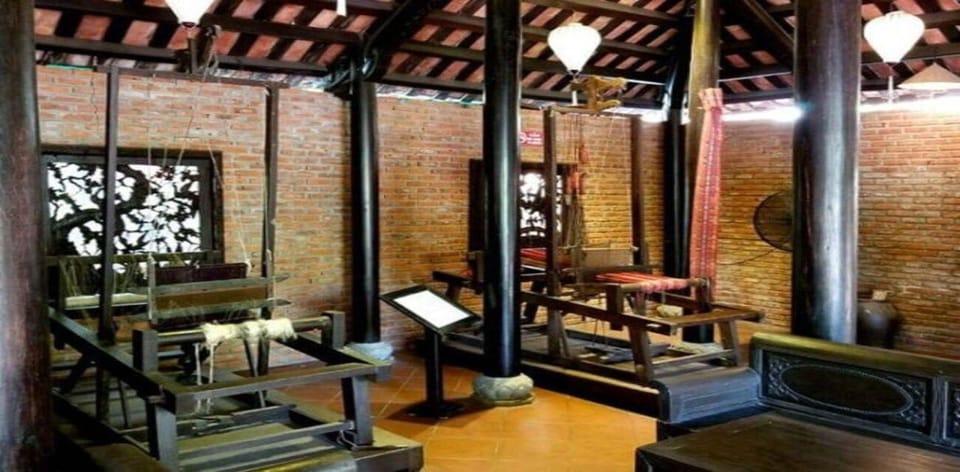
Next you head through the earlier living stages: the ancient mulberry gardens and the silkworm-breeding house. This is where the tour stops being theoretical. You’ll learn how silk starts with breeding and feeding silkworms, and you’ll see the setup used to raise them.
A practical tip: keep your curiosity switched on here. The details you learn about feeding and cocoon development are exactly the points that later help you understand why different fabrics look and behave differently. It’s also the moment that makes the rest of the workshop feel more real.
And yes, this is a place with greenery and traditional buildings, so it feels more like a working village than a showroom. That atmosphere helps you slow down, look longer, and ask better questions.
Unraveling House: From Cocoon to Silk Thread
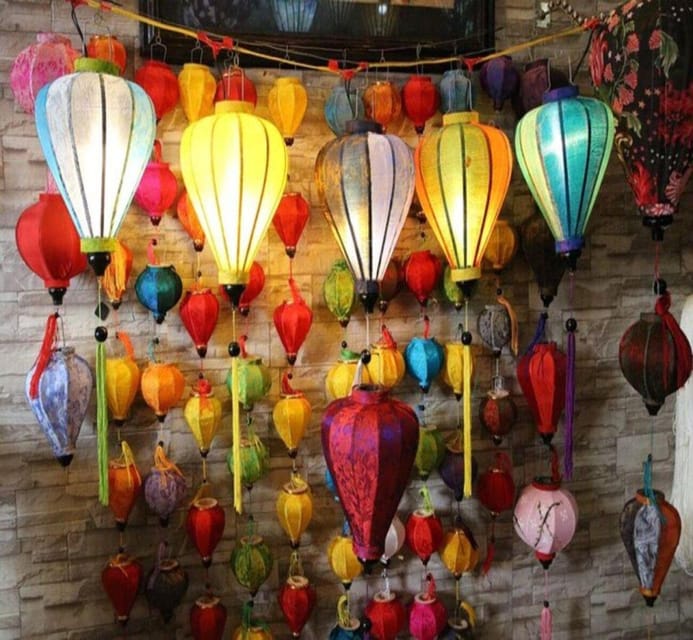
Then comes one of the most important conceptual leaps of the day: how to get silk thread out of the cocoon so weaving can happen. The tour takes you to the Unraveling House, where you learn how thread is produced from cocoons.
This is the stage that most visitors never see firsthand. You might know silk is made from cocoons, but you probably haven’t watched the steps needed to turn a cocoon into workable thread. Understanding this part changes how you’ll look at fabric afterward. You stop thinking of silk as one product and start seeing it as a process.
This stop also sets you up for the next phase: weaving and textile techniques. Once you understand what thread is and where it comes from, the fabric pieces in the weaving area feel less like merchandise and more like outcomes.
Weaving With Champa–Dai Viet Traditions and Textile Craft Knowledge
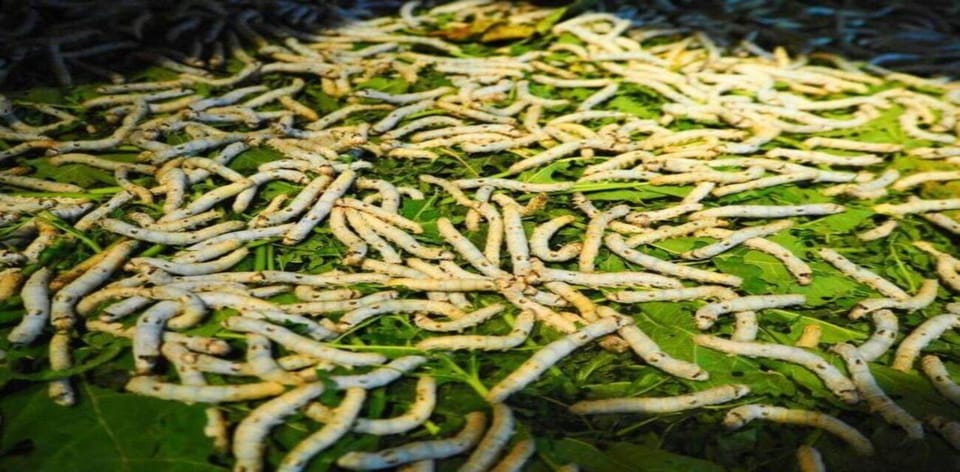
After unraveling, you get into textiles and weaving. You’ll visit a Vietnamese traditional silk weaving house, where the focus is on handicrafts connected to the Champa and Dai Viet era—plus the way traditional textiles are made.
You’ll also learn how traditional garment construction relates to silk weaving. That matters if you’re shopping while you’re here, because silk isn’t just silk. The structure, finishing, and quality signals can vary.
One of the reasons I like this part is that it connects “how it’s made” to “how it’s used.” If you’re thinking about a scarf, blouse, or a tailored piece, you’ll appreciate the logic behind choices instead of relying on labels.
You can also read our reviews of more tours and experiences in Hoi An






Spotting Real Silk: The Pure vs Fake Lesson Before You Shop
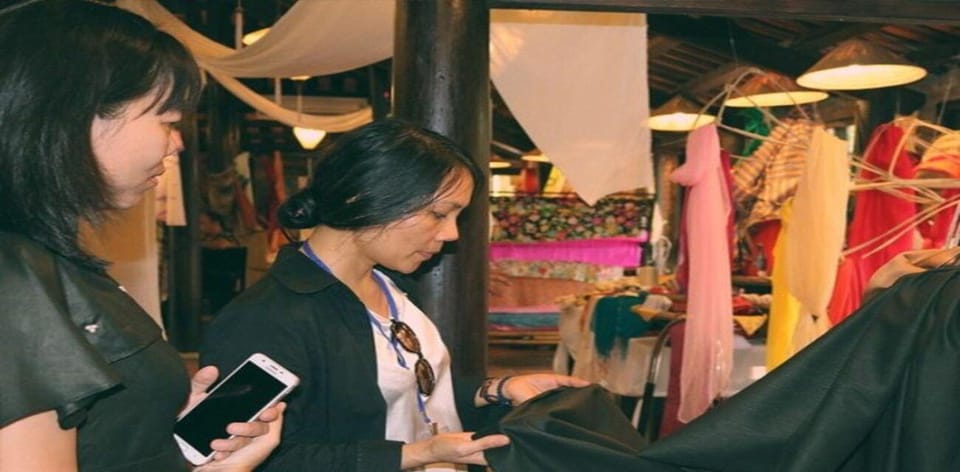
At Hoi An Silk Village exhibition, you get specific training on identifying pure silk versus fake silk fabric. This is one of the highest-value parts of the whole experience because it protects your money.
In Hoi An, silk products are everywhere. But the tour gives you a framework so you can approach the shopping area with better instincts. If you’ve ever felt unsure about silk authenticity, this is where the workshop earns its keep.
Here’s how to use this section: pay attention, then immediately scan for the traits your guide points out. If you want a scarf, ask questions before you pick one. If you want something more tailored, you’ll have a better chance of matching what you’re buying to what you learned about the fabric.
And based on what I’ve seen people do after tours like this, many leave with at least one easy purchase—like a scarf you won’t see everywhere back home. If you like that idea, give yourself a moment at the exhibition to compare options while the lesson is fresh.
Lantern Making Class: History, Stages, and Your Take-Home Lantern
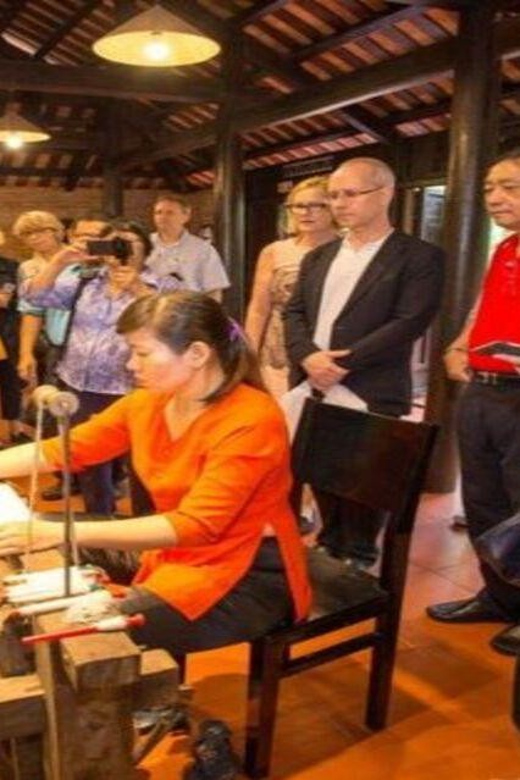
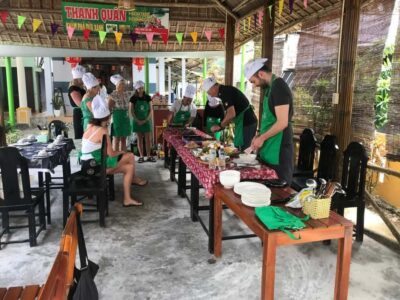
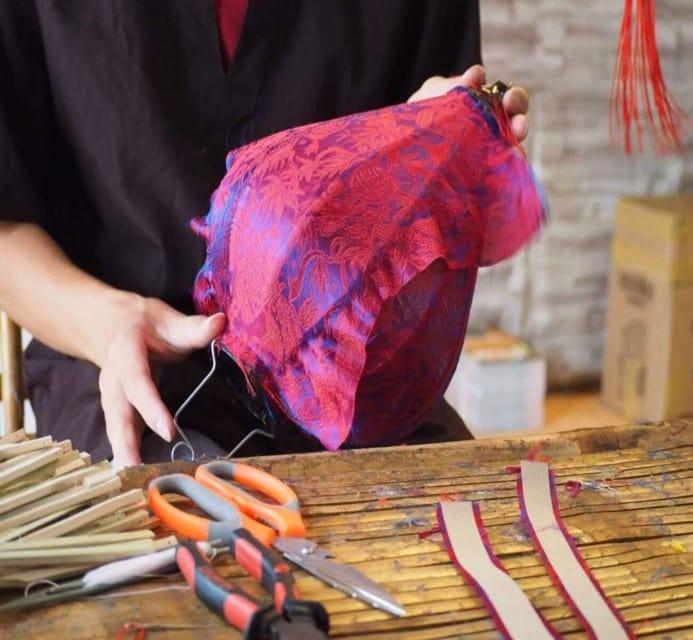
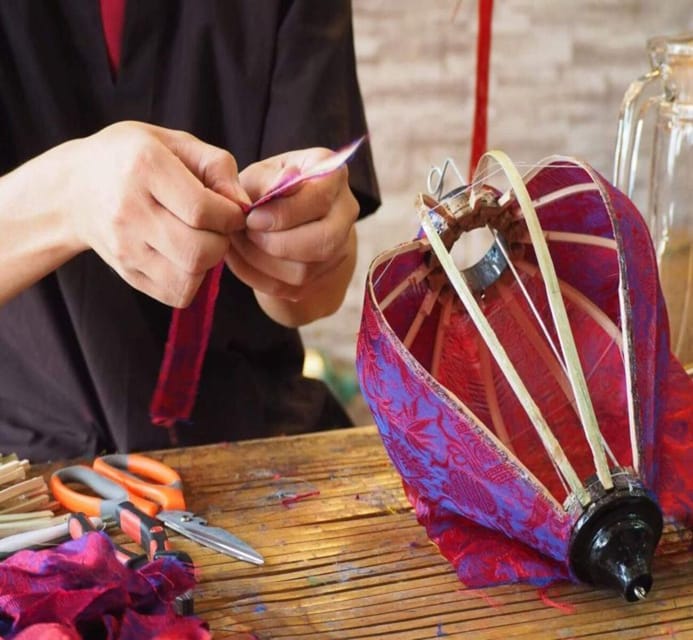
After silk, the tour shifts to lanterns—an easy transition because lantern-making is also a culture lesson, not just a craft activity. You get an introduction to the lantern’s history, shape, and color, plus an overview of the different stages involved.
Then you make your own lantern and keep it as a souvenir. That’s the part you’ll enjoy most if you like doing rather than watching. You’ll handle the materials, work through the steps, and end with something you can actually display later.
If you’re worried about the “craft” part being too hard, don’t. The tour includes all required materials and tools, and the class is guided. You’re not on your own figuring it out from scratch.
A practical photo tip: bring your attention, not just your phone. The lantern is your memory object, so watch how your structure holds together as you work. When you pack it, handle it gently so your lantern stays in good shape for travel and storage.
Lunch in Hoi An: Cao Lau, Spring Rolls, and Fruit
You finish with local food, and that’s a big deal on a short tour. The meal includes Cao Lau, deep fried spring rolls, and a fruit plate. You also get a welcome drink at the start.
Diet needs are handled thoughtfully. The tour notes that food ingredients can be adapted for vegan, vegetarian, gluten-free, or allergies. If you have restrictions, communicate them clearly at booking so they can adjust.
What I like about the food inclusion is that it anchors the day in the place you’re visiting. After working with silk and lantern materials, sitting down for Cao Lau makes the experience feel grounded instead of like a workshop detour.
Price and Value: What $22 Buys You (and the Public Holiday Note)
At $22 per person for a 150-minute guided experience, the value comes from the mix: entrance, English guide, welcome drink, a full meal, and a take-home craft item. Many short cultural activities try to keep costs low by leaving out the meal or the souvenir. Here, you get both.
You also get skip-the-ticket-line, plus all materials and tools for the lantern. That means you’re paying for the experience, not for last-minute add-ons.
One caution: for bookings on Vietnamese public holidays, there’s an extra charge of 50% per person paid by cash. If your travel dates land on a holiday, check for this before you go so you’re not surprised at the table.
Not included is hotel pickup and drop-off, so you’ll want to plan your route to the meeting point at Nguyen Tat Thanh Street. Since the tour starts at the village, it’s usually easiest to already be nearby.
Who This Workshop Is For (and Who Should Reconsider)
This works best if you:
- Want a hands-on cultural activity, not just a walking tour
- Like craft processes where you can see the steps in order
- Plan to do at least a little silk shopping and want help spotting real silk
It’s also a good option for groups who want something different than museum time, because you’ll all share the same working experience—especially the lantern you make together.
You should reconsider if:
- You need wheelchair access or have mobility limitations, because it isn’t suitable for wheelchair users
- You’re expecting long free time for shopping, since the main focus stays on the process and the lantern class
Should You Book This Silk Process and Lantern Workshop?
I’d book it if you want an efficient, meaningful taste of what makes Hoi An special: silk production and lantern culture, tied together in one guided day. The big win is the combination of cocoon-to-thread learning plus a take-home lantern, with a real meal included so you don’t end up hungry and cranky at the end.
The only reason to hesitate is if mobility access is an issue for you or if you prefer ultra-heavy shopping time over making and learning. If neither applies, this is a solid value way to spend a couple of hours in Hoi An—learning the craft, watching it happen, and leaving with something you made.
FAQ
How long is the Hoi An silk process and lantern workshop?
The experience runs for 150 minutes.
What’s included in the price?
The price includes an English-speaking guide, entrance fee, a meal, a welcome drink, one lantern per person, and all required materials and tools.
What food do you get for lunch?
The meal includes Cao Lau, deep fried spring rolls, and a fruit plate. Ingredients can be adapted for vegan, vegetarian, gluten-free, or allergies.
Can I keep the lantern I make?
Yes. You make your own lantern during the class and keep it as a souvenir.
Where is the meeting point?
The meeting point is 28 Nguyen Tat Thanh Street, Hoi An, at Hoian Silk Village.
Is hotel pickup and drop-off included?
No. Hotel pickup and drop-off aren’t included.
Is this workshop suitable for wheelchair users?
No. It is not suitable for people with mobility impairments or wheelchair users.
What happens on Vietnamese public holidays?
There can be an extra 50% per person paid by cash for bookings on Vietnamese public holidays.