REVIEW · HOI AN
Hoi An: Countryside Biking Sighseeing & Basket Boat Ride
Book on GetYourGuide →Operated by Hiep Travel · Bookable on GetYourGuide
Nothing beats pedaling into real countryside. This Hoi An tour mixes hands-on farming at Tra Que with a quiet basket boat ride in the coconut palm waterways, plus a lunch that feels like you were invited instead of sold to. I like that the route stays calm and local, far from the old town bustle.
What I love most is the variety packed into a single day: you’re not just looking, you’re doing a few practical farm tasks, and you get lots of photo-worthy countryside scenes (rice fields, shrimp farms, and animals like ducks and water buffalo). One drawback to plan for: this is not a sit-and-watch tour. If you don’t want active steps like cycling and basic farm participation, or if you have a heart condition, you should skip it.
The tour runs with an English-speaking guide through Hiep Travel, and the small details matter. People often mention guides by name, including Trang, Kein, Tam, and Hiep, and they’re consistently described as attentive and good at explaining what’s happening. It also helps that the bikes are reported to be in good condition and the day flows at a steady pace.
In This Review
- Key highlights at a glance
- Why This Hoi An Countryside Tour Feels More Real
- Pickup, Bikes, and Timing: What Runs Smoothly
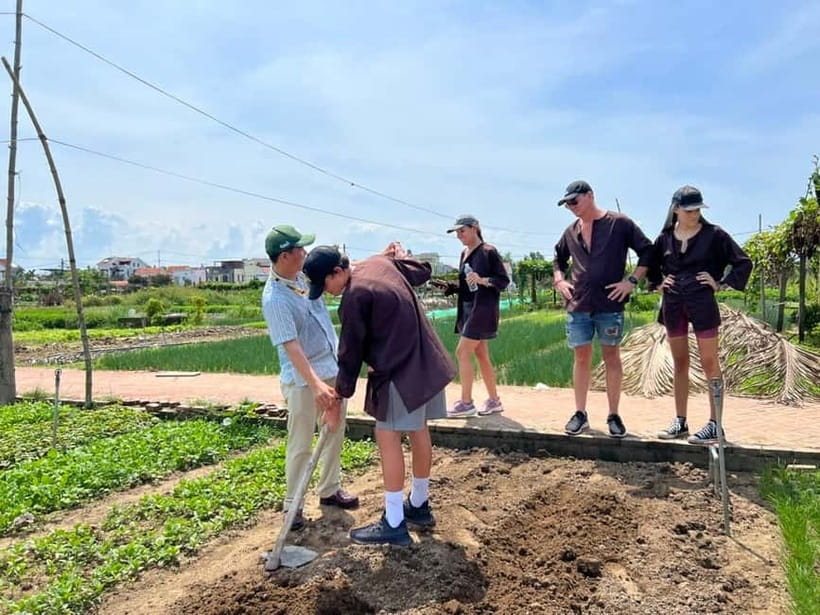
- Tra Que Vegetable Village: Hoe, Water, and Learn From Farmers
- Biking Past Rice Fields, Shrimp Farms, and Animals
- Coconut Village Basket Boat Ride: A Quiet Waterway Experience
- Lunch at a Local Family Table: Home-Cooked Vietnamese Comfort
- Price and Value at $34: What You’re Actually Paying For
- Who Should Book This Tour (and Who Should Skip It)
- Should You Book This Hoi An Countryside Biking and Basket Boat Tour?
- FAQ
- Is pickup included for Hoi An areas?
- What’s included in the tour price?
- What activities do you do at Tra Que vegetable village?
- How does the basket boat ride work?
- What should I bring and wear?
- Is this tour suitable for everyone?
Key highlights at a glance
- Tra Que vegetable village participation: hoeing soil, transplanting, and watering with farmers
- Basket boat ride in a coconut palm area: a unique, hands-on way to see the water villages
- Countryside cycling with real photo stops: shrimp farms, rice paddies, and animals along the way
- Home-cooked Vietnamese lunch: local family meal, often including tea and simple local specialties
- Attentive English-speaking guidance: praised for clear explanations and great photo support
Why This Hoi An Countryside Tour Feels More Real
If you’ve already wandered the lantern streets of Hoi An, this tour gives you something different. You trade sidewalks for narrow lanes and watery edges, where daily work is the main event. The big win here is that the day is built around rural life, not scripted sightseeing.
You start in the countryside and work your way through multiple types of farmland and villages. That matters because you’re seeing how the area earns its living—vegetable growing, shrimp farming, and water coconut zones—rather than just passing by in a car.
It’s also a good choice if you like calm days. Multiple guides and helpers are praised for keeping things friendly and paced, and the stops feel relaxed. You’ll have moments to stop, look, and shoot photos without feeling like you’re being rushed from one photo spot to the next.
You can also read our reviews of more boat tours in Hoi An

Pickup, Bikes, and Timing: What Runs Smoothly
This tour is designed to be easy before you even start cycling. Pickup is free in the Hoi An area. If you’re staying in the Da Nang area, you’ll need to pay extra for transportation, so double-check where you’ll be picked up.
Plan to be ready early. The instruction is simple: wait in the lobby about 10 minutes before your guide arrives. That small habit saves time and keeps the day calm.
You’ll want comfortable shoes and comfortable clothes. The bike itself is included, and people report the bikes are in good condition. Bring your camera, and also bring some cash since that’s specifically listed as useful. Water is provided, which helps because this day is outdoors.
One more practical note: oversize luggage and large bags aren’t allowed. If you’re traveling with bulky gear, either travel light or plan a storage solution before you go. This tour is built for mobility and getting on and off bikes and paths.
Tra Que Vegetable Village: Hoe, Water, and Learn From Farmers
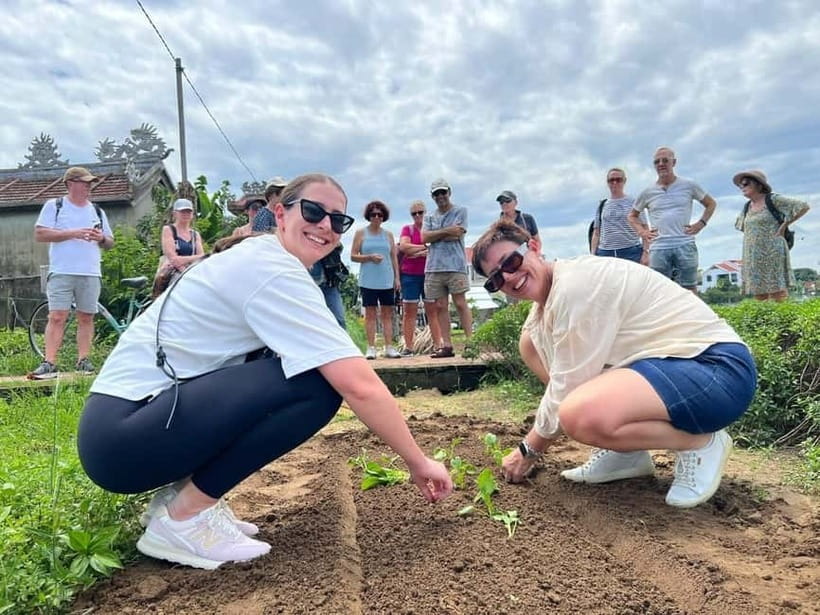
Tra Que vegetable village is the heart of the experience, and it’s not just a viewpoint. You meet local growers and join farm activities that actually match what they do every day.
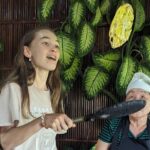
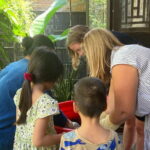
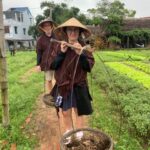
Expect a guided introduction first, then active participation. The tasks described include hoeing soil, collecting seaweed from the river, and helping with things like transplanting and watering vegetables. Even if you’re not a “farm person,” you’ll likely find the steps straightforward with a guide translating what to do and why.
This part of the day is valuable because it teaches you the logic behind the work. When you’ve helped hoe or water, vegetables stop being a product and start being a process. You also get a real sense of how much daily rhythm goes into farming here.
There are also little cultural additions that many people remember. One description mentions a kind old man making tofu, and another mentions the village and tea. If those moments happen in your day’s flow, they add texture beyond the main tasks.
Drawback to consider: you should be ready to get a bit active. This is not a gentle stroll. If you want only flat, easy walking, plan around the cycling and simple farm work.
Biking Past Rice Fields, Shrimp Farms, and Animals
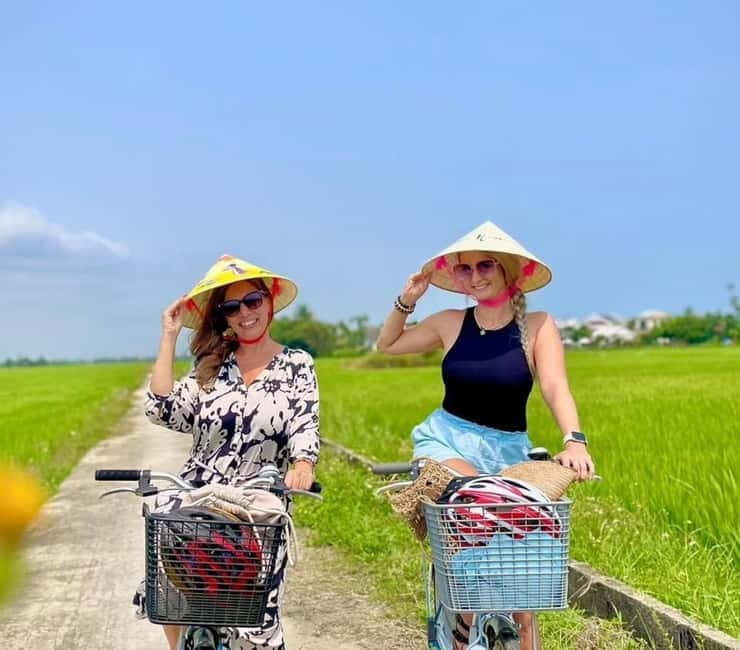
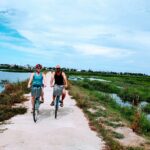
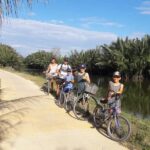
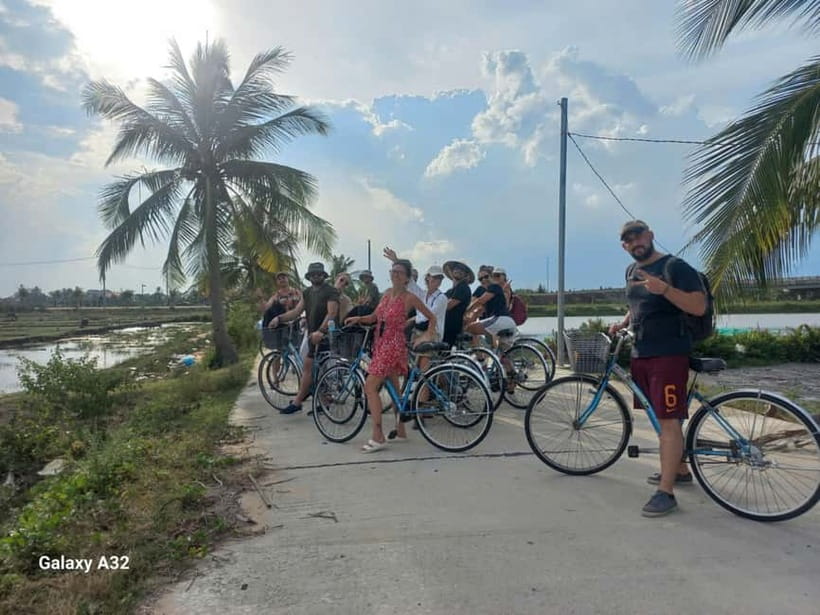
After the village, the day shifts into motion. You’ll ride through the countryside and pick up sight after sight: rice fields, shrimp farms, and plenty of animals along the way.
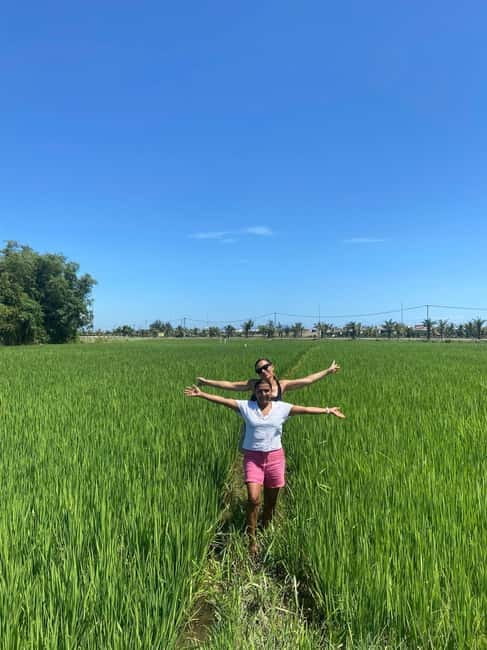
This segment is where the tour becomes a photography day without becoming a photo-shoot day. You’ll encounter scenes that are naturally interesting, like farm ponds, green fields, and the everyday presence of farm animals. People specifically mention seeing ducks, cows, birds, and water buffalo.
Why this works: cycling keeps you slow enough to notice details. From a car, you might see land. From a bike, you actually feel the pace of rural life. It’s the difference between seeing Vietnam and getting a slice of it.
One small consideration: rural paths can be uneven. You don’t need extreme mountain-bike skills, but comfortable shoes matter. If you have stiff knees, plan for a day that includes some sustained riding.
Coconut Village Basket Boat Ride: A Quiet Waterway Experience
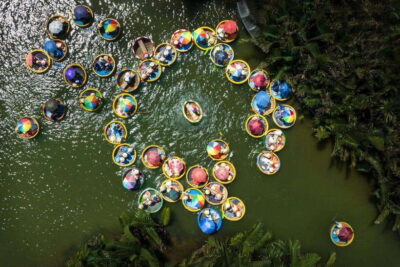
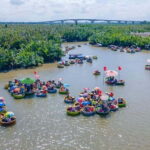
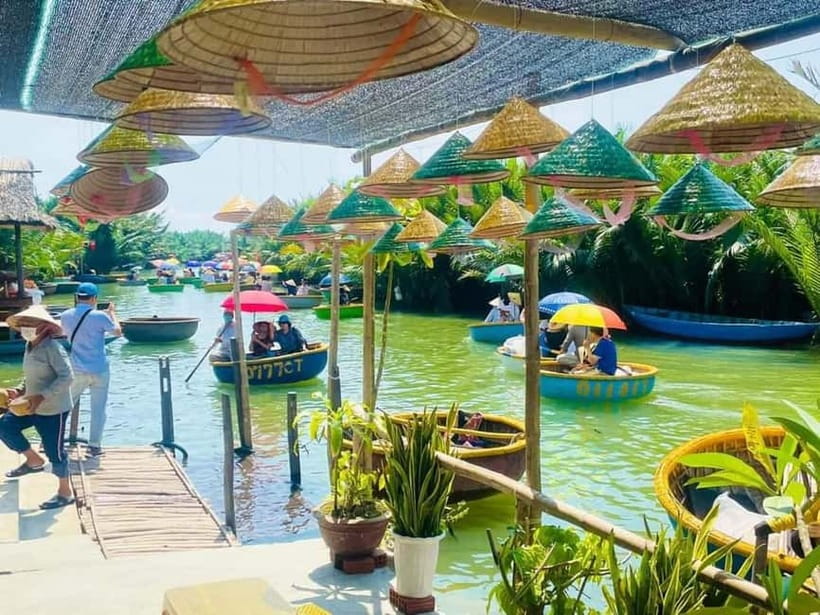
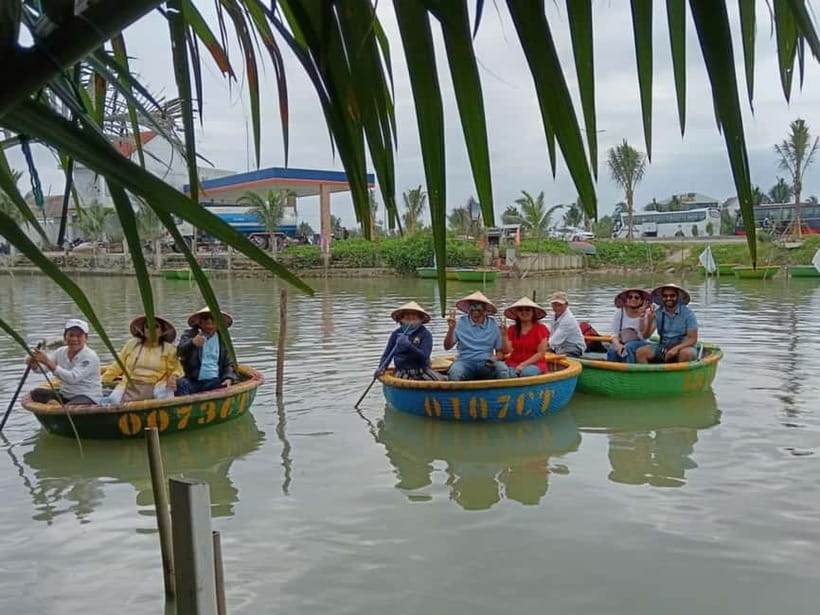
Then you move from land to water. You’ll head toward a water coconut palm forest area, and here’s where the tour turns memorable.
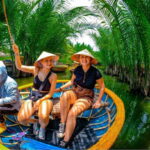
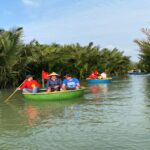
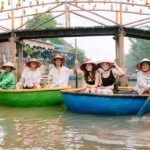
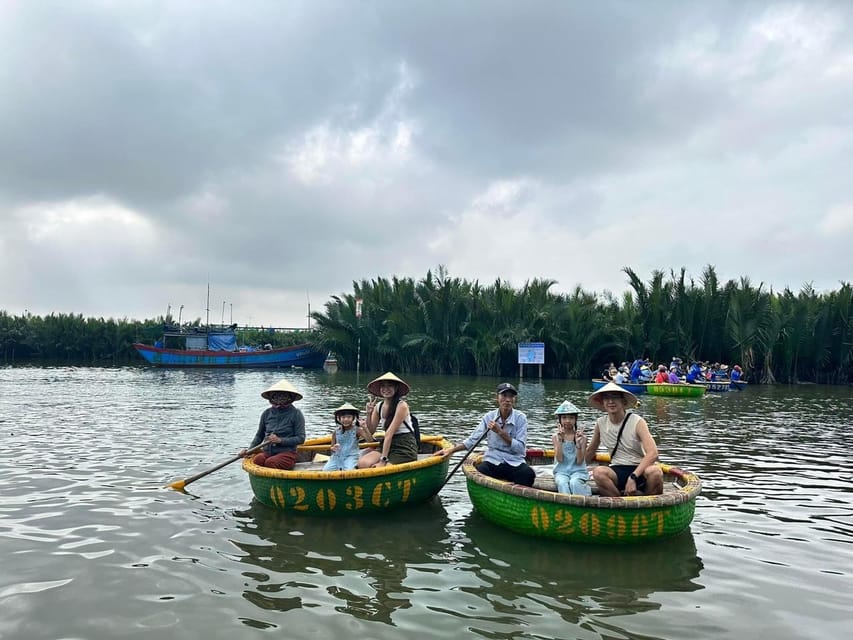
The included activity is a basket boat ride with local people. This is one of those experiences that sounds simple until you do it. The boat design and the way you sit in it changes how you view the waterway. You’ll move through palm-lined channels at a human pace, not a motor-ride blur.
This stop is often described as very pleasant, which makes sense. It gives your body a break after cycling, and it offers a new angle on rural Vietnam. It also feels more personal because you’re interacting with the local operators rather than just watching from a platform.
There’s also mention of local snacks during the coconut village portion, including coconut pancakes. Your exact timing can vary by the day, but if those treats are offered during your stop, it’s a nice chance to slow down and taste something local.
Practical tip: wear clothes you don’t mind getting a little damp or dusty. Even if the water ride is short, the air around waterways can be humid.
You can also read our reviews of more cycling tours in Hoi An



Lunch at a Local Family Table: Home-Cooked Vietnamese Comfort
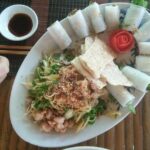
After the riding and the boat ride, you’ll get lunch at a local family place. It’s included, and it’s one of the most consistent praise points.
The language around lunch is clear: it’s described as home-cooked Vietnamese food. In a couple of accounts, people also connect the lunch day with earlier village touches like tea and simple specialties. That sequence matters because it ties the morning’s farm effort to the afternoon’s meal.
This is also where the tour earns points for authenticity. Cooking at a family table is different from eating a standard set menu in a tourist restaurant. You’re more likely to get the flavors and textures people actually eat, not just what looks good on a plate.
If you have dietary restrictions, you’ll want to ask the guide in advance, since the food details beyond “lunch” aren’t specified here. For most visitors, this is straightforward: it’s filling, local, and part of the deal you’re paying for.
Price and Value at $34: What You’re Actually Paying For
At $34 per person, this tour looks like a bargain on paper, and it holds up better when you break down what’s included.
You’re getting:
- Bicycle for the ride
- English-speaking guide
- Water
- Entrance tickets
- Lunch
- Farming participation at the vegetable village
- Basket boat ride
That combination is the value. If you tried to piece it together yourself, you’d likely spend more on bike use, a guide for translation and logistics, and separate activities for the boat and the farm portion. Here, those parts are bundled so you can focus on the experience instead of planning.
Two small cost notes:
- Pickup is free within Hoi An, but transportation from the Da Nang area costs extra.
- Tips for the guide aren’t included, and insurance isn’t included.
For me, the real value is that your money supports multiple local stops: the farming village work, the boat operators, and the family meal.
Who Should Book This Tour (and Who Should Skip It)
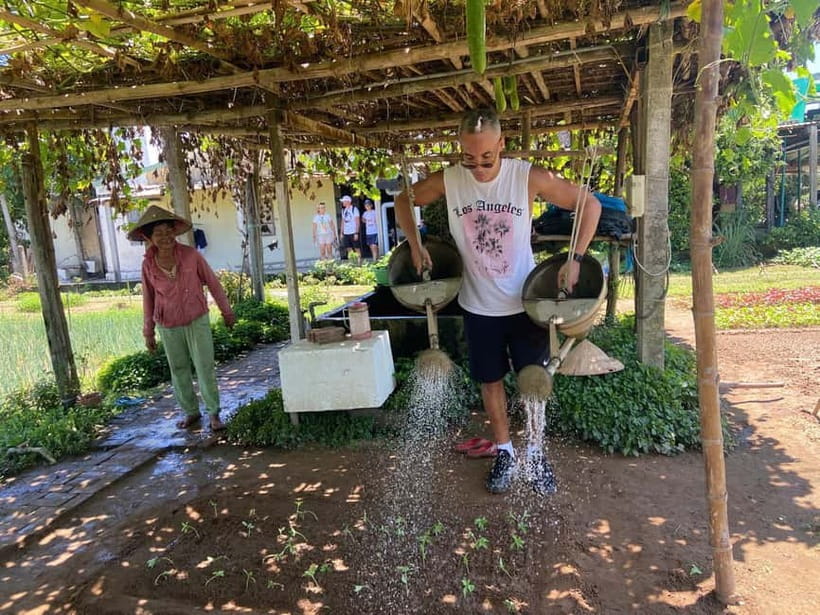
This is a great fit if you want a countryside day that’s active but not extreme. You’ll like it if you enjoy rural scenery, don’t mind getting your hands involved in simple farm tasks, and feel happiest when you’re interacting with local daily life.
It also works well for couples and small groups who want a calmer alternative to heavy old town touring. The tour has a reputation for staying friendly and not turning into a chaos-factory.
Skip it if:
- You have a heart condition (it’s explicitly noted as not suitable)
- You’re traveling with mobility limitations that make cycling difficult
- You don’t want any hands-on participation at the farms
Age also matters here: it’s noted as not suitable for people over 95. If you’re close to that range, it’s smart to talk to the provider before booking.
Should You Book This Hoi An Countryside Biking and Basket Boat Tour?
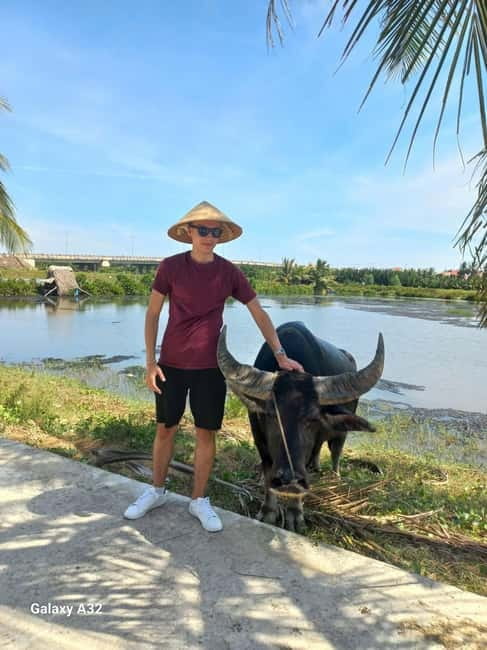
Yes, if your goal is an authentic, countryside-centered day that includes real activities instead of just sitting and watching. The strongest reason to book is the mix: Tra Que farm participation, countryside riding with lots to see, and a basket boat that gives you a different kind of rural perspective. Add in the included lunch, and you’ve got a full day that feels worth the money.
I’d hesitate only if you want a fully relaxed, low-effort experience. This tour includes cycling and basic farm tasks, so you’ll feel the day in your legs. But if you can handle that, it’s the kind of day that makes Hoi An feel bigger than its lantern streets.
FAQ
Is pickup included for Hoi An areas?
Yes. Pickup is free in the Hoi An area. If you’re in the Da Nang area, transportation costs extra.
What’s included in the tour price?
The tour includes bicycle use, an English-speaking guide, water, entrance tickets, lunch, farming at the vegetable village, and the basket boat ride.
What activities do you do at Tra Que vegetable village?
You’ll participate in farming activities such as hoeing soil, collecting seaweed from the river, and helping with transplanting and watering vegetables.
How does the basket boat ride work?
You’ll go to a water coconut palm forest area and ride in a basket boat with local people. The basket boat ride is included.
What should I bring and wear?
Bring comfortable shoes, a camera, and comfortable clothes. Cash is also recommended.
Is this tour suitable for everyone?
It’s not suitable for people with heart problems, and it’s noted as not suitable for people over 95 years.