REVIEW · HOI AN
Half Day Cooking Class At Tra Que Vegetable Village Hoi An
Book on Viator →Operated by Private Tours By Local Guides · Bookable on Viator
If you like food that starts in the dirt, this one fits. It mixes cycling, market shopping, and a real village-style cooking class at Tra Que Vegetable Village, with a fun competition built in. You’ll also get a look at farm life—animals, herbs, and all.
I love that the experience starts at Ba Le Market, where you learn how locals pick fresh ingredients and how to bargain in a place that feels like a community hangout, not just a shop. I also like the hands-on cooking approach: you do light traditional farming tasks (no electric machinery), then cook Hoi An specialties at a local farmer’s house and eat what you make.
One thing to consider: it’s not a couch-and-stroll tour. You’ll cycle and do moderate activities around the farm, so bring a reasonable fitness level and keep an eye on the weather, since the tour requires good conditions.
In This Review
- Key Highlights You’ll Actually Care About
- Ba Le Market by Bicycle: Where You Learn to Pick Produce and Bargain
- Tra Que Vegetable Village: Farmer Life, Herbs, and Traditional Work
- Master Chef Cooking Class: Team Competition at a Local House
- The Lunch You Make: Why This Meal Feels Like the Point
- Cycling Between Stops: Flat Roads, Scenic Views, and Real Time Outdoors
- Price and Value: What $71 Includes in Hoi An
- Who Should Book This Half-Day Tra Que Class (and Who Might Skip It)
- Timing Tips: Morning vs Afternoon in Hoi An
- Should You Book This Tra Que Cooking Class?
- FAQ
- How long is the Half Day Cooking Class at Tra Que Vegetable Village?
- Where does the tour start, and do you get pickup?
- What happens at Ba Le Market?
- What do you do at Tra Que Vegetable Village?
- Is lunch included?
- What if the weather is bad?
Key Highlights You’ll Actually Care About
- Ba Le Market ingredient picking with practical shopping and bargaining practice
- Tra Que farm visit with local methods—light work in traditional ways, no electrical machinery
- Master Chef-style competition that turns cooking into a group game (not a lecture)
- Lunch included at the farmer’s house made from dishes you prepare
- Scenic but mostly flat cycling using a provided bicycle
- Small group size (up to 15) that keeps things from feeling rushed
Ba Le Market by Bicycle: Where You Learn to Pick Produce and Bargain
The tour meets you at your hotel at either 8:00 am or 14:00 pm, then you cycle to the central market area at Ba Le Market. The big value here is that the market visit is not just a photo stop. You practice how to choose good, fresh ingredients for your cooking lesson, with an English-speaking guide walking you through what to look for.
Ba Le Market also works as a window into everyday village rhythm. It’s described as a place locals use not only for buying and selling, but also for chatting with friends. That matters because bargaining is easier to understand when you see the tone of the place. You’ll learn the basics of how to negotiate without it feeling awkward or overly staged.
What to watch for: market time is short—about 40 minutes—so you’ll want to stay focused and follow the guide’s recommendations. If you’re someone who freezes up when presented with too many options, ask your guide to help you narrow choices fast.
You can also read our reviews of more cooking classes in Hoi An

Tra Que Vegetable Village: Farmer Life, Herbs, and Traditional Work
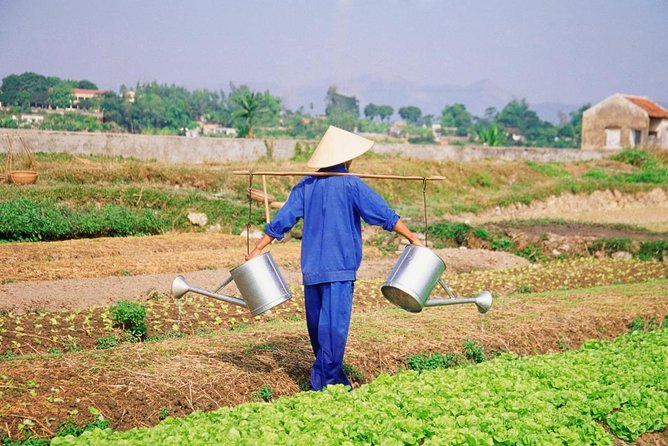
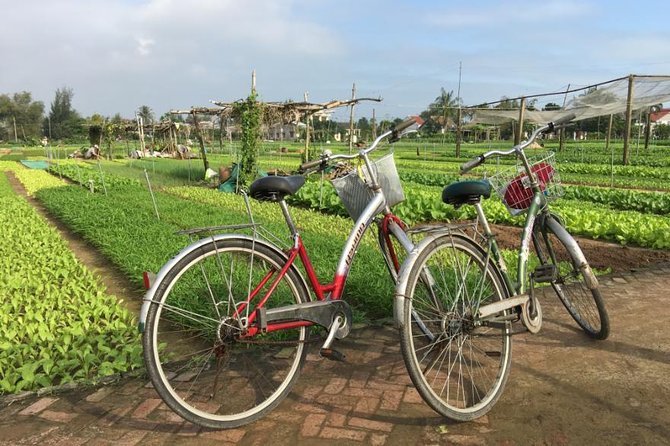
After the market, you cycle onward to Tra Que Vegetable Village, where the pace shifts from shopping to farming. This is where the tour gets more than just “eat good food.” You’ll be welcomed with a local drink, then meet a farmer who takes you around the village.
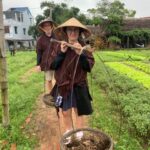
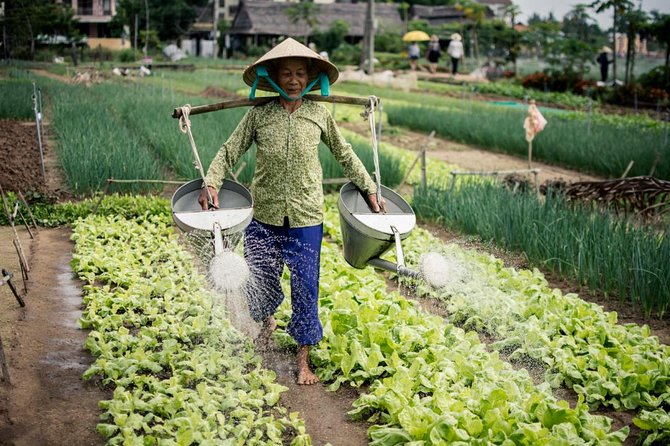
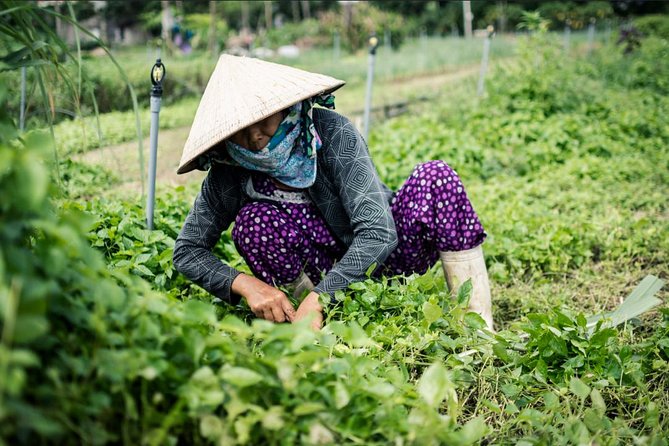
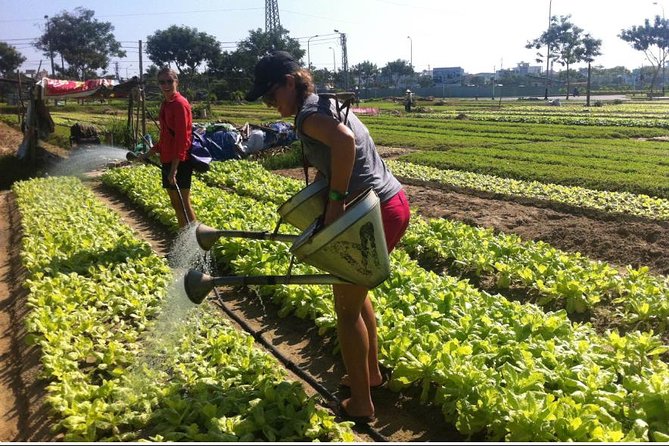
You’ll see the kinds of herbs, vegetables, and fruits that grow here, and you’ll get a first-hand look at how farming works in a place built around traditional methods. Part of the tour includes light farming tasks, and you’ll wear farming clothes for this part. The tour specifically notes that there’s no electrical machinery, so the experience feels more hands-on and grounded.
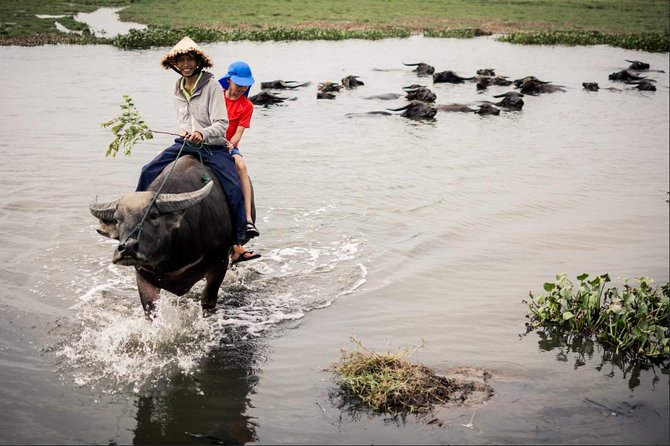
One cool detail: the farm setting includes animals you can spot around the village—things like water buffalo, storks, cows, and free-range chickens. It’s not a zoo experience. It’s more like you’re stepping into the real environment that surrounds the vegetables you’ll later cook.
The only downside is that this portion expects you to be comfortable moving around rural paths. You don’t need to be an athlete, but you do need to be willing to participate in light activity.
Master Chef Cooking Class: Team Competition at a Local House
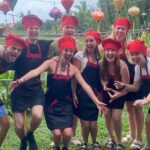
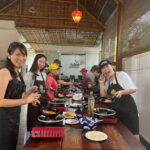
Once you’ve toured the farm area, you head back to a local farmer’s house for the cooking class. This is the part that turns the whole day from educational into fun: you’ll compete with your group to become a Master Chef. The winner gets a local prize, so it doesn’t feel like a standard cooking demo where everyone just watches and takes notes.
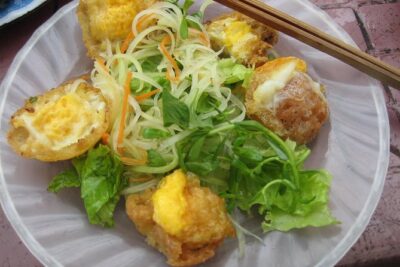
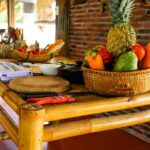
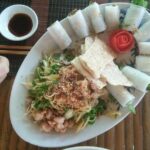
The class focuses on specialties from Tra Que and Hoi An, and the tour description specifically mentions dishes like Tra Que vegetable salad. The exact menu can vary, but the structure stays clear: you learn techniques, you cook, then you eat. The kitchen is at the house level, not a polished show kitchen, which usually makes the instruction easier to absorb. You’re learning in the same environment where the ingredients come from.
If you’re curious about how guidance lands, one name you may hear tied to the experience is Mr. Tran, praised for being an amazing, knowledgeable guide who makes the process feel clear. Even if you don’t get him, the format is designed for an English-speaking explanation that stays practical rather than overly theoretical.
The biggest practical tip: go in ready to participate. When a tour builds in competition, the best results come from jumping in instead of hovering at the edges.
The Lunch You Make: Why This Meal Feels Like the Point
Lunch is included, and it’s not delivered from a distance. You enjoy a meal at the local farmer’s house with many dishes, built around what you cooked during the class. This is where the value becomes tangible: you’re not just tasting Hoi An. You’re connecting ingredients, methods, and flavor to the final plate.
In tours like this, the “eat what you cooked” part can sound obvious. Here, it’s also practical. You’ve already handled ingredients at Ba Le Market and seen crops at Tra Que. Then you cook, then you eat the result right away. That timing helps everything click.
I also like the social feel. Even with a small group, a shared lunch creates a natural reset after the cycling and farm work. You’ll likely leave with a stronger sense of what Hoi An flavors taste like beyond the most common tourist plates.
Cycling Between Stops: Flat Roads, Scenic Views, and Real Time Outdoors
This tour includes bicycle use, and the cycling route is described as pretty flat, with scenery that’s “gorgeous.” That’s a big deal in Hoi An, where you’ll often see rides that mix easy roads with busy sections. The way this one is framed suggests you’ll spend more time on calm rural stretches with views, not tense traffic crossings.
The tour lists moderate physical fitness as the expectation. So if you can handle a relaxed bike ride and short stretches of walking, you’ll likely do fine. If you’re dealing with mobility issues or you prefer very low movement, you might want to consider a different style of food tour.
What I’d recommend for comfort: wear breathable layers and bring sunscreen. Also, keep in mind that you’ll do light farm activities later—so shoes that can handle uneven surfaces are worth the extra thought.
You can also read our reviews of more tours and experiences in Hoi An


Price and Value: What $71 Includes in Hoi An
The price is $71.00 per person for a tour that runs about 5 hours. On paper, it’s a mid-range activity, but the value stacks up because several items are genuinely included.
You get:
- Lunch with multiple dishes at the farmer’s house
- Bicycle use for the cycling parts
- English-speaking tour guide
- Bottle of water and wet tissues
- All fees and taxes
- The market admission ticket is free, and the cooking portion includes admission
So you’re paying for more than cooking instruction. You’re paying for guided shopping, cycling, a farm visit, and the actual meal produced from your work. That’s why the class tends to feel worth it for people who want a hands-on day rather than a “taste and leave” experience.
It’s also offered with pickup, group discounts, and a mobile ticket. Pickup matters when you’re staying outside the most central parts of Hoi An, because it reduces friction and makes the schedule easier to follow.
Who Should Book This Half-Day Tra Que Class (and Who Might Skip It)
This experience is a strong match if you:
- Want hands-on food skills, not just a cooking show
- Enjoy cycling and don’t mind short outdoor movement
- Like learning how food connects to farm life, herbs, and real ingredient choices
- Prefer small groups (up to 15) where you can actually talk with the guide
You may want to skip it if:
- Cycling and farm walking are not your thing
- You want a strictly sedentary food tour
- You’re sensitive to weather, since the tour needs good conditions
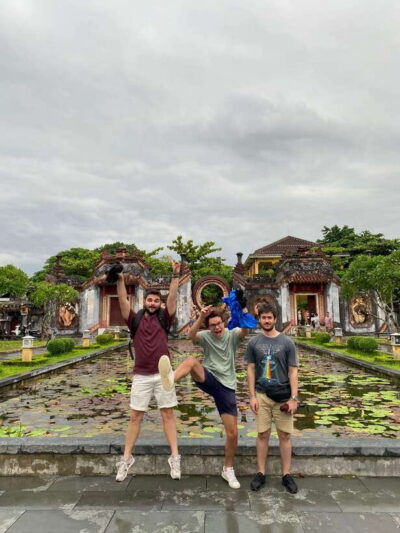
It also suits groups and couples well. The competition element gives everyone a shared activity, which can be especially fun if you’re traveling with friends.
Timing Tips: Morning vs Afternoon in Hoi An
You can join at 8:00 am or 14:00 pm. Picking morning tends to feel smoother if you’re trying to avoid the late-day heat and want markets and countryside riding to feel comfortable. Afternoon can be great if your morning is packed with other Hoi An sights, and you want a later start.
Either way, the tour description stresses that it requires good weather. If conditions aren’t suitable, you’ll be offered a different date or a full refund. That’s worth factoring into your schedule, especially if your Hoi An days are tight.
Should You Book This Tra Que Cooking Class?
If you want a half-day in Hoi An that actually teaches you something practical—how to choose produce, how farming supports the ingredients, and how to cook village-style dishes—this is a smart booking. The market-to-farm-to-kitchen flow is the main reason it works, and the Master Chef competition adds energy without turning it into chaos.
Book it if you’re comfortable with moderate activity and you’ll enjoy cycling through rural roads. Skip it if you need a very low-movement experience.
FAQ
How long is the Half Day Cooking Class at Tra Que Vegetable Village?
The tour lasts about 5 hours (approx.).
Where does the tour start, and do you get pickup?
Pickup is offered from your hotel, and the guide meets you at 8:00 am or 14:00 pm.
What happens at Ba Le Market?
At Ba Le Market, you learn how to choose good and fresh ingredients for the cooking class and practice bargaining in the market environment. The market stop is about 40 minutes.
What do you do at Tra Que Vegetable Village?
You visit the village with a local farmer, see herbs and vegetables, do light farming work using traditional methods, then return to a local house for the cooking class.
Is lunch included?
Yes. Lunch is included, and it’s served at the local farmer’s house with many dishes that relate to what you cooked.
What if the weather is bad?
This experience requires good weather. If it’s canceled due to poor weather, you’ll be offered a different date or a full refund.