REVIEW · HOI AN
Full Experience Tour: Cooking Class & Basket Boat at Eco-Village
Book on Viator →Operated by Tra Que Water Wheel · Bookable on Viator
Quiet mornings, real farm work, tasty cooking. This is the kind of Hoi An experience that feels less like a scripted tour and more like joining the Hoang family for a day. I love the small-group feel and the hands-on rhythm of farm tasks, especially the cooking class. One thing to consider: you’re on the move for hours, and a cloudy or wet day can change the experience since it depends on good weather.
I also like how the day starts with welcome drinks and time to settle in, then keeps you outside—walking the farm, biking the ricefields, and even trying a basket/bamboo boat. If you’re sensitive to traffic, note that getting between hotel and the countryside may involve riding through busy roads at the start.
In This Review
- Key highlights you’ll actually remember
- A Small-Group Tra Que Day That Feels Like You’re Let In
- Hotel Pickup to Welcome Drinks: Start Easy, Then Get Moving
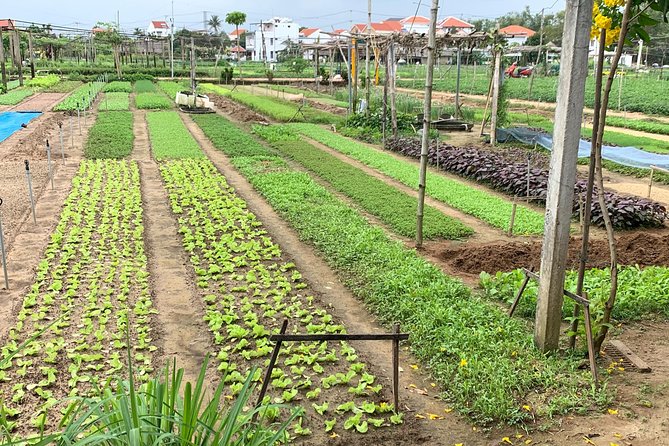
- Tra Que Vegetable Village: Where the Morning Work Starts
- What you’ll do here (and why it’s worth it)
- Rice Paper Making: The Hands-On Skill That Changes How You Eat
- What to expect
- Cooking Class With the Hoang Family: Skills, Not Just Recipes
- Why the cooking part is valuable
- The pacing that helps
- The Basket Boat (Bamboo Boat) Experience: Water Time Without the Big Sizzle
- What makes it feel real
- A practical heads-up
- Buffalo Ride and Bike Time: Fun, But Bring the Right Attitude
- Lunch at Tra Que Water Wheel: Eat What You Learned
- Stop 1 and Stop 2: How the Day Rolls Through the Tra Que–Hoi An Area
- Price and Value: What $52 Buys in Real Experience Time
- Weather and Timing: The One Variable You Can’t Ignore
- Should You Book Cooking Class and Basket Boat at Eco-Village?
- FAQ
- How long is the Eco-Village cooking class and basket boat experience?
- Is hotel pickup and drop-off included?
- What’s the price per person?
- What activities are included during the day?
- Where do the stops take place?
- Is there a meal included?
- How large is the group?
- What’s included for tickets?
- What happens if the weather isn’t good?
Key highlights you’ll actually remember
- Family-led farm day with the Hoang family guiding you through food and daily life
- Rice-paper making hands-on, not a sit-and-watch demo
- Basket boat and buffalo ride for that classic Tra Que water-and-fields feel
- Cooking skills you can use again when you get home
- Lunch at Tra Que Water Wheel restaurant after you’ve done the work and cooking
A Small-Group Tra Que Day That Feels Like You’re Let In
This tour is built for a day that moves at a human pace—enough activity to feel like you got your money’s worth, without the “run, pose, repeat” energy of more generic tours. You’re capped at a maximum of 20 people, which matters more than it sounds. When the group stays small, you get actual attention during cooking and food prep, and you’re not stuck waiting while someone else holds up the line.
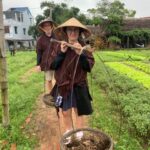
The other big difference is that this is a family-run setup in the Tra Que area. You’re not just getting shown agriculture like a museum exhibit. You’re doing bits of it—walking the farm grounds, biking through the ricefield area, and trying the practical food steps that come from working the land.
One more practical note: you’re with a guide for roughly 6 hours, and hotel pickup and drop-off are included. That’s helpful in Hoi An, where it’s easy to lose time juggling rides on your own.
You can also read our reviews of more boat tours in Hoi An
Hotel Pickup to Welcome Drinks: Start Easy, Then Get Moving
The day starts with transportation to and from your Hoi An hotel. I like this because it removes the biggest hassle: figuring out timing and how to get out to Tra Que on your own without wasting half your morning.
Before you head out, you usually sit down for welcome drinks. It’s not just a nice touch—it’s a reset. You get a moment to meet your guide and get oriented before you switch into farm mode. That small pause helps the rest of the day feel smoother, especially if you arrive a little tired from early travel or a busy night in town.
From there, you go exploring the grounds with your guide and the Hoang family. Depending on where your hotel is and how the pickup is handled, you might even be met by bicycle and need to ride through busy roads to reach the farm area. That part can feel intense if you’re not used to traffic flow. I’d plan your mindset as: quick roads segment, then calm countryside.
Tra Que Vegetable Village: Where the Morning Work Starts
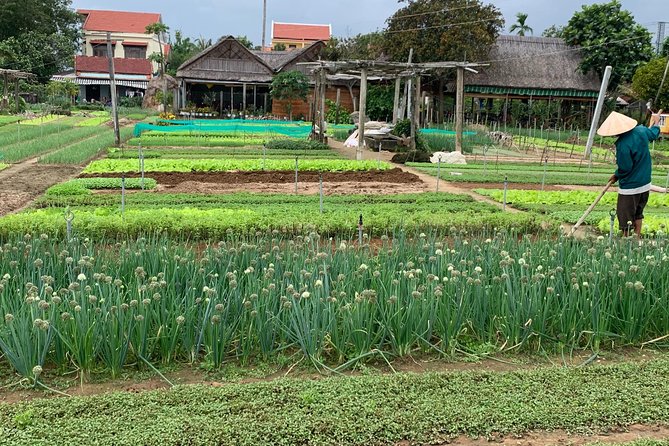
The first part of your day centers around the Tra Que vegetable village area. This is the heart of the experience, because it’s where you shift from “tourist looking” to “participant learning.”
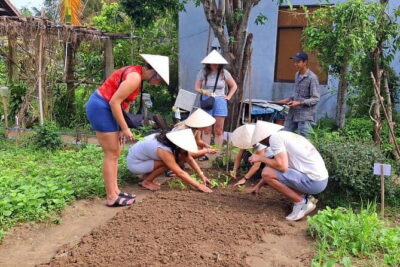
You’ll walk around and see how the family farm operates, then you’ll get your hands involved through a mix of farming activity and field time. One of the most praised moments is how peaceful and beautiful the village feels—quiet enough to hear what’s going on around you instead of just chasing sights.
What you’ll do here (and why it’s worth it)
- Cycling through the ricefields: It’s not a race; it’s a moving viewpoint. You feel the scale of the fields and the way farm life shapes the day.
- Farming with the local family: Even small tasks help you understand why certain foods are grown and used the way they are.
- Buffalo ride: This is part fun, part cultural context. You’ll see how animals fit into daily routine here.
The key is that it’s all connected. You’re not doing random activities that have nothing to do with food. Each step sets up your cooking class later.
Rice Paper Making: The Hands-On Skill That Changes How You Eat
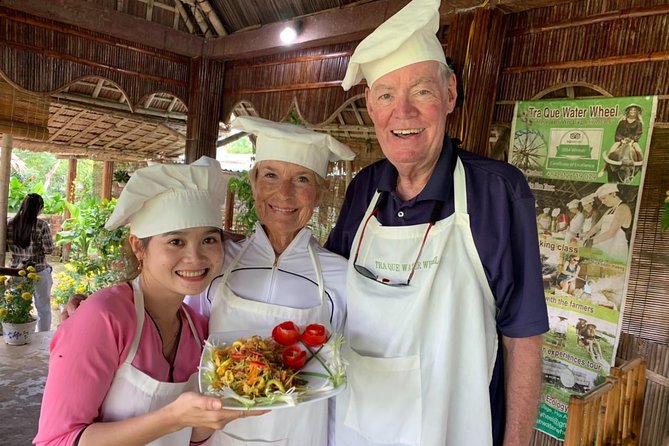
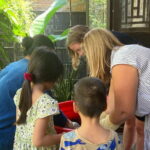
Rice paper making is one of those things that sounds simple until you actually try it. The tour includes a rice-paper making experience, and that’s a big win for me because it’s real technique—something you can’t fully grasp just by reading about it.
You’ll get to participate, not just watch. That makes the process stick in your memory, especially because you’ll later sit down and eat Vietnamese food you helped create and prepare.
You can also read our reviews of more cooking classes in Hoi An
What to expect
The day emphasizes learning practical steps tied to local ingredients and local cooking habits. Even if your first attempt isn’t perfect, you’ll walk away understanding what makes rice paper work in Vietnamese cooking and why it behaves the way it does in dishes.
If you’re the kind of person who hates being “hands-off” during tours, this is your moment.
Cooking Class With the Hoang Family: Skills, Not Just Recipes
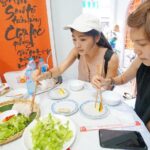
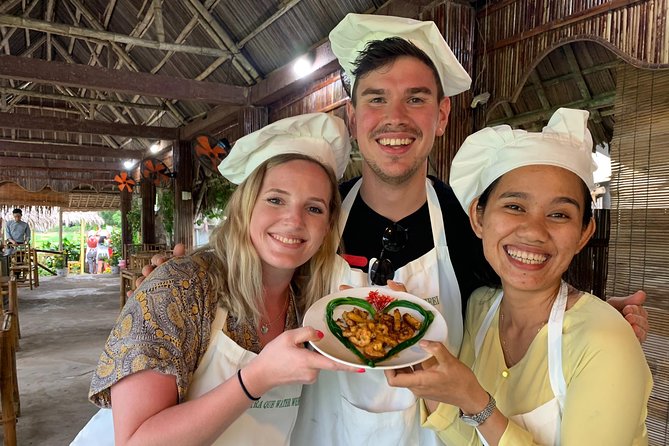
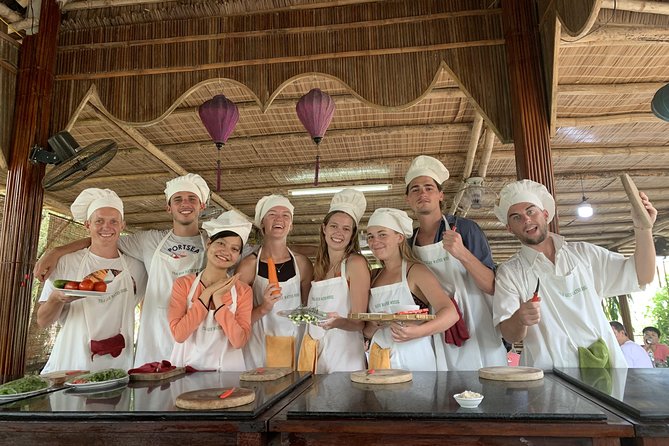
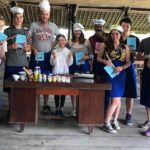
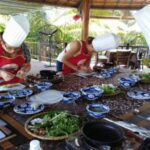
The cooking class is the centerpiece for food lovers. You learn Vietnamese cooking skills with the Hoang family, led by friendly local hosts and guides who actually know how to explain the process.
In the reviews, guides named Trang, Kun, and Sun come up repeatedly—each described as upbeat and full of energy. That matches what you want in a cooking class: someone who keeps you confident while you chop, mix, and learn.
Why the cooking part is valuable
Many cooking tours teach you how to plate food for a photo. This one aims at something more useful: real understanding of how Vietnamese meals come together. Because you’ve already been on a farm path—seeing ingredients and getting farm context—you’re better able to connect the cooking steps to what’s happening on the land.
The pacing that helps
You’re not only cooking. You’re also biking, riding, and rowing. So by the time you reach the kitchen, you’re ready to focus. The day has a flow: movement, learning, cooking, then eating.
The Basket Boat (Bamboo Boat) Experience: Water Time Without the Big Sizzle
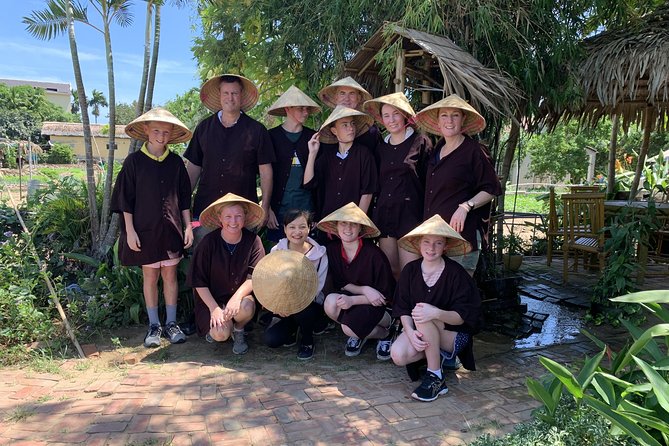
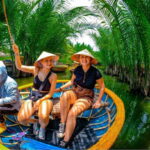
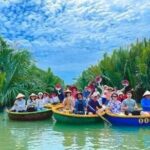
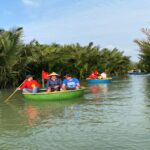
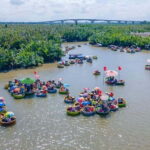
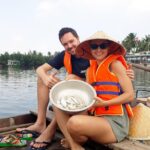
One of the standout activities is rowing a bamboo/basket boat. This is one of those Vietnamese countryside classics, and it fits the Tra Que setting perfectly.
What makes it feel real
You’re not in a theme-park boat loop. You’re rowing as part of the farm-and-food narrative, with the fields and local environment around you. It’s a visual break from the land activities without turning the day into a random sightseeing excursion.
A practical heads-up
Rowing activities can be a little wet or muddy depending on conditions. The tour also notes it needs good weather, and that usually means they’ll plan the day around safe, drivable routes and sensible outdoor timing.
If you want to stay comfortable, wear clothes you don’t mind getting lightly dirty.
Buffalo Ride and Bike Time: Fun, But Bring the Right Attitude
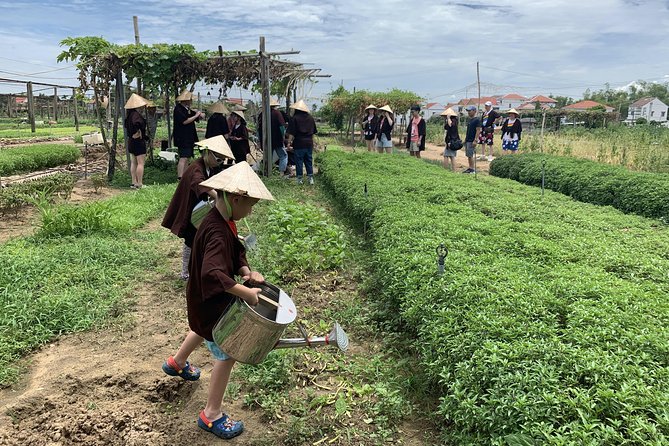
The tour includes buffalo ride and biking through the ricefields. In my book, that combo works because it’s not just about thrills. It teaches you how animals and farming shape the daily rhythm.
That said, it’s still active. You’ll be on your feet, on a bike, and on animal transport. If you have mobility limits, you’ll want to think carefully. The experience is designed for participation, not a mostly seated itinerary.
Also, if you’re nervous about traffic at the start of the day, remember that some guests may have to ride through busy roads en route to the farm area. Once you’re out there, the pace usually shifts to calmer countryside.
Lunch at Tra Que Water Wheel: Eat What You Learned
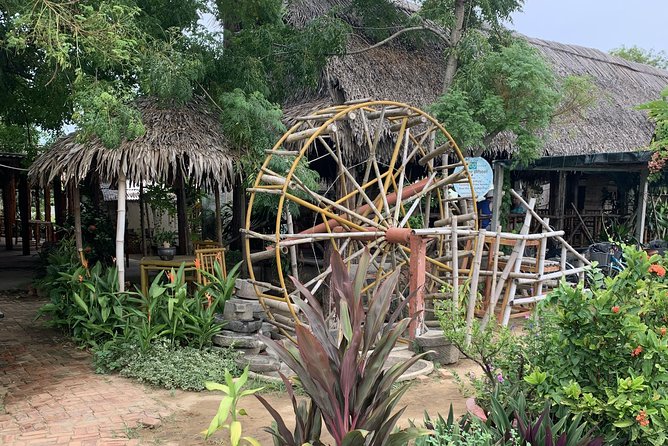
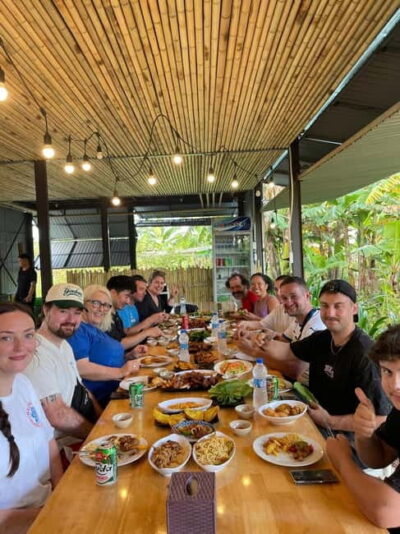
After a full set of activities, you sit down for an authentic Vietnamese meal at Tra Que Water Wheel restaurant. I like this structure: you don’t just cook and then snack somewhere generic. You work through the day, then enjoy a meal that ties back to the skills you practiced.
Because you’ve done the cooking class steps (and you’ve been learning about farm ingredients), lunch feels earned. You’re more likely to notice flavors and ingredients instead of just thinking, food, then next stop.
It’s also a good time to slow down after movement. The day includes a lot—walking, biking, riding, making rice paper, cooking—so the sit-down meal is where it all lands.
Stop 1 and Stop 2: How the Day Rolls Through the Tra Que–Hoi An Area
Your route is structured around a first stop at the Tra Que Vegetable Village and then a second stop in the Hoi An area as the day wraps up. The important takeaway is that you’re not bouncing between far-apart locations all day.
Instead, you’re focused on one agricultural zone and one city base. That keeps travel time reasonable and lets the meaningful parts of the day dominate: farm work, food learning, and meal time.
If you’re hoping for lots of city sights, this isn’t built as a Hoi An sightseeing tour. It’s built as a farm-to-table day near Hoi An.
Price and Value: What $52 Buys in Real Experience Time
At $52 per person for a roughly 6-hour experience with hotel pickup/drop-off, cooking class, rice-paper making, and multiple countryside activities, this is priced as a full-day activity. The value comes from two things:
- You’re paying for instruction and time, not just access. The cooking class and rice-paper making are active learning experiences.
- You’re paying for transport convenience, which matters in Hoi An. You get to focus on the day instead of planning rides.
Also, it’s booked about 38 days in advance on average, which suggests steady demand. Popular doesn’t always mean perfect, but it often means the format works and the schedule runs smoothly.
Weather and Timing: The One Variable You Can’t Ignore
The tour notes that it depends on good weather. That makes sense for outdoor activities like biking, riding, and rowing. If weather conditions are poor, you may be offered a different date or a full refund.
So if you’re traveling in rainy season, I’d build in some scheduling flexibility. If this is a non-negotiable day, consider reserving earlier so you have backup options.
Should You Book Cooking Class and Basket Boat at Eco-Village?
Book this tour if you want a family-run, hands-on Hoi An experience where your day connects farm work to real Vietnamese cooking. It’s a strong choice for food lovers, people who like active mornings, and anyone who dislikes generic, company-style tours.
Skip it or think twice if you need lots of seated time, have limited mobility, or you’re easily overwhelmed by the idea of bikes and riding as part of a 6-hour day. Also consider that getting to the countryside may involve riding through busy roads at the start.
If you’re after authentic farm energy, rice paper in your hands, and a lunch that feels directly tied to what you did that morning, this is a very solid pick.
FAQ
How long is the Eco-Village cooking class and basket boat experience?
It’s about 6 hours.
Is hotel pickup and drop-off included?
Yes, transportation to and from your Hoi An hotel is included.
What’s the price per person?
The price is $52.00 per person.
What activities are included during the day?
You’ll cycle through the ricefields area, enjoy welcome drinks, participate in farming activities, row a basket/bamboo boat, ride buffalo, try rice paper making, and take part in a Vietnamese cooking class.
Where do the stops take place?
The tour includes a stop at Tra Que Vegetable Village and another stop in the Hoi An area.
Is there a meal included?
Yes. You’ll sit down for an authentic Vietnamese meal at Tra Que Water Wheel restaurant.
How large is the group?
There is a maximum of 20 travelers.
What’s included for tickets?
A mobile ticket is provided.
What happens if the weather isn’t good?
The experience requires good weather. If it’s canceled due to poor weather, you’ll be offered a different date or a full refund.