REVIEW · HOI AN
Discover Traditional Silk Process in Hoi An Silk Village
Book on GetYourGuide →Operated by Viet Nam Happy Travel · Bookable on GetYourGuide
Hoi An’s silk starts with something you can smell. This traditional mulberry-garden and silkworm visit turns “silk making” into a real, step-by-step way of life, and I also loved how the tour ends with clear pure-vs-fake silk guidance for smarter shopping. One possible drawback: the on-site shopping can be a mixed bag, especially if you’re picky about print choices.
The tour runs just 50 minutes, so it’s not a slow museum stroll. Instead, you get a tight sequence of stops—house, gardens, weaving demonstrations, then an exhibition—plus an English-speaking guide and a bottle of water to keep things easy.
Logistics are simple but specific: no large bags and it’s not suitable for wheelchair users or people with mobility impairments. If you’re moving a bit slower, plan on comfy clothes and shoes because some buildings feel compact and the path is active.
In This Review
- Key things that make this tour worth your time
- Why Hoi An’s Silk Process Tour Feels More Real Than Shopping
- Quang Nam Traditional House: the Sericulture Story First
- Mulberry Gardens and the Silkworm-Breeding House
- Unraveling House: from Cocoon to Silk Thread
- Weavers, Spinning, and the Champa–Dai Viet Textile Thread
- Pure Silk vs Fake Silk: Your Secret Weapon for Shopping in Hoi An
- Price and Time: What $11 Buys You in Central Vietnam
- Practical Tips: Meeting Point, What to Wear, and Bag Rules
- Should You Book This Traditional Silk Process Tour?
- FAQ
- How long is the Traditional Silk Process tour?
- What does the tour cost?
- What’s included in the ticket?
- Where do I meet for the tour?
- What should I bring, and what’s not allowed?
- Is this tour suitable for wheelchair users or mobility impairments?
Key things that make this tour worth your time
- Mulberry + silkworm viewing: you see where silk really begins
- Hands-on style explanations: how cocoons become thread, in plain steps
- Preserved heritage methods: Champa–Dai Viet weaving traditions are highlighted
- A real shopping skill: pure silk versus fake silk is taught before you buy
- Short, well-paced hour: enough for understanding without eating your day
- Small-group feel at times: rooms can be tight, so smaller groups work better
Why Hoi An’s Silk Process Tour Feels More Real Than Shopping
Hoi An is famous for old streets and lantern light, but silk is one of the best ways to understand the region’s everyday craft economy. This visit doesn’t treat silk as a product first. It treats silk as a chain of living steps—mulberry growing, silkworm care, cocoon handling, and weaving—so you leave with a mental map instead of just souvenirs.
I like that the tour is rooted in nature and in people. You’re not only watching machinery; you’re seeing how workers handle delicate materials and how the craft has been preserved through generations. They also emphasize that the village has access to valuable genetic sources of mulberry, and that the handmade weaving method links back to older Champa–Dai Viet traditions.
That history matters, but the practical part matters more. If you’ve ever bought “silk” that felt too stiff or too shiny to be genuine, you’ll understand why they end with a lesson on identifying real silk versus imitations. The tour doesn’t push you into a purchase—it helps you buy with a little confidence.
You can also read our reviews of more tours and experiences in Hoi An.


Quang Nam Traditional House: the Sericulture Story First
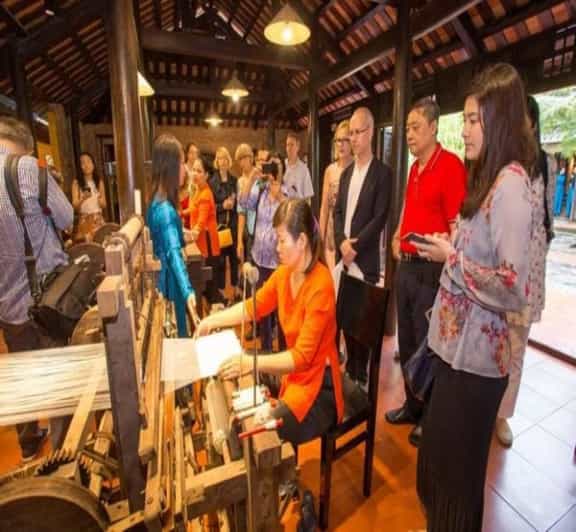
The tour kicks off with a welcome drink, then you head to a traditional house in Quang Nam. This stop sets the tone: you hear the story behind sericulture—how communities learned to raise silkworms and turn cocoons into wearable fabric.
What I like about starting here is that it frames what you’ll see next. When the guide connects daily chores (feeding and handling) to the finished textile, the rest of the tour clicks faster. English explanation helps too; the guide’s clarity is a big part of why people feel satisfied even though the whole experience is short.
A small heads-up: this start can feel more like a story-and-visuals moment than a hands-on workshop. If you’re expecting constant weaving-from-the-start action, you’ll get it later. But trust this sequence—by the time you reach the gardens and cocoons, you’ll already know what the steps are aiming for.
Mulberry Gardens and the Silkworm-Breeding House
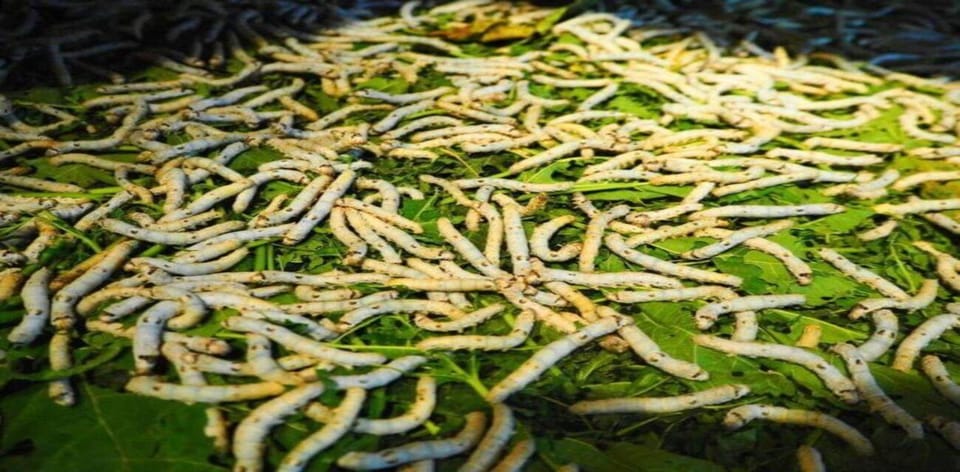
Next comes the section that makes silk-making feel physical: the mulberry gardens and the silkworm-breeding house. You see how mulberry trees are grown because that’s the feeding backbone of the whole process, and you learn how silkworms are raised by traditional methods.
The silkworm part is where the tour earns its keep. The biology is simple, but the handling is delicate, and the guide walks you through feeding. This is also where you get the more serious reality of silk: cocoons aren’t just gathered from thin air. One of the most memorable moments for me is understanding how silk extraction works from the cocoon, because it explains why silk has always been valuable.
There’s also a storytelling connection tied to regional craft identity. The tour highlights the craft heritage in ways that link back to older cultural eras, and you can feel that the goal isn’t just entertainment. It’s preservation—keeping the process understandable, not hidden.
If you get claustrophobic easily, it’s worth noting that some rooms have limited space. One person I spoke to described small-group comfort because the buildings can be tight. In practice, that means the tour tends to feel smoother with fewer people.
Unraveling House: from Cocoon to Silk Thread
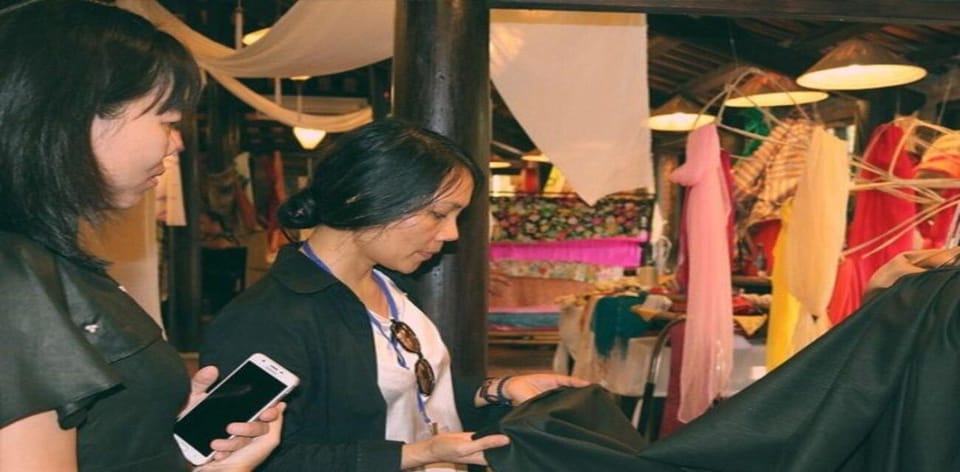
Now you reach the stage that turns fiber into thread: the unraveling house. This is where the tour stops being mostly about plants and animals and becomes about transformation. You learn how silk thread is obtained from the cocoon so it can be woven into fabric.
This part is short, but it’s one of those “oh, that’s how” moments. Real silk isn’t just a single step; it’s a conversion process that demands patience. Seeing the reasoning behind each move helps you understand why silk feels different in the hand compared with synthetics.
Also, this is a good chance to ask questions. If you’re the type who buys textiles for gifts, you’ll probably want to know how thread quality affects the final fabric. Even when you don’t get a deep technical answer, you’ll walk away with a clearer mental model of what you’re paying for.
Weavers, Spinning, and the Champa–Dai Viet Textile Thread
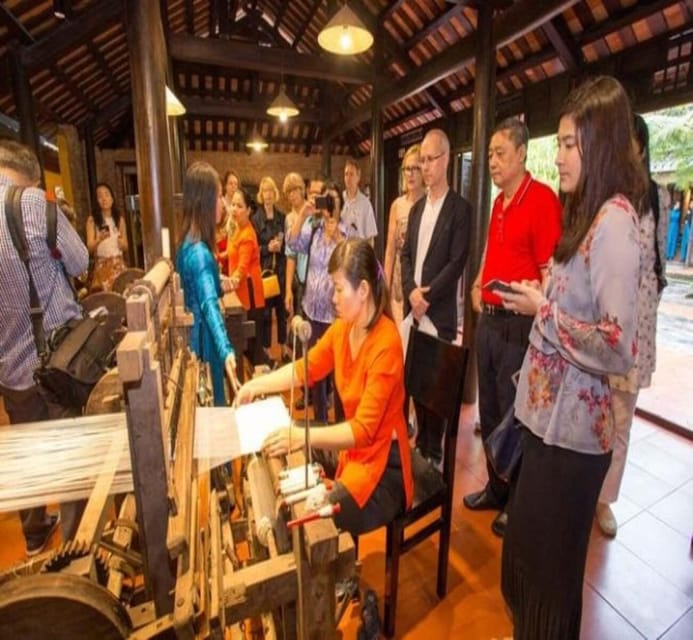
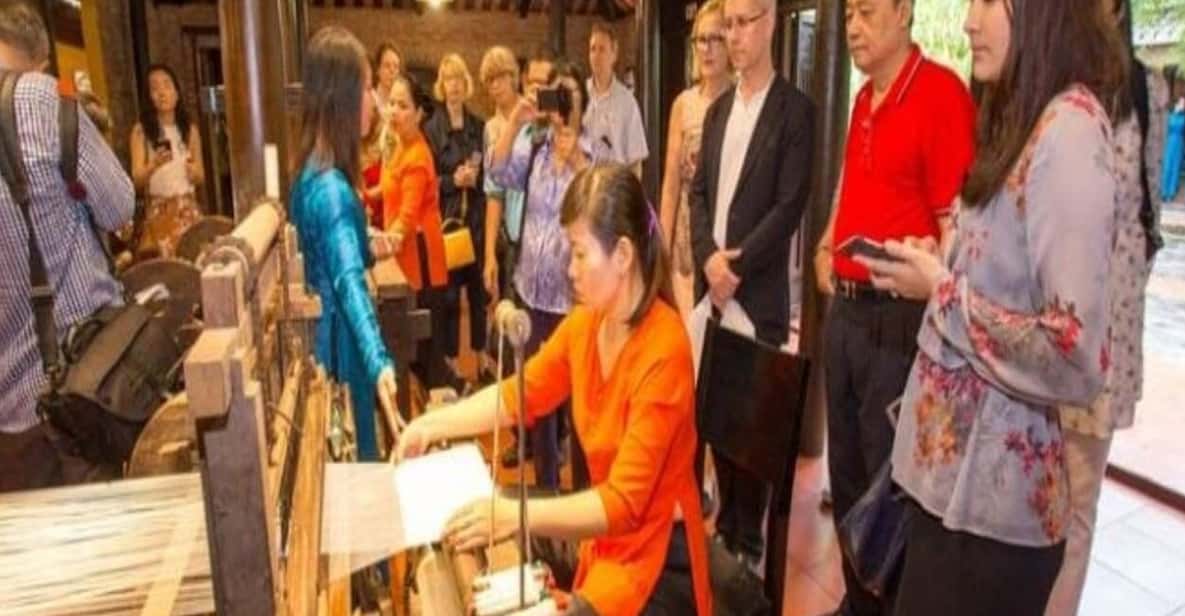
After the cocoon-to-thread stage, the tour shifts into the craft side: you visit a Vietnamese traditional silk weaving house and learn about traditional textile making. You’ll also get exposure to handicrafts of Champ people, connected to how weaving traditions evolved in the region.
This is where watching workers matters. You’re not only learning theory; you’re seeing how silk is woven into fabric. When guides explain the process with patience, it makes a difference—especially if you keep asking about what’s happening at each stage.
One reason the tour scores well is that weaving demonstrations can be easy to get bored by if you’re rushed. Here, the pace is light enough to keep your questions meaningful, and the guide’s English tends to be clear. People mention guides like Thu and Tsu for being understandable and helpful, which matches what you want for a craft tour.
If you’re hoping to take a lot of photos, be mindful of space and movement. Some areas are busy and close together, and the focus is on explanation and demonstration, not filming.



Pure Silk vs Fake Silk: Your Secret Weapon for Shopping in Hoi An
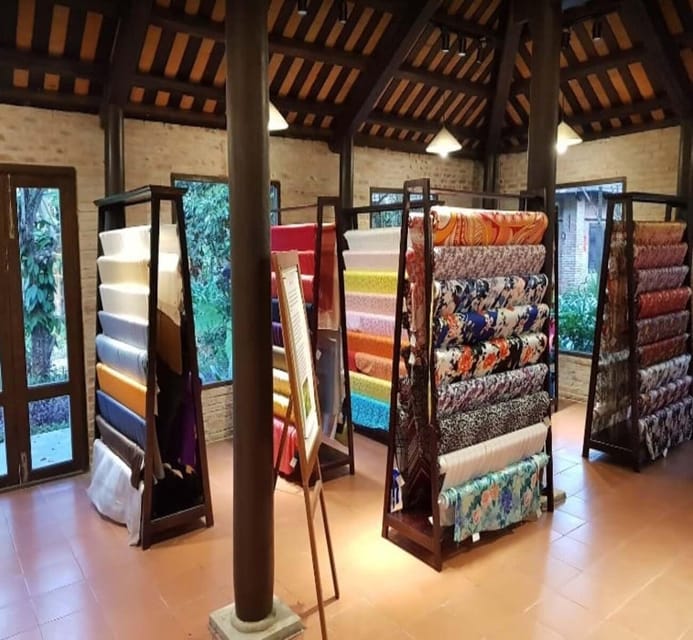
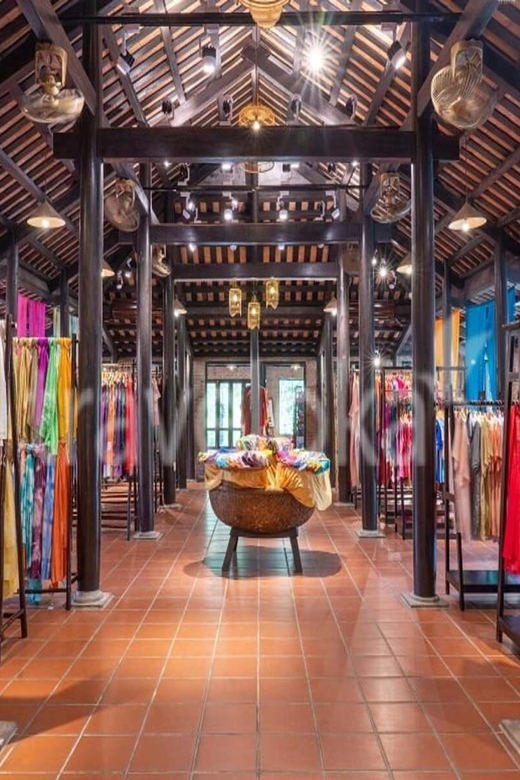
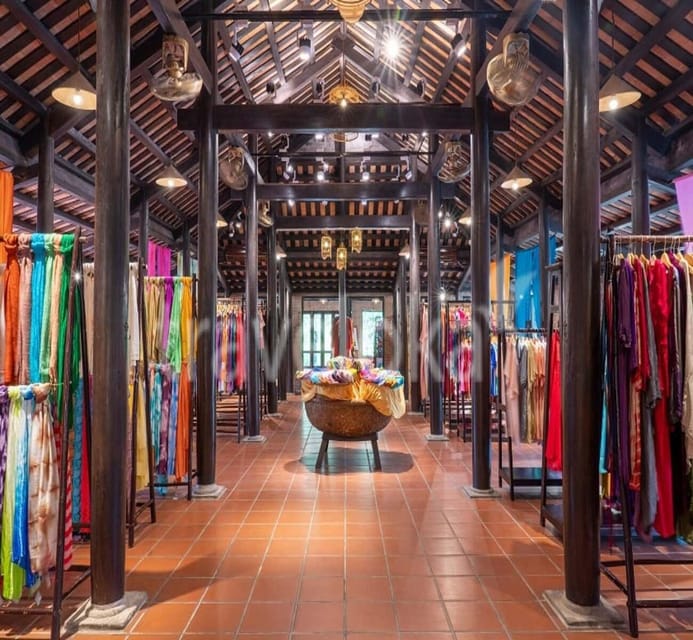
The final stop is the Hoi An Silk Village exhibition, and it’s the most useful part for people who plan to buy. This is where you learn the difference between pure silk and fake silk fabric. That might sound basic, but it’s exactly what saves money—because silk fraud and silk look-alikes are common across tourist areas.
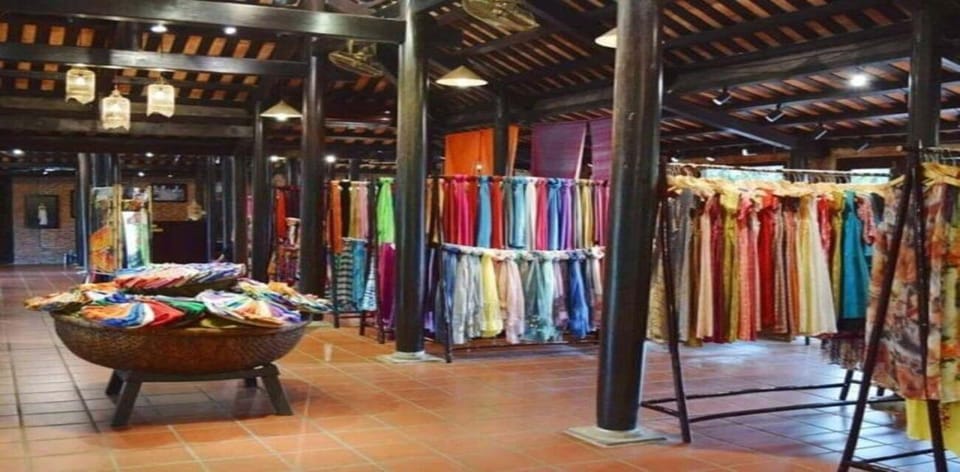
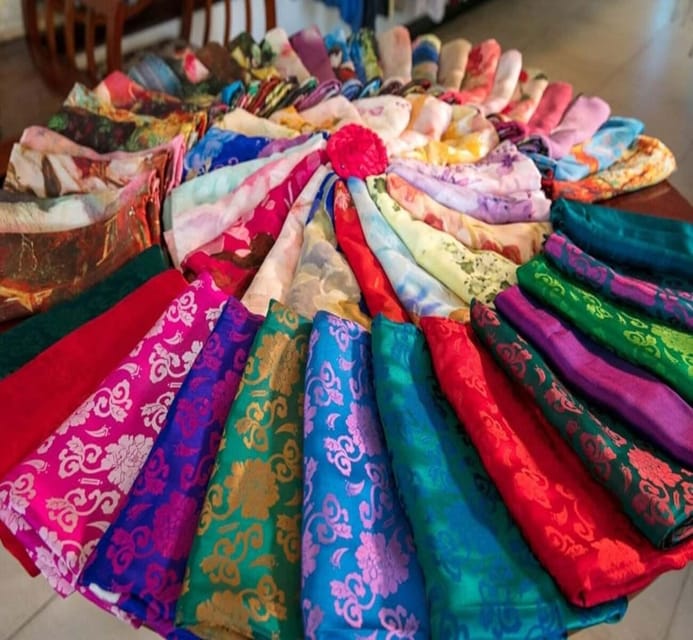
Even if you’re not shopping, this exhibition teaches you how to evaluate what you’re holding. And if you are shopping, the tour sets you up for better decisions. You’ll see a variety of silk products and can match them to your goals, from gifts to tailoring.
There’s also a calm practical angle here. The on-site shop experience can make more sense after the lesson, because you’ll know what to look for instead of relying only on appearance.
One more shopping note from real experiences: people often say silk shirts sold here feel like real value because of quality. Just don’t wait until the last second. If you want the best selection, browse with your new understanding, not your impulse.
Price and Time: What $11 Buys You in Central Vietnam
At $11 per person for about 50 minutes, this is a low-cost way to understand a craft you’ll see advertised everywhere in Hoi An. You’re paying for a guided explanation, entry, and basic support—an English-speaking guide, entrance fee, and a bottle of water are included.
Is it a full-day deep course? No. It’s a focused introduction that gives you enough context to shop smarter and appreciate what you’re looking at. That’s a real kind of value in Vietnam, where time is often tight and you want to stack experiences that explain each other.
The skip-the-ticket-line detail also helps. When you’re moving through old-town neighborhoods, small time savings add up, and fewer lines means more time for actual craft observation.
If you’re worried about feeling rushed, the short duration cuts both ways. You’ll get the essentials, but you won’t have hours to compare products or re-visit the hands-on steps. For many people, that’s exactly why this works.
Practical Tips: Meeting Point, What to Wear, and Bag Rules
Meet your guide at 28 Nguyen Tat Thanh, Hoi An, Quang Nam, Viet Nam. At reception, you’ll confirm with your name. It’s not complicated, but it’s the kind of thing that’s easy to miss if you’re moving quickly between Hoi An sights.
Wear comfortable shoes and comfortable clothes. Even though the tour is under an hour, you’ll move through several spaces: gardens, breeding areas, a weaving house, and an exhibition. Bring nothing bulky—luggage or large bags aren’t allowed.
One practical bonus: there’s an on-site cafe. If the weather is humid (it usually is at some point), it gives you a place to reset without walking back into the street immediately after.
If you plan to tailor or shop, think about timing. You’ll have product browsing at the end, so schedule this when you still have energy to choose carefully.
Should You Book This Traditional Silk Process Tour?
I think you should book this if you want a craft experience that feels honest and educational, not just a quick photo stop. The strongest reasons are the clear silk-making sequence (mulberry to cocoon to thread to weaving), the guide help in plain English, and the fact that the tour teaches you how to spot pure silk versus fake before buying.
Skip it if you’re chasing only hands-on weaving from minute one, or if you hate any shopping element at the end. And keep in mind the shopping print variety can be uneven, so if you’re very picky about patterns, don’t assume the first rack will blow you away.
If you’re in Hoi An for a few days and want one experience that explains something you’ll see everywhere, this is a good match. You’ll leave knowing what silk actually costs in work and steps—even if you just buy one small item.
FAQ
How long is the Traditional Silk Process tour?
It lasts about 50 minutes.
What does the tour cost?
The price is listed as $11 per person.
What’s included in the ticket?
Included are an English-speaking guide, the entrance fee, and a bottle of water.
Where do I meet for the tour?
You meet at 28 Nguyen Tat Thanh, Hoi An, Quang Nam, Viet Nam. Inform your name at reception to confirm.
What should I bring, and what’s not allowed?
Bring comfortable shoes and comfortable clothes. Luggage or large bags are not allowed.
Is this tour suitable for wheelchair users or mobility impairments?
No. It is not suitable for people with mobility impairments or wheelchair users.