REVIEW · HOI AN
Cham Island Tour Snorkeling -Sunbathing – Nice Beach – Speedboat
Book on Viator →Operated by Paradise Indochina Travel · Bookable on Viator
A speedboat day with real island nature. From Hoi An, this Cham Islands trip takes you to UNESCO-listed Cu Lao Cham with snorkeling, hiking-ish stops, and time for sun on a beach, all wrapped into one 5–6 hour outing. What I like most is the hassle-free pickup from Hoi An hotels and the ride straight to Cua Dai Harbor, so you’re not coordinating taxis all morning.
I also like the value shape: the $39 price is built around “you show up and almost everything is handled.” You get the guide (English/Vietnamese), entry fees, speedboat transport, bottled water, and a fresh seafood lunch plus snorkeling gear like mask and life jacket.
One consideration: the snorkeling can be hit-or-miss depending on season and weather. Winter months (roughly December through April) often mean lower water and poorer visibility, so you may see fewer fish and less coral than you hoped for.
In This Review
- Key highlights worth your attention
- Cham Islands from Hoi An: the “lots to do” island day
- Getting to Cua Dai Harbor and the speedboat pace
- Cu Lao Cham Museum and Au Thuyen: culture that eats into snorkel time
- Hon Lao Island villages, a “nice beach,” and how the vendors work
- Snorkeling reality check: visibility, coral condition, and season
- Lunch with fresh seafood: good value, restaurant rules, and water
- Price vs. what you actually get (and what you don’t)
- Crowds, disorganization complaints, and how to protect your day
- Who should book this Cham Island tour
- Should you book this Cham Island snorkeling and beach day?
- FAQ
- How long is the Cham Island tour from Hoi An?
- What time does the pickup start?
- Where do we meet for the trip?
- Is hotel pickup and drop-off included?
- What snorkeling equipment is provided?
- What’s included in the price, and what do I need to bring?
- When is snorkeling likely to be better or worse?
- What happens if weather is poor?
Key highlights worth your attention
- Speedboat transfer from Cua Dai Harbor makes the trip feel efficient, not like a ferry day
- Cu Lao Cham Museum + Au Thuyen add culture and context, not just water time
- Snorkeling gear and lunch are included in the base price, keeping costs predictable
- Hon Lao Island beaches allow sunbathing time when conditions are good
- Crowds can spike in summer and on weekends, especially around beaches and speedboat points
Cham Islands from Hoi An: the “lots to do” island day
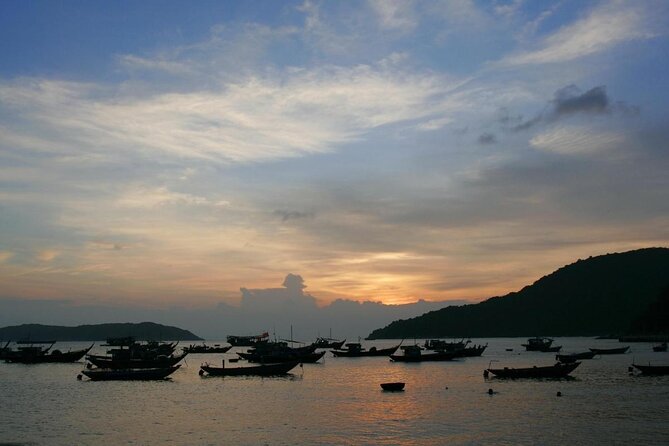
The Cham Islands (Cu Lao Cham) sit off the coast of Hoi An and are known as an ecological reserve and UNESCO World Biosphere Reserve. That matters because you’re not just visiting a pretty shoreline—you’re touring a protected island system where marine and land life share the same space.
This tour is designed as a full day of mixed activities: museum time, village/area exploring, then snorkeling and beach breaks. If you want one single thing—only reef time—this isn’t that kind of tour. If you’re happy with an island day that blends nature, local life, and some water time, it’s a good fit.
You can also read our reviews of more snorkeling tours in Hoi An

Getting to Cua Dai Harbor and the speedboat pace
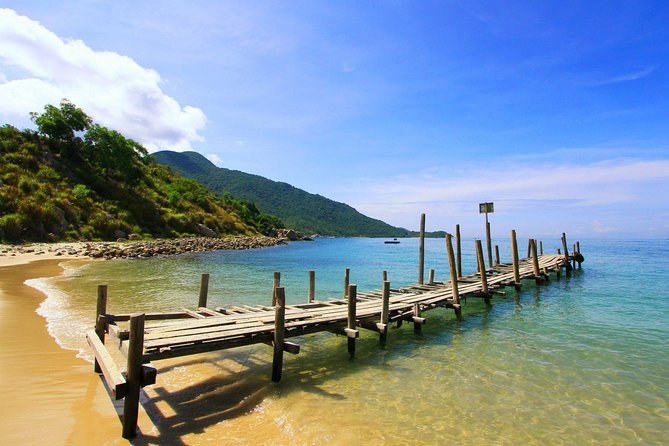
The day starts early. Pickup begins around 8:00–8:30 from select Da Nang and Hoi An areas, then you head to Cảng vụ ĐTNĐ Cửa Đại (Cua Dai Harbor). The crossing to the island is short—about 25 minutes by speedboat—so you’re not losing half the morning to transport.
The operational tempo can feel “group-first.” When you register with management officers at the harbor, you’re usually queuing with everyone else in your time slot. The tour is capped (maximum 30 travelers overall), and transfers on the vehicle are described as small-group sized (max 14 passengers on the transfer vehicle), but once you reach the island side, the day can still feel busy.
Practical tip: bring patience for small delays. A few minutes here add up when you’re dealing with speedboat scheduling, equipment handouts, and groups moving between stops.
Cu Lao Cham Museum and Au Thuyen: culture that eats into snorkel time
After you land, the itinerary heads to the Cu Lao Cham Museum and museum-style exhibits/showroom, then onward to Au Thuyen. This is the part of the day that can either feel meaningful or feel like a detour, depending on what you booked for.
Why I think it’s worth it for many people: museums and island context help you understand what you’re actually protecting when you snorkel. If you like knowing what species live here and why the reserve is managed, the museum stop gives you a framework, not just entertainment.
The drawback is that reef fans can feel shorted if they expected an all-morning swim. Even when snorkeling is included, the day is structured so you do museum + area stops first. If you’re the type who measures a trip by minutes in the water, set your expectations early.
Hon Lao Island villages, a “nice beach,” and how the vendors work
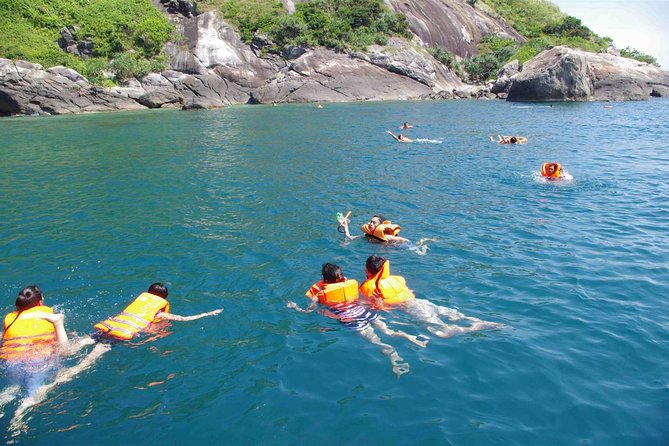
You’ll spend time around Hon Lao Island with stops described around villages and an ecological reserve experience. The tour also includes time to enjoy sunbathing on a waterfront/nice beach when you’re not snorkeling.
One thing to plan for: the island area and harbor zones can be very sales-heavy. You may get approached quickly for hats, sun cream, waterproof cases, towels, and similar beach items. The best strategy is simple: be polite, keep walking, and don’t engage in a long back-and-forth. If you’re carrying your own essentials, you’ll have less temptation to stop and bargain.
For your comfort, bring sun protection even if you’re expecting time in the shade. And if you’re sensitive to heat, remember it’s an outdoor day with gaps while groups regroup.
Snorkeling reality check: visibility, coral condition, and season
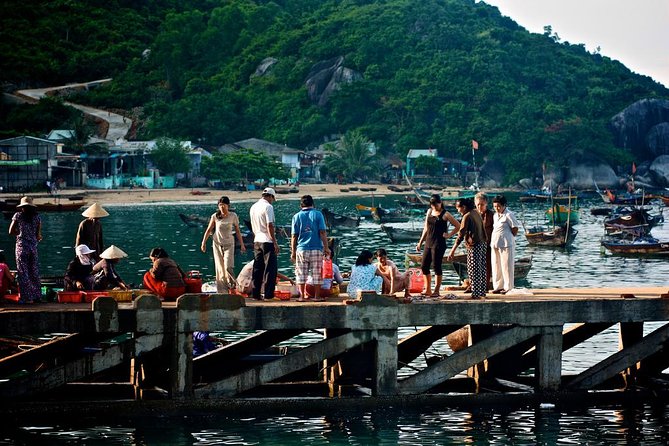
Snorkeling is the headline, but the quality varies more than most people expect. The tour includes snorkeling gear (mask and life jacket), yet what you see depends on water clarity, coral condition, and how crowded the water area gets.
Here’s what the schedule info and field reality point to:
- Winter (Dec–end of April) isn’t ideal for snorkeling. Water can be lower, and conditions can be less clear, meaning fewer fish and less coral visibility.
- Summer (June–August) can be crowded, especially on the beach and around speedboat stations due to local school vacations.
- The “best window” suggested is September, October, November, when conditions are often more favorable.
Also, don’t assume every snorkeling stop will look like a postcard reef. Some people report dead coral and limited fish. Others describe snorkeling time as shorter than expected, especially when groups are waiting, changing, or when sea conditions affect the plan.
My advice if you care about reef life: aim for the right season, and be ready for the fact that snorkeling on islands can be more variable than snorkeling off a busy reef site near a big city.
Safety note worth your attention: even if nobody emphasizes it, don’t hover on or touch coral. If you want an extra buffer, wear water shoes and a rash guard so you’re less likely to get scraped or irritated.





Lunch with fresh seafood: good value, restaurant rules, and water
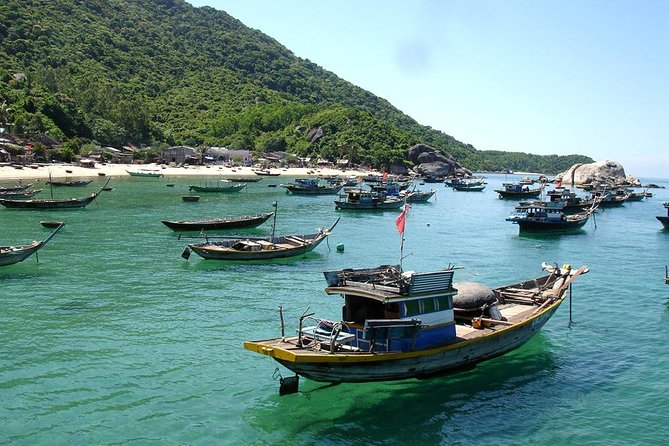
Lunch is included, described as fresh seafood. When the day works well, this is one of the best parts because it gives you a real pause—food, a chance to sit down, and recovery time before you head back by speedboat.
What you should know about drinks: bottled water is listed as included, but lunch itself may follow restaurant rules. Some people have felt surprised about water availability or charged-for drinks during meals. That’s not unusual in Vietnam tour meals: lunch can be “meal-included” while drink policies vary by the restaurant.
Practical move: assume lunch includes the food, and you’ll rely on the provided bottled water rather than expecting free refills. If you’re a heavy water drinker, consider bringing a small amount of extra cash for additional drinks on-site.
Price vs. what you actually get (and what you don’t)
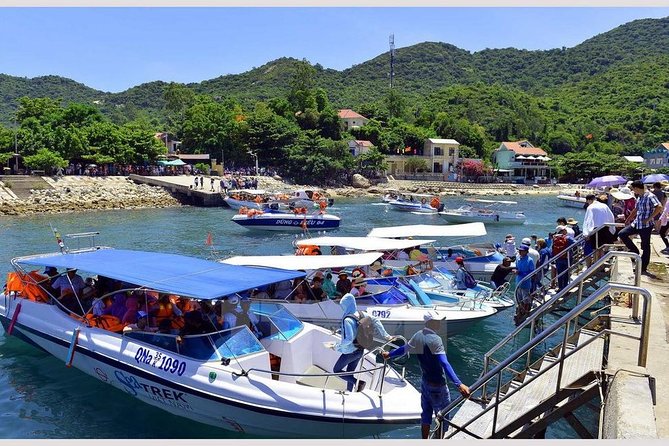
At $39 per person, you’re paying for a structured island day with a lot bundled in. What’s included:
- English/Vietnamese tour guide
- Speedboat
- Entrance fees
- Bottled water
- Hotel pickup/drop-off in Hoi An & Da Nang
- Lunch (fresh seafood)
- Snorkel, mask, life jackets
- Air-conditioned vehicle
What’s not included:
- Towels
- Swimming suits
- Tips/gratuities
That bundle is the main value argument. If you tried to DIY this—harbor fees, transport, entry, and a guided snorkeling setup—you’d likely spend more than the $39 and still end up spending your morning herding yourself between stops.
So the “value math” works best when you want everything handled and you don’t mind a mixed itinerary.
Crowds, disorganization complaints, and how to protect your day
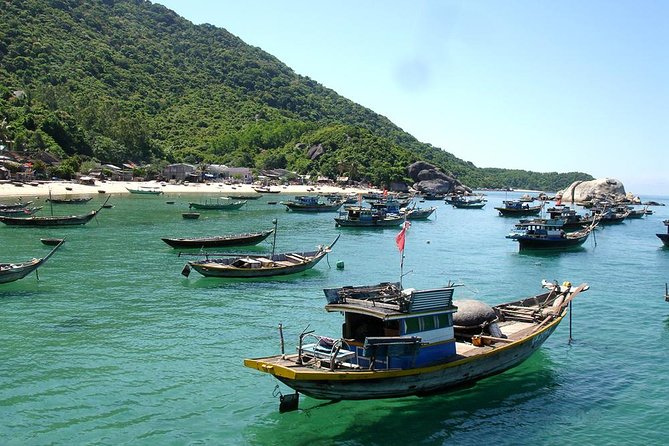
The overall star rating is decent but not perfect, and the negative feedback patterns are consistent. The themes that come up:
- times feeling chaotic (waiting on boats or between stops)
- snorkeling time feeling shorter than expected
- equipment issues (used/dirty gear complaints)
- guide pushiness around tips
- bigger-than-advertised group impressions at certain points
- lots of seller attention at the port/island zones
You can’t control everything, but you can control how you respond. Here’s what I’d do to protect your experience:
- Arrive ready to move. Bring a small day bag and keep your key items accessible so you’re not fumbling during boarding.
- If you’re unhappy with snorkeling gear quality, speak up immediately while equipment is still being handed out. Don’t wait until you’re already in the water.
- Keep your own boundaries on tips. If a guide mentions gratuities, you still decide your tipping amount based on service quality.
- Ignore the sales pressure. Walking away quickly is often the fastest path to calm.
And remember: weather changes plans. If sea conditions are rough, snorkeling may be limited for safety. That’s not something a tour operator can fully override.
Who should book this Cham Island tour
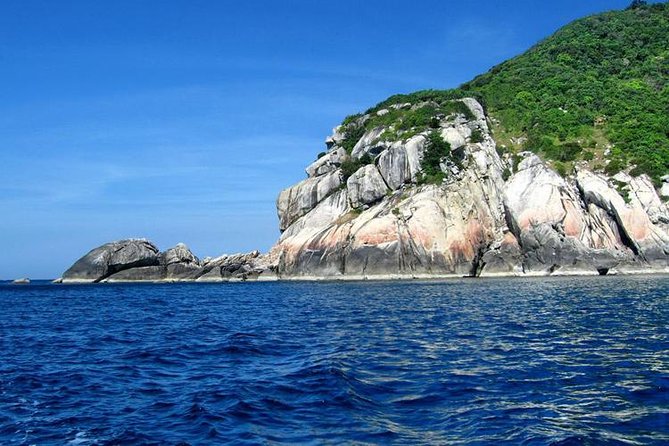
This is a solid choice if you:
- want a one-day island experience from Hoi An with snorkeling included
- like the idea of museum/culture context plus beach time
- are okay with snorkeling being a part of the day, not the entire day
- value a bundled price over piecing everything together yourself
It may be a weaker choice if you:
- only care about long snorkeling sessions and pristine reef visuals
- are traveling in winter months and are fixated on maximum underwater clarity
- hate crowds and want an uncrowded beach and uncrowded speedboat zones
- are very sensitive to equipment hygiene and want ultra-tightly managed gear
If you’re in the “only reef time” camp, you might want to compare options that specialize purely in snorkeling with smaller groups and clearer water targets for your dates.
Should you book this Cham Island snorkeling and beach day?
My take: book it if you’re traveling in the September–November window, want an island day that’s more than just swimming, and you appreciate the bundled value of transport + entry + lunch + snorkeling gear.
Skip or upgrade your plan if your top priority is maximum coral and fish time. The snorkeling quality can vary with season, sea conditions, and crowd levels. Also, the experience can feel rushed if the day runs behind schedule, and a few people have reported gear problems or a shorter time in the water than they expected.
If you do book, go in with the right mindset: this is an organized island sampler. The Cham Islands are the star, and you’ll get the most satisfaction when you enjoy the whole day, not just the water minute count.
FAQ
How long is the Cham Island tour from Hoi An?
The tour runs about 5 to 6 hours.
What time does the pickup start?
Pickup begins around 8:00–8:30. The activity start time is 8:00 am.
Where do we meet for the trip?
The meeting point is Cảng vụ ĐTNĐ Cửa Đại in Cửa Đại, Hội An (V9HQ+95W).
Is hotel pickup and drop-off included?
Yes. Hotel pickup/drop-off is included in Hoi An and Da Nang.
What snorkeling equipment is provided?
You get snorkel gear, including a mask and life jacket.
What’s included in the price, and what do I need to bring?
Included: guide, speedboat, entrance fees, bottled water, lunch with fresh seafood, snorkeling gear, and an air-conditioned vehicle. Not included: towels and swimming suits.
When is snorkeling likely to be better or worse?
Snorkeling isn’t ideal in the winter period (December to end of April) due to low water level and reduced visibility. The suggested best time is September, October, and November.
What happens if weather is poor?
This experience requires good weather. If it’s canceled due to poor weather, you’ll be offered a different date or a full refund.